
Phippsburg — History & Facts
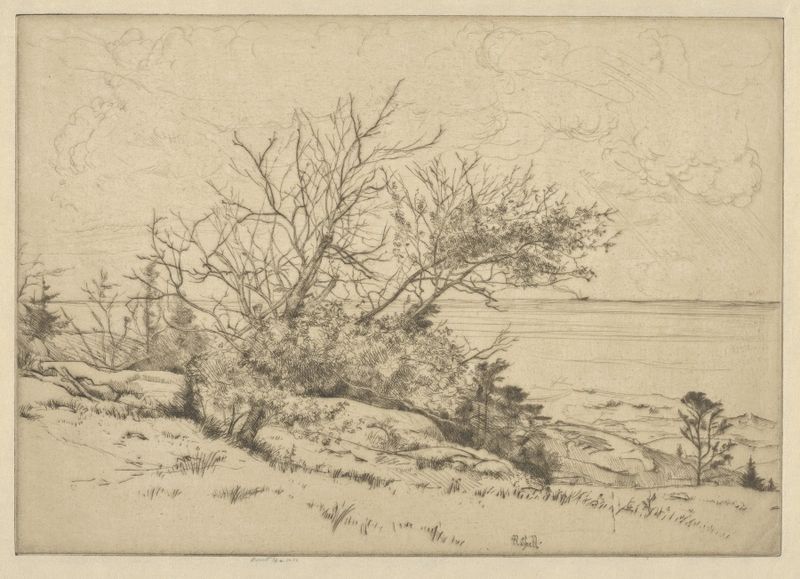
Can beauty exist without sorrow? In Phippsburg, shadows whisper of untold stories, inviting a closer examination of their depths. Look to the foreground, where the serene landscape unfurls beneath a sky painted in soft hues of blue and gold. The gentle curves of the hills lead the eye toward a placid body of water, reflecting the soft light that bathes the scene. Notice how the brushwork varies: the delicate strokes of the grass contrast sharply with the more textured clouds above, creating a dynamic balance between tranquility and turmoil that hints at the fragility of this idyllic moment. The juxtaposition of calm waters and looming clouds suggests an underlying tension; a serenity that masks the encroachment of darker emotions.
Haskell invites viewers to ponder the interplay of nature's beauty and the lurking fear of change, as the tranquil scene may be but a fleeting illusion. The distant horizon, bathed in muted tones, serves as a reminder of the potential storms that lie just out of sight, fostering a sense of unease beneath the surface beauty. In 1924, Ernest Haskell painted Phippsburg during a transitional period in American art, where traditional landscapes began to embrace modernist influences. This work reflects his intimate connection to nature while embodying the shifting artistic landscape of his time.
Amidst the changing tides of society, Haskell's explorations in both technique and emotion reveal a deeper understanding of beauty's complex relationship with fear and vulnerability.
More Artworks by Ernest Haskell
Browse all →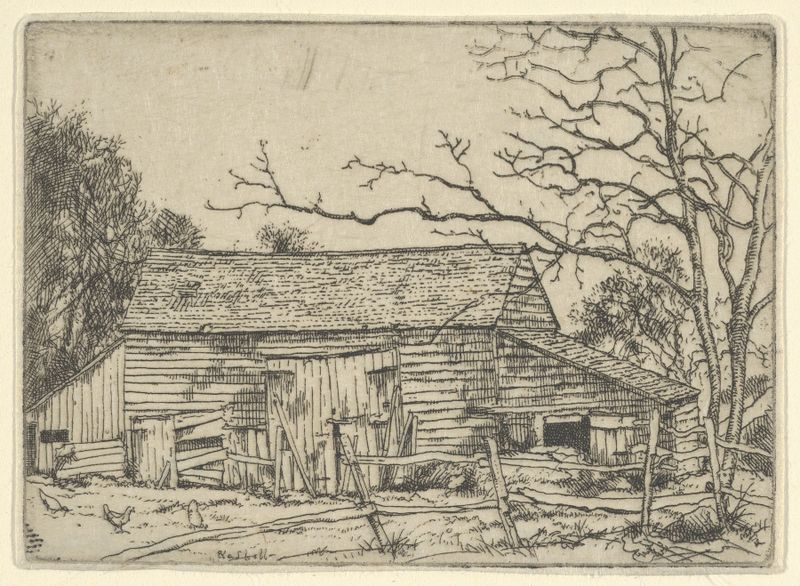
The Barn–Staten Island, N.Y.
Ernest Haskell

Four Live Oaks
Ernest Haskell
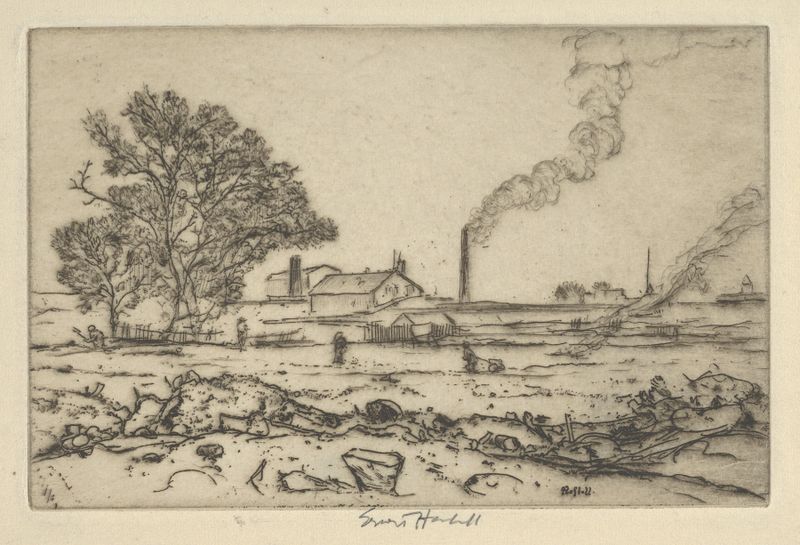
Outskirts of Boston
Ernest Haskell
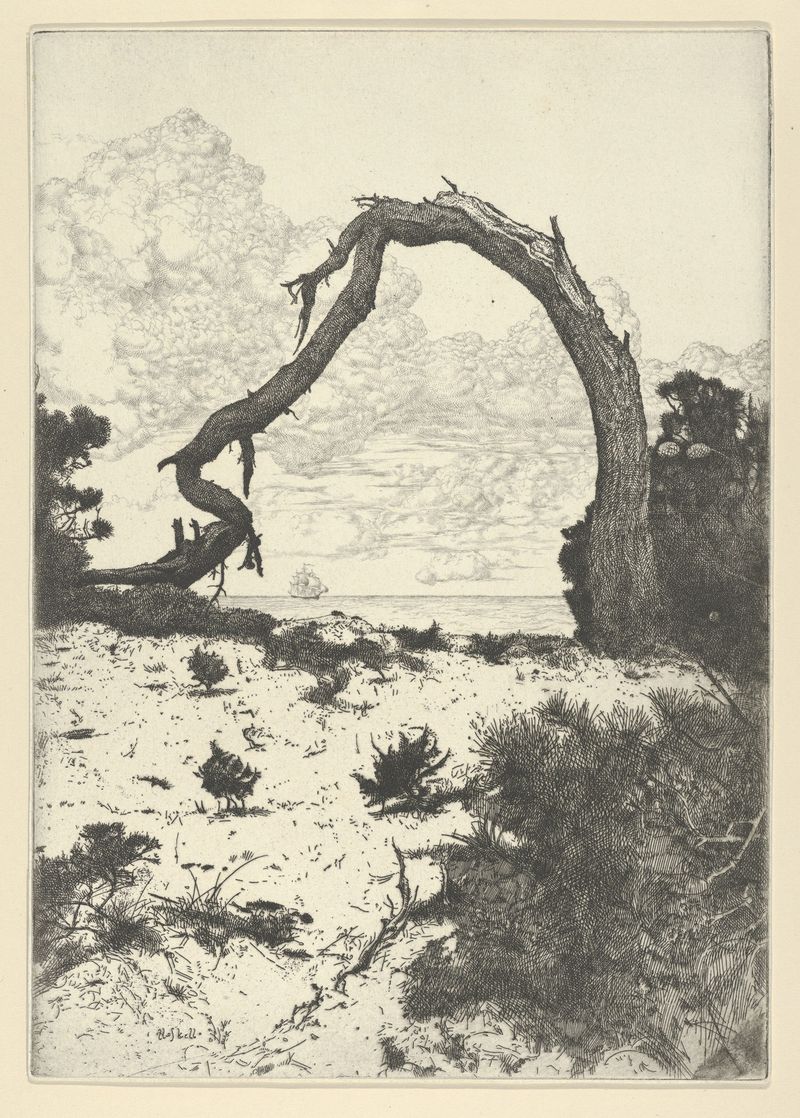
Pine Arch
Ernest Haskell

General Sherman
Ernest Haskell
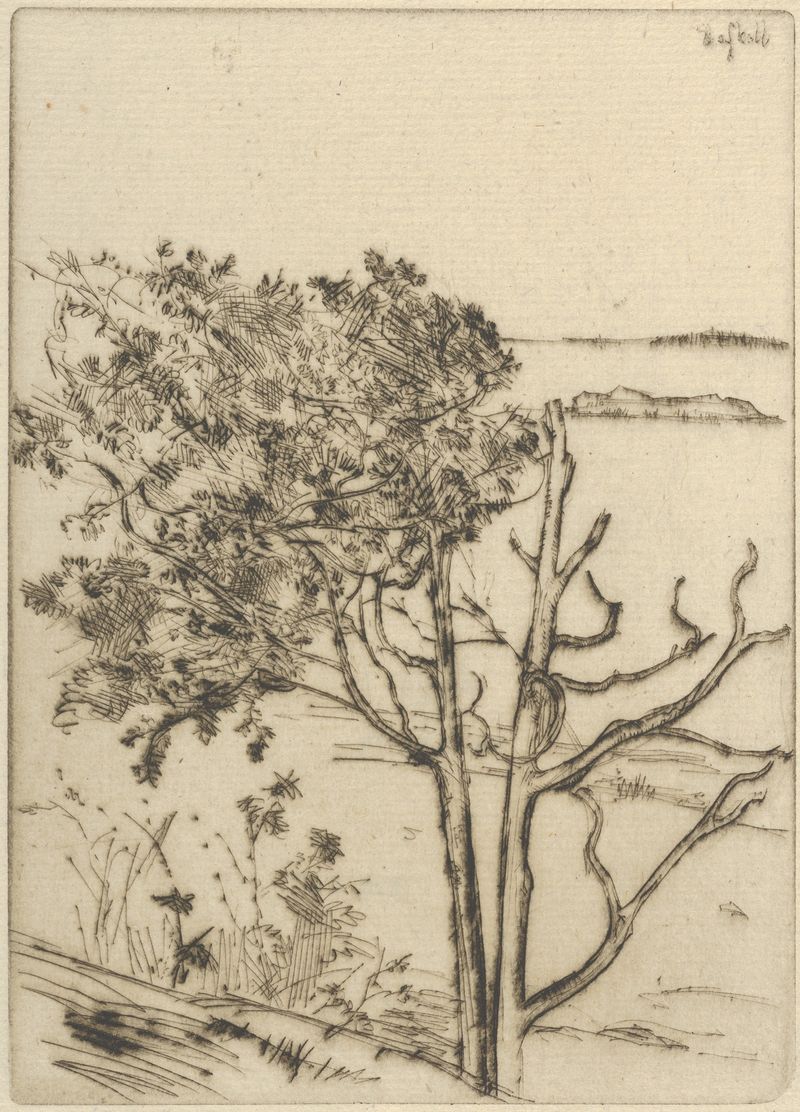
Ragged Tree – Maine
Ernest Haskell

Tide Mill
Ernest Haskell

Ship Building
Ernest Haskell
To the Southward – Ragged Island, Me.
Ernest Haskell
Long Island Marshes
Ernest Haskell





