Discover insights about this artwork
Pichet Et Fruits Sur Une Table — History & Facts
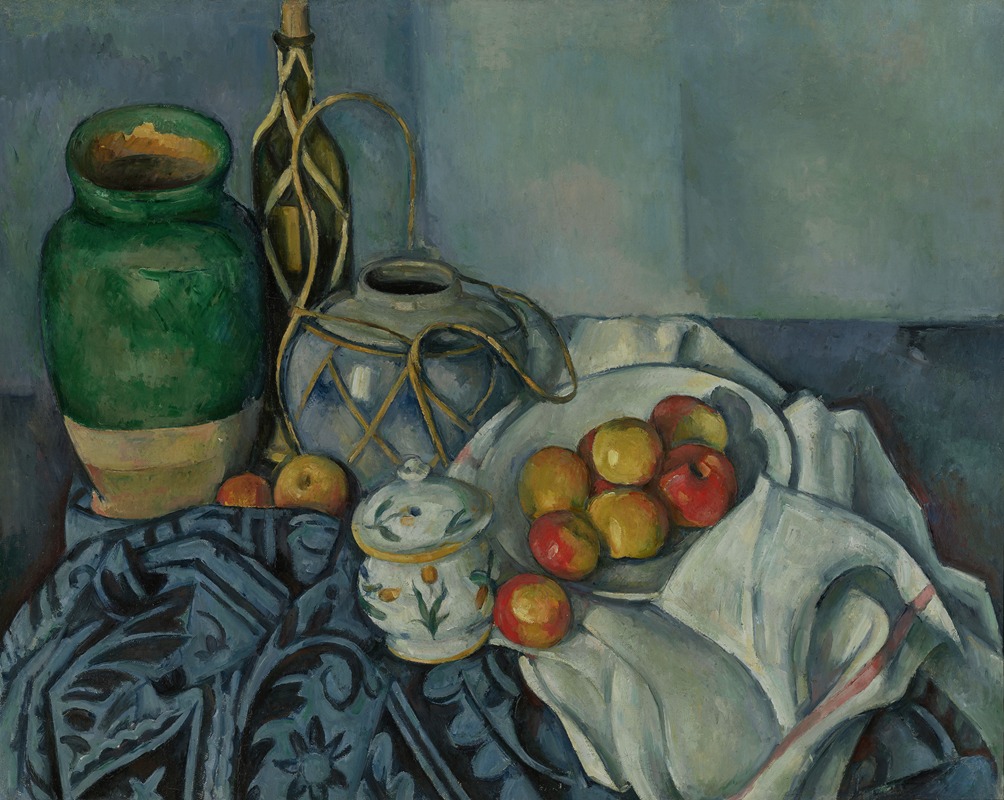
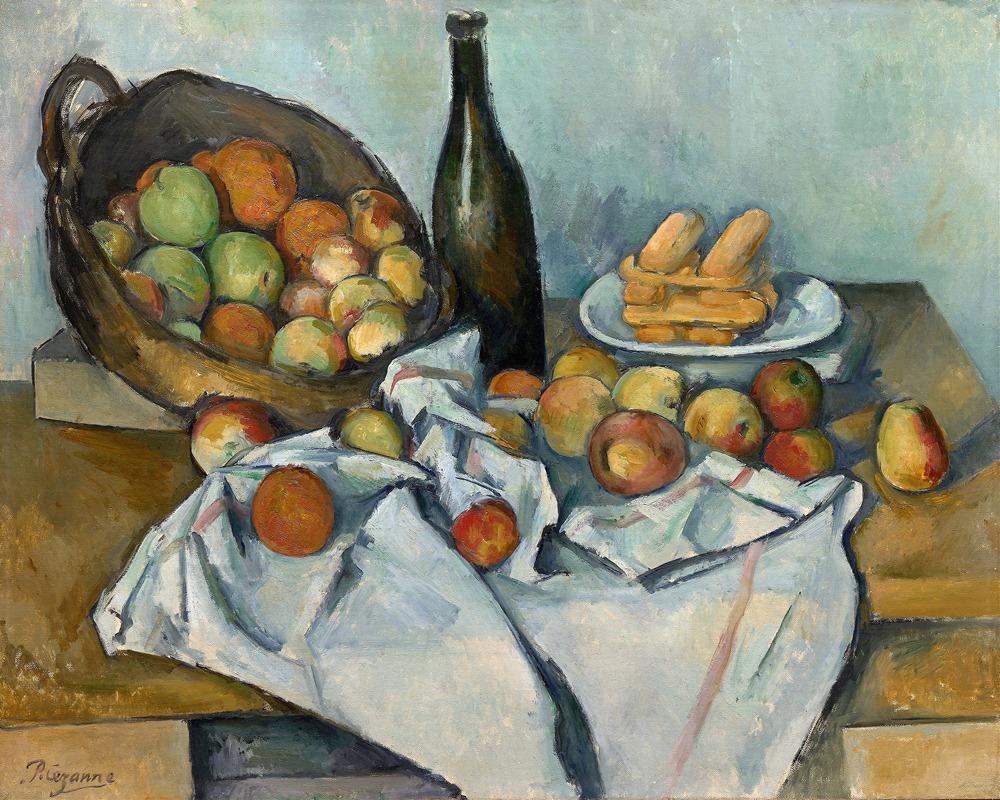
In Pichet Et Fruits Sur Une Table, Paul Cézanne presents a vibrant still life featuring a pitcher and an assortment of fruits. The colors are rich and varied, with deep greens, bright reds, and warm yellows. The setting is simple yet effective, drawing the viewer's attention to the objects on the table.
The arrangement of the fruits creates a sense of balance and harmony within the composition. Cézanne's technique is characterized by his use of bold brushstrokes and a unique approach to perspective. The painting is executed in oil on canvas, allowing for a rich texture and depth of color. The forms of the pitcher and fruits are rendered with a sense of solidity, reflecting Cézanne's interest in the underlying structure of objects.
This work exemplifies the Post-Impressionist style, moving beyond mere representation to explore form and color. Paul Cézanne was a pivotal figure in the transition from Impressionism to Modernism. This painting, created in the 1890s, showcases his innovative approach to still life, emphasizing geometric shapes and the interplay of light. An interesting fact about this work is that it reflects Cézanne's belief that art should capture the essence of nature, rather than just its appearance.
His influence can be seen in the works of many later artists, making him a crucial figure in art history.
More Artworks by Paul Cézanne
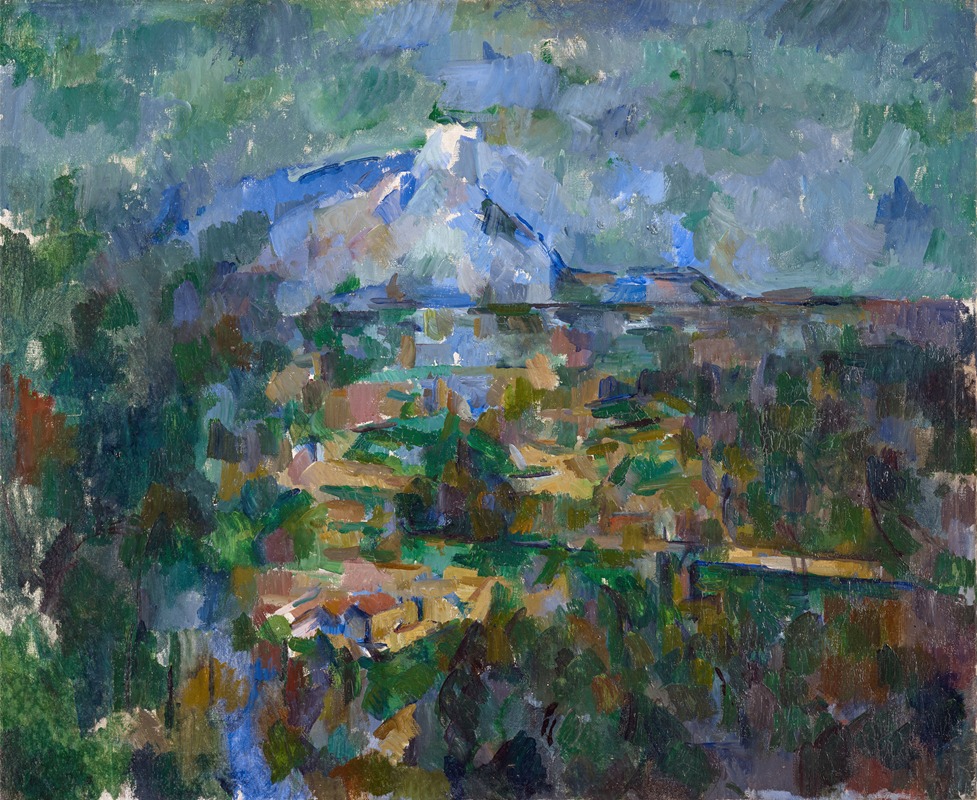
The Mont Sainte-Victoire Seen From Les Lauves
Paul Cézanne
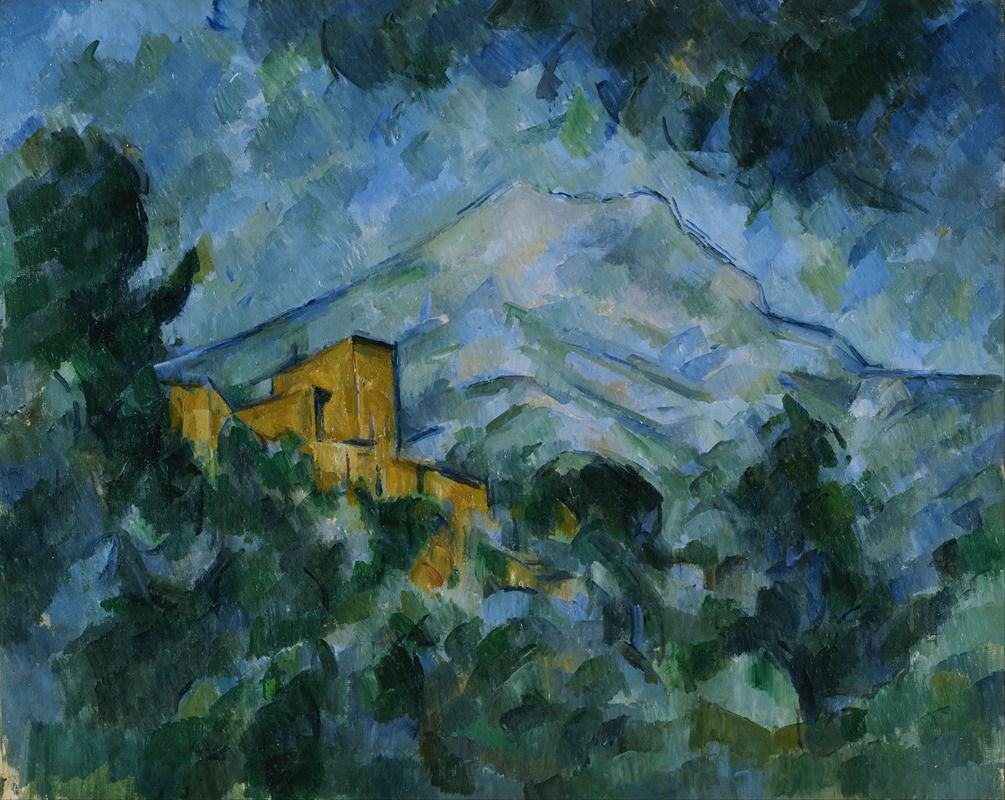
Mont Sainte-Victoire and Château Noir
Paul Cézanne
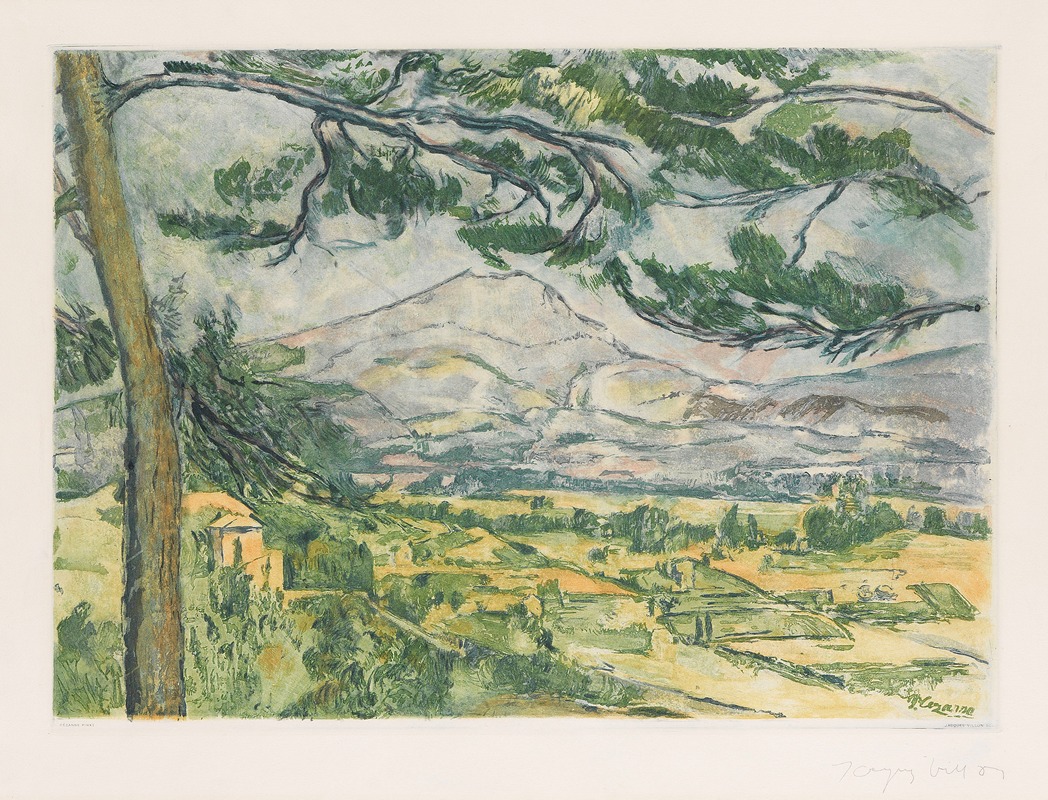
La Montagne Sainte-Victoire
Paul Cézanne
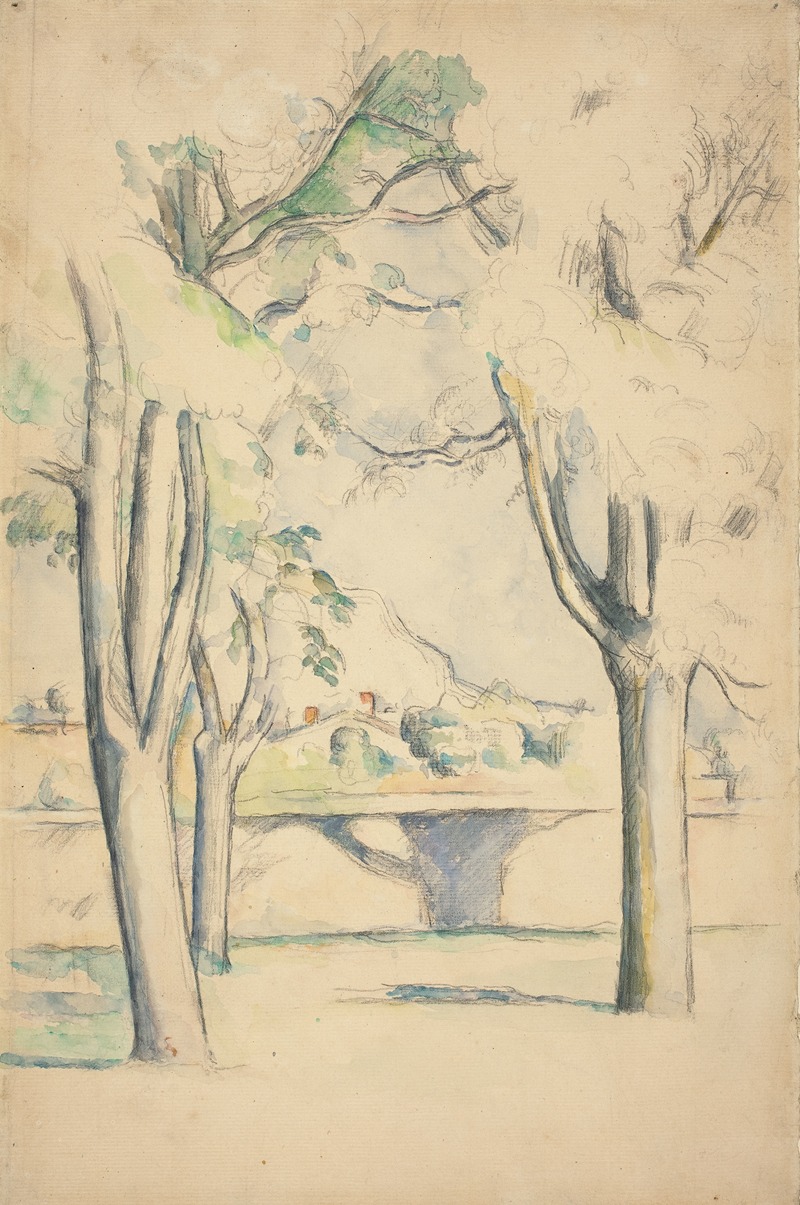
Mont Sainte-Victoire Seen beyond the Wall of the Jas de Bouffan
Paul Cézanne
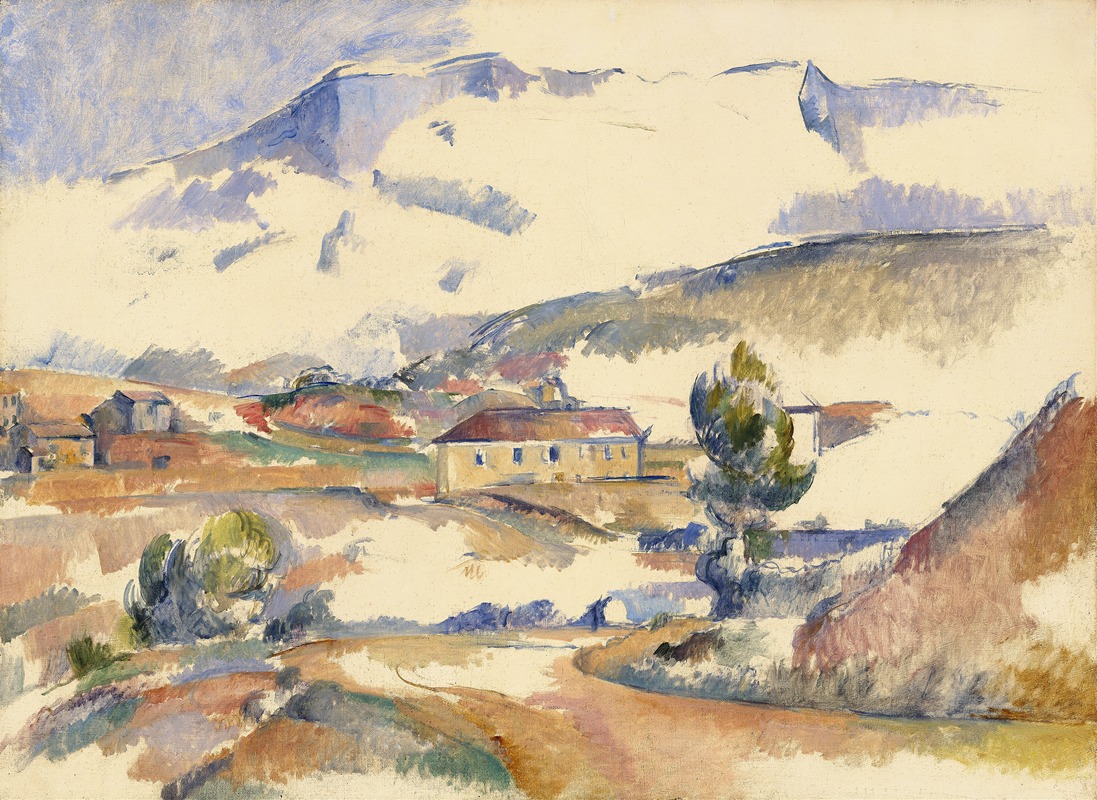
Montagne Sainte-Victoire,from near Gardanne
Paul Cézanne
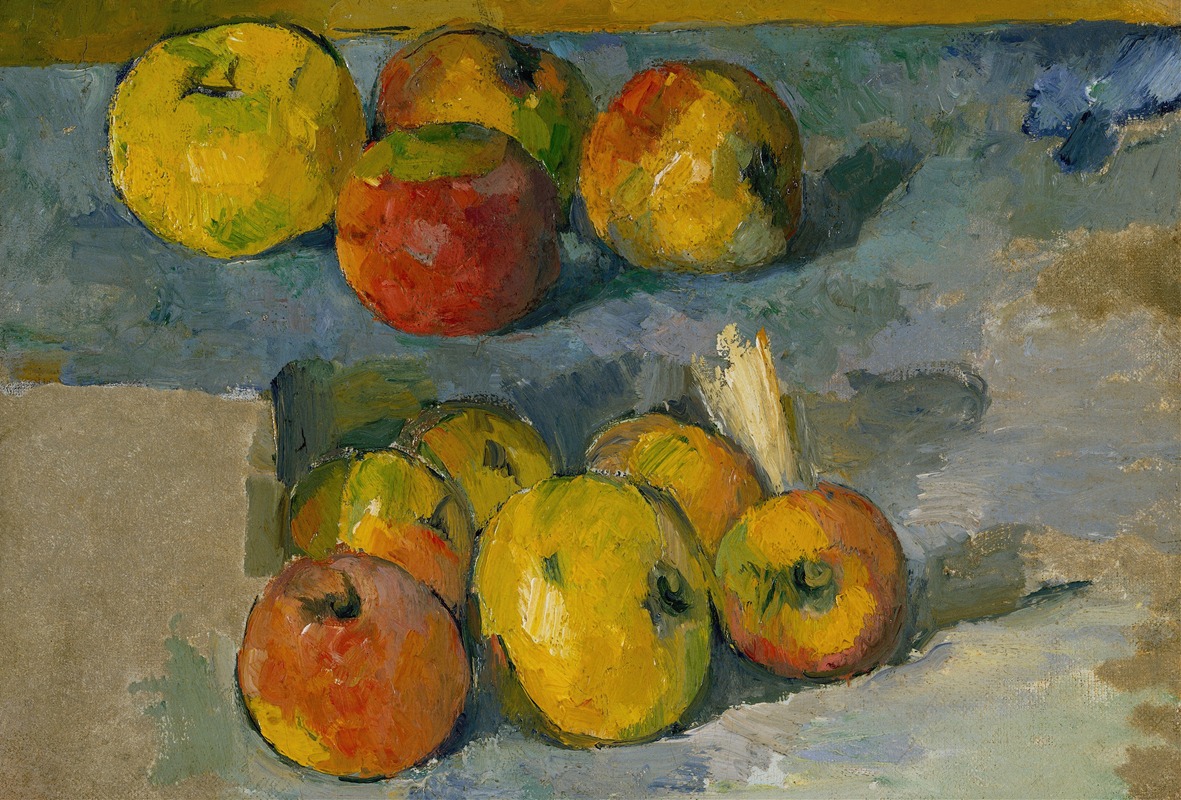
Apples
Paul Cézanne
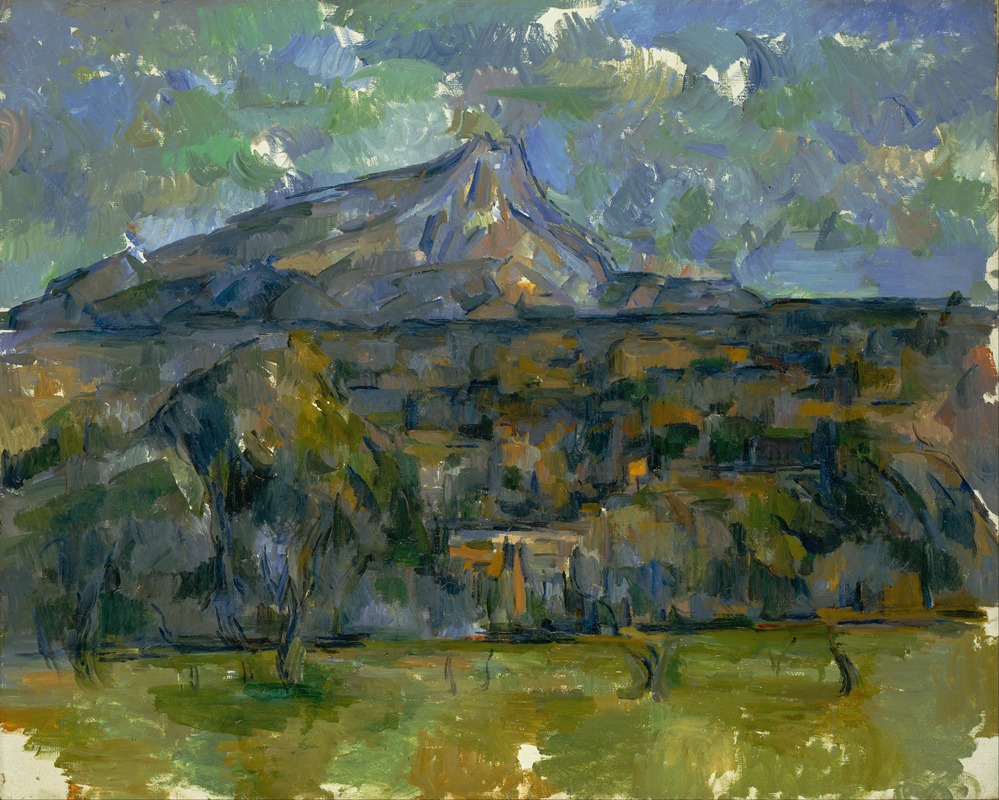
Mont Sainte-Victoire
Paul Cézanne
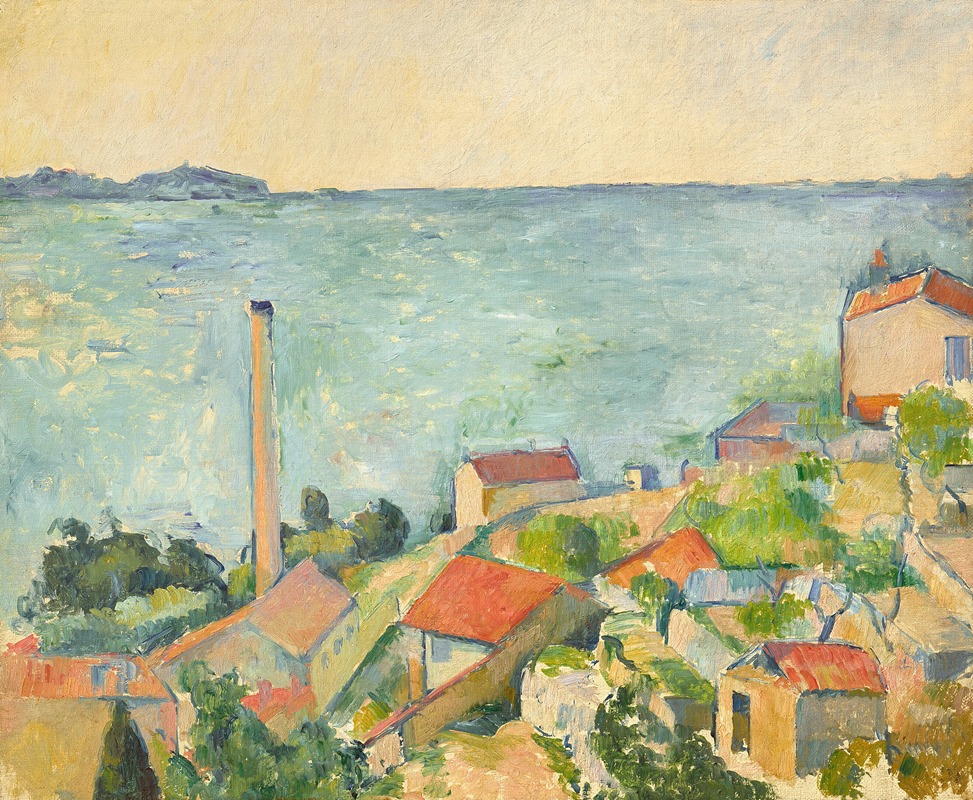
La mer à l’Estaque
Paul Cézanne
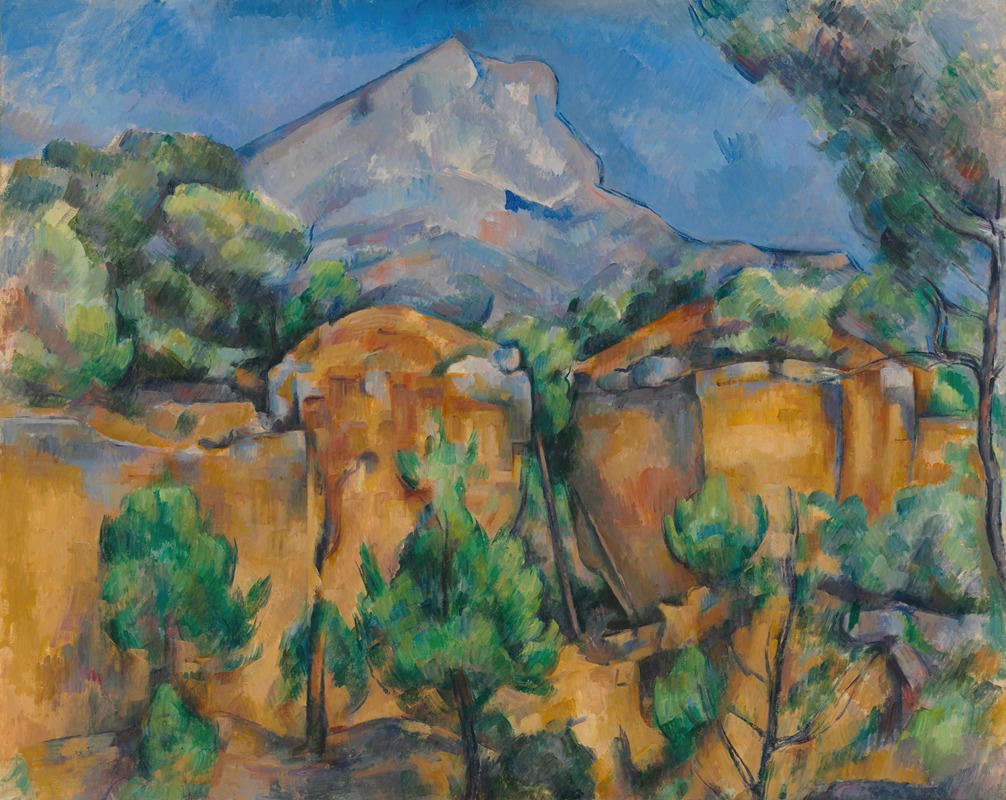
La Montagne Sainte-Victoire vue de la carrière Bibémus
Paul Cézanne
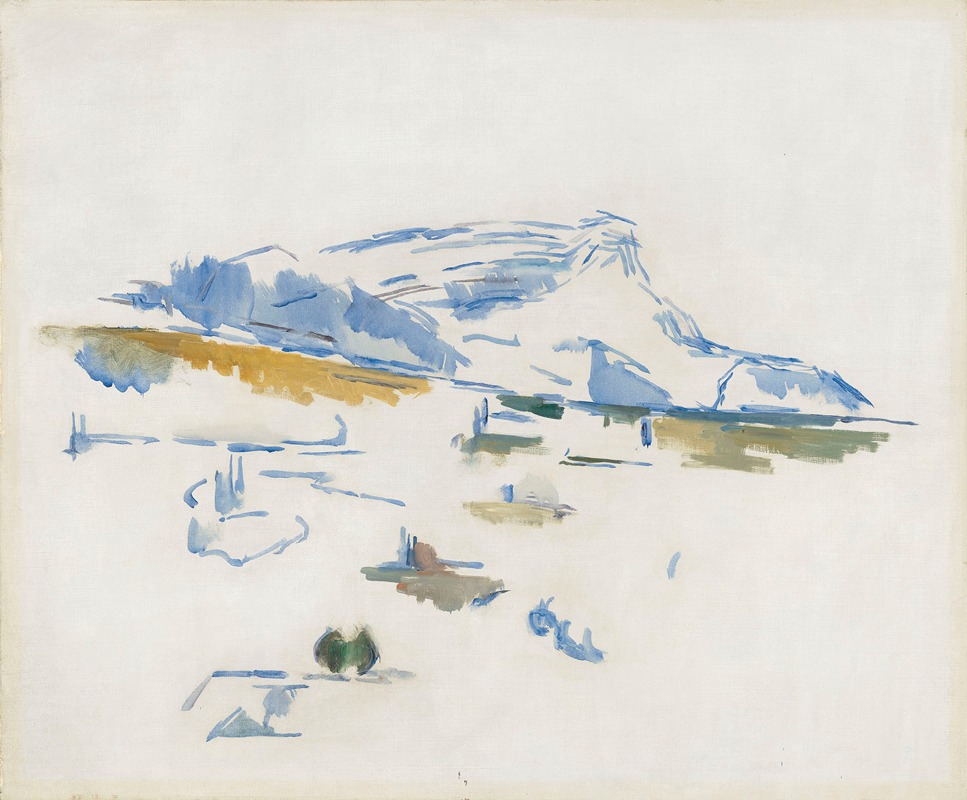
La Montagne Sainte-Victoire vue des Lauves
Paul Cézanne