
Pilatus wast zijn handen — History & Facts
Did the painter know this moment would outlive them? The act of washing away guilt is an eternal struggle, one that echoes through time and memory. Look to the center of the canvas, where Pilate stands, his hands suspended over a basin. The cool blue and white of the water contrasts starkly with the warmth of his skin, highlighting the weight of his decision. Notice how the rich browns and golds of the surrounding figures draw your eye, guiding your gaze towards the almost ghostly figure of Christ, bound in silence.
The deliberate brushstrokes create a sense of motion, as if we’ve intruded upon a moment of profound tension, where the line between justice and injustice blurs. In the background, the anxious crowd looms, their faces a tapestry of emotions—fear, anger, and desperation. The tension between Pilate’s seemingly indifferent expression and the pleading eyes of the accused reveals a deeper moral conflict, a juxtaposition of power and vulnerability. The basin itself becomes a symbol not just of cleansing, but of complicity, capturing the moment of decision that reverberates through history, leaving a haunting question: can one truly wash away responsibility? Created in 1509, this work stands as a representation of Cranach’s deep engagement with the themes of morality and authority.
Emerging from the Northern Renaissance, he was influenced by both the Reformation and humanist ideals, navigating a world where art served as both a reflection of faith and a challenge to it. During this period, Cranach sought to encapsulate complex human emotions within his compositions, making moments like Pilate's washing of hands resonate with viewers across the ages.
More Artworks by Lucas Cranach (I)
Browse all →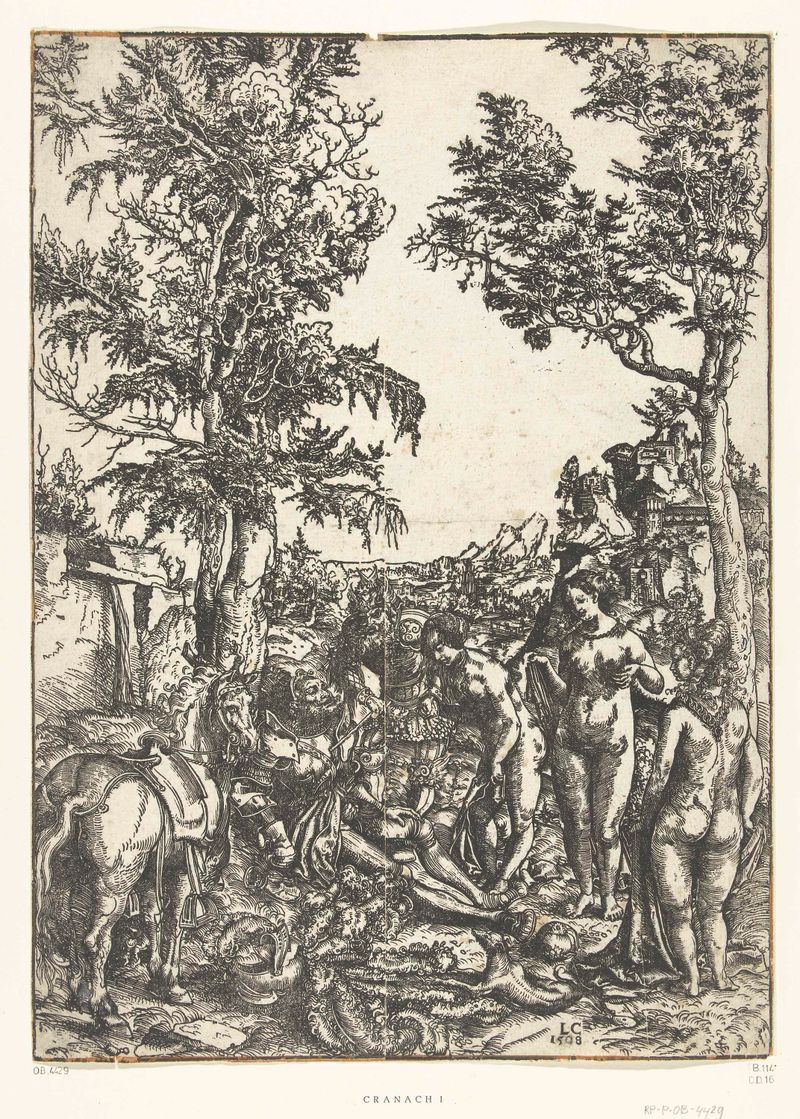
Oordeel van Paris
Lucas Cranach (I)
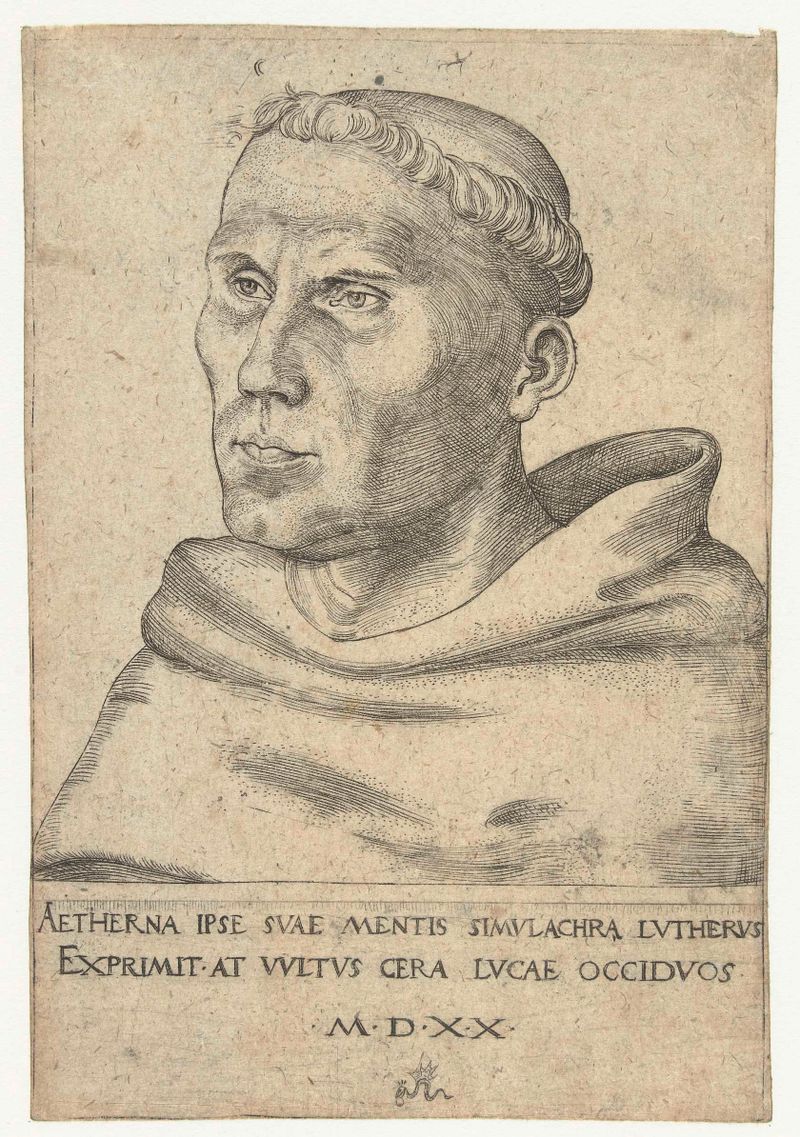
Portret van Martin Luther als Augustijner monnik
Lucas Cranach (I)
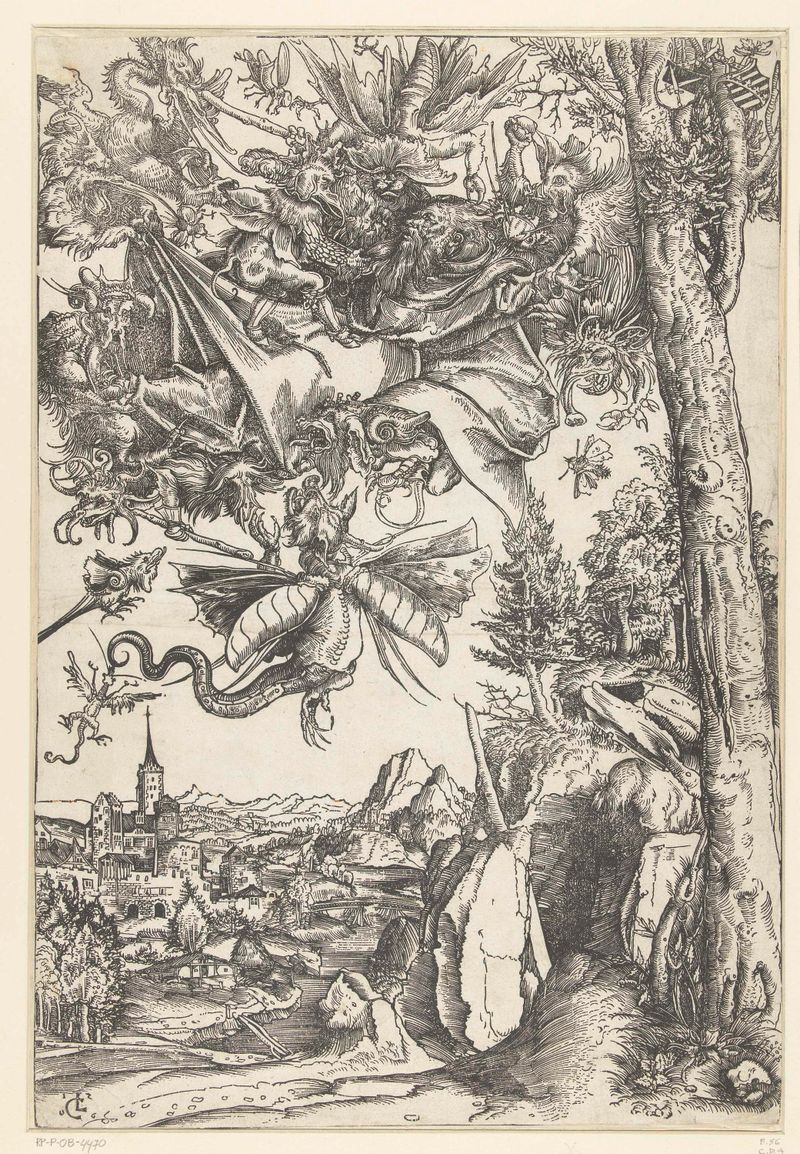
Verzoeking van Antonius met aanval door demonen
Lucas Cranach (I)

Christus en de Samaritaanse vrouw
Lucas Cranach (I)

Duits toernooi met twee edelmannen als ridders te paard
Lucas Cranach (I)
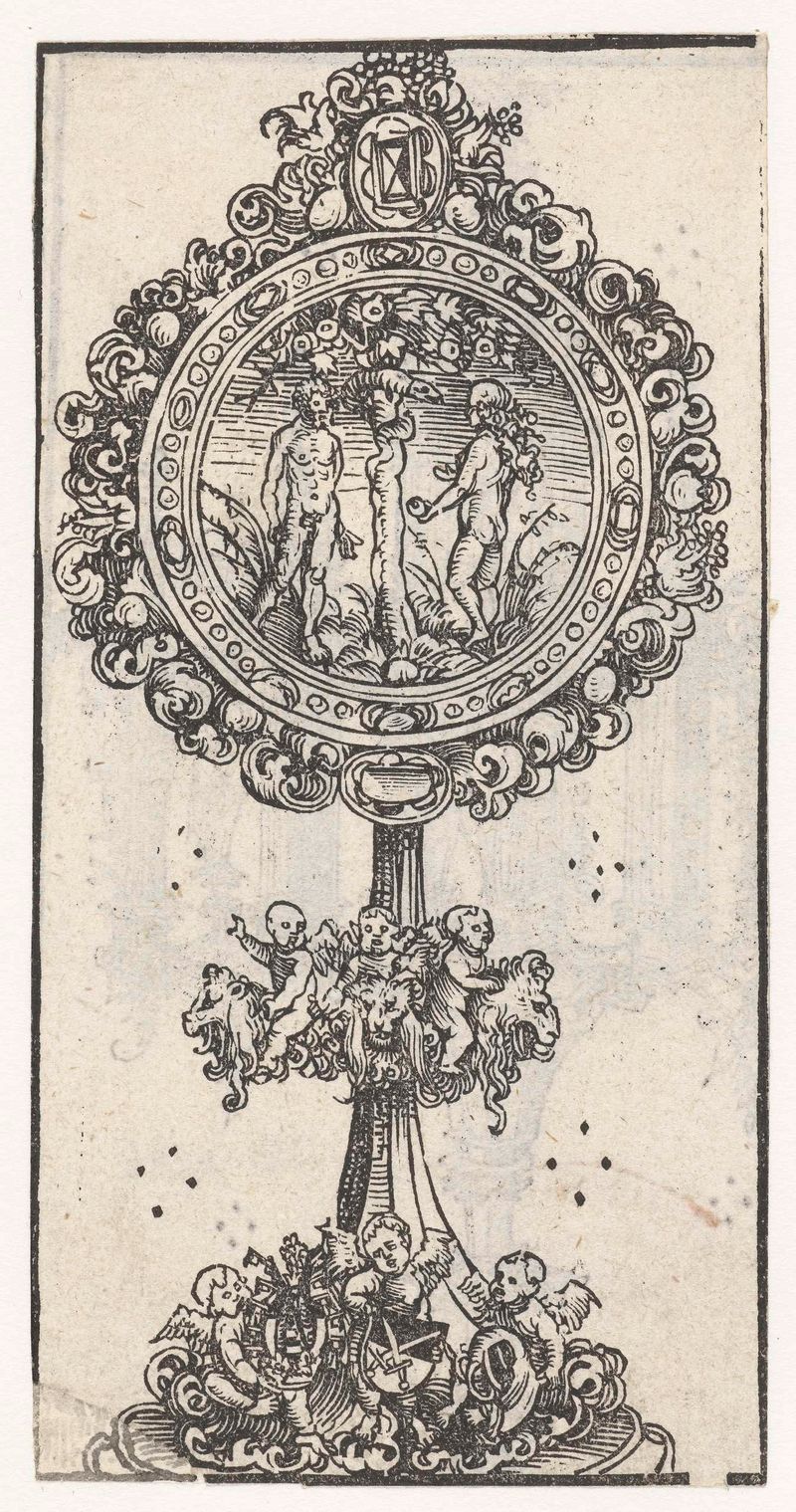
Reliekhouder met de verzoeking van Adam en Eva
Lucas Cranach (I)

Intocht van Christus in Jerusalem
Lucas Cranach (I)
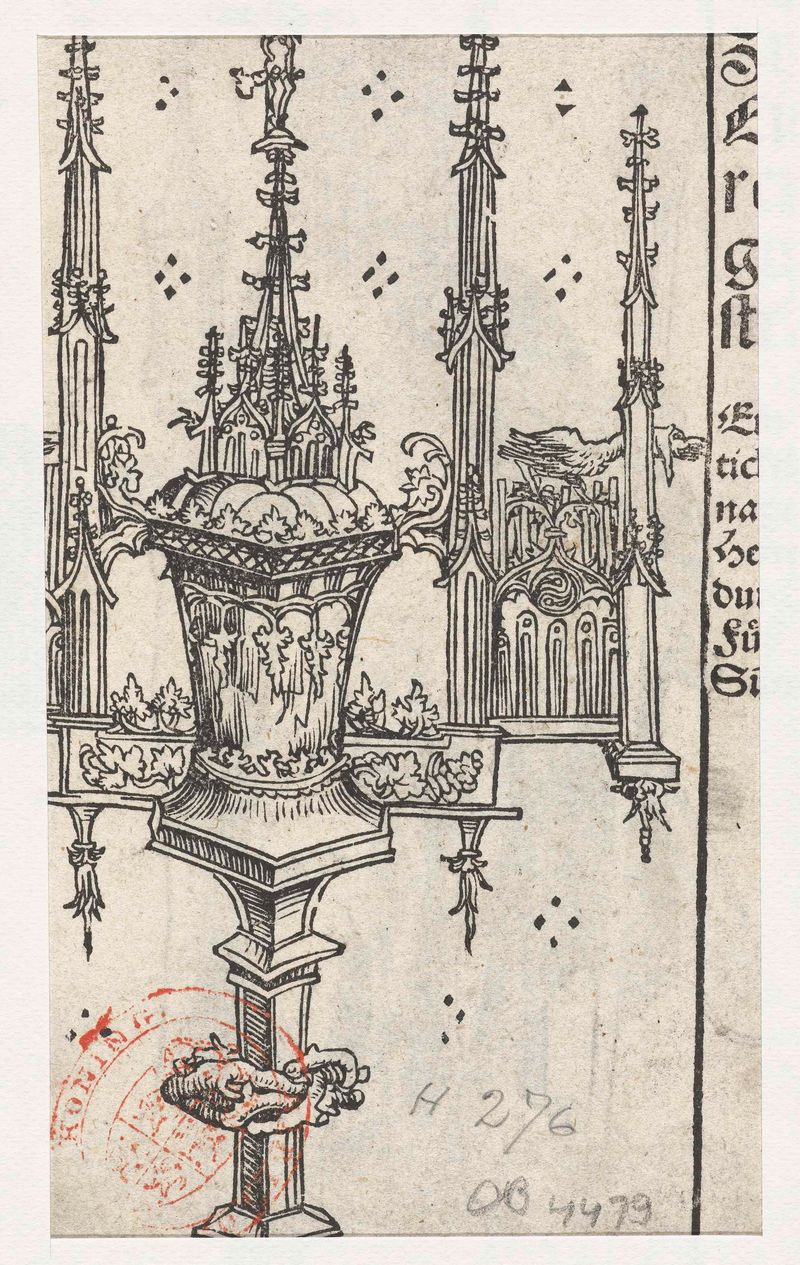
Monstrans met vogel (pelikaan)
Lucas Cranach (I)
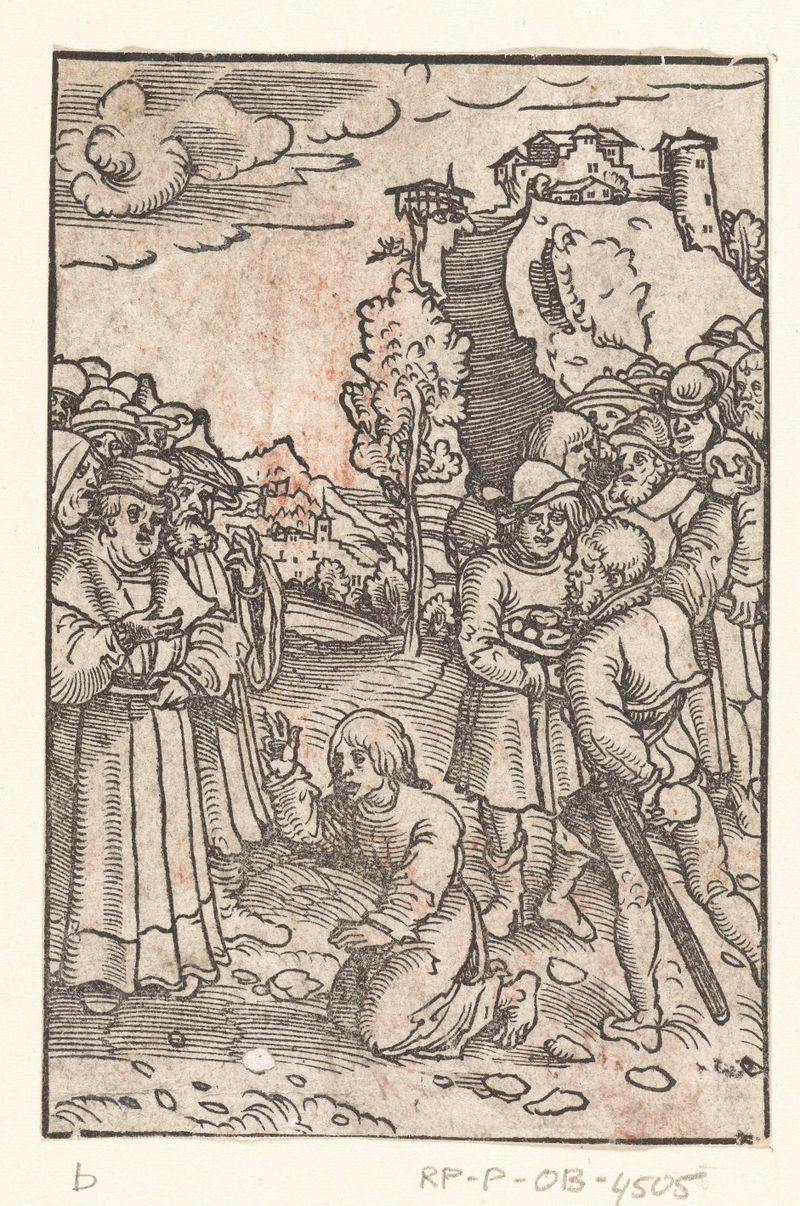
Steniging van Stefanus
Lucas Cranach (I)
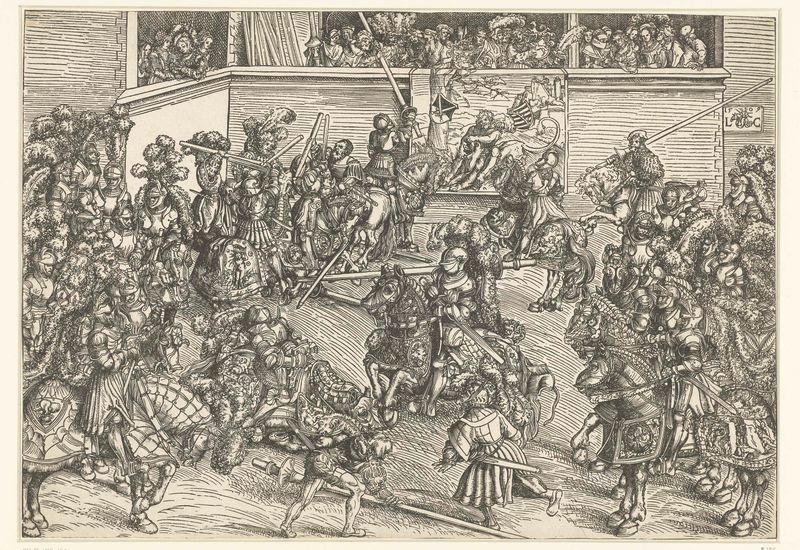
Toernooi van het keurvorstelijk hof van Saksen met wandtapijt Simson doodt de leeuw
Lucas Cranach (I)
More Religious Art
Browse all →
The Return of the Prodigal Son
Rembrandt van Rijn

The Garden of Earthly Delights
El Bosco

Count Orgaz’ funeral
El Greco

The Hundred Guilder Print: the central piece with Christ preaching, the plate arched
Rembrandt van Rijn

The Descent from the Cross
Rogier van der Weyden

The return of the prodigal son
Rembrandt van Rijn