
Pines and Pinnacles — History & Facts
Is this a mirror — or a memory? In Pines and Pinnacles, nature unfolds in a delicate equilibrium, inviting viewers to contemplate the harmony between reflection and reality. Focus on the serene lake at the center, where the water's surface perfectly mirrors the towering pines and rugged peaks surrounding it. Notice how the vibrant greens and subtle browns of the trees contrast with the deep azure of the sky, creating a balanced palette that draws the eye in. Haskell’s meticulous brushwork captures the texture of the foliage, while his use of light plays across the scene, highlighting the interplay between the solid forms of the landscape and their ethereal reflections. Delve deeper into the composition, and you'll find a tension between the permanence of the mountains and the fluidity of the water.
Each element speaks to a fleeting moment in time, as the mirror-like lake suggests transience amid the seemingly eternal landscape. The juxtaposition of strong verticals from the pines against the horizontal stretch of the lake evokes a sense of groundedness, yet invites introspection about the nature of existence itself. Painted between 1900 and 1925, this piece emerged during a period of great transformation in American art, as artists sought to define their identity in a rapidly changing world. Haskell was part of a movement that embraced naturalism and sought to capture the sublime beauty of the American landscape, reflecting both personal experience and broader cultural shifts.
The quiet strength of Pines and Pinnacles stands as a testament to this era, resonating with timelessness and balance.
More Artworks by Ernest Haskell
Browse all →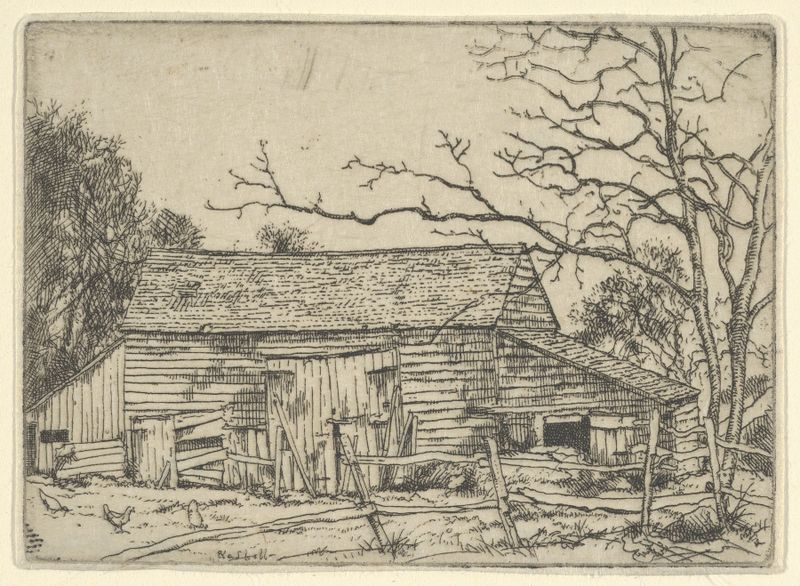
The Barn–Staten Island, N.Y.
Ernest Haskell

Four Live Oaks
Ernest Haskell
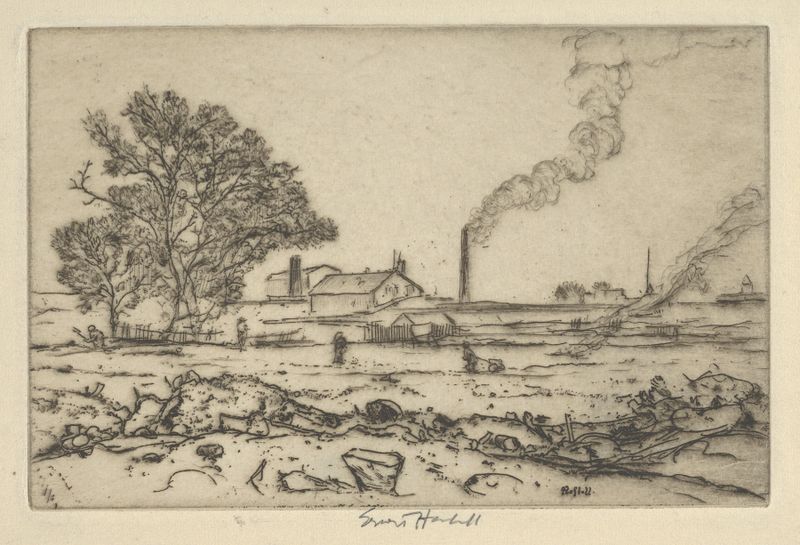
Outskirts of Boston
Ernest Haskell
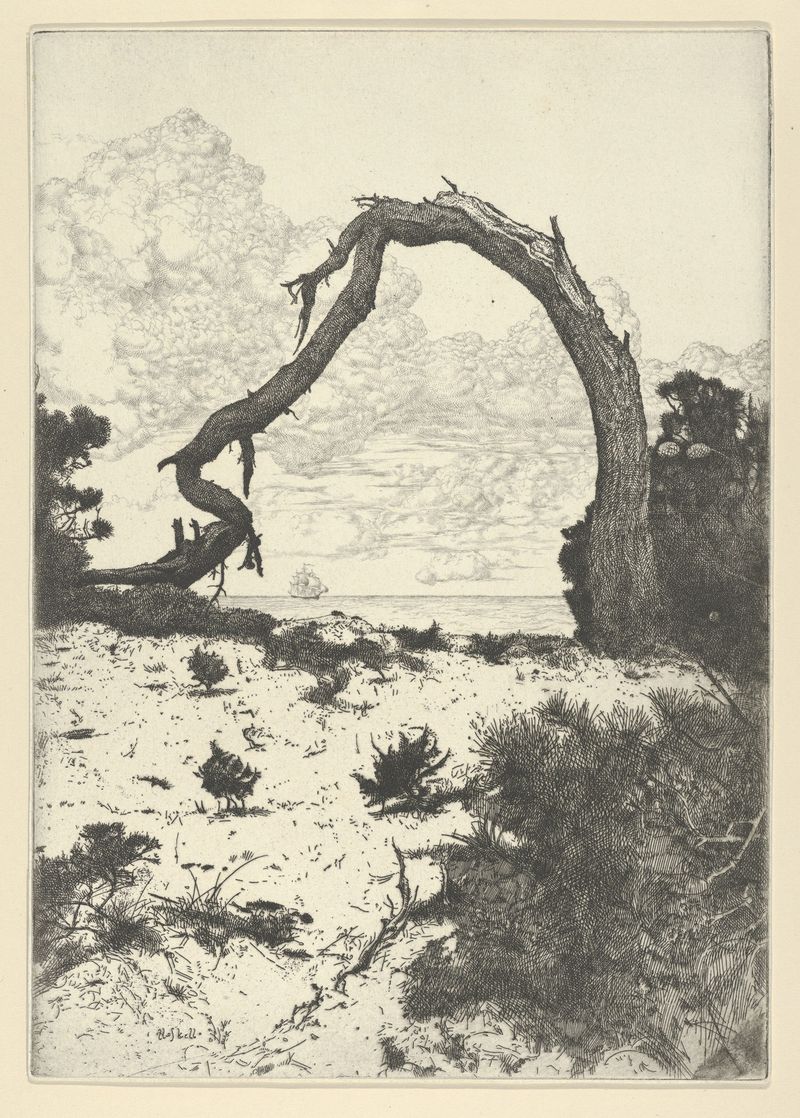
Pine Arch
Ernest Haskell

General Sherman
Ernest Haskell
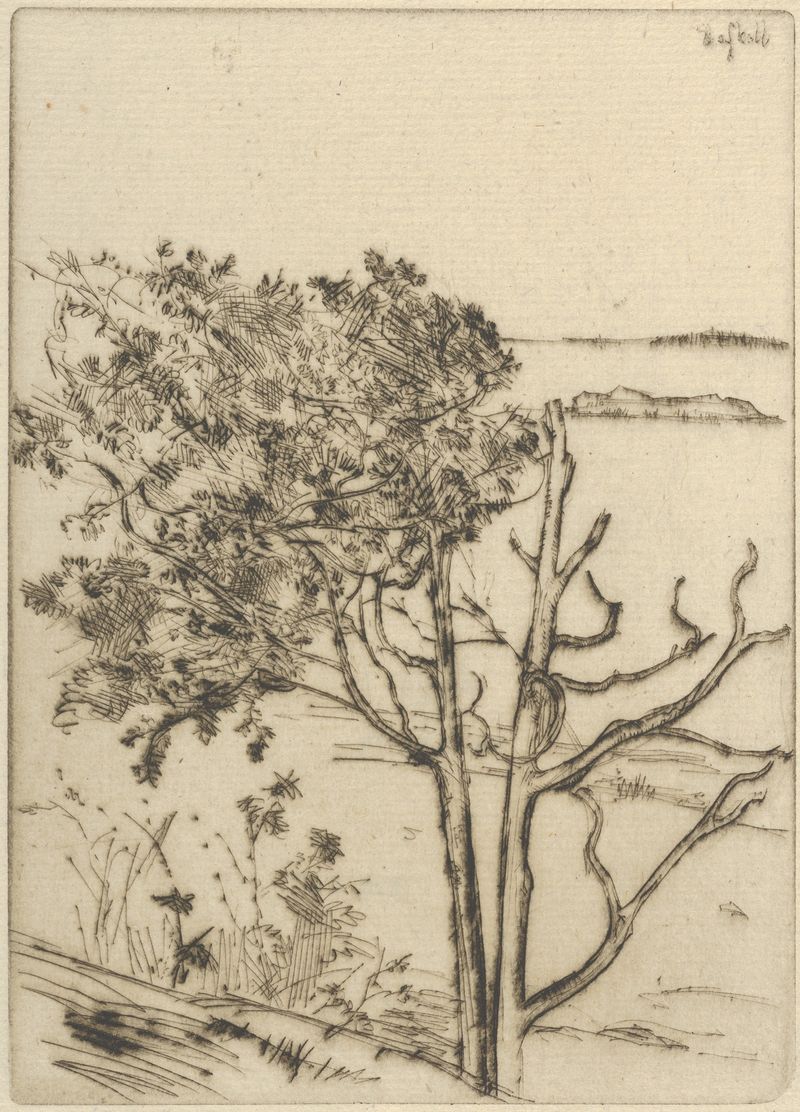
Ragged Tree – Maine
Ernest Haskell

Tide Mill
Ernest Haskell

Ship Building
Ernest Haskell
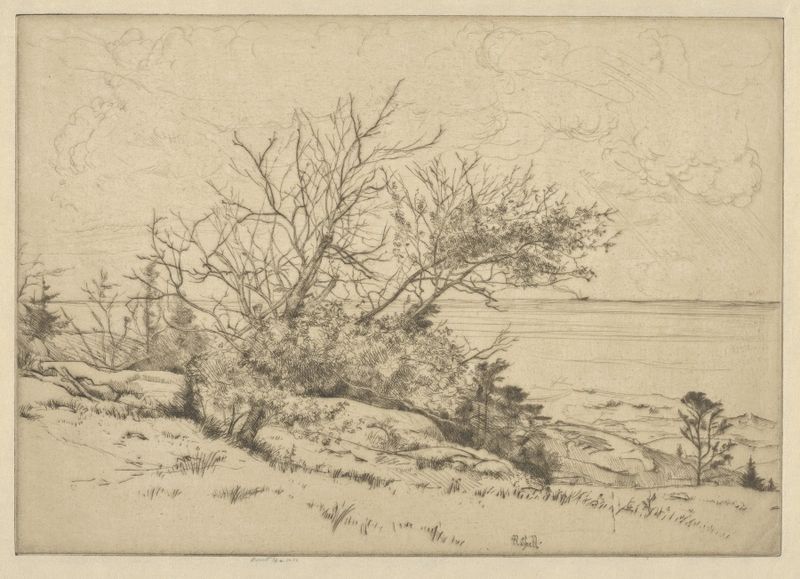
To the Southward – Ragged Island, Me.
Ernest Haskell
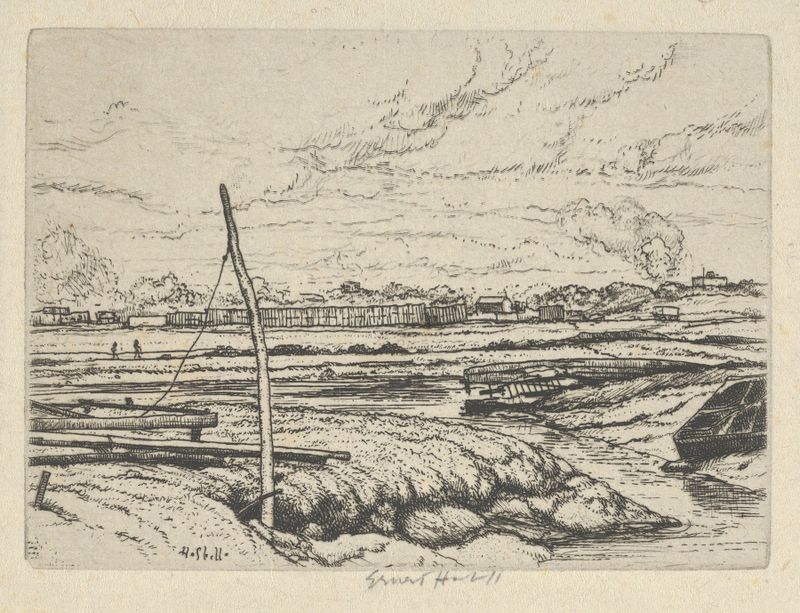
Long Island Marshes
Ernest Haskell





