
Pines at Połąga — History & Facts
What if silence could speak through light? In Pines at Połąga, the stillness of the forest whispers the secrets of nature, inviting contemplation and reflection amidst a backdrop of revolution. Look to the left at the towering pines, their trunks rising like ancient sentinels. Notice how the light filters through the branches, casting a dappled pattern on the forest floor that captures the essence of time passing slowly. The palette, composed of deep greens and soft browns, creates a harmonious blend with the occasional burst of sunlight that links the earth to the sky, evoking a sense of calm and grounding. Yet beneath this tranquil surface lies a tension between stillness and change.
The textured brushwork suggests a moment frozen in time, while the vibrant play of light hints at the underlying energy of life present in nature. Each pine tree stands as a solitary figure, embodying resilience in the face of transformation—a metaphor for the broader shifts occurring in society during the early 20th century. The painting captures not only the beauty of the landscape but also the stirring emotions of an era on the cusp of significant upheaval. Created between 1906 and 1910, Pines at Połąga emerged during a time of personal and artistic exploration for the painter.
Wyczółkowski was heavily influenced by his surroundings in Poland, reflecting the natural beauty he encountered. This period was marked by a growing sense of national identity and artistic independence, as Poland was grappling with political changes and a quest for cultural renewal in a rapidly evolving world.
More Artworks by Leon Wyczółkowski
Browse all →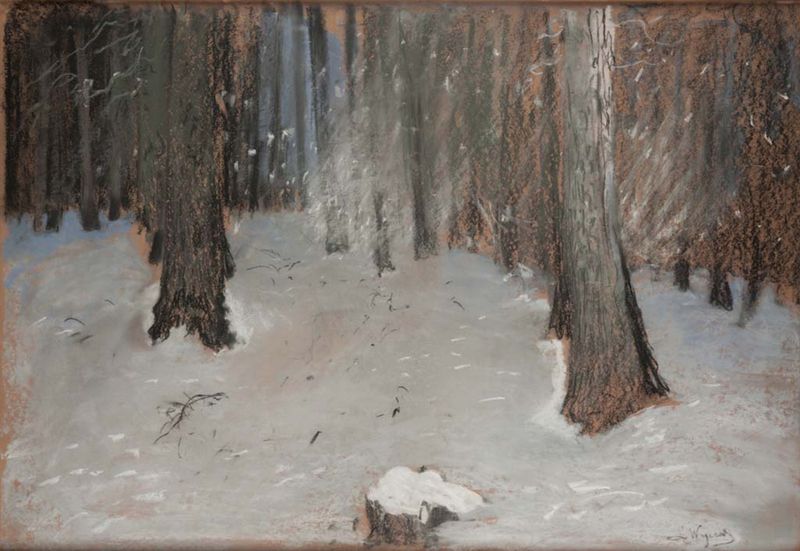
Las zimą
Leon Wyczółkowski
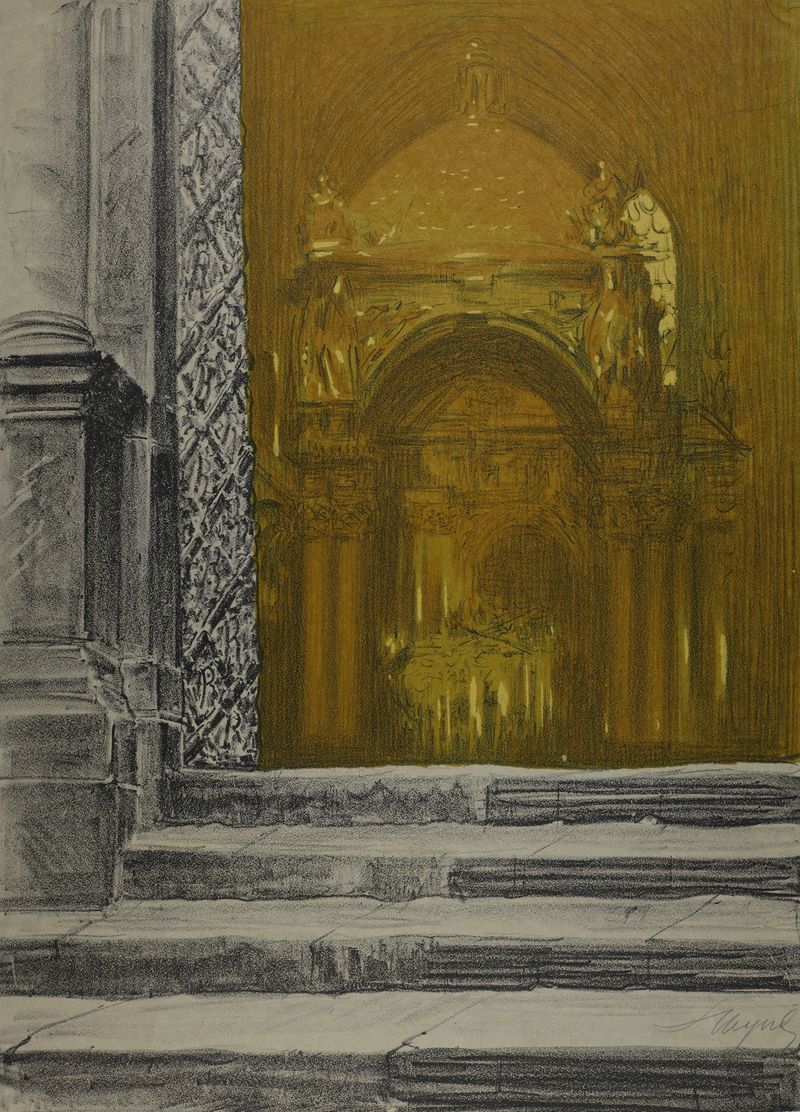
Saint Stanislaus
Leon Wyczółkowski
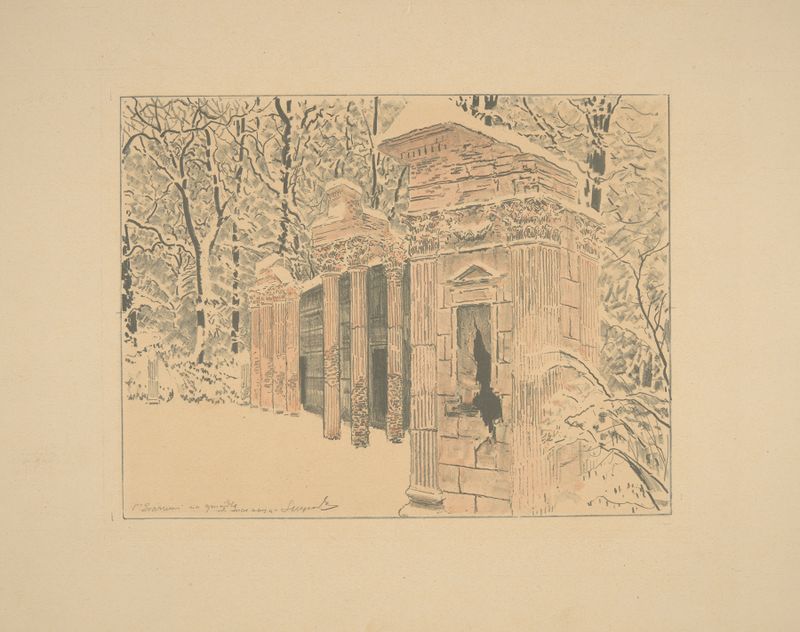
Amfiteatr w Łazienkach pod śniegiem (strona prawa)
Leon Wyczółkowski
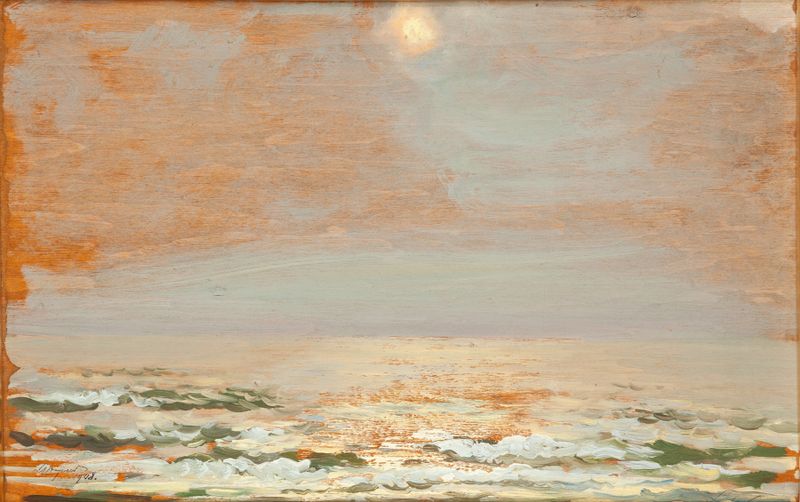
Sea at Połąga IV
Leon Wyczółkowski
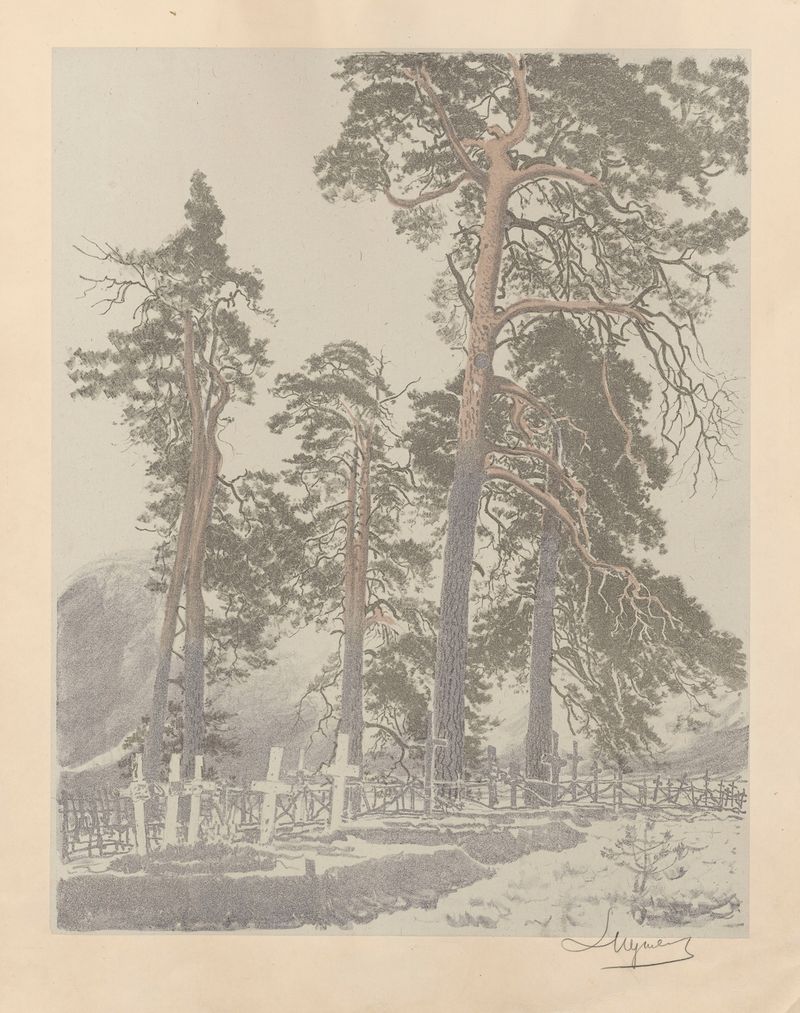
Cemetery in Vowchick
Leon Wyczółkowski
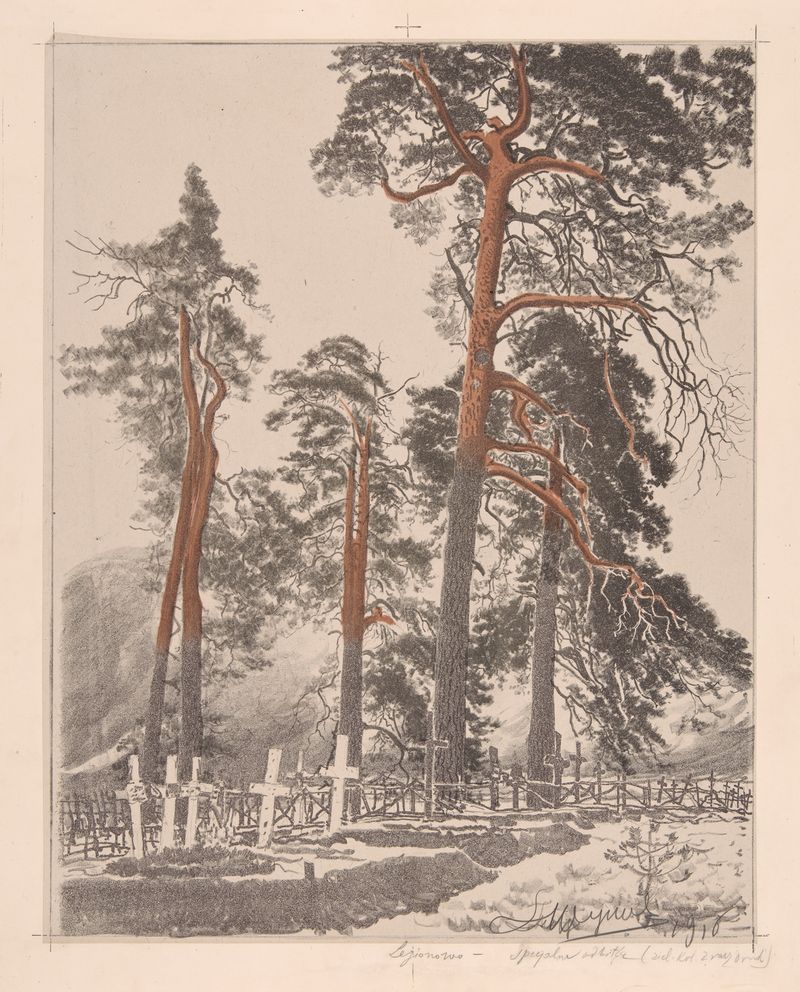
The Wołczecko cemetery
Leon Wyczółkowski
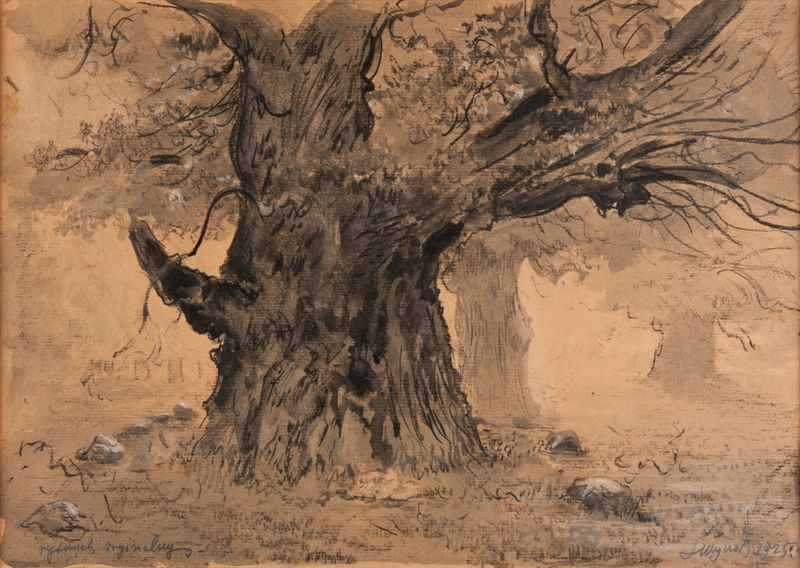
Rogalin Oaks
Leon Wyczółkowski
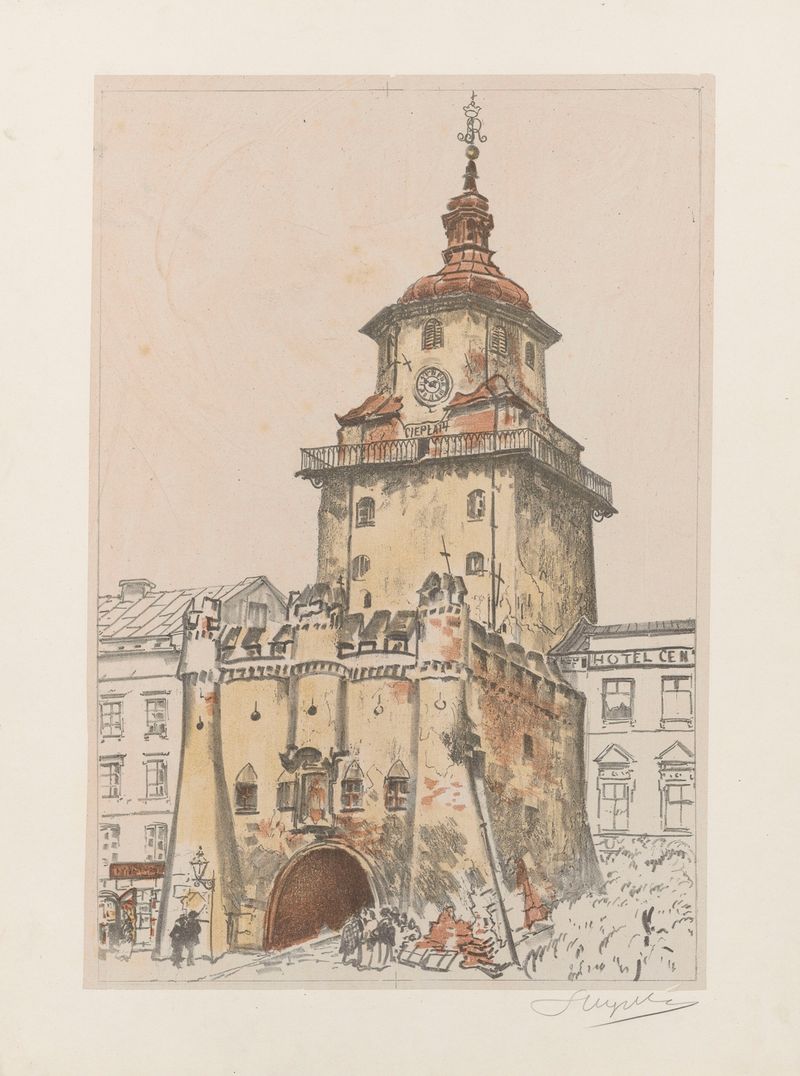
The Krakow Gate in Lublin, in summer
Leon Wyczółkowski
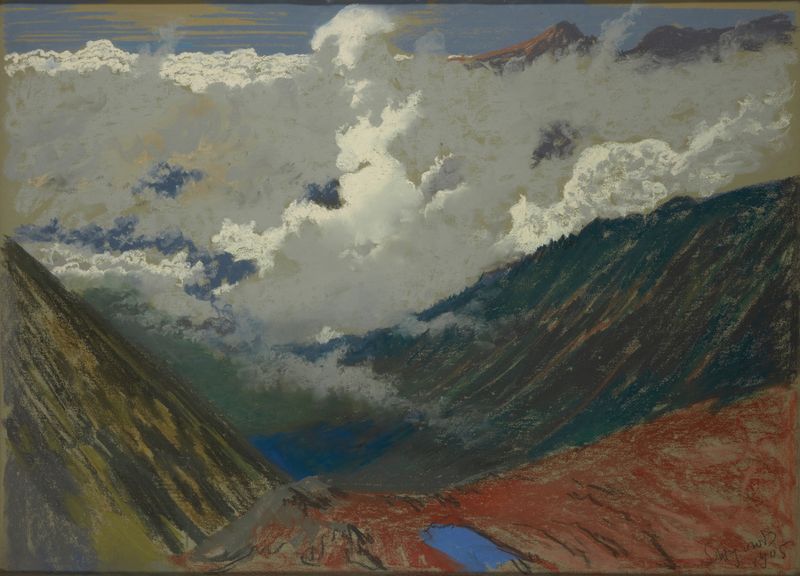
U Wrót Chałubińskiego
Leon Wyczółkowski
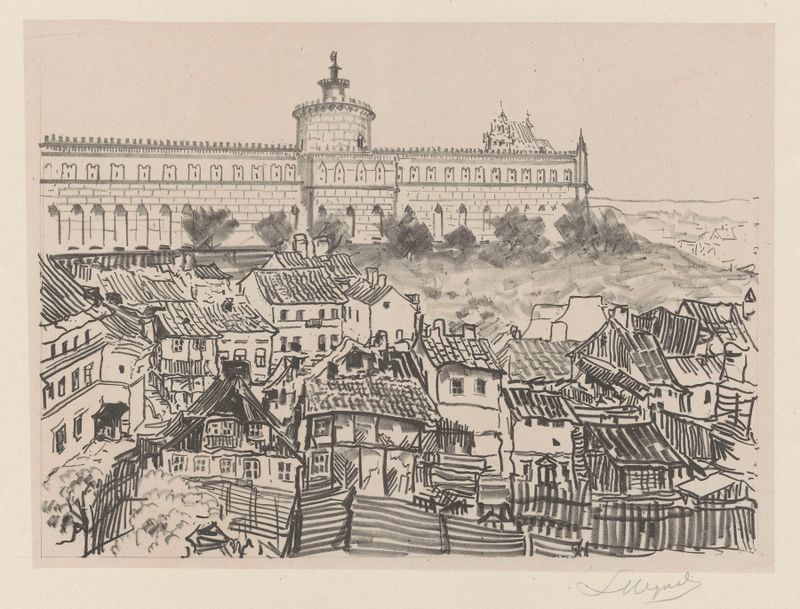
Castle and the Jewish quarter
Leon Wyczółkowski





