
Pitbull Terrier — History & Facts
What catches the eye first in Pitbull Terrier by Moriz Jung is the dog's stance—alert, square, and almost comically dignified, as if it’s been caught mid-inspection of its domain. The artist’s use of bold, black lines gives the terrier a sculptural solidity, while the ruffled collar adds a touch of theatricality, hinting at the animal’s status or perhaps its owner’s pride. Behind the dog, a stylized wall rendered in warm orange tones and dotted patterns suggests both the urban setting and the playful spirit of early twentieth-century printmaking.
Every contour and shadow on the dog’s body is carefully considered, lending a sense of volume and presence that stands in sharp contrast to the flat, decorative background. The terrier’s expression—watchful, a little skeptical—invites the viewer to wonder what, or whom, it is guarding. Created in 1912, this print belongs to a world where graphic art was undergoing rapid transformation, fueled by the energy of the Viennese Secession and the broader currents of modernism. Artists like Moriz Jung were experimenting with bold outlines, flattened forms, and decorative motifs, often for posters, book illustrations, or playful prints such as this one.
The date places the work at a moment when the boundaries between fine art and commercial design were dissolving, and the dog—an everyday subject—becomes a vehicle for style and wit. Little is recorded about the journey of this particular print, now part of the Metropolitan Museum of Art’s collection, but its crisp lines and lively character speak directly to the optimism and inventiveness of its era. Stand before it, and you can almost hear the city beyond the wall, alive with possibility.
More Artworks by Moriz Jung
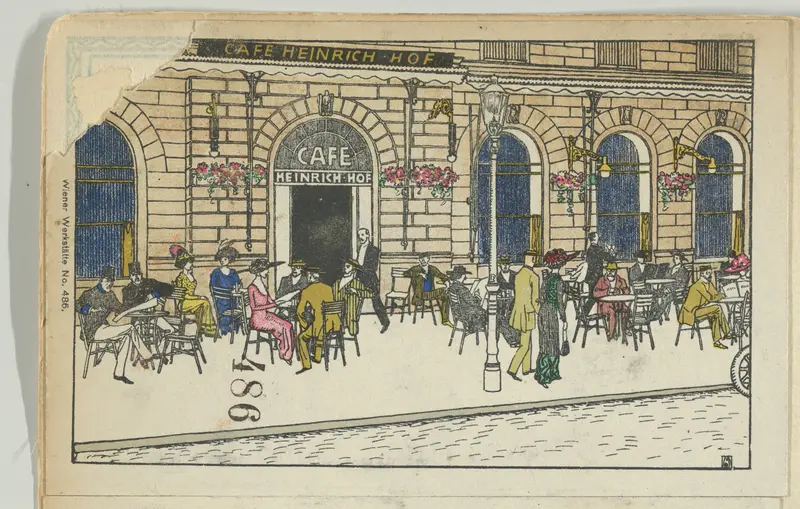
Café Heinrichhof
Moriz Jung

Moriz Jung Porträt
Moriz Jung
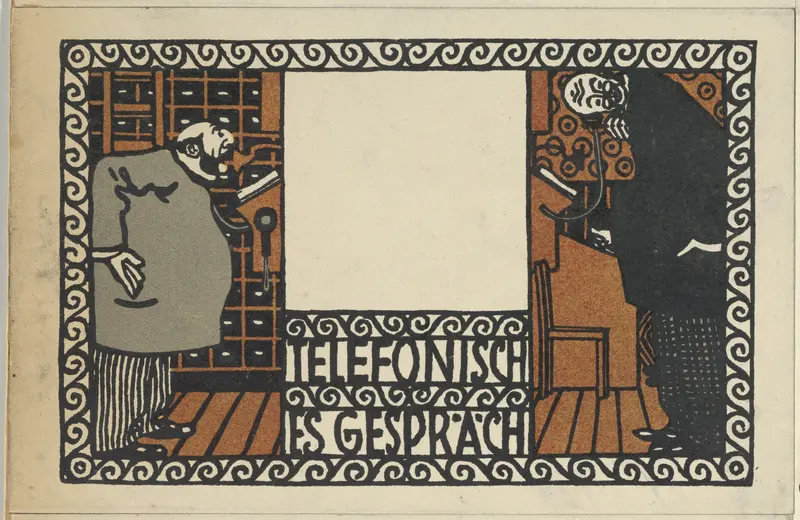
Telephone Conversation (Telefonisches Gespräch)
Moriz Jung
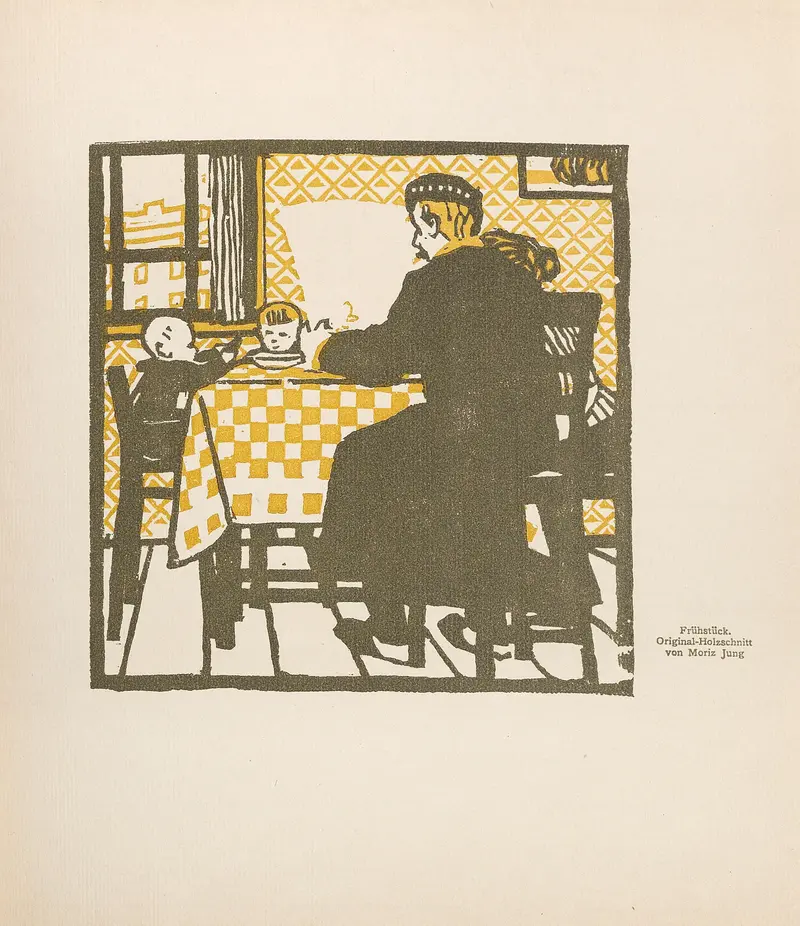
Moriz Jung Frühstück
Moriz Jung
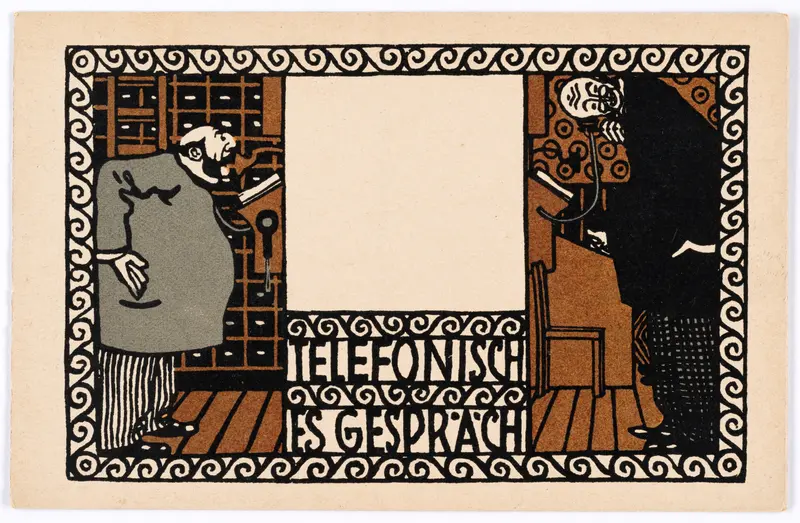
Postkarte der Wiener Werkstätte Nr. 58 - Telefonisches Gespräch
Moriz Jung
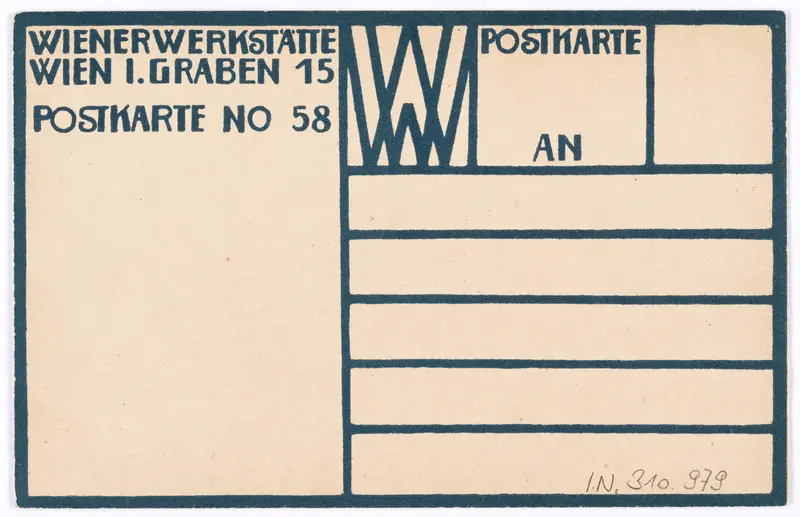
Postkarte der Wiener Werkstätte Nr. 58 - Telefonisches Gespräch - verso
Moriz Jung
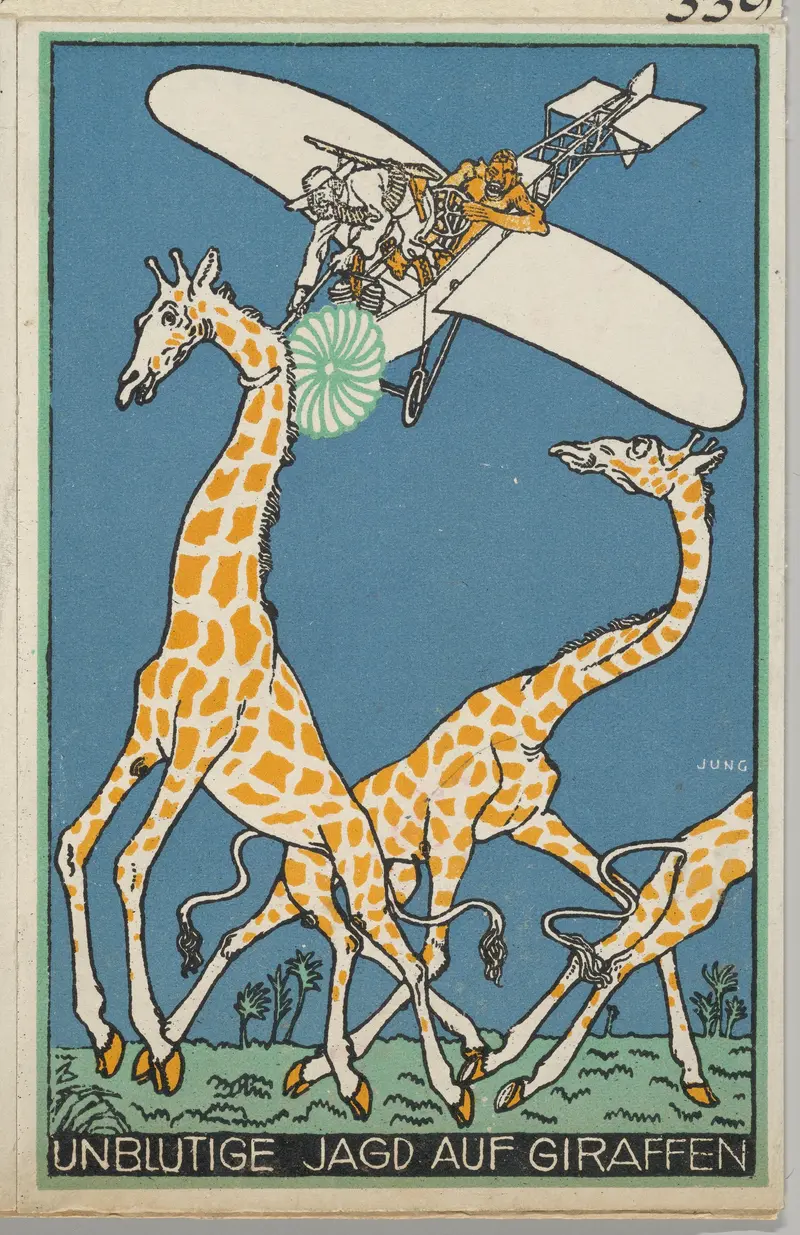
Bloodless Giraffe Hunt (Unblutige Jagd auf Giraffen)
Moriz Jung
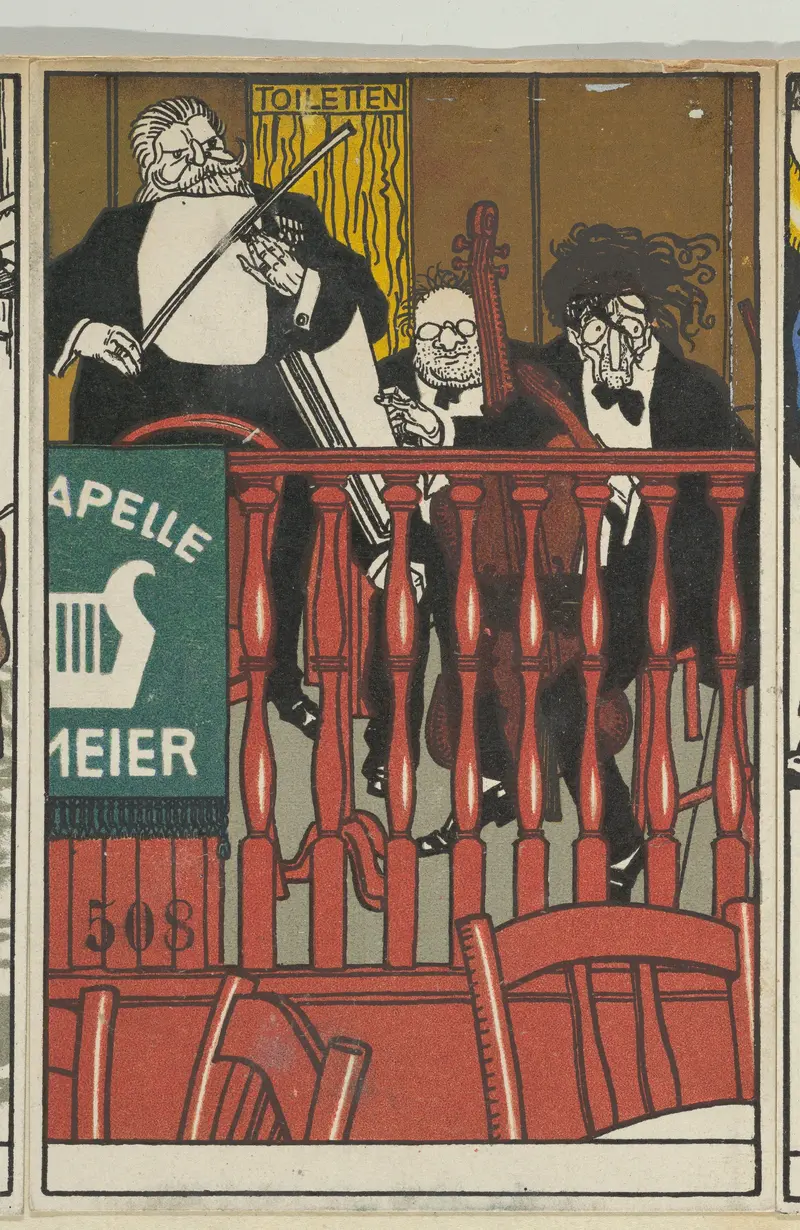
Salon Orchestra Meier
Moriz Jung
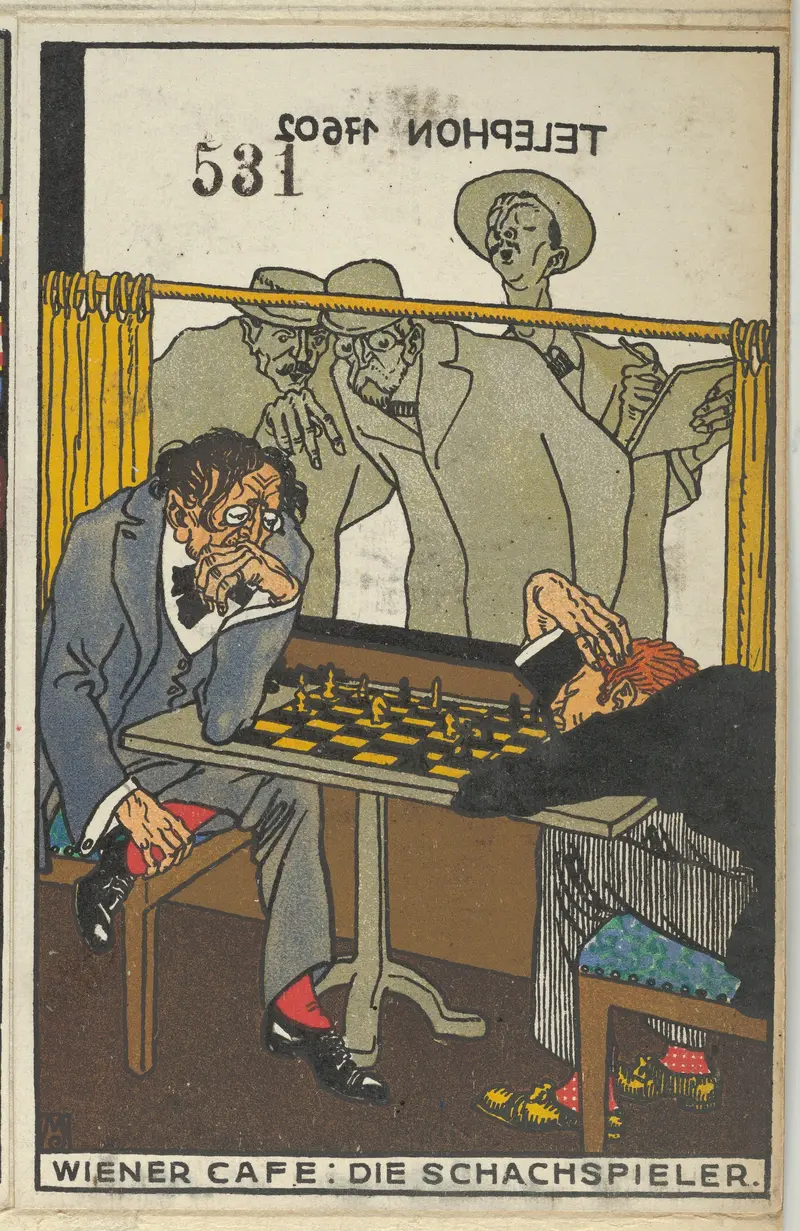
Wiener Café: Die Schachspieler
Moriz Jung
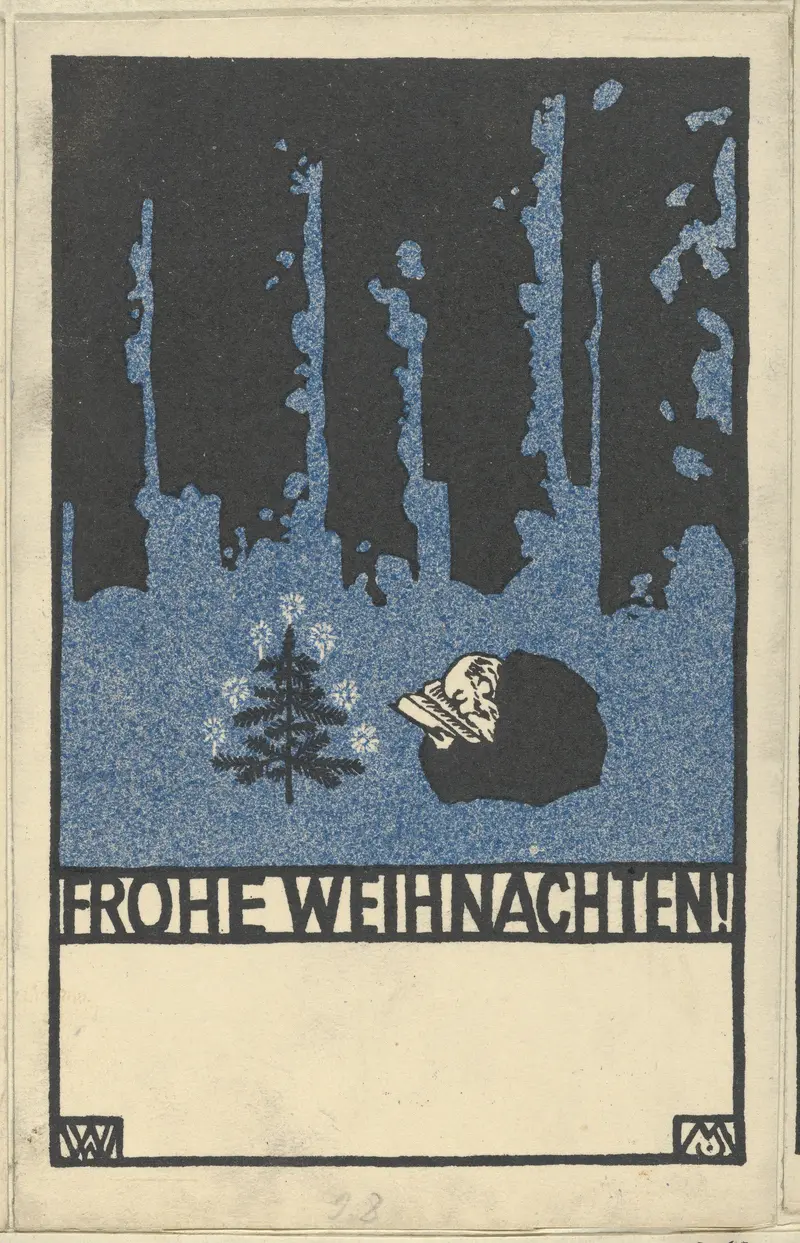
Merry Christmas! (Frohe Weihnachten!)
Moriz Jung





