
Moriz Jung Frühstück — History & Facts
What first catches the eye in Frühstück by Moriz Jung is the bold geometry that both contains and animates the scene. A family—mother and two children—gathers around a breakfast table, their forms rendered in thick, black outlines and set against a backdrop of golden, repeating patterns. The checkered tablecloth and wallpaper seem almost to vibrate, echoing the rhythm of daily life and drawing the viewer into the intimacy of this domestic ritual.
The mother’s gentle lean toward her children, the simple cup in her hand, and the way the window frames the world outside—all these elements create a sense of quiet, everyday ceremony, where the ordinary becomes quietly significant. Created in 1903 for the Viennese publication Ver Sacrum, this work is a window onto the world of the Vienna Secession, where artists like Moriz Jung sought to break away from academic tradition and embrace the decorative, the modern, the direct. Such woodcuts were not grand commissions but rather democratic art, meant for magazines and the walls of ordinary homes, reflecting a time when artists believed beauty and design should reach everyone. History has kept few traces of Jung’s individual works, but in this print, the energy of turn-of-the-century Vienna—its hunger for new forms, its reverence for the domestic—remains alive.
Look again at the interplay of pattern and silhouette: it is here that the era’s ideals and the artist’s hand meet.
More Artworks by Moriz Jung
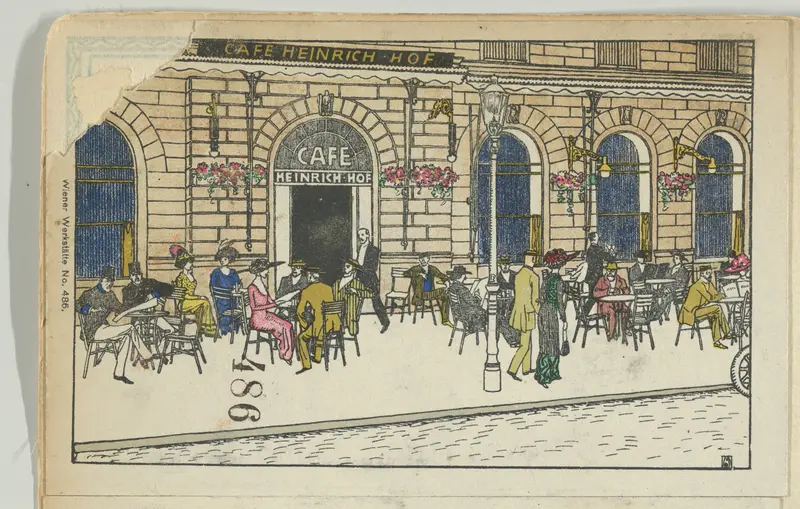
Café Heinrichhof
Moriz Jung

Moriz Jung Porträt
Moriz Jung
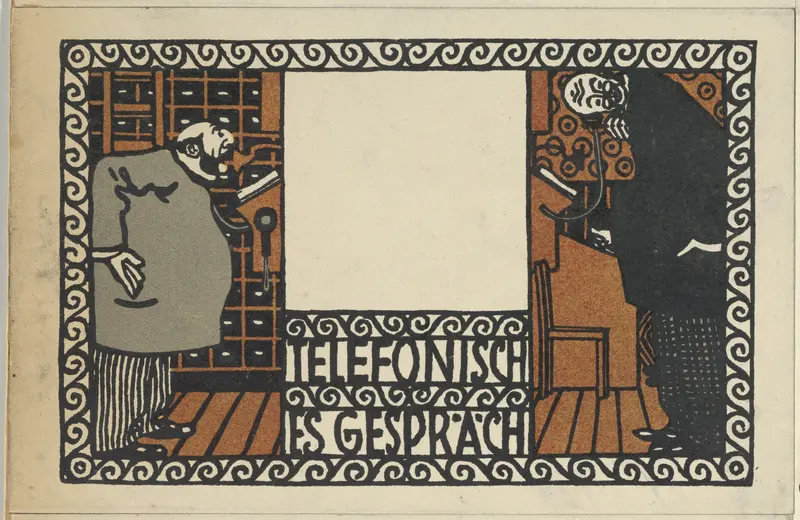
Telephone Conversation (Telefonisches Gespräch)
Moriz Jung
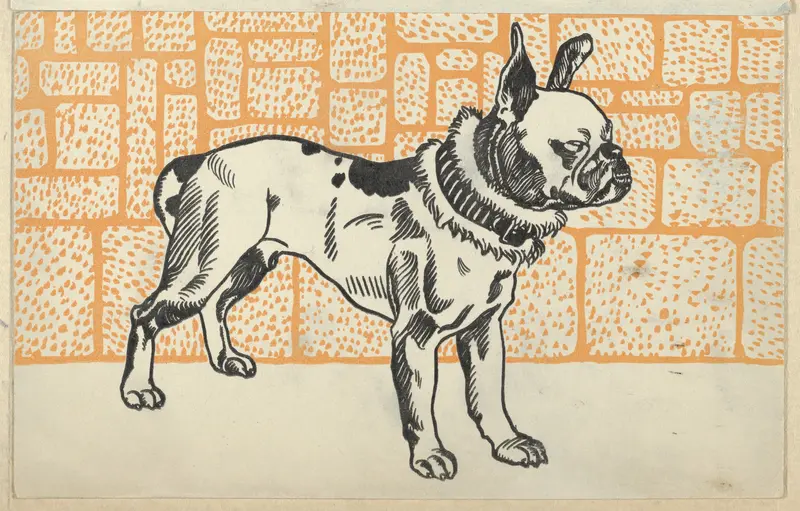
Pitbull Terrier
Moriz Jung
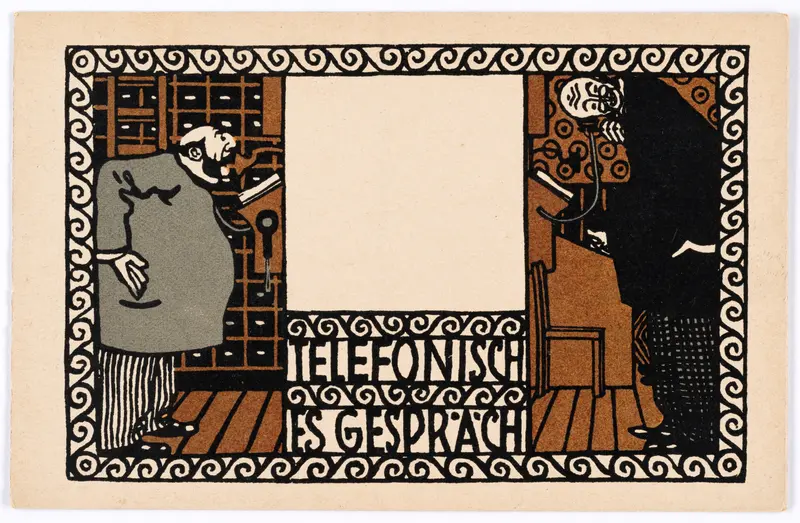
Postkarte der Wiener Werkstätte Nr. 58 - Telefonisches Gespräch
Moriz Jung
Postkarte der Wiener Werkstätte Nr. 58 - Telefonisches Gespräch - verso
Moriz Jung
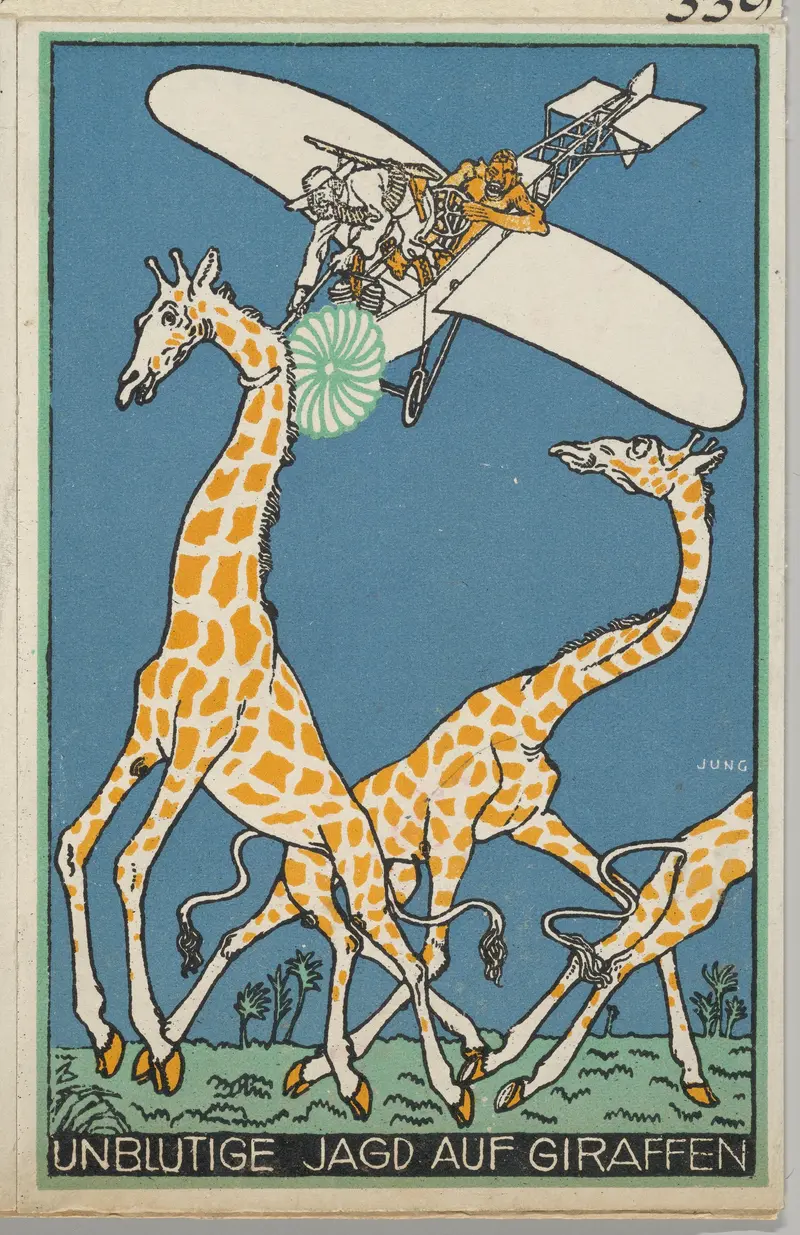
Bloodless Giraffe Hunt (Unblutige Jagd auf Giraffen)
Moriz Jung
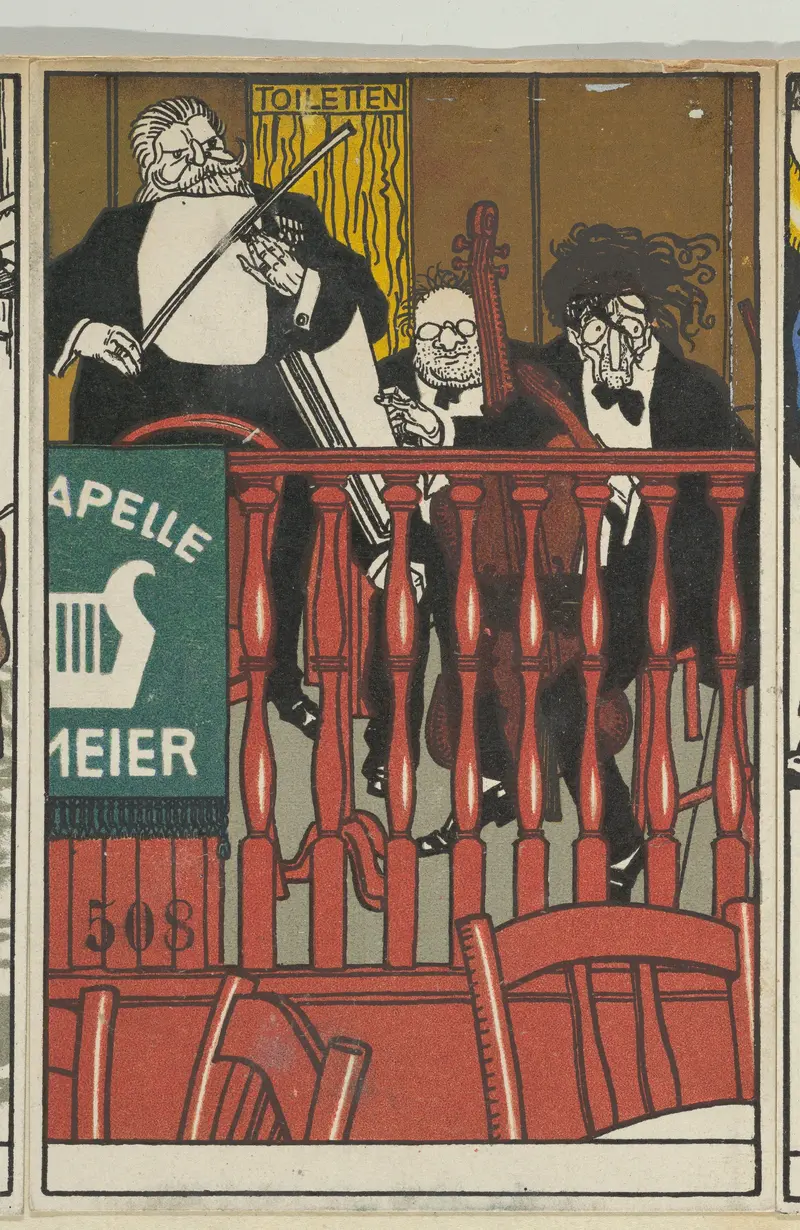
Salon Orchestra Meier
Moriz Jung
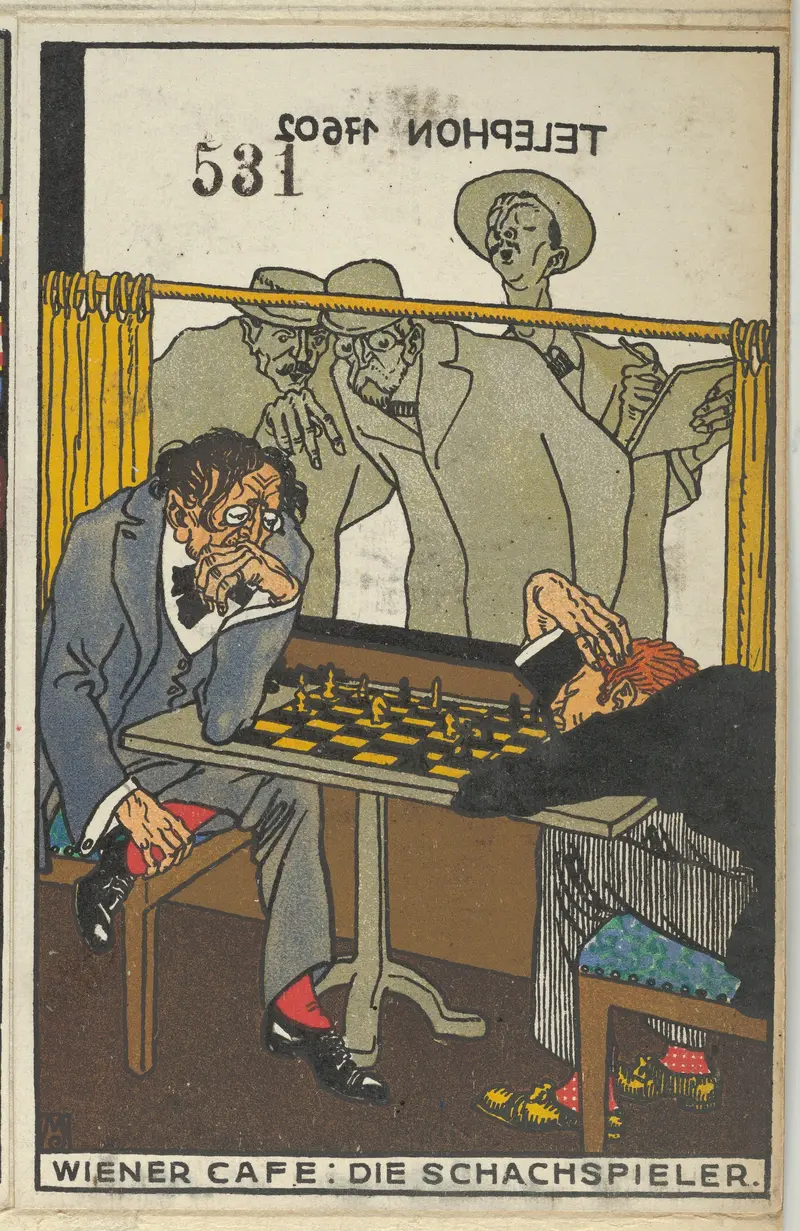
Wiener Café: Die Schachspieler
Moriz Jung
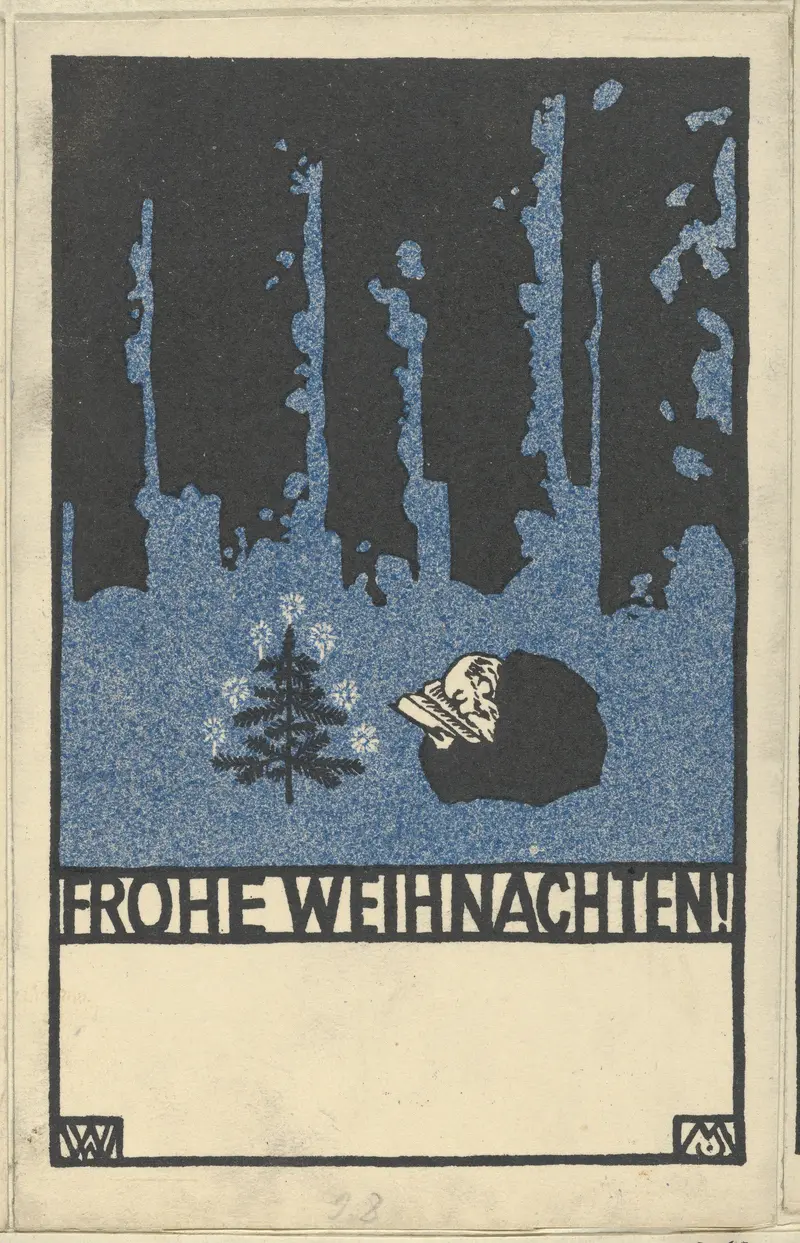
Merry Christmas! (Frohe Weihnachten!)
Moriz Jung
More Genre Scene Art

Banquet of the Officers of the St George Civic Guard
Frans Hals

Rembrandt and Saskia in the Scene of the Prodigal Son
Rembrandt van Rijn

Bal du moulin de la Galette
Pierre-Auguste Renoir

Quadrille at the Moulin Rouge
Henri de Toulouse-Lautrec

A Burial at Ornans
Gustave Courbet

When Will You Marry?
Paul Gauguin