
Wiener Café: Die Schachspieler — History & Facts
What grips the eye first in Wiener Café: Die Schachspieler is the silent drama of thought and tension, all compressed into a small café table. Two men, locked in a chess match, mirror each other’s exhaustion and intensity—one slumped with a hand to his brow, the other gnawing at his knuckles in deep concentration. The yellow-checked chessboard glows at the center, a field of battle, while the players’ exaggerated postures and the swirl of their garments hint at hours spent in mental combat.
Behind them, a trio of onlookers press close to the glass, their faces contorted with anticipation, curiosity, or perhaps judgment, as if the outcome of this match matters far beyond the café walls. Even the backwards telephone number above them—mirrored as if seen from the street—draws us into the layered spaces of public and private life. Created in 1911, this lithograph by Moriz Jung belongs to a world where the Viennese café was both stage and sanctuary. At the turn of the twentieth century, such establishments thrived as meeting grounds for artists, thinkers, and everyday citizens, each table a microcosm of the city’s restless intellect.
Lithographs like this one were often designed for portfolios or illustrated magazines, capturing the comic, sometimes biting spirit of urban life. Little is recorded about the specific journey of this print, now part of the Metropolitan Museum of Art’s open access collection, but its wit and sharp observation speak to the era’s fascination with the rituals of leisure and intellect. The longer one lingers, the more the café’s world—its spectators, its silent codes, its unspoken stakes—seems to spill out from the frame.
More Artworks by Moriz Jung
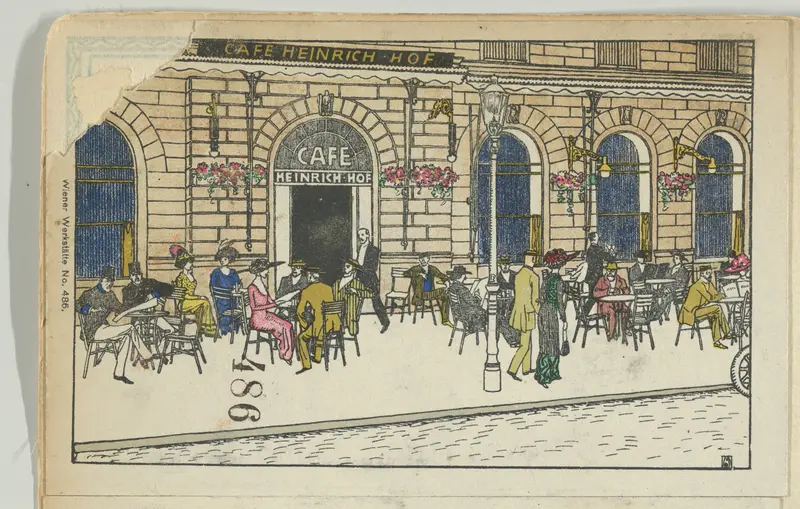
Café Heinrichhof
Moriz Jung

Moriz Jung Porträt
Moriz Jung
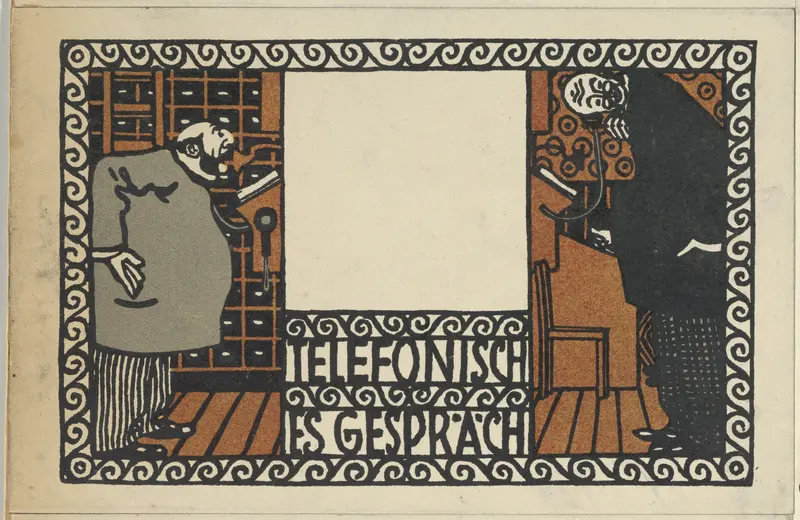
Telephone Conversation (Telefonisches Gespräch)
Moriz Jung
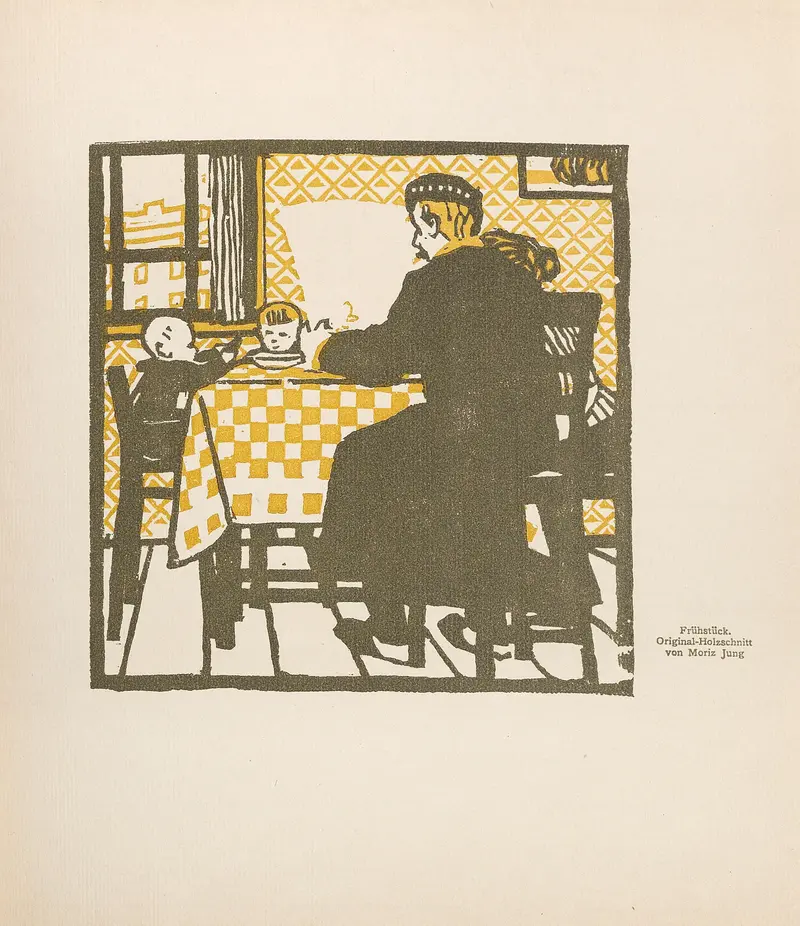
Moriz Jung Frühstück
Moriz Jung
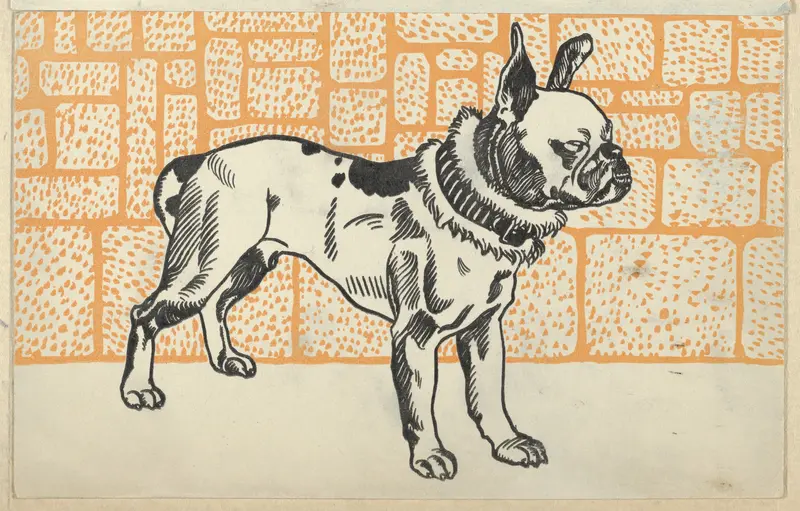
Pitbull Terrier
Moriz Jung
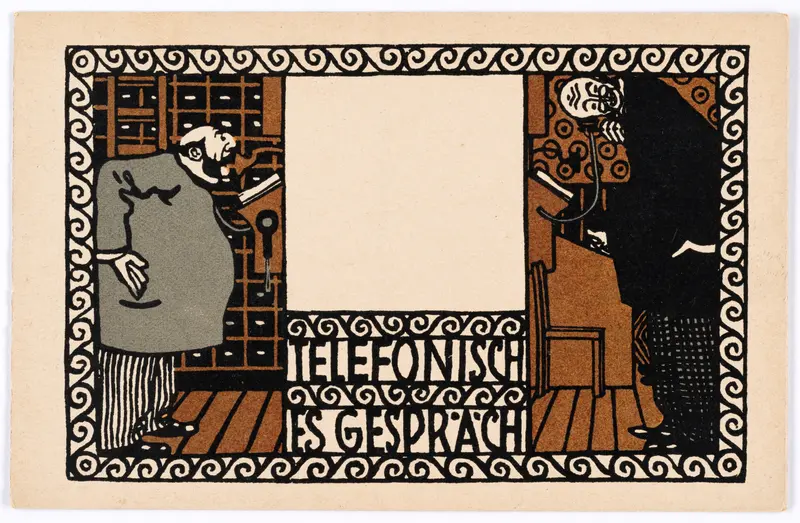
Postkarte der Wiener Werkstätte Nr. 58 - Telefonisches Gespräch
Moriz Jung
Postkarte der Wiener Werkstätte Nr. 58 - Telefonisches Gespräch - verso
Moriz Jung
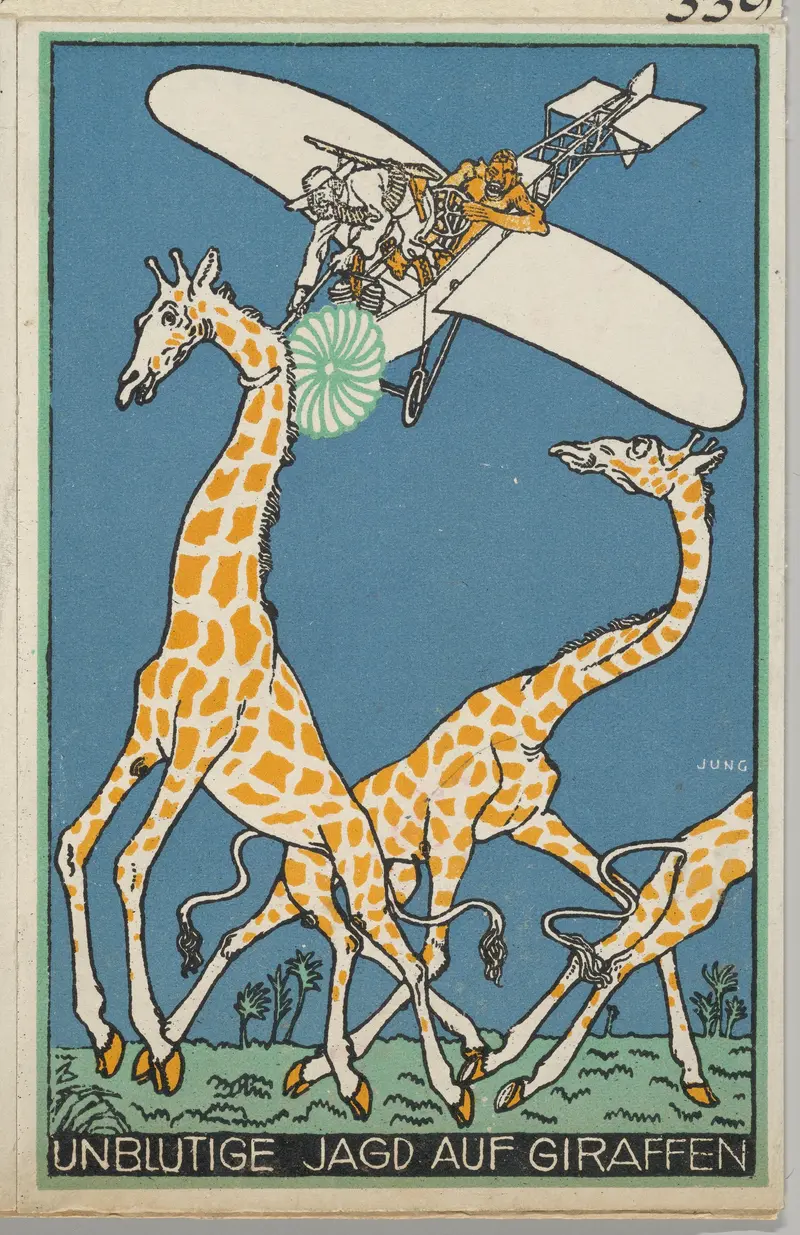
Bloodless Giraffe Hunt (Unblutige Jagd auf Giraffen)
Moriz Jung
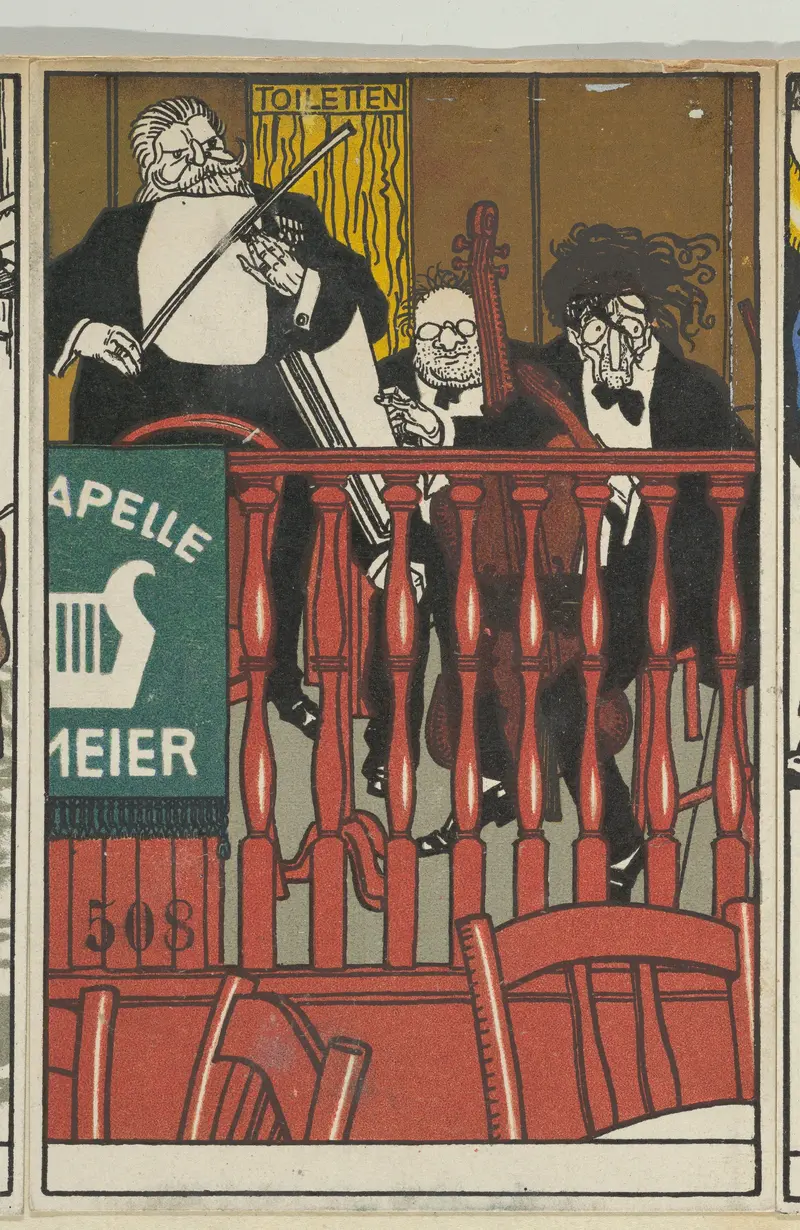
Salon Orchestra Meier
Moriz Jung
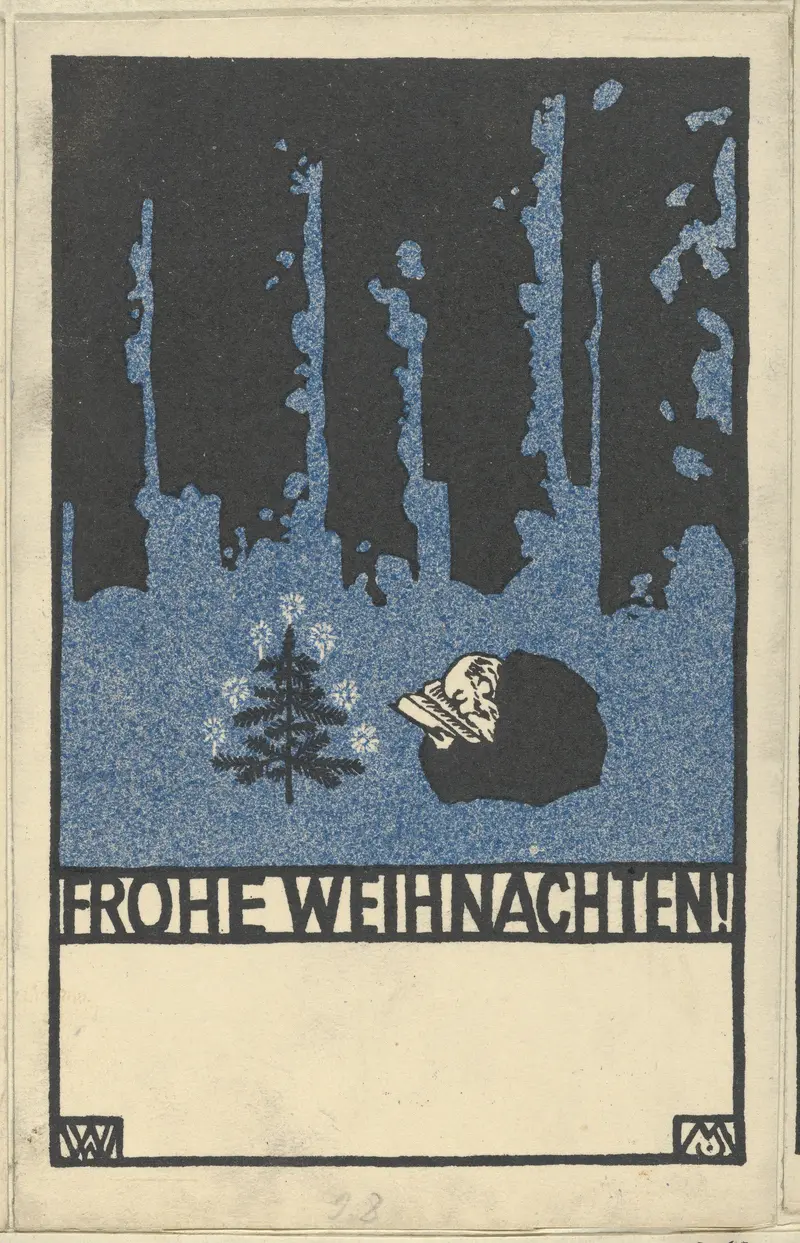
Merry Christmas! (Frohe Weihnachten!)
Moriz Jung
More Genre Scene Art

Banquet of the Officers of the St George Civic Guard
Frans Hals

Rembrandt and Saskia in the Scene of the Prodigal Son
Rembrandt van Rijn

Bal du moulin de la Galette
Pierre-Auguste Renoir

Quadrille at the Moulin Rouge
Henri de Toulouse-Lautrec

A Burial at Ornans
Gustave Courbet

When Will You Marry?
Paul Gauguin