
Place Jean-Baptiste Clément à Montmartre — History & Facts
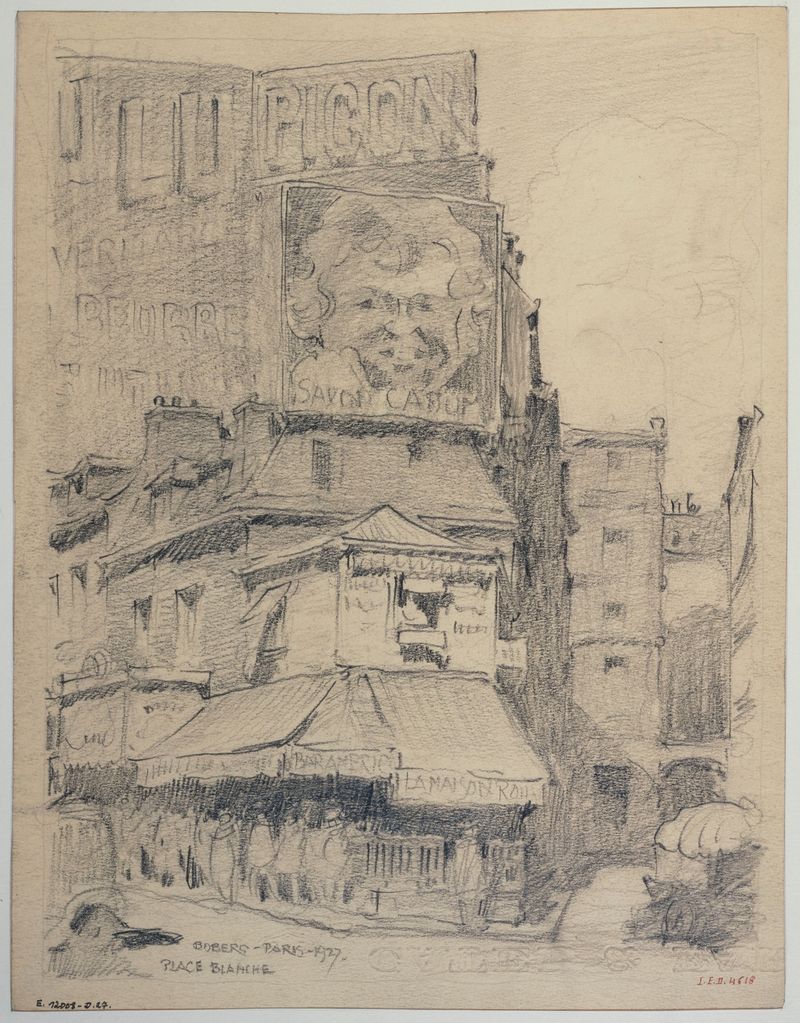
In the stillness of Montmartre, the whispers of the past echo through empty streets, where life once pulsed with vibrant energy but now embraces an unsettling quiet. The viewer finds themselves in a paradox of nostalgia and desolation, confronting the remnants of human presence in a world that seems to have exhaled its last breath. Focus on the muted palette that envelops the scene, where grays and soft earth tones blend seamlessly into the backdrop. Notice how the light lingers on the cobblestones, casting elongated shadows that hint at fleeting moments spent in this once-bustling square.
The composition invites you to linger, pulling your gaze from the forlorn streetlamp to the distant rooftops, each element meticulously arranged to evoke a sense of stillness and contemplation. The juxtaposition of emptiness and memory is palpable. The absence of figures amplifies the weight of nostalgia, inviting viewers to reflect on their own experiences of loss. Subtle details, like the flickering light in a nearby window, suggest that life persists even in solitude, while the cobblestones seem to murmur stories of those who walked before.
This delicate interplay between absence and the lingering presence of history deepens the emotional resonance of the work. Ferdinand Boberg created this piece in 1926 in the heart of Montmartre, a neighborhood that had transformed dramatically after the war. During this time, the art world was grappling with the aftermath of conflict, and artists sought new ways to express the complexities of human experience. Boberg’s exploration of emptiness reflects not only his personal introspection but also the broader cultural shifts of the era, marking a poignant moment in the evolution of modern art.
More Artworks by Ferdinand Boberg
Browse all →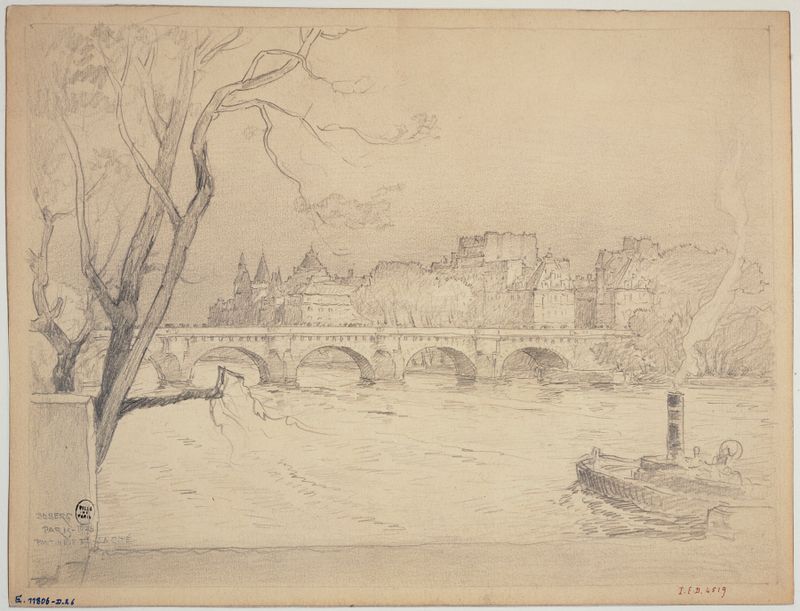
Le Pont-Neuf et la Cité
Ferdinand Boberg
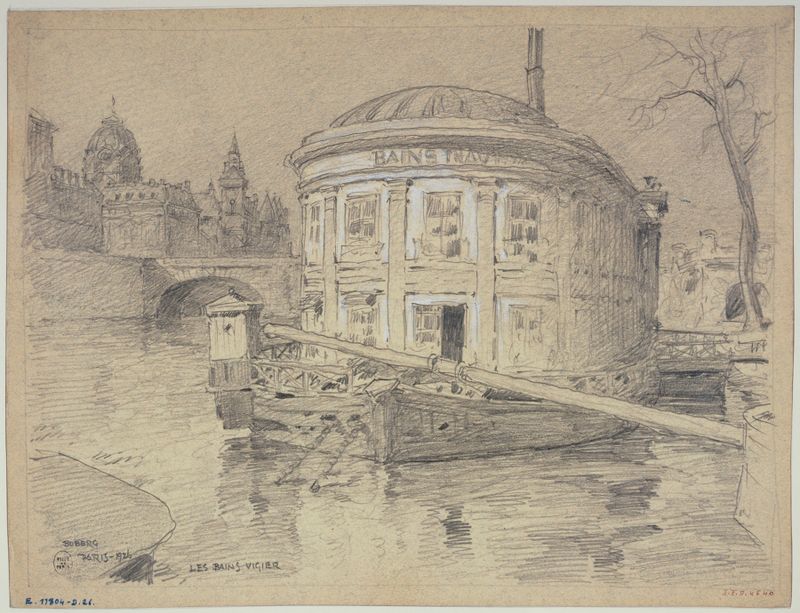
Les bains Vigier au Pont-Neuf
Ferdinand Boberg
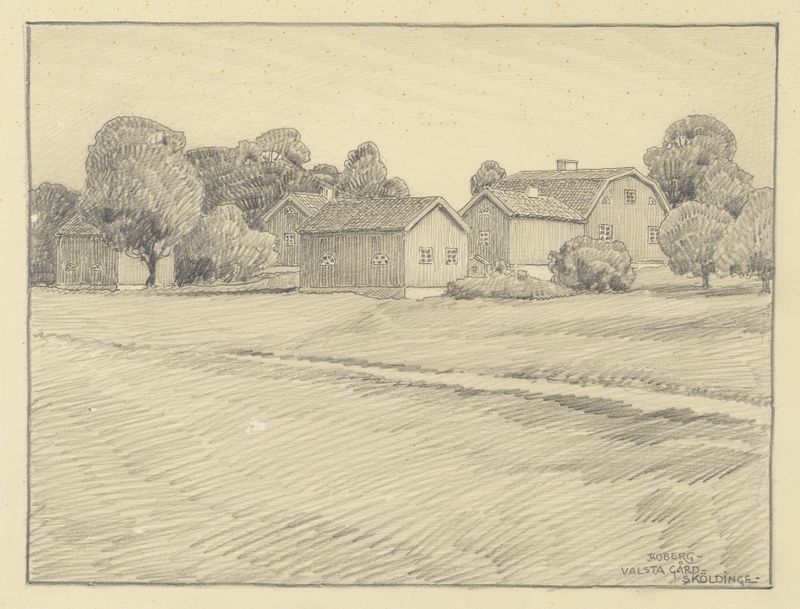
Valsta Gård
Ferdinand Boberg
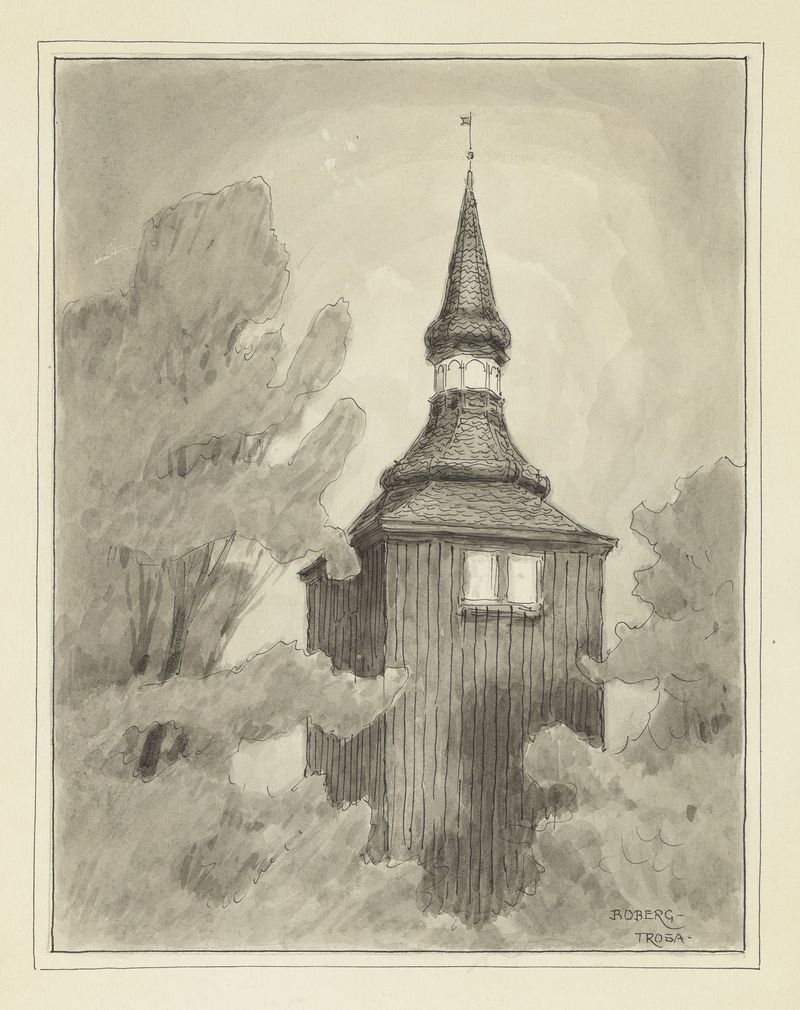
Trosa
Ferdinand Boberg
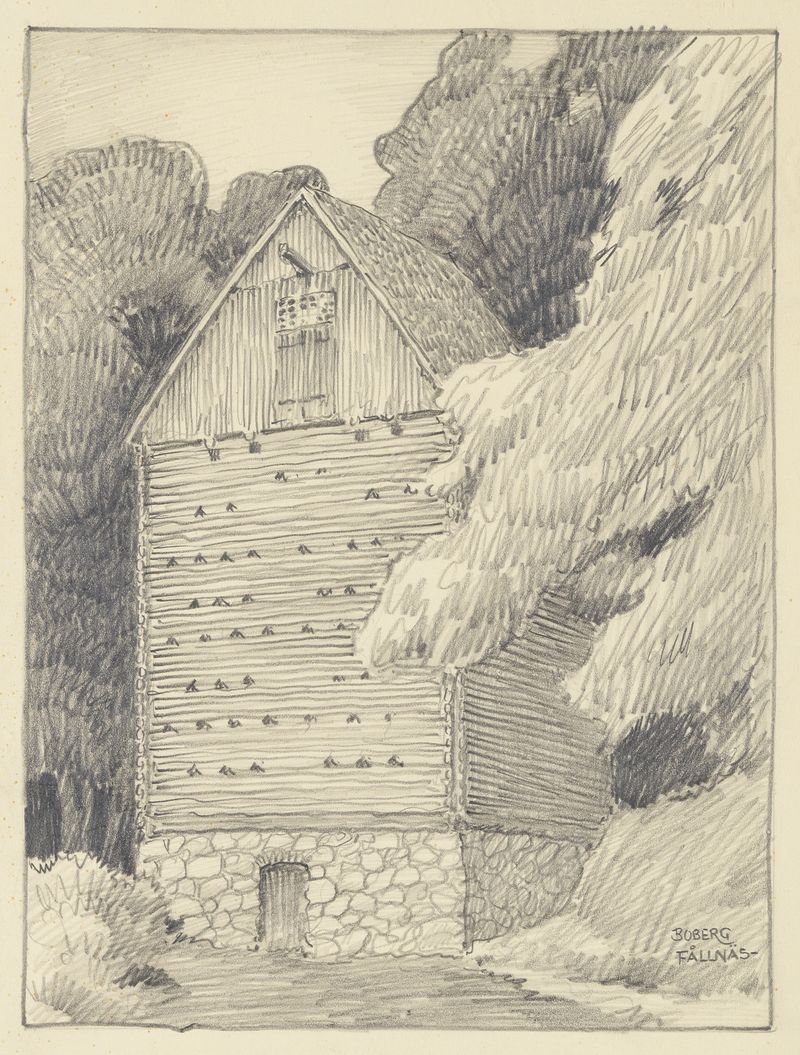
Fållnäs
Ferdinand Boberg
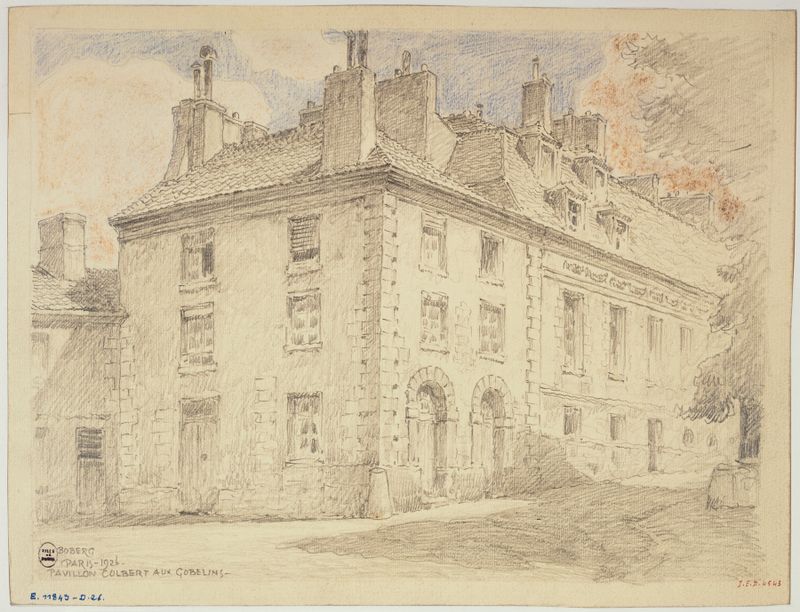
Le pavillon Colbert aux Gobelins
Ferdinand Boberg
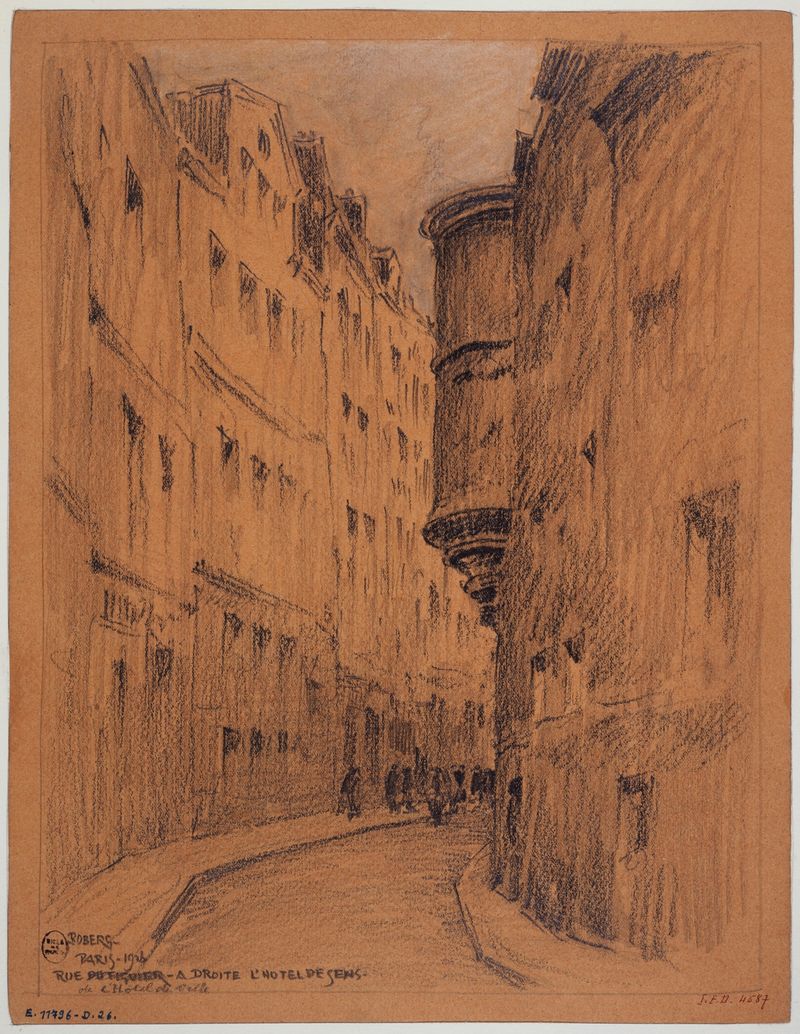
Rue de l’Hôtel de Ville; l’hôtel de Sens
Ferdinand Boberg
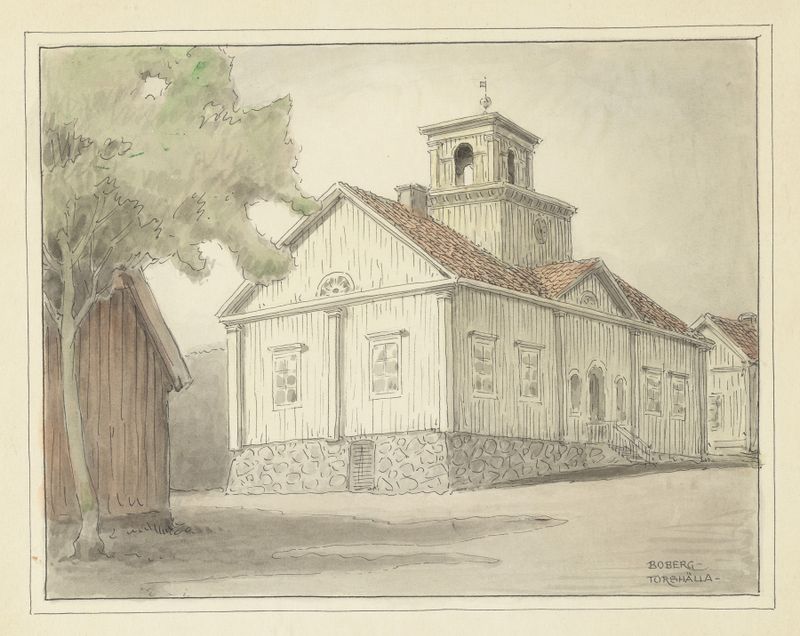
Torshälla
Ferdinand Boberg
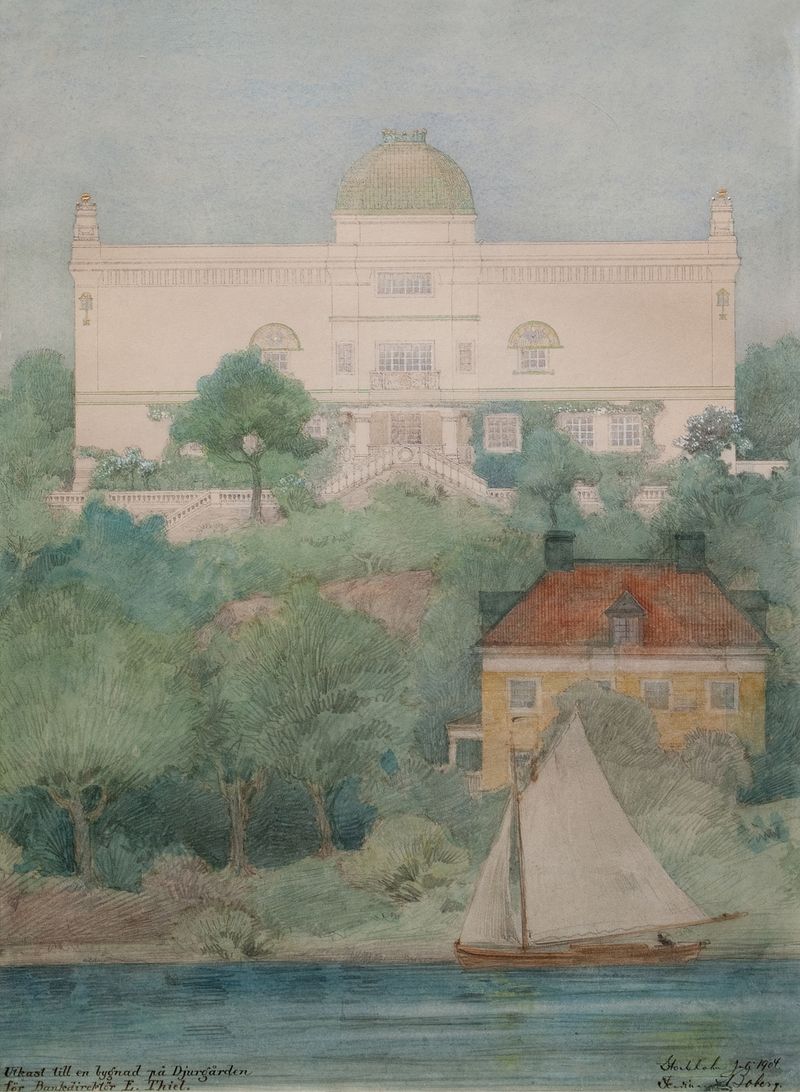
Sketch for a building for Thiel’s Gallery
Ferdinand Boberg
La place Blanche
Ferdinand Boberg





