
Plansee — History & Facts
When did color learn to lie? In Plansee, the vibrant blues and greens blend seamlessly, inviting us into a world where nature’s palette whispers of destiny and transformation. Look to the foreground; the crystalline waters mirror the sky, creating a hypnotic interplay of hues. Notice how the light plays across the surface, capturing a moment suspended in time. The rugged mountains rise majestically in the background, their shadows softened by the gentle touch of sunlight.
The composition is balanced yet dynamic, drawing the eye into the tranquil yet tumultuous embrace of the landscape. Upon closer inspection, the contrasting elements speak volumes. The serene water embodies calmness, while the imposing mountains symbolize strength and challenge, hinting at life's dualities. The delicate brushwork in the foliage suggests the transient beauty of nature, a fleeting whisper of existence against the backdrop of something more eternal.
Each stroke reflects an emotional tension—the calmness of the lake belying the formidable presence of the mountains, a dance of serenity and struggle that mirrors human experience. Ludwig Halauska created Plansee in 1856 while working in the scenic Tyrolean Alps. At that time, the artist was exploring the emerging Romantic movement, which sought to capture the sublime in nature. This period was also marked by a growing interest in plein air painting, reflecting a broader shift in the art world towards direct observation and immediacy.
The work embodies not just the physical beauty of the landscape but also the emotional depth that Halauska sought to capture in his artistic vision.
More Artworks by Ludwig Halauska
Browse all →
Der Schneeberg in Niederösterreich von Gutenstein aus gesehen
Ludwig Halauska

A View of Klamm Castle near Imst in the Inntal in Tyrol
Ludwig Halauska
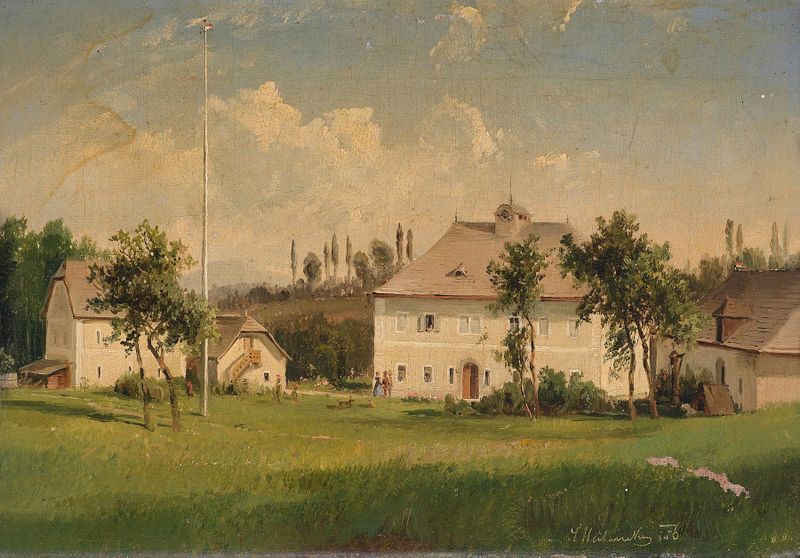
Blick auf einen Gutshof
Ludwig Halauska

Blick auf das Dorf Tutschach bei Aflenz
Ludwig Halauska
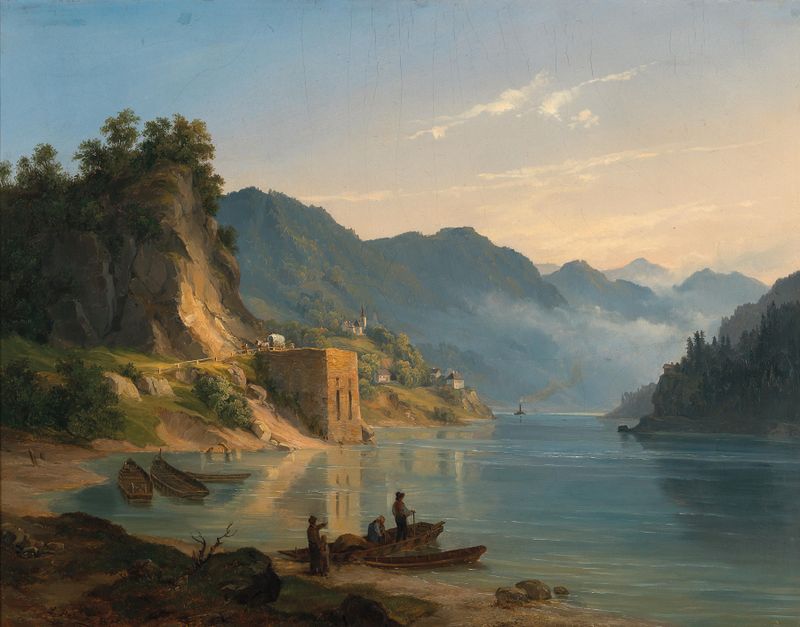
St. Nikola im Strudengau
Ludwig Halauska

Blick auf das Dorf Tutschach bei Aflenz mit dem Jauringbach im Vordergrund
Ludwig Halauska

Landschaft bei Flintsbach am Inn
Ludwig Halauska
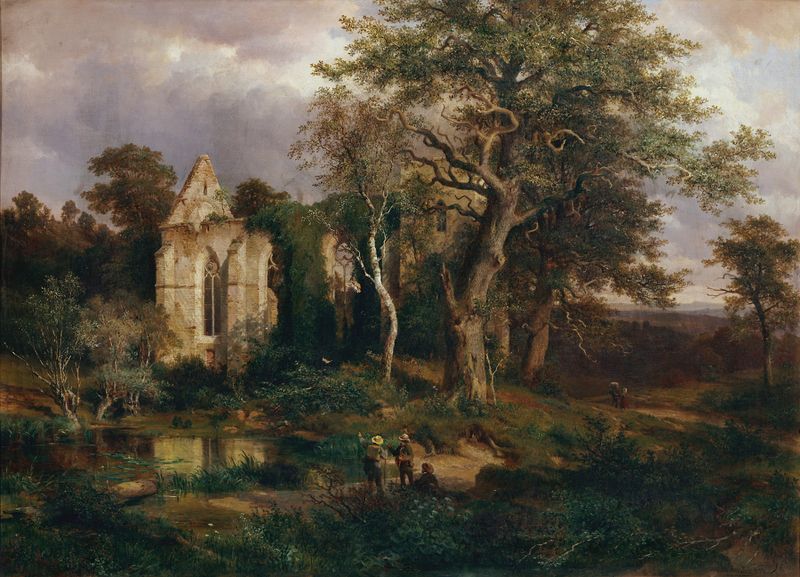
Kirchenruine
Ludwig Halauska

Partie aus Mittenwald am Karwendelgebirge
Ludwig Halauska

Sommerlandschaft
Ludwig Halauska





