Plateaux de Barberaz — History & Facts
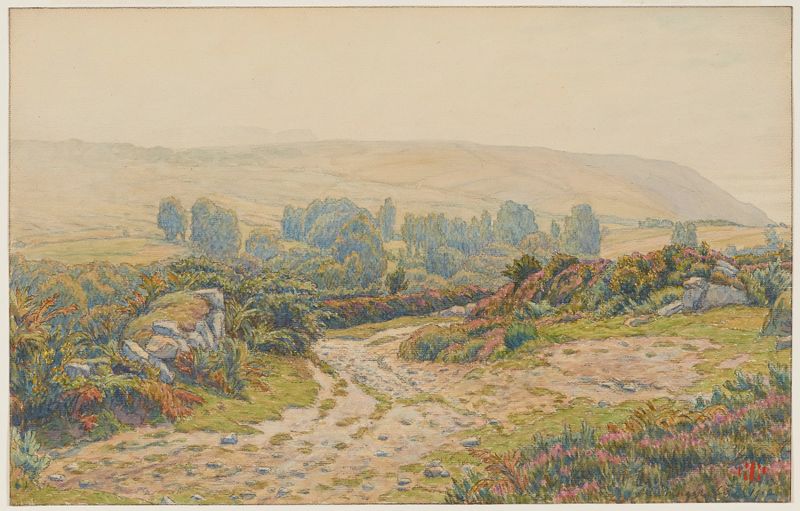
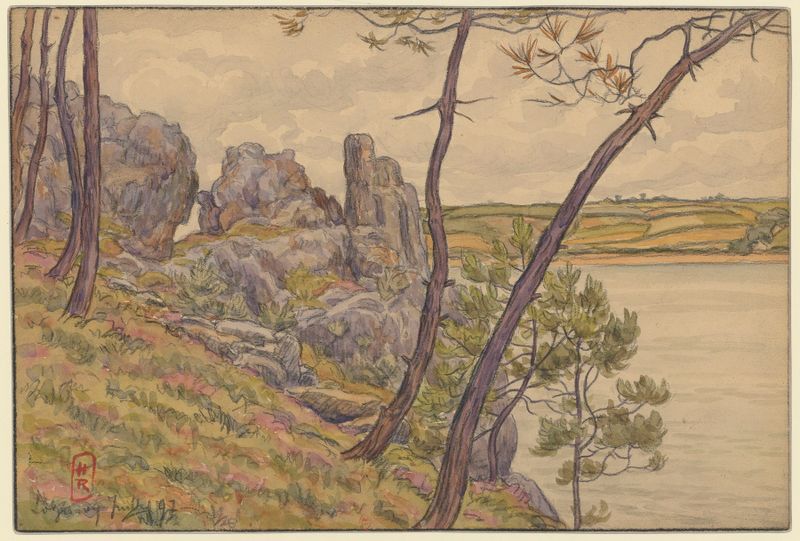
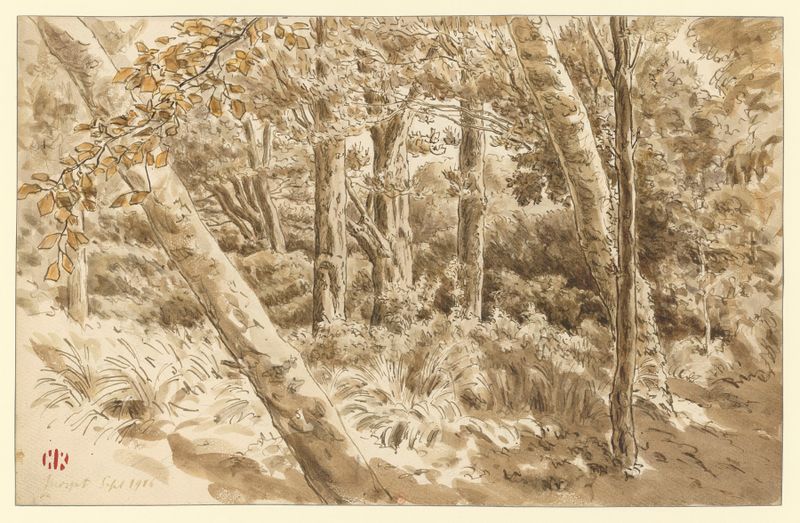
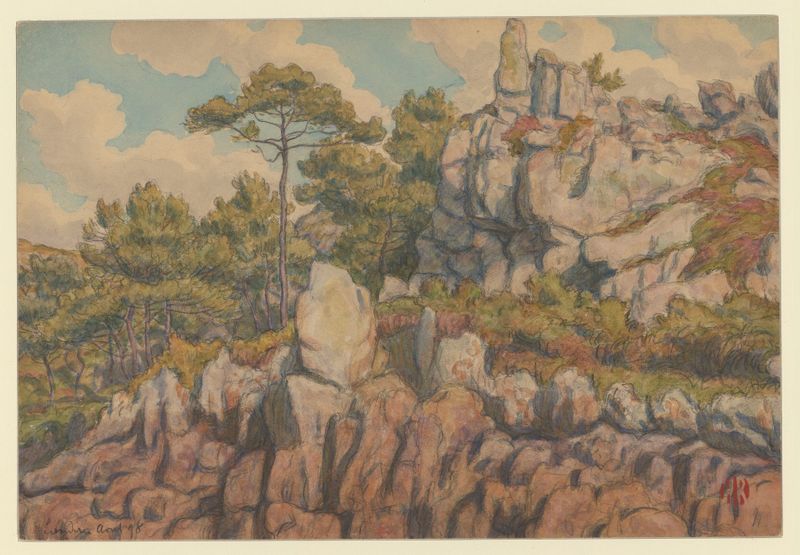
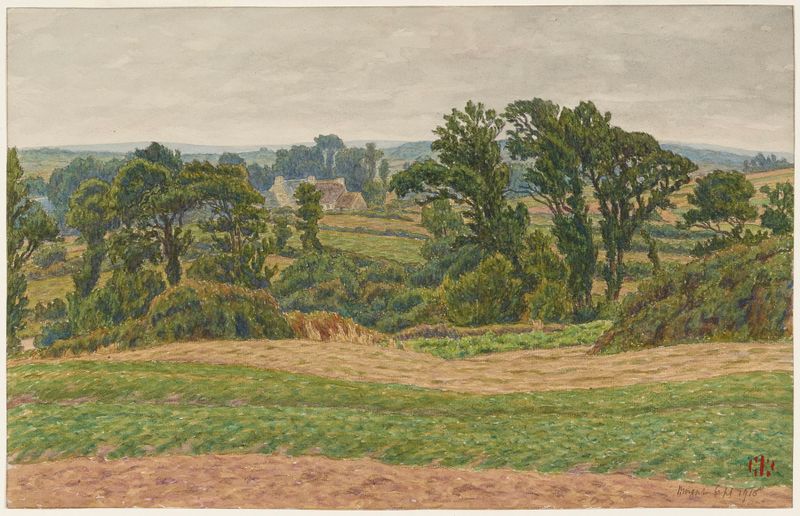
Where does light end, and longing begin? The interplay of illumination and shadow in Plateaux de Barberaz invites a contemplation that resonates deep within the soul, conjuring an atmosphere of both beauty and unease. Look to the horizon where soft hues of blue and gold intermingle, the sky stretching infinitely above the rolling plateaus. The delicate brushstrokes create a textured landscape that feels both inviting and daunting, suggesting the unseen depths of nature’s expanse. Notice how the light dips into the valleys, illuminating the rugged terrain with warmth while simultaneously casting darker shadows that hint at hidden secrets and fears lurking just beyond perception. Within this tranquil scene lies a tension between serenity and anxiety.
The rhythmic contours of the plateaus evoke a sense of solitude, yet the vibrant color contrasts suggest an underlying emotional turmoil. The viewer can sense the weight of history and the passage of time embedded in the landscape, where every stroke reveals layers of unspoken stories and fears—the fear of isolation, of the unknown, and of nature’s ever-present power. Henri Rivière created Plateaux de Barberaz in 1918, a year marked by the aftermath of World War I, when many artists grappled with the trauma and uncertainties of a rapidly changing world. Working during this period of reflection in France, Rivière’s focus on the natural landscape speaks to a yearning for peace and stability amid chaos.
This painting encapsulates both the beauty of the serene French countryside and the deeper, haunting emotions of a society in recovery.