Plateaux de Barberaz — History & Facts
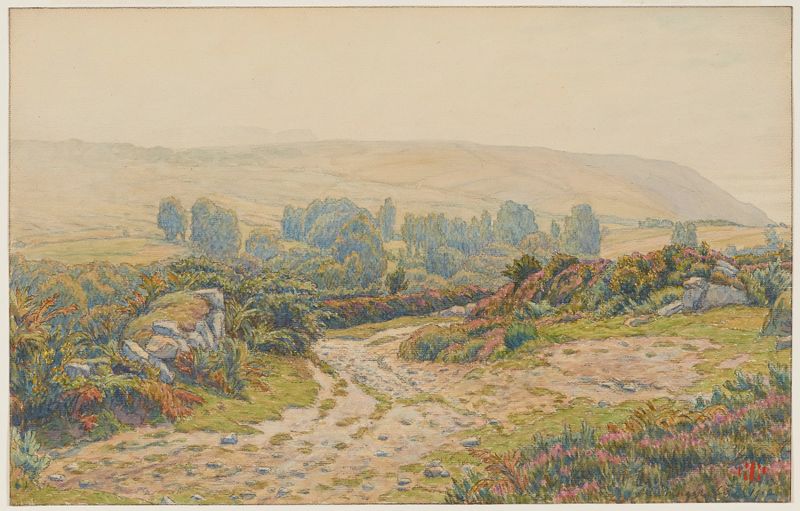
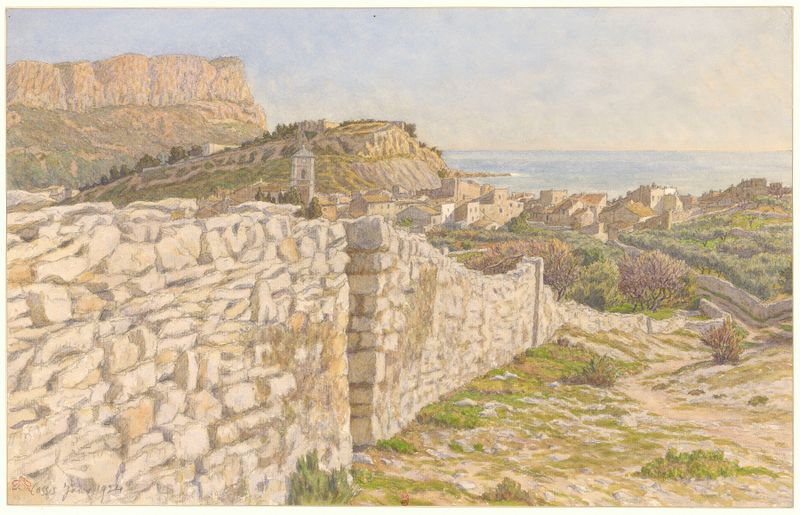
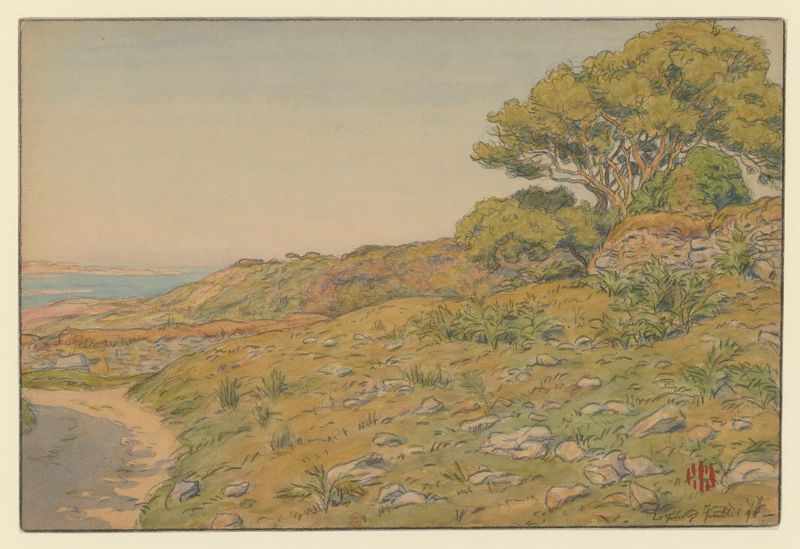
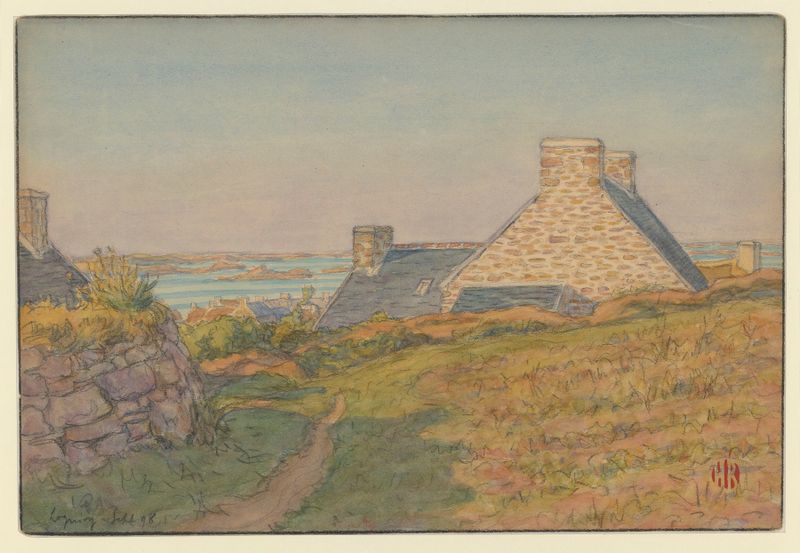
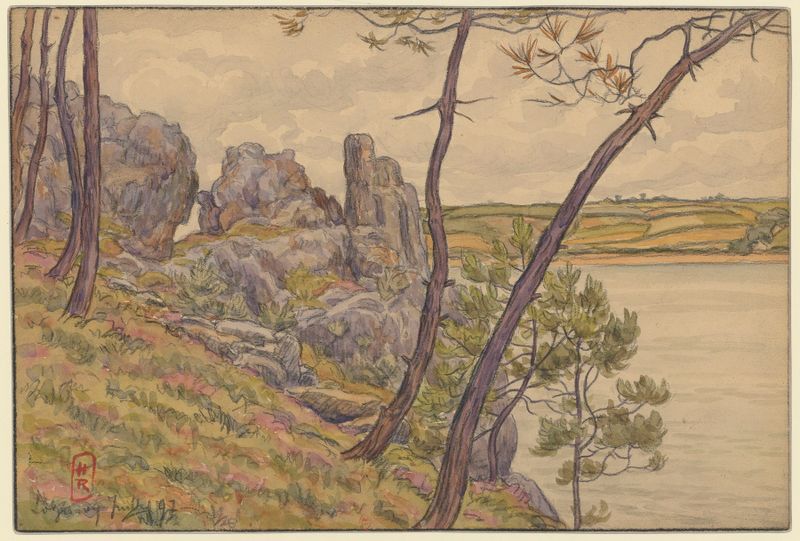
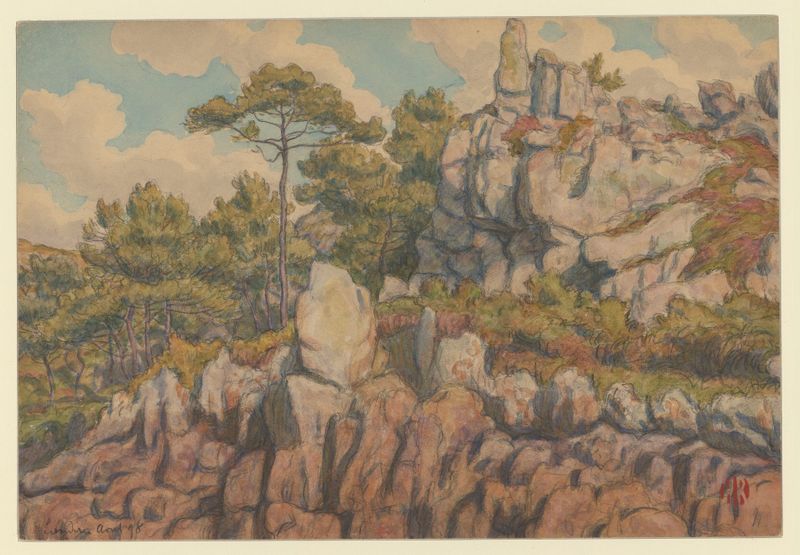
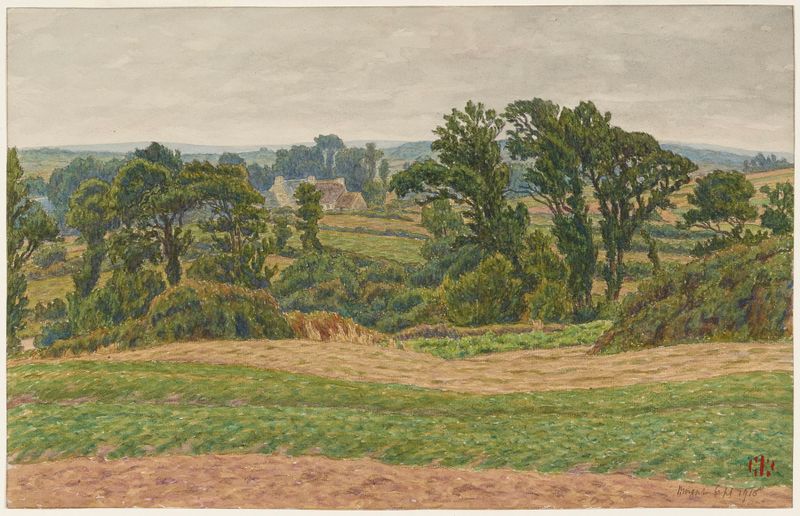
In a landscape shaped by nature's gentle hand, beauty emerges not only in the grand vistas but also in the quiet, deliberate strokes of the artist's brush. Look to the horizon where soft, rolling hills cradle a delicate sky, painted in hues of blue that melt into warm golds and gentle pinks. Notice how the light dances across the terrain, illuminating patches of grass and creating a serene interplay between shadow and warmth. The composition draws the eye upward, inviting contemplation of the tranquil scene, while the textured brushwork adds depth and vibrancy, echoing the rhythms of the natural world. Beneath the surface, the artwork resonates with a sense of longing and the passage of time.
The juxtaposition of the serene landscape against the stark reality of the post-war period hints at both solace and the melancholy of loss. These plateaux, while breathtaking, also serve as a reminder of the fragility of beauty in a world often marred by conflict. In 1918, Henri Rivière was immersed in a tumultuous era, shortly after the end of World War I. Living in France, he was influenced by the artistic movement of Impressionism, which sought to capture the transient effects of light and color.
This period of creation allowed him to express both his appreciation for nature and a reflection on the human condition, as the world began to heal from the scars of war.