
Ploeg op een akker — History & Facts
Did the painter know this moment would outlive them? In Ploeg op een akker, the scene captures the timeless nature of labor and life—a poignant reminder of our mortality intertwined with the rhythms of the earth. Focus on the rich, earthy hues that dominate the canvas, drawing your gaze to the central figure wielding a plow under the expansive sky. Notice how the light bathes the field in a warm glow, highlighting the contours of the soil and the determination etched in the worker's posture. This deliberate choice of color and light evokes a sense of tranquility, inviting viewers to reflect on the labor that sustains life. As you delve deeper, consider the contrast between the vibrant life at play in the field and the looming shadows that suggest impermanence.
The plow, a symbol of cultivation and growth, juxtaposes the fleeting nature of human existence against the backdrop of the eternal earth. The viewer can almost feel the weight of history and the ongoing cycle of sowing and reaping, where each gesture carries both hope and the inevitability of decay. Pieter Dupont painted Ploeg op een akker in 1900 during a period of introspection and transformation in the art world. Living in the Netherlands, he witnessed the rise of the modern movement while grappling with traditional subjects like rural life.
This piece reflects a moment when artists sought to reconnect with the fundamental experiences of humanity, grounding their work in the realities of everyday existence.
More Artworks by Pieter Dupont
Browse all →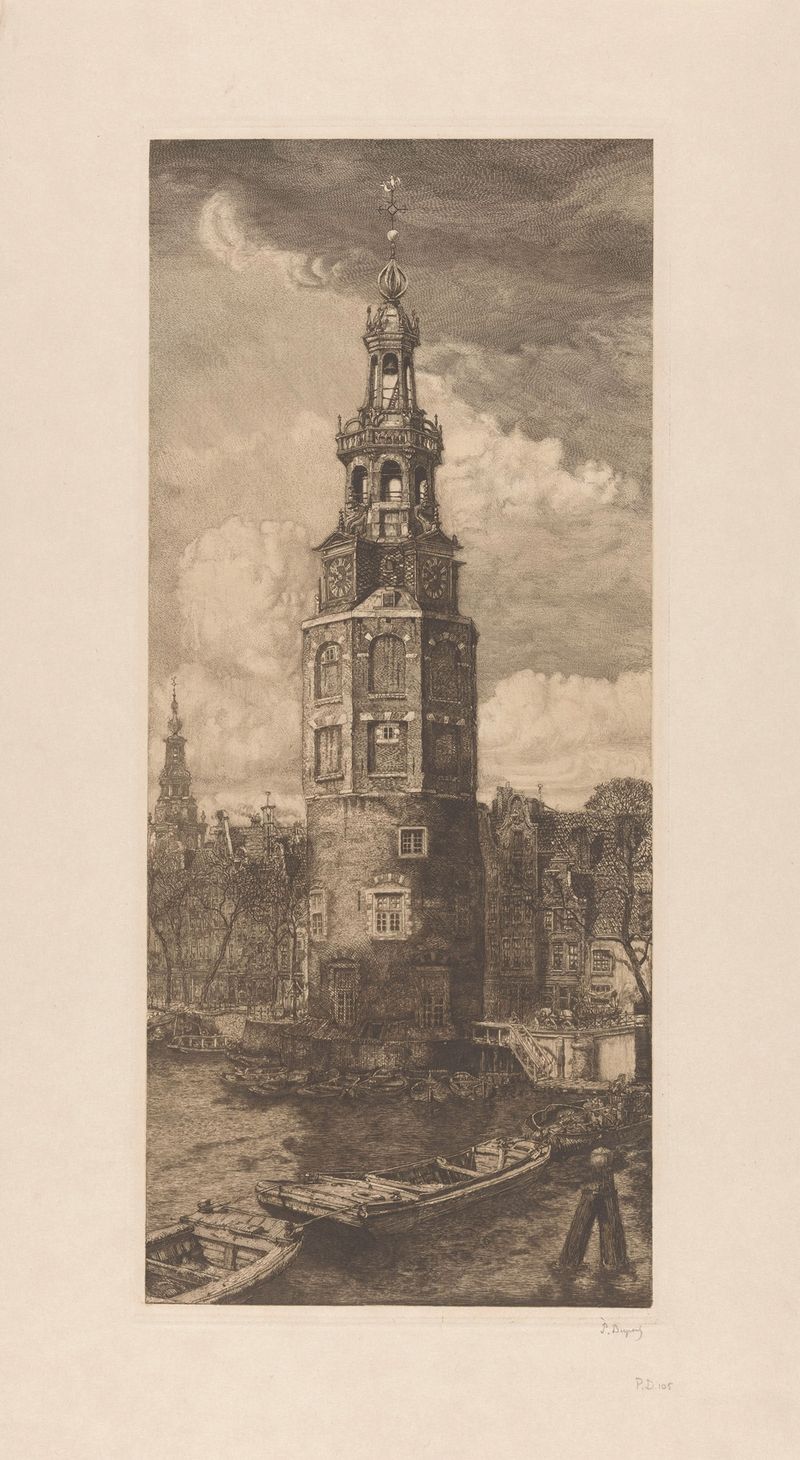
Montelbaanstoren aan de Oudeschans in Amsterdam
Pieter Dupont
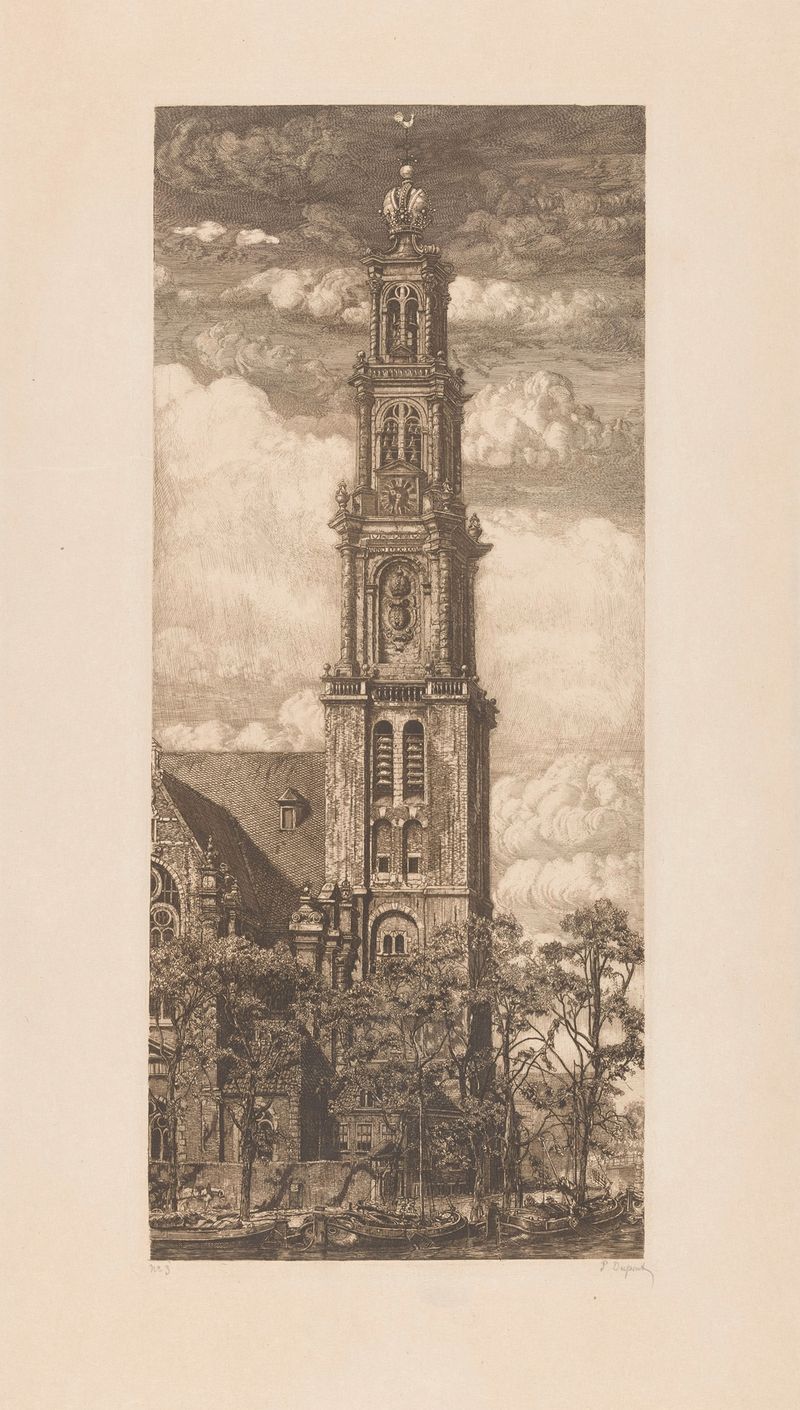
Westertoren in Amsterdam
Pieter Dupont
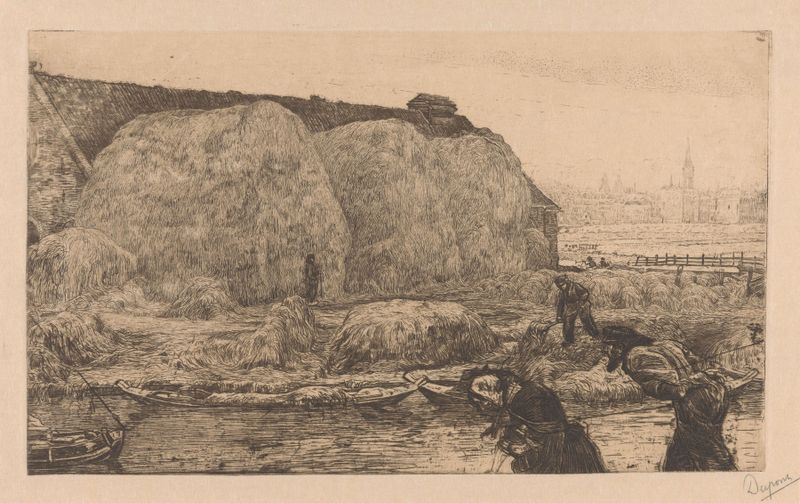
Boerderij met hooischelven aan het Jaagpad in Amsterdam
Pieter Dupont
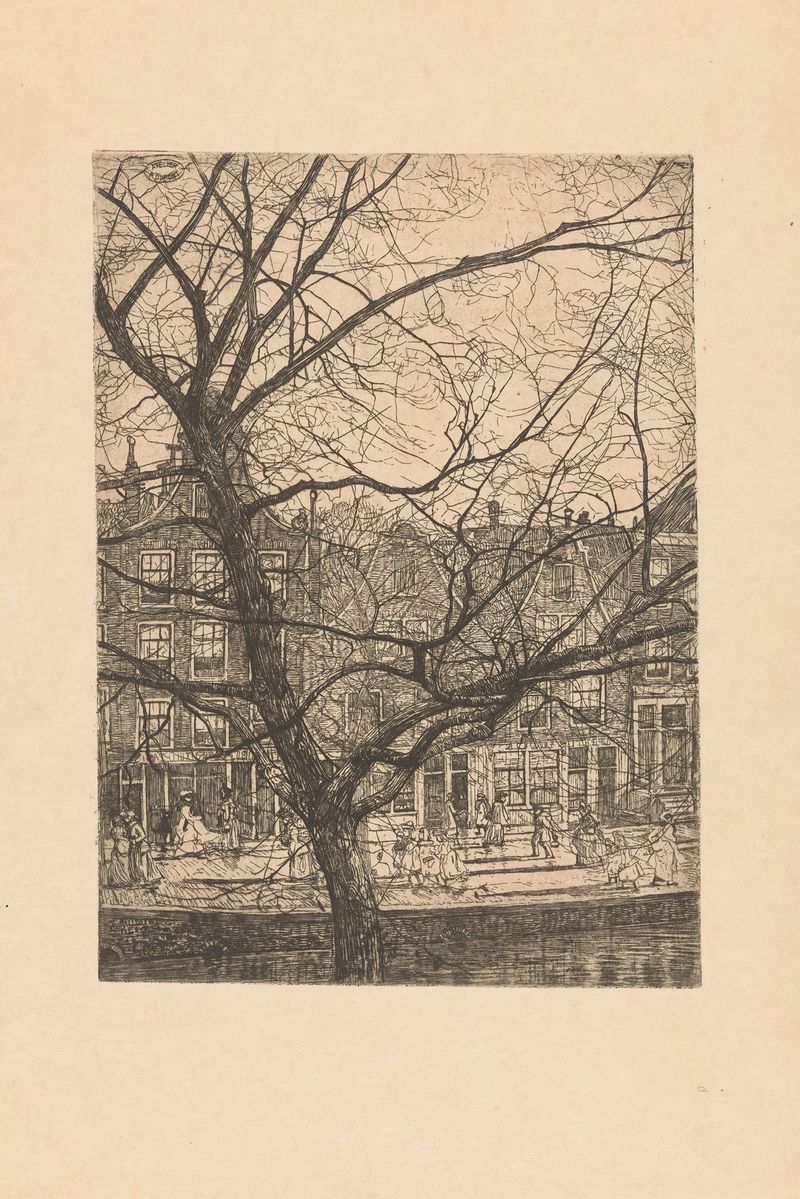
Grachtenhuizen met halsgevels in Amsterdam
Pieter Dupont
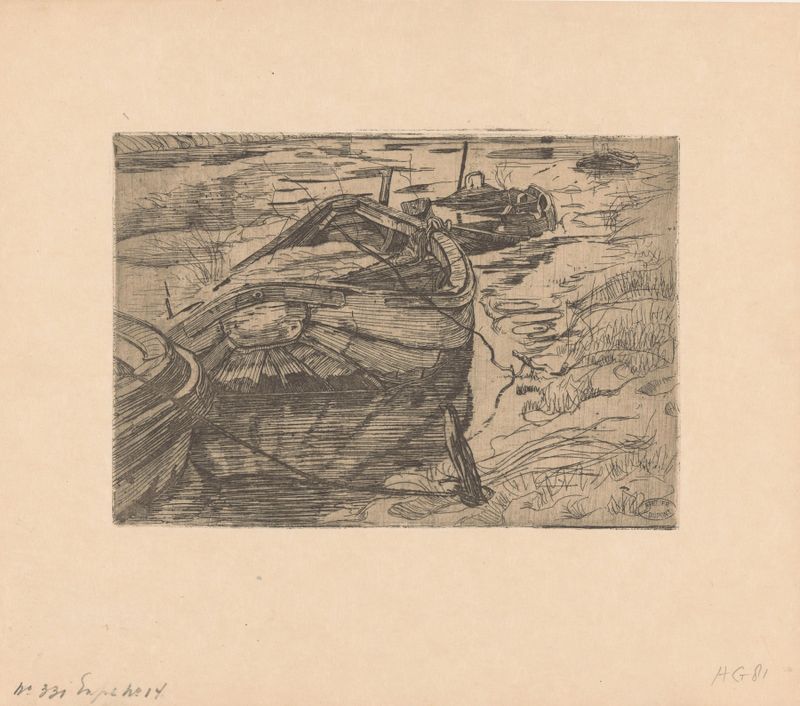
Afgemeerde roeiboten in een sloot
Pieter Dupont
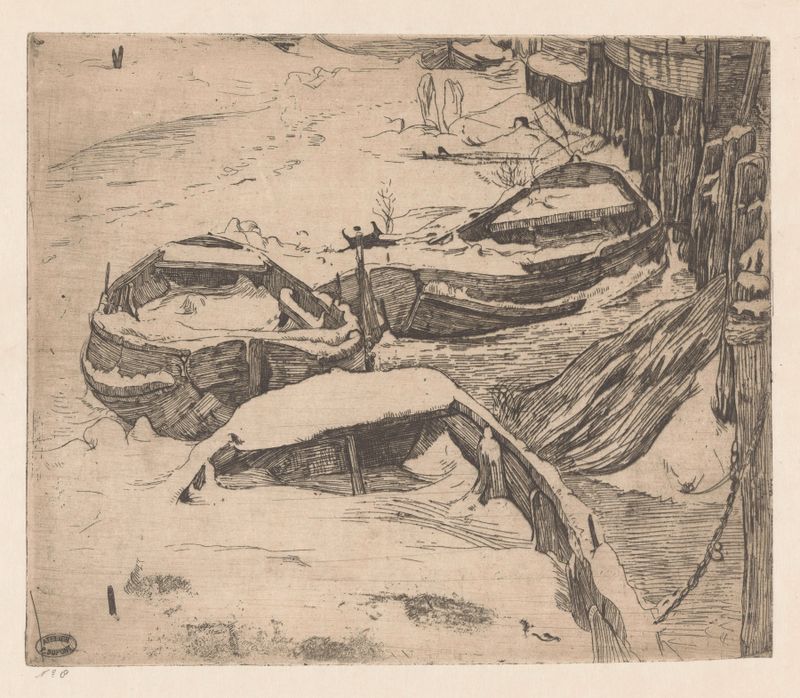
Drie besneeuwde roeiboten bij een wal
Pieter Dupont
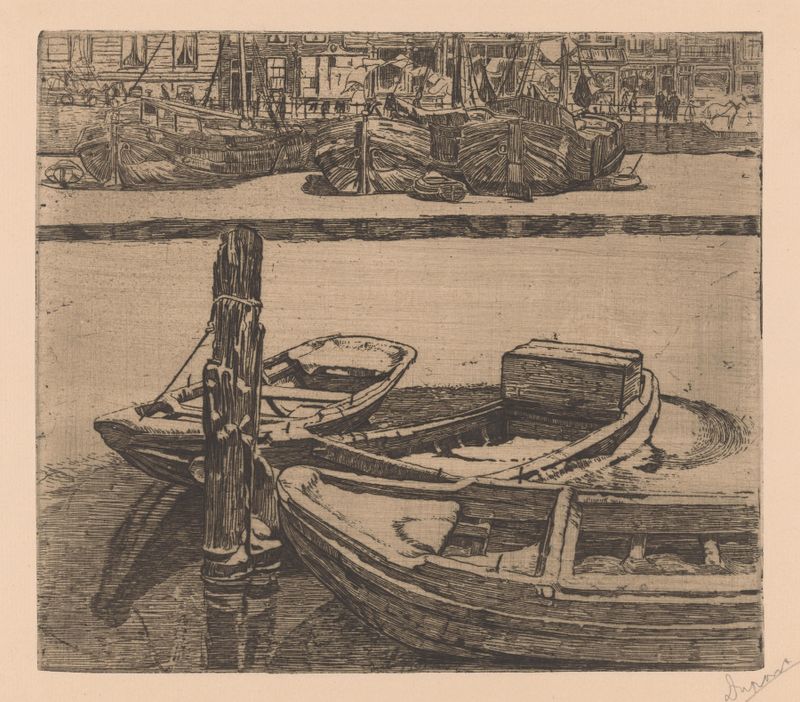
Schepen in het Damrak in Amsterdam
Pieter Dupont
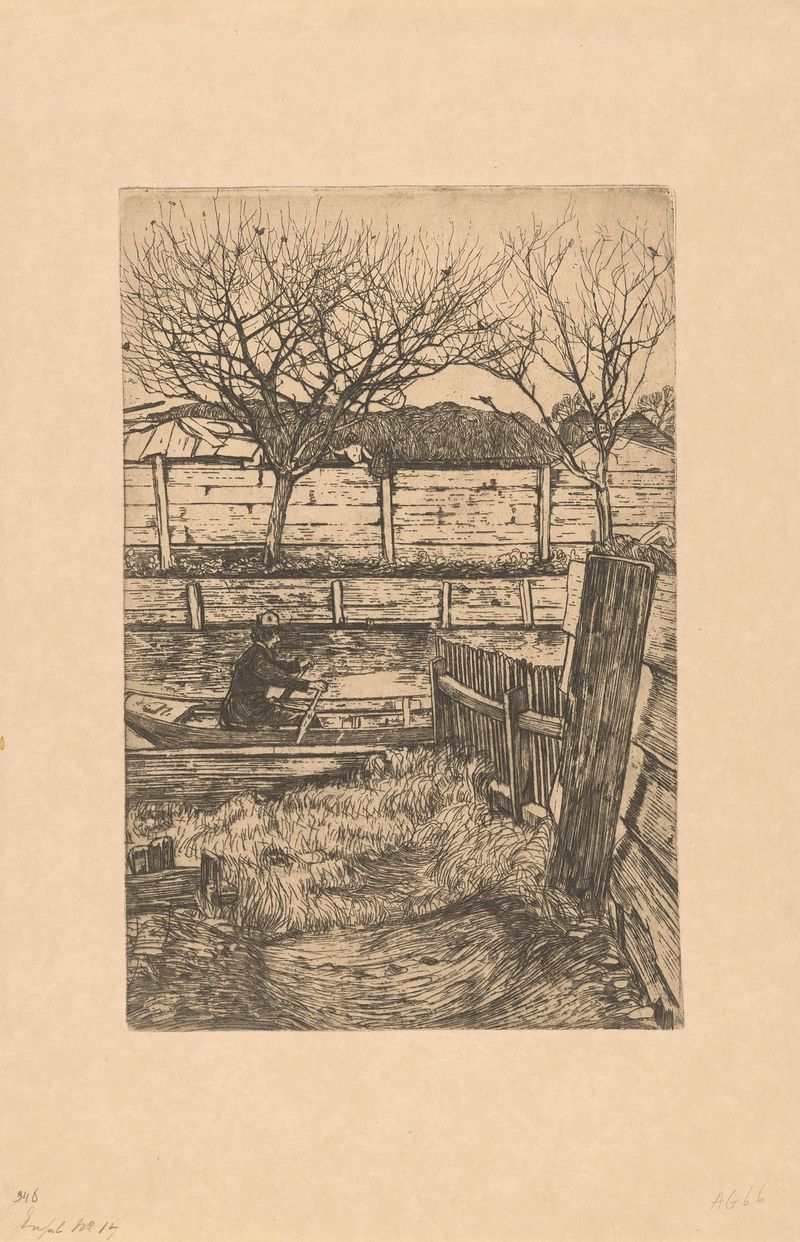
Man in een roeiboot, waarschijnlijk bij de Slatuinen in Amsterdam
Pieter Dupont
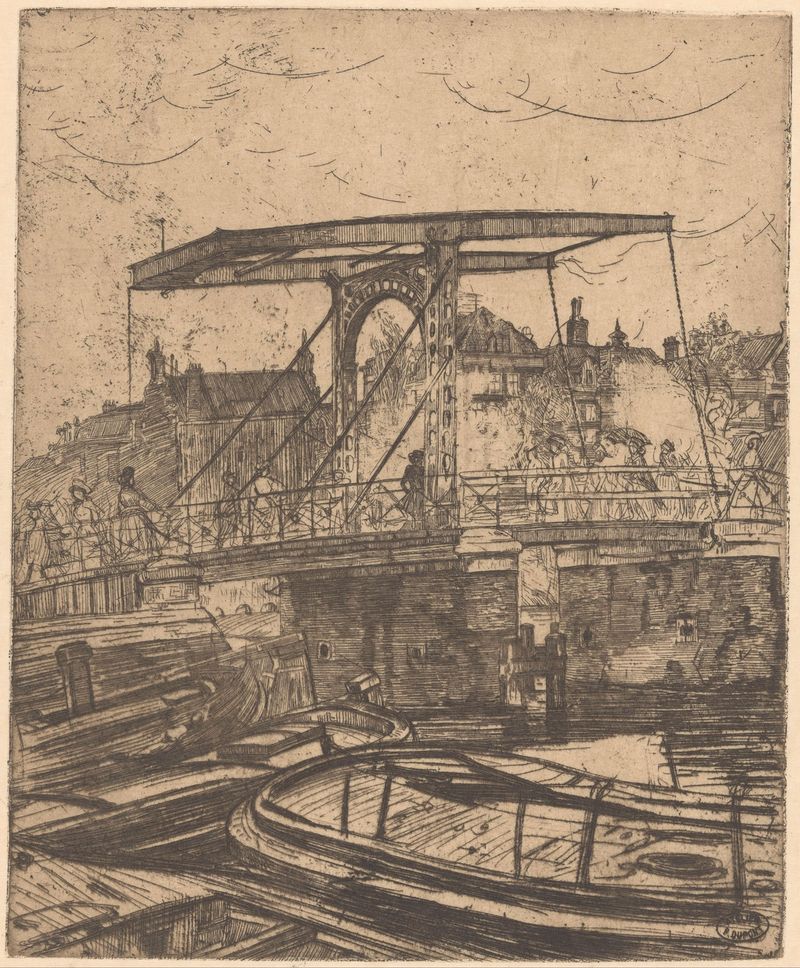
Magere Brug in Amsterdam
Pieter Dupont
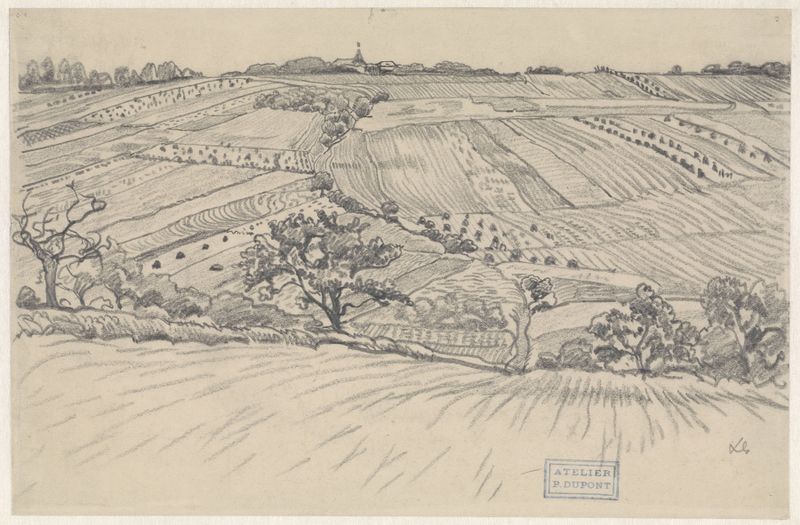
Heuvelachtig landschap met korenvelden
Pieter Dupont





