
Plume of Balboa — History & Facts
Can paint confess what words never could? In Plume of Balboa, the brushstrokes whisper tales of light and shadow, revealing layers of emotion hidden beneath the surface. Focus on the vibrant play of light as it dances across the canvas, illuminating the delicate feathers that cascade downwards. Notice how the artist employs a palette rich with earthy tones and soft pastels, contrasting the radiant white of the plume, which seems to almost shimmer against the background. The composition draws the eye with a gentle flow, inviting you to explore the intricate details nestled within the texture of the feathers. Within this artwork lies a tension between freedom and restraint, as the plume, a symbol of victory and exploration, also hints at fragility.
The juxtaposition of the bold, bright colors with softer hues evokes a sense of longing and nostalgia, echoing the duality of triumph and sacrifice. It speaks to the journey of the artist himself and the fleeting nature of life and achievement, suggesting that beauty often coexists with impermanence. During the years 1914 to 1919, while creating this work, the artist found himself in a world torn by conflict and change, marked by the upheaval of World War I. Living in the United States, he was surrounded by a burgeoning art scene that sought to redefine expression in a time of uncertainty.
In this environment, Haskell's work emerged as a quiet reflection of both the external world and his inner contemplations, capturing a moment that transcends mere visuals.
More Artworks by Ernest Haskell
Browse all →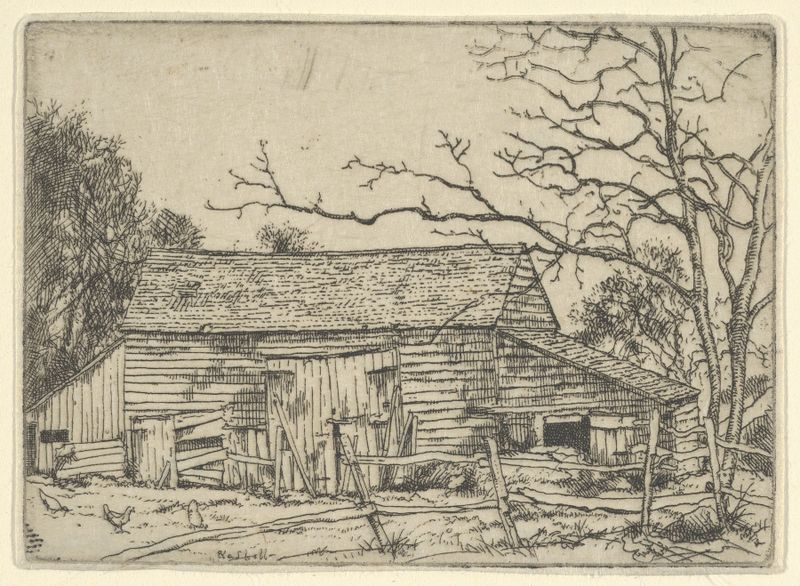
The Barn–Staten Island, N.Y.
Ernest Haskell

Four Live Oaks
Ernest Haskell
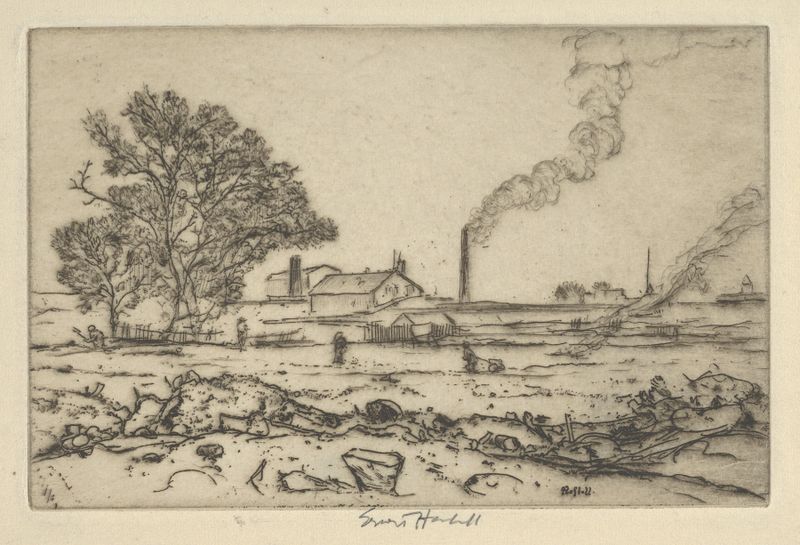
Outskirts of Boston
Ernest Haskell
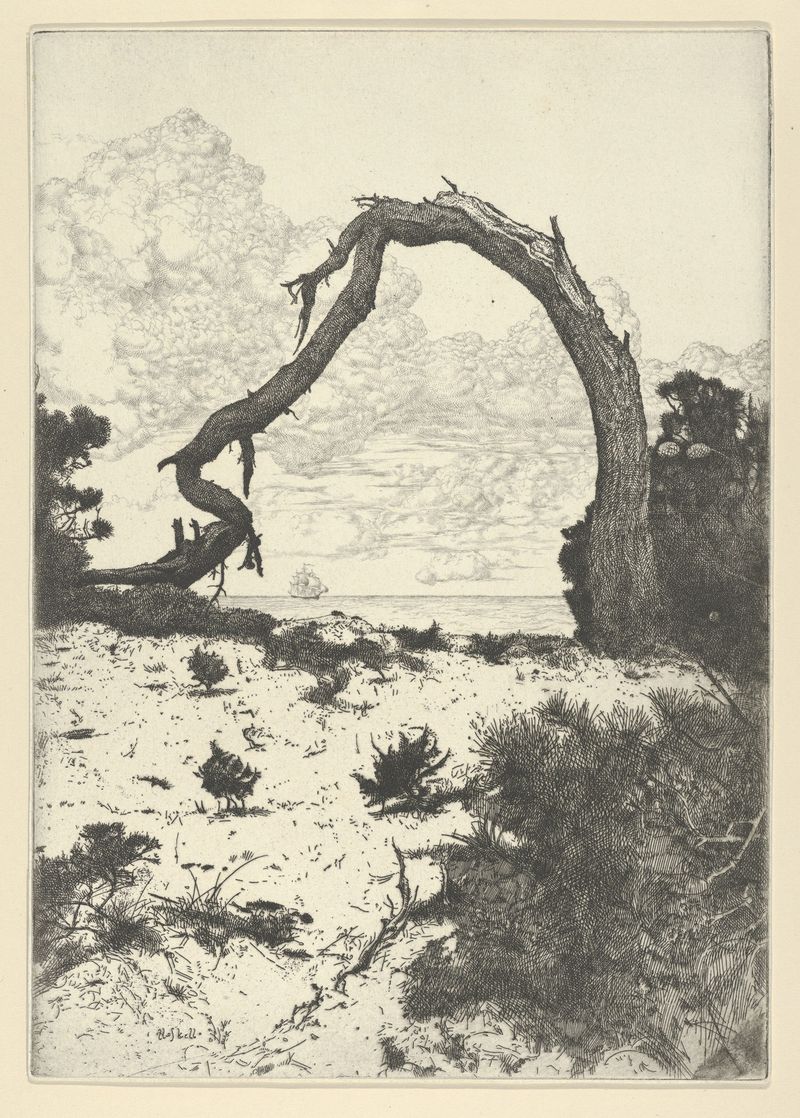
Pine Arch
Ernest Haskell

General Sherman
Ernest Haskell
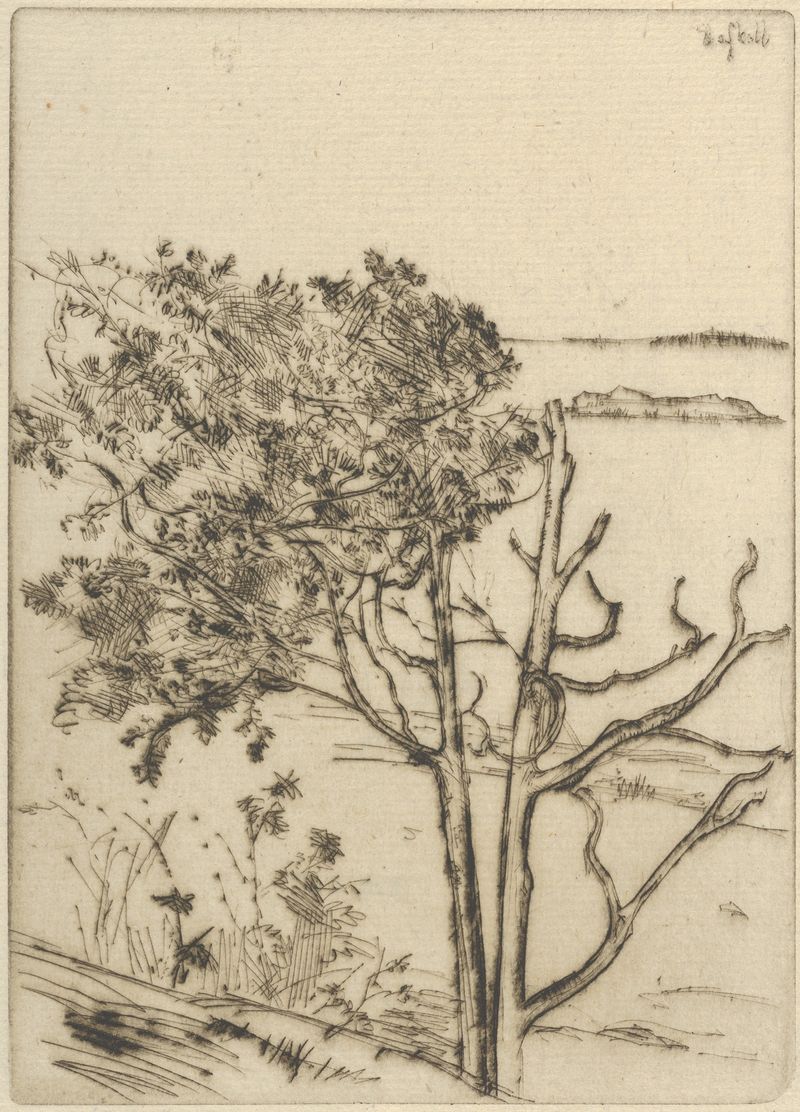
Ragged Tree – Maine
Ernest Haskell

Tide Mill
Ernest Haskell

Ship Building
Ernest Haskell
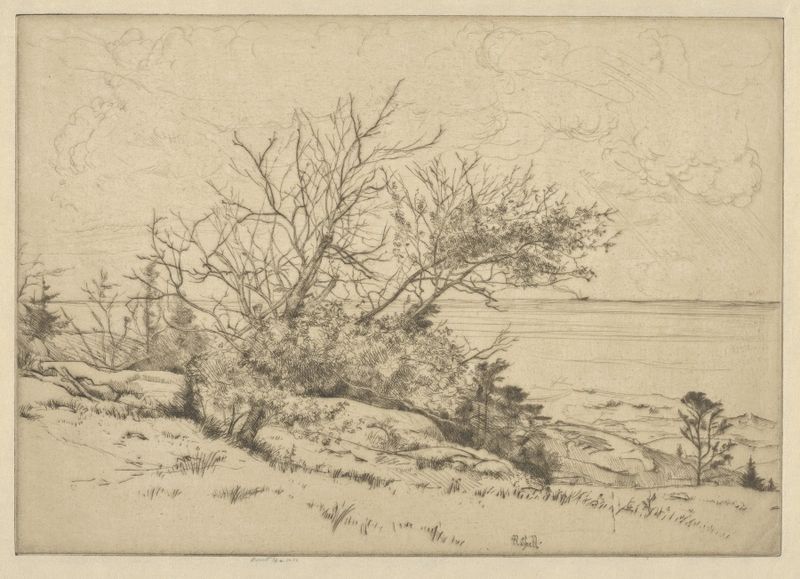
To the Southward – Ragged Island, Me.
Ernest Haskell
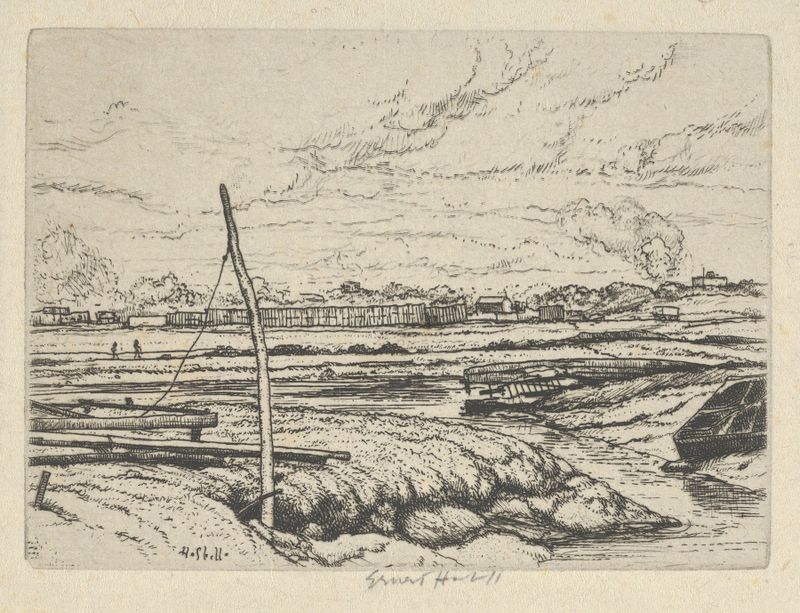
Long Island Marshes
Ernest Haskell





