
Poland – The Year — History & Facts
When Jan Matejko completed Poland – The Year in 1864, the wounds of the failed January Uprising were still raw across the Polish lands. The painting stands as one of the earliest artistic responses to the insurrection that had convulsed the Russian partition of Poland just months before. At a time when public commemoration was forbidden and censorship was fierce, Matejko’s work became a coded act of national remembrance, its allegorical figures and symbols a language of resistance understood by his compatriots.
The painting’s immediate impact was such that, according to contemporary accounts, it was whispered about in Kraków’s salons as “a painting for those who still dare to hope.” At the heart of Poland – The Year is an allegorical tableau: a mourning female figure, draped in the red and white of the Polish flag, sits amid the ruins of a shattered landscape. Around her, ghostly forms—representing past glories and recent martyrs—emerge from the gloom. The broken sword at her feet and the extinguished torch in her hand speak of defeat and lost freedom, while the faint dawn on the horizon hints at the persistence of hope.
Matejko’s use of allegory recalls Delacroix’s Liberty Leading the People, yet where Delacroix’s Liberty charges forward, Matejko’s Poland sits in sorrow, her resolve quiet but unbroken. Every detail, from the laurel wreath slipping from her brow to the scattered papers of a failed constitution, is a meditation on a nation’s suffering and resilience. The exact early history of Poland – The Year is not fully documented, but it is known that Matejko painted it independently, without an official commission, in the aftermath of the uprising. The painting circulated privately before eventually entering the public sphere, where it became a touchstone for Polish national identity.
Over time, it has been exhibited in major Polish museums and is now held in the collection of the National Museum in Kraków, a testament to Matejko’s role as the chronicler of Poland’s history and aspirations. Created at the outset of his career, this work set the tone for Matejko’s lifelong project: to give visual form to the struggles and dreams of his homeland.
More Artworks by Jan Matejko
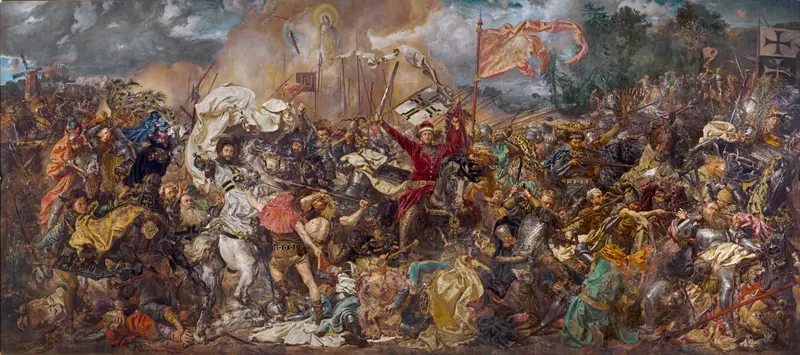
Battle of Grunwald
Jan Matejko

Stańczyk
Jan Matejko

Battle of Raclawice
Jan Matejko
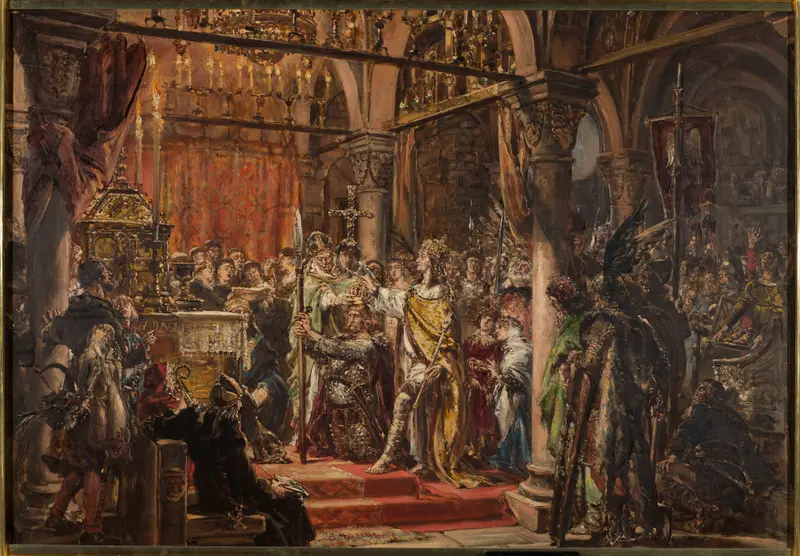
Coronation of the First King, 1001 AD, from the series “History of Civilization in Poland”
Jan Matejko
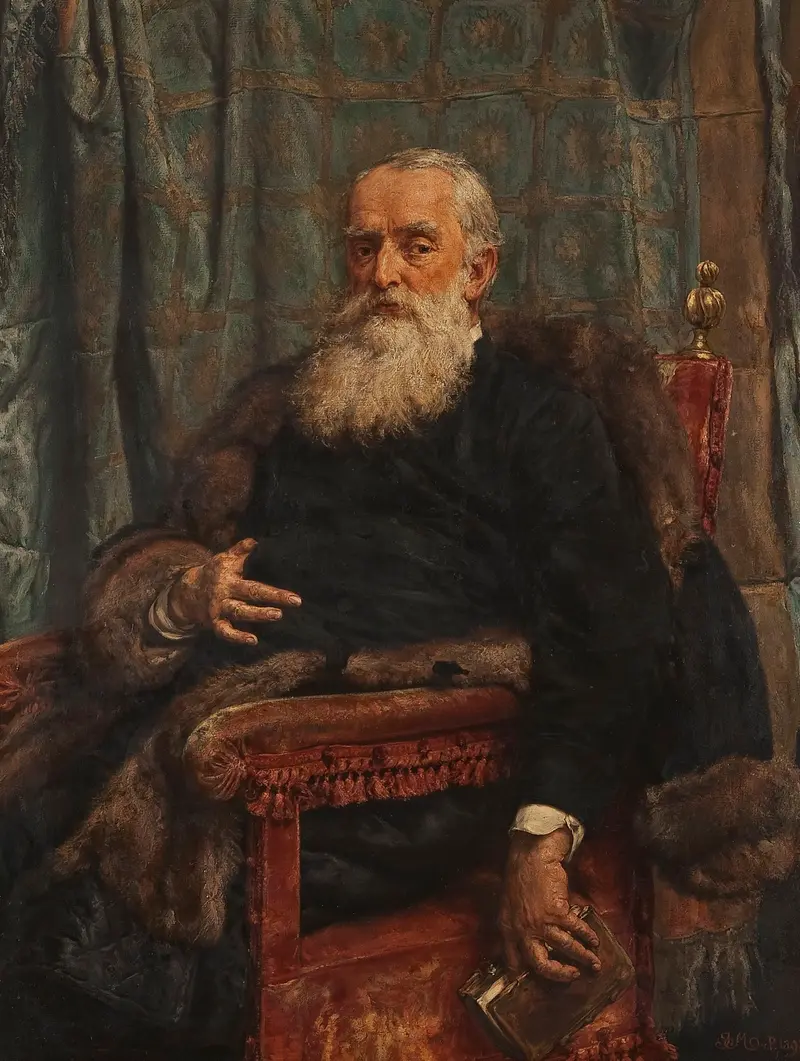
Portrait of Henryk Krajewski
Jan Matejko
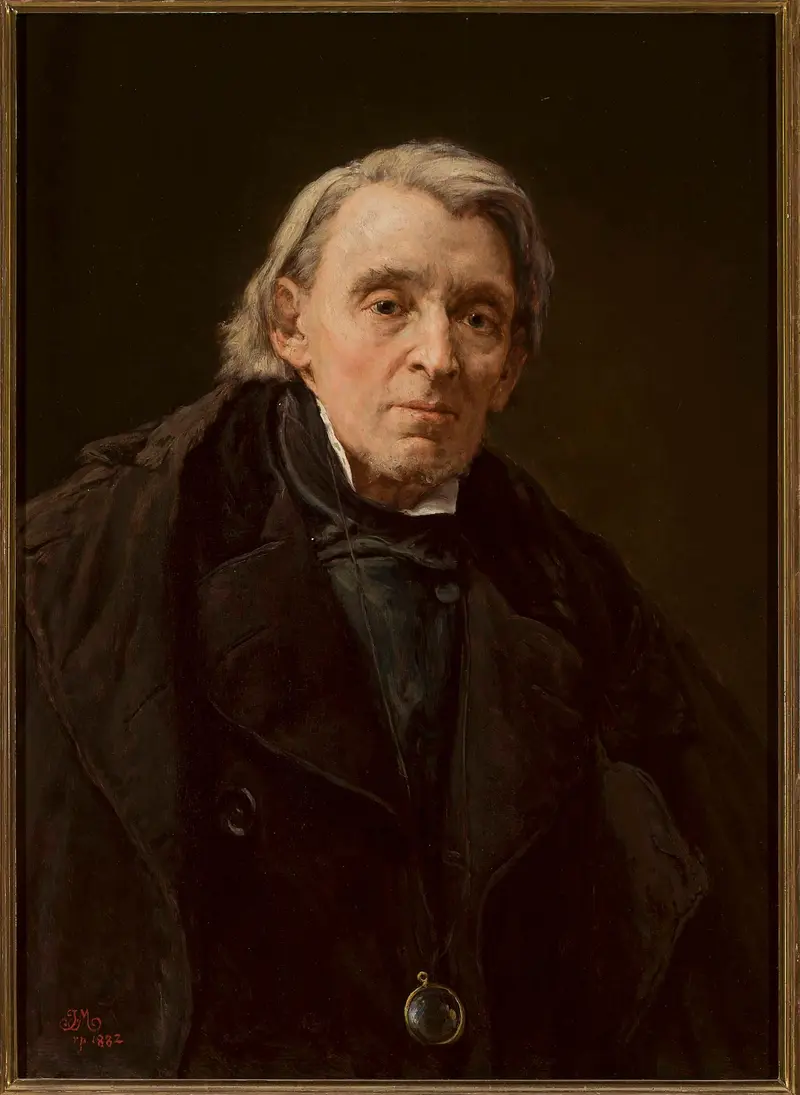
Portrait of Karol Podlewski
Jan Matejko
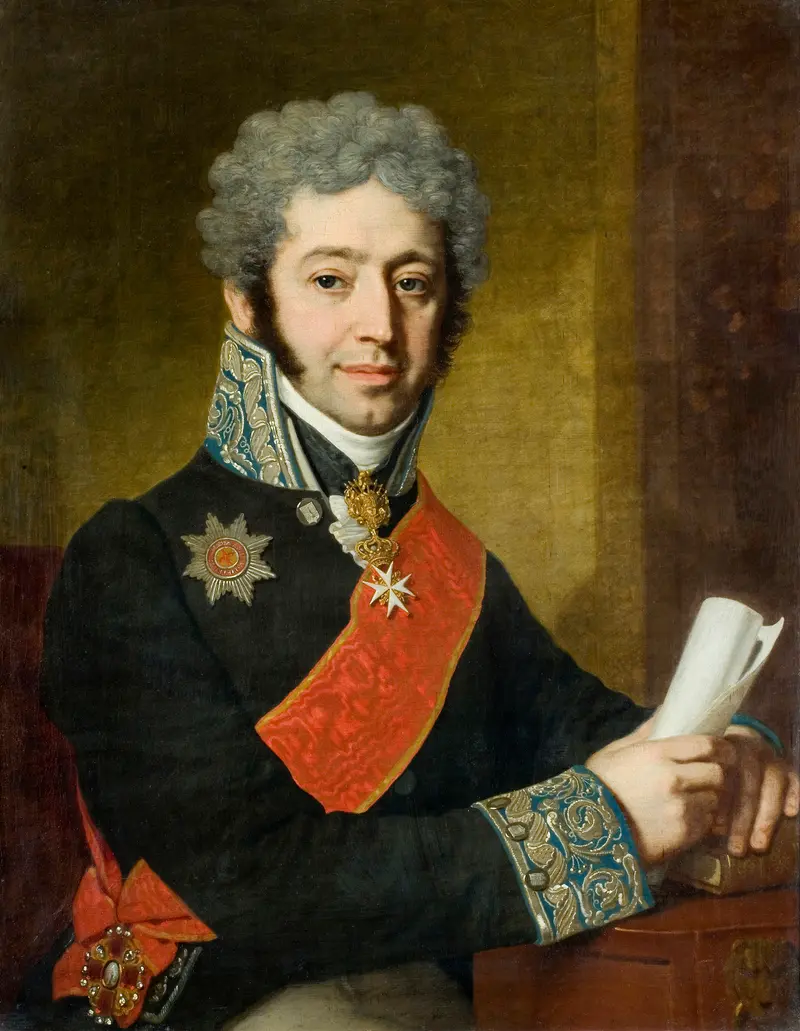
Portrait of Potocki and Poninski
Jan Matejko
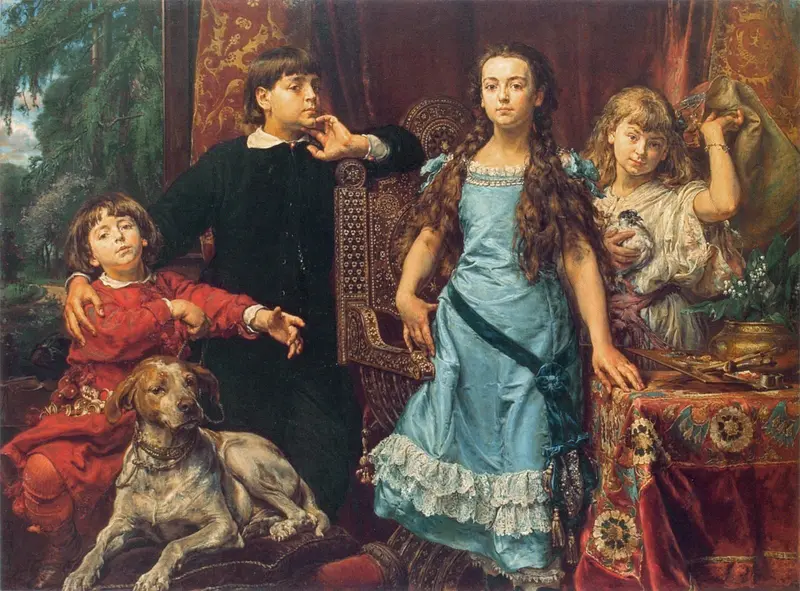
Portrait of the artist's four children
Jan Matejko
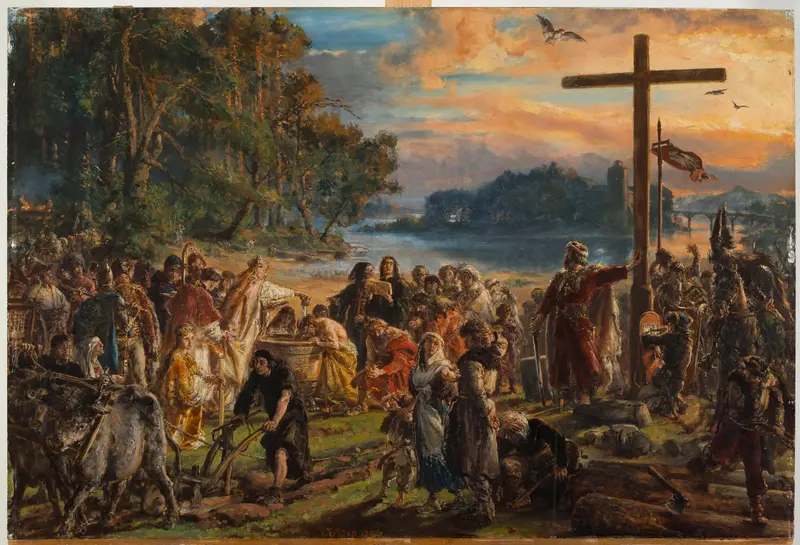
Introduction of Christianity in Poland
Jan Matejko
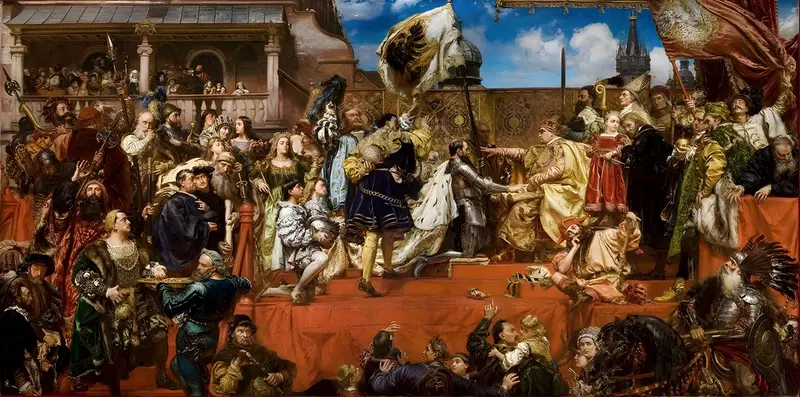
Prussian Homage
Jan Matejko





