
Polish Hamlet (Portrait of Aleksander Wielopolski) — History & Facts
Polish Hamlet (Portrait of Aleksander Wielopolski) is an oil painting completed by Jacek Malczewski in 1903. The work was created during a period when Malczewski was exploring themes of Polish national identity and history, often through allegorical portraiture. The painting is part of the collection of the National Museum in Warsaw. The composition features three figures set against an open landscape.
At the center stands a man, identified as Aleksander Wielopolski, dressed in a striped garment and holding a daisy, with a contemplative expression. Flanking him are two women who personify Poland: on the right an older, grey-haired woman in dark clothes with shackled hands, the enslaved Poland, and on the left a half-naked young woman breaking her fetters, the young Poland. The scene is rendered in a naturalistic style, with careful attention to the textures of skin, fabric, and the muted, earthy tones of the background. This painting is held by the National Museum in Warsaw, where it represents a significant example of early 20th-century Polish allegorical painting.
Malczewski’s work from this era is known for its symbolic approach to Polish history and its use of portraiture to convey broader national themes. The painting remains one of the artist’s most recognized works, frequently exhibited and discussed in studies of Polish art from the turn of the century.
More Artworks by Jacek Malczewski

End of the century – 31 December 1899, landscape with a coffin
Jacek Malczewski
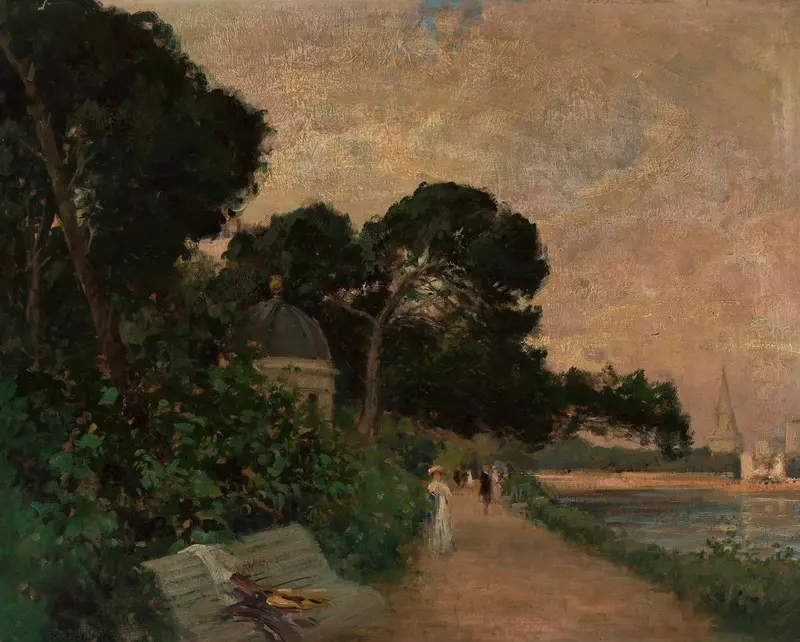
Landscape
Jacek Malczewski
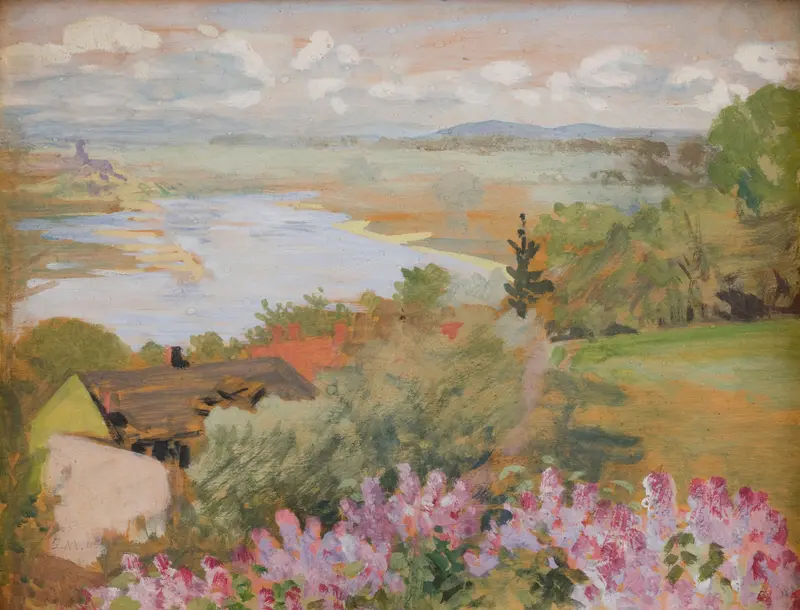
Valley of the Vistula from Zwierzyniec
Jacek Malczewski
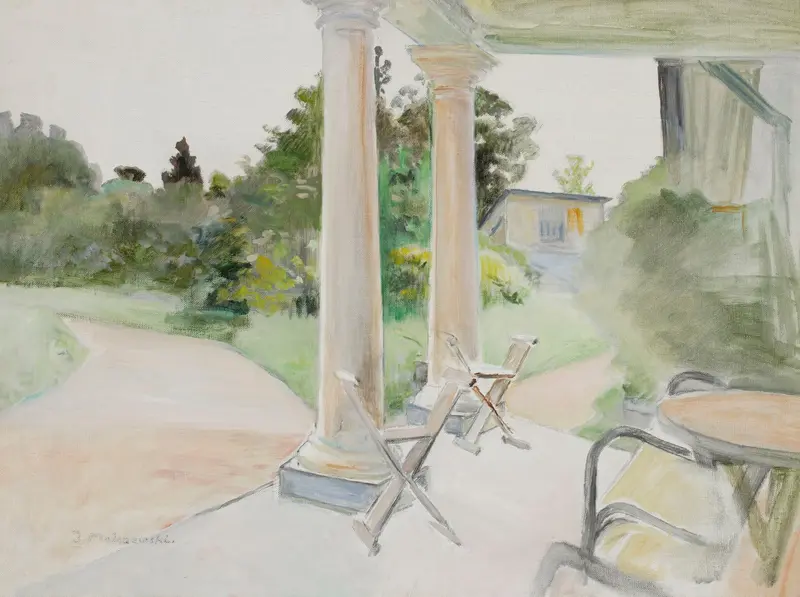
View from the porch in Lusławice
Jacek Malczewski
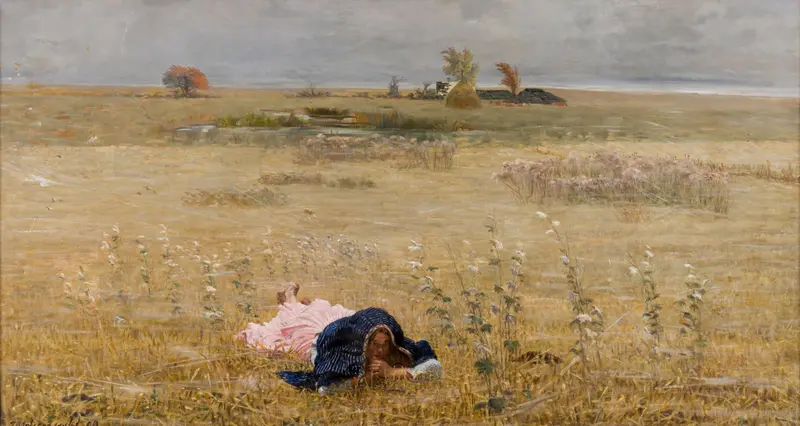
In Autumn
Jacek Malczewski
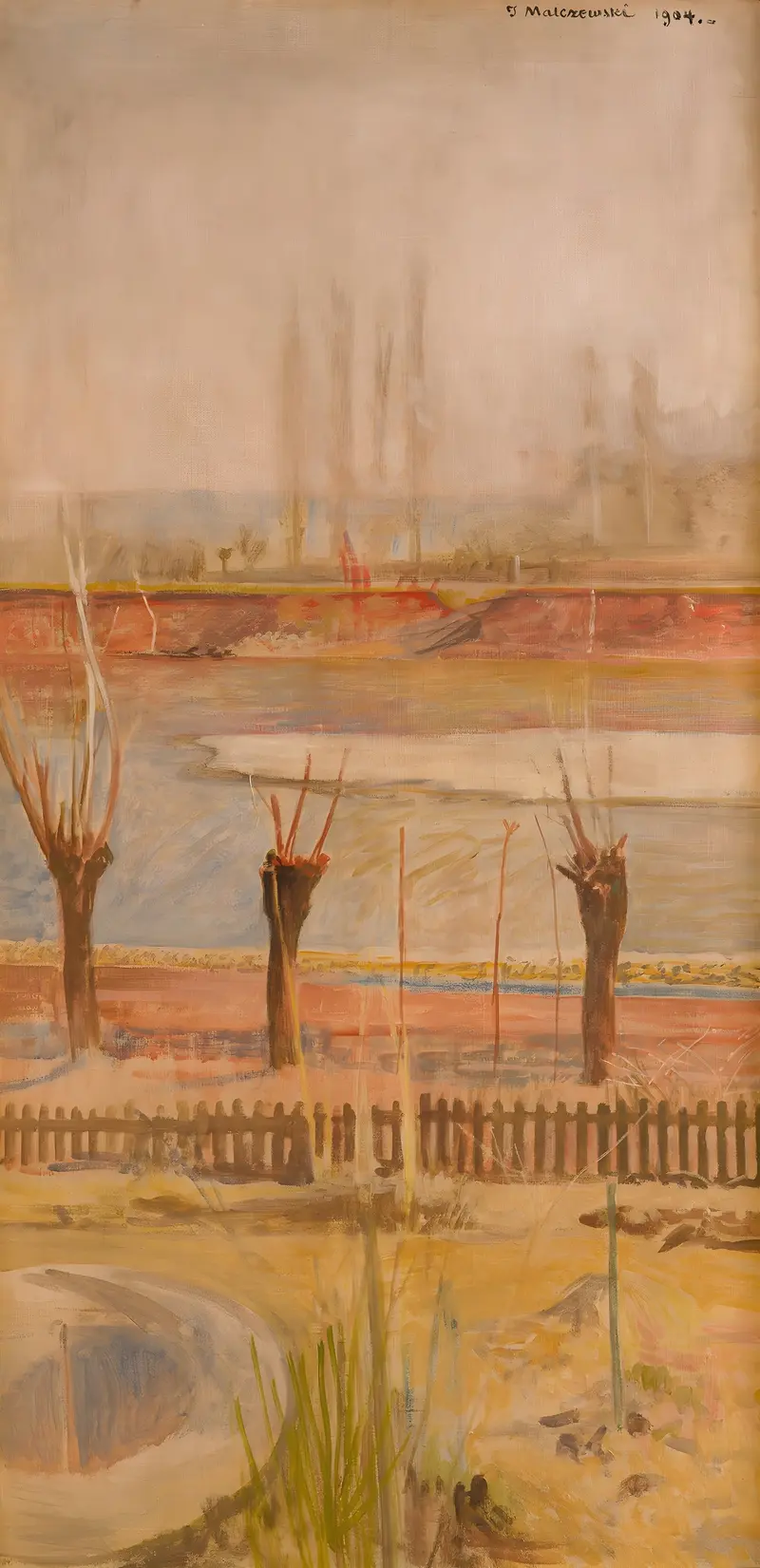
Landscape from the Banks of the Vistula
Jacek Malczewski
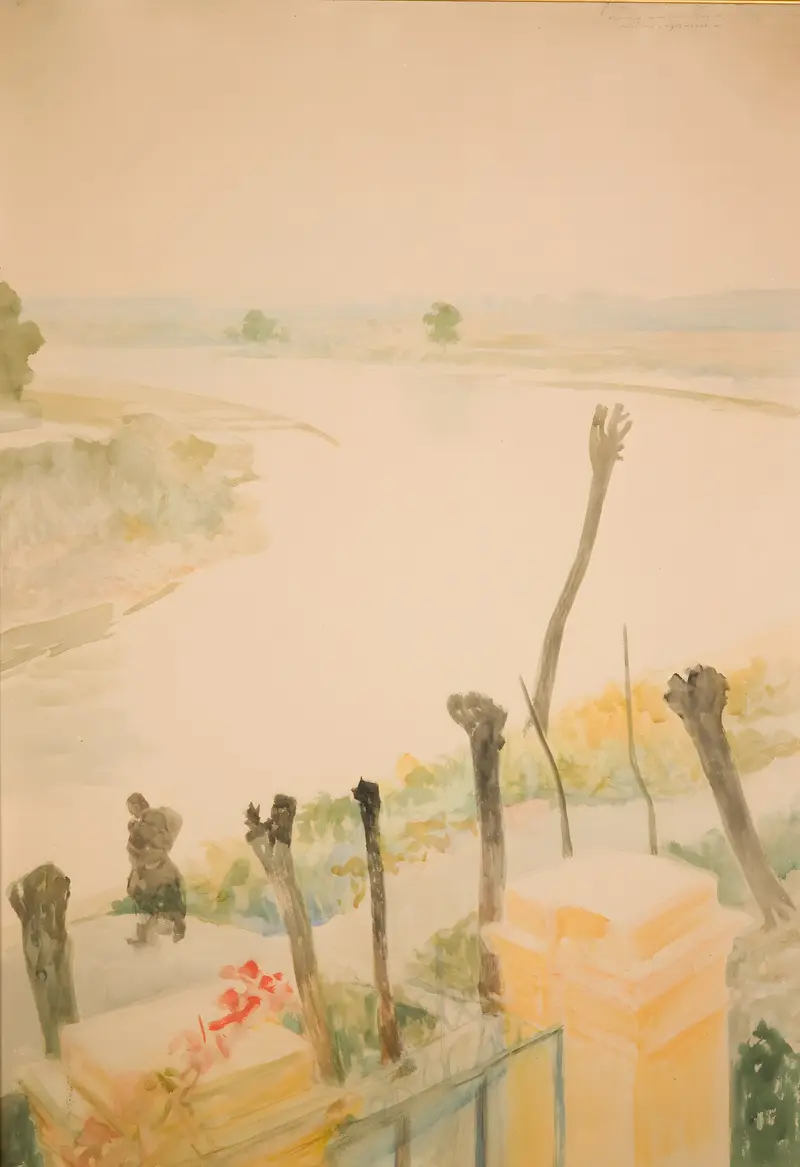
Landscape from the Vistula
Jacek Malczewski
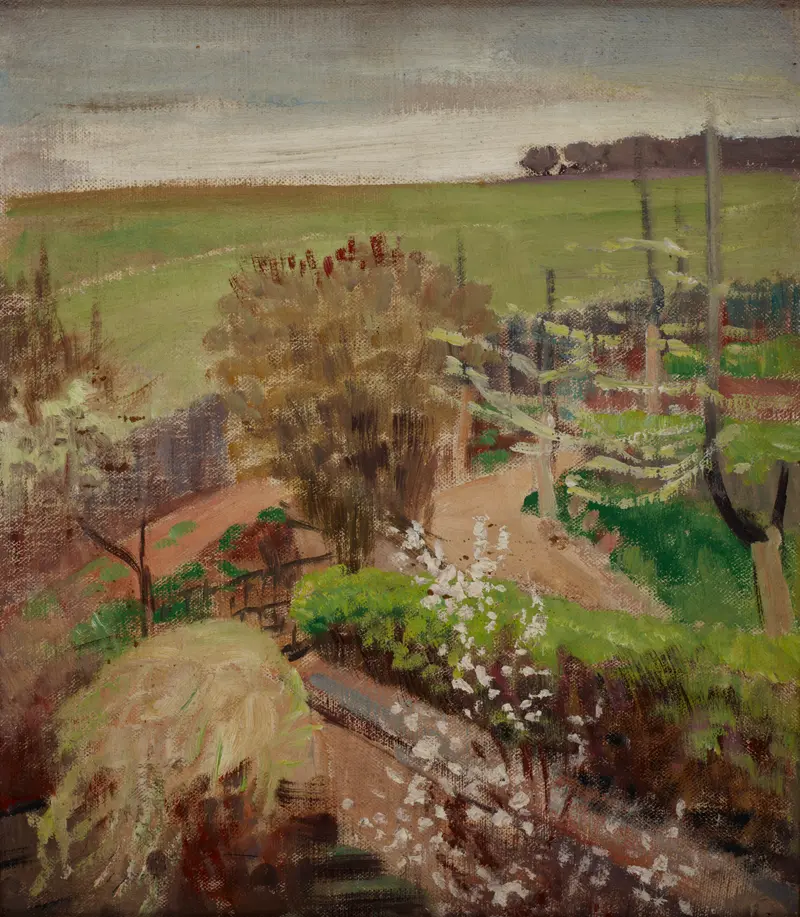
Spring Landscape from the Countryside
Jacek Malczewski
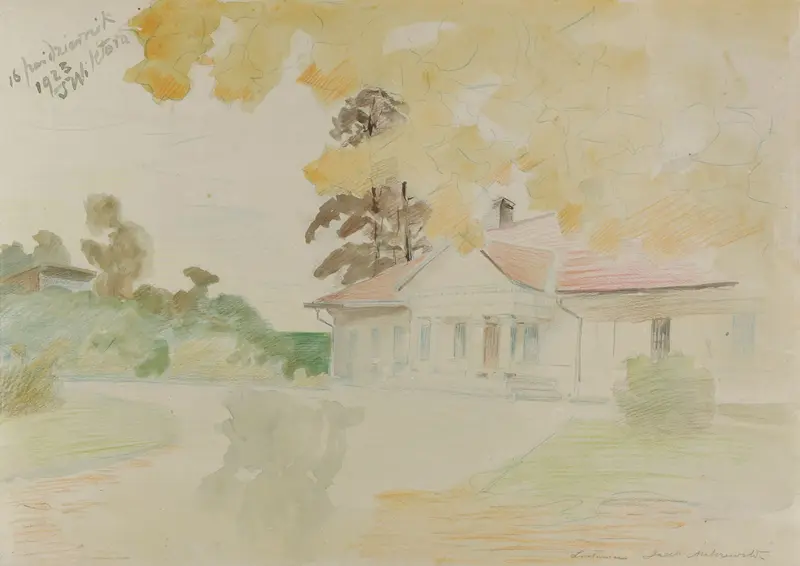
Manor house in Lusławice
Jacek Malczewski
Country Farm
Jacek Malczewski





