Pont des Treilles te Angers — History & Facts
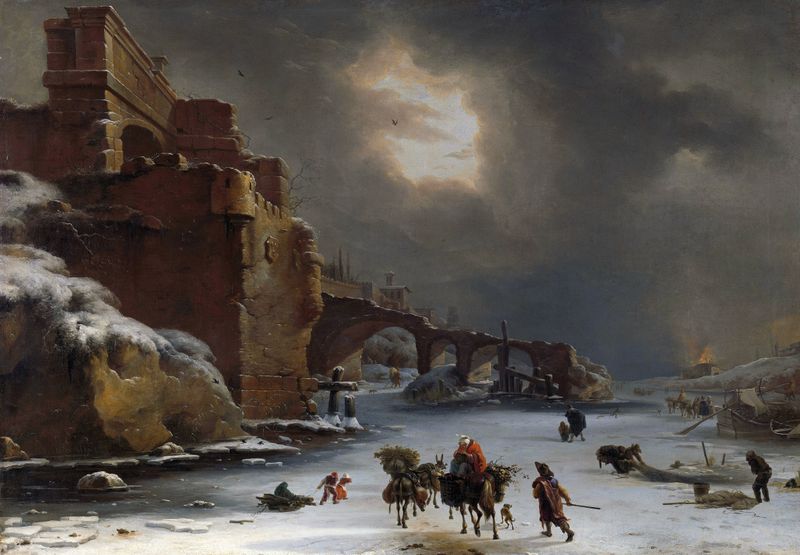
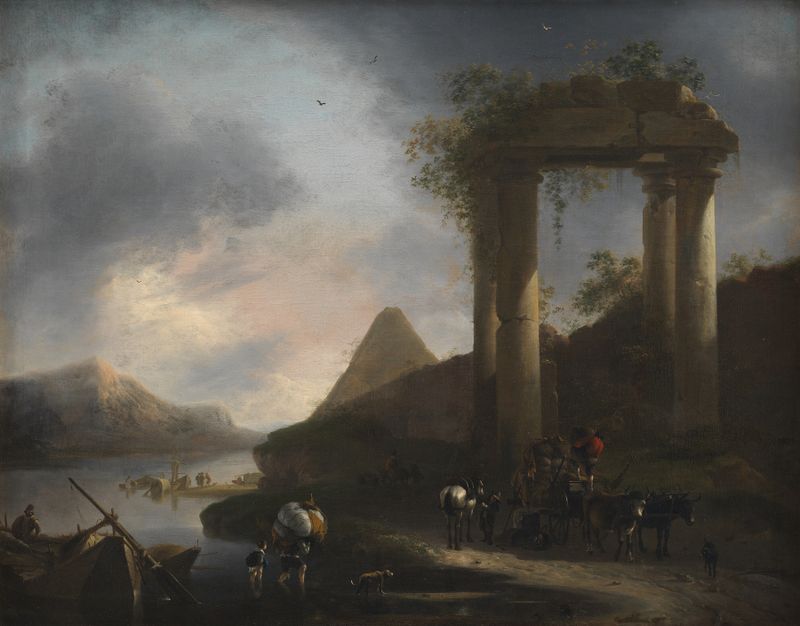
Can paint confess what words never could? In Pont des Treilles te Angers, the canvas reveals a quiet destiny, where the interplay of nature and architecture whispers stories of lives entwined in the shadows of a bridge. Look to the left at the gracefully arched bridge, its structure standing firm against an expanse of tranquil water that reflects the soft hues of dawn. The muted palette harmonizes with the delicate strokes, inviting you to explore the gentle blend of greens and blues that evoke a sense of calm. Notice how the clouds are infused with light, creating a celestial backdrop that contrasts the earthly elements of the scene, bringing the viewer into a space caught between reality and reverie. Within the composition lies a subtle tension between permanence and transience.
The solid bridge signifies stability, while the rippling water hints at change, illustrating the ever-shifting course of life. The figures in the foreground, small and almost indistinct, suggest the fleeting nature of human presence against the vastness of the landscape. Their silhouettes blend into the scenery, inviting contemplation about the stories bound to the space they occupy. Created between 1645 and 1646, this work emerged during a pivotal time for its creator, who was navigating the vibrant art scene in the Netherlands.
It reflects a moment when landscape painting was gaining prominence, showcasing the merging of natural beauty with human achievement. As Schellinks captured this serene view, he also encapsulated the essence of an era that sought to balance the inner world of emotion with the outer realm of form.