
Pool of Bethesda Jerusalem — History & Facts
In the intricate dance of hues, a narrative unfolds, urging us to seek the deeper layers beneath the surface. Look to the center of the composition where the Pool of Bethesda ripples gently, an inviting azure that contrasts sharply with the earthy tones surrounding it. The viewer's gaze is drawn to the delicate figures poised at the pool's edge, their postures conveying a mix of hope and desperation. Notice how light cascades softly over the scene, illuminating the delicate contours of the figures while casting shadows that hint at the unseen weight of their desires. As you explore the fringes, hidden meanings come to life—each figure representing a facet of humanity's search for healing and salvation.
The juxtaposition of vibrant color against the muted backdrop suggests a struggle between spiritual aspiration and earthly reality. The stillness of the water mirrors the soul's yearning for peace, while the tension in the figures' gestures encapsulates the bittersweet nature of hope in the face of suffering. Luigi Mayer created this evocative piece in 1804 while traveling in Jerusalem, capturing the essence of a sacred site that draws pilgrims and the curious alike. During this period, art was undergoing significant transformations, moving towards Romanticism and a focus on emotional resonance.
Mayer, influenced by the Enlightenment's fascination with the exotic and the historical, sought to bridge the spiritual and the tangible through this serene yet poignant depiction of the iconic pool.
More Artworks by Luigi Mayer
Browse all →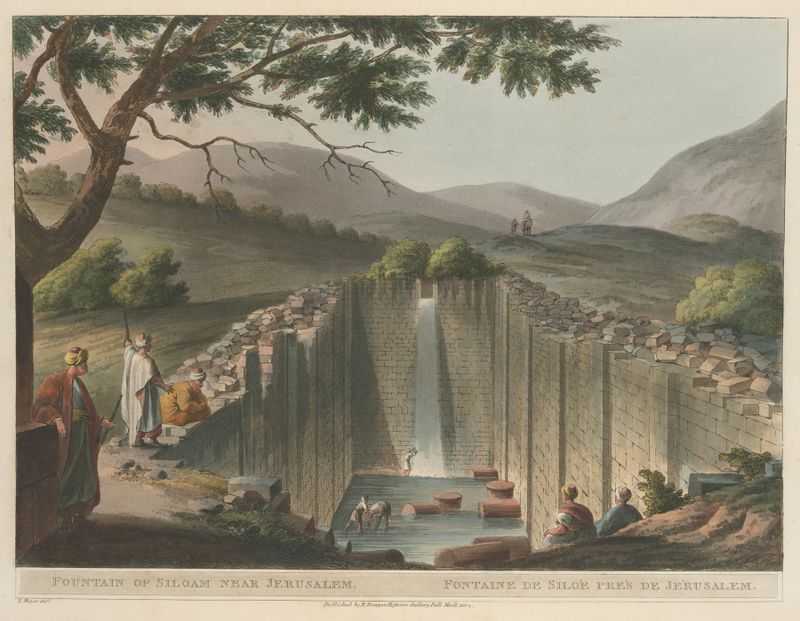
Fountain of Siloam Near Jerusalem
Luigi Mayer

View of the Dardanelles
Luigi Mayer
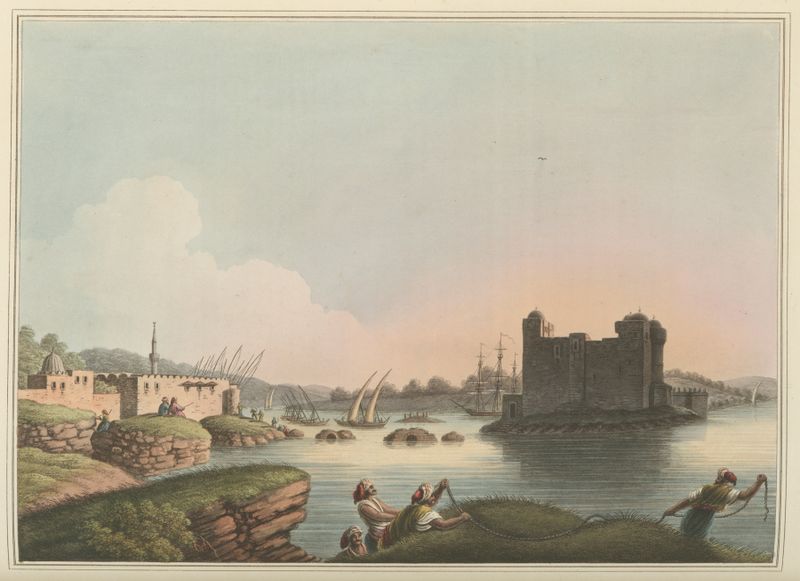
Port of Latachia
Luigi Mayer

Stadium at Ephesus
Luigi Mayer

Ancient Temples at Agrigentum
Luigi Mayer
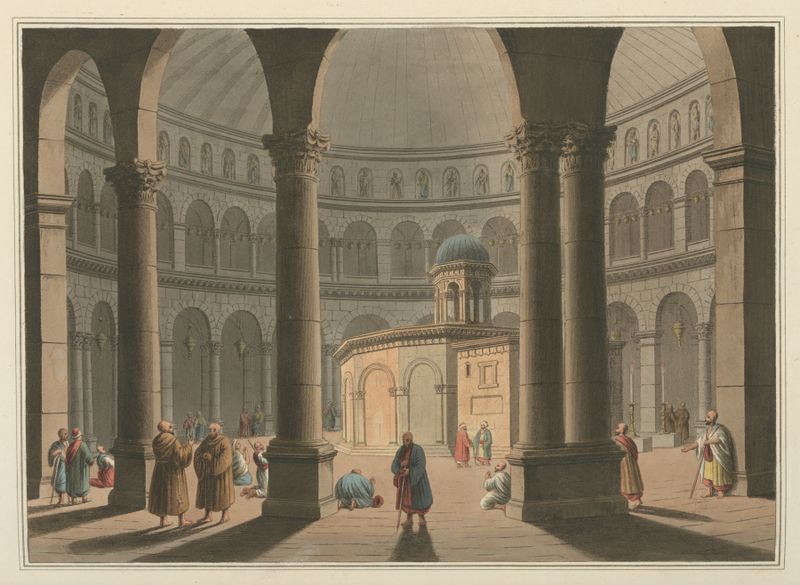
Church of the Holy Sepulchre
Luigi Mayer
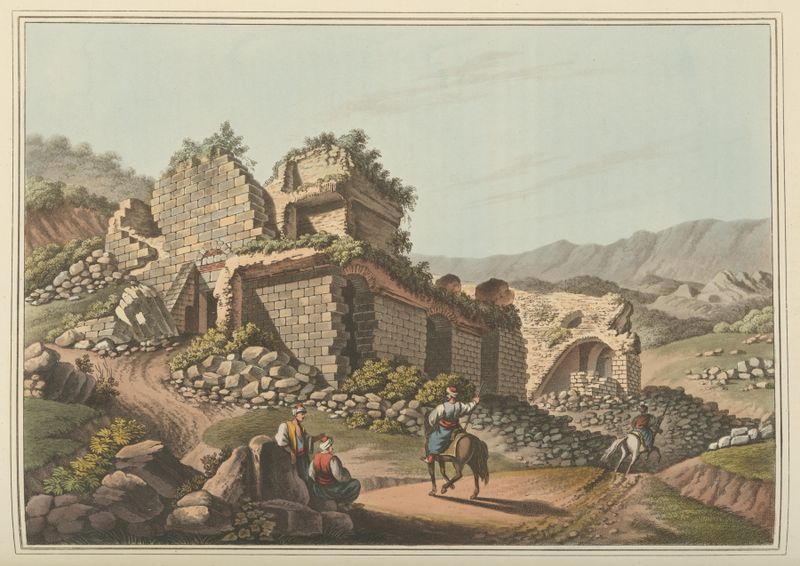
Theatre at Ephesus
Luigi Mayer
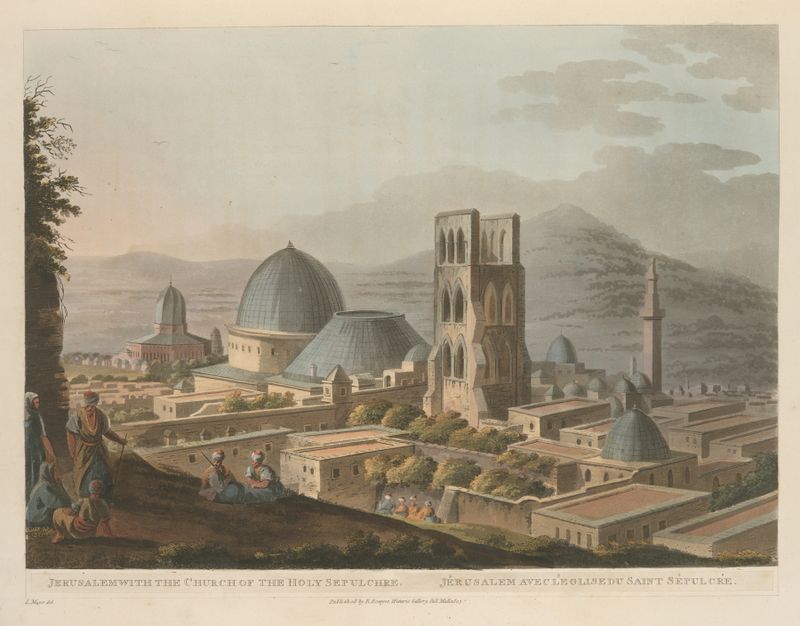
Jerusalem with the Church of the Holy Sepulchre
Luigi Mayer
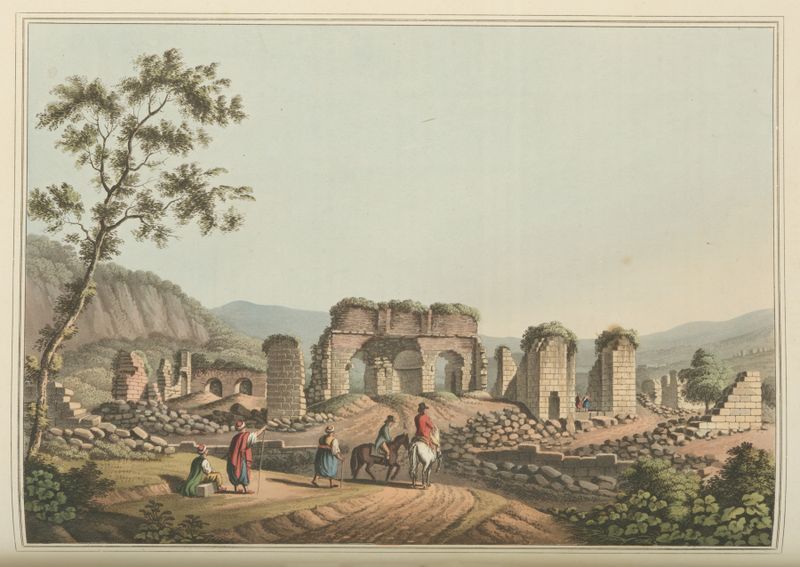
Ruins of the Temple of Diana at Ephesus
Luigi Mayer

Crater in the Island of Volcano
Luigi Mayer
More Religious Art
Browse all →
The Return of the Prodigal Son
Rembrandt van Rijn

The Garden of Earthly Delights
El Bosco

Count Orgaz’ funeral
El Greco

The Hundred Guilder Print: the central piece with Christ preaching, the plate arched
Rembrandt van Rijn

The Descent from the Cross
Rogier van der Weyden

The return of the prodigal son
Rembrandt van Rijn