
Poort van het stadhuis in Rothenburg ob der Tauber — History & Facts
Did the painter know this moment would outlive them? A fleeting encounter with a city gate, immortalized through layers of paint and passion, speaks of an obsession with permanence amidst the ephemeral. Focus on the grand archway at the center, where the textured stones tell stories of time and weathering. The meticulous brushwork captures the interplay of light and shadow, defining the gate's majestic form against the softer hues of the surrounding buildings. Notice how the warm tones of the sun-kissed bricks contrast with the cool shadows, evoking a sense of time standing still, inviting you into a scene both nostalgic and timeless. As you delve deeper, consider the hidden tensions within the composition.
The archway symbolizes a threshold—between the past and the present, between the comfort of familiarity and the allure of the unknown. The meticulous attention to detail reflects a yearning for the permanence that eludes human existence, while the lively colors suggest the vibrancy of life that persists outside those stone walls. This duality speaks to an artist’s struggle with the passage of time, highlighting both the beauty and the fragility of such moments. Willem Adrianus Grondhout painted this piece between 1888 and 1934, a period marked by significant artistic transformation.
Living in the Netherlands, Grondhout was immersed in a world where the Romantic movement gave way to modernism. This transitional era influenced his approach to landscape and architectural painting, as he sought to capture the essence of places that held meaning, reflecting both the historical weight of their existence and the artist’s profound emotional connection with his surroundings.
More Artworks by Willem Adrianus Grondhout
Browse all →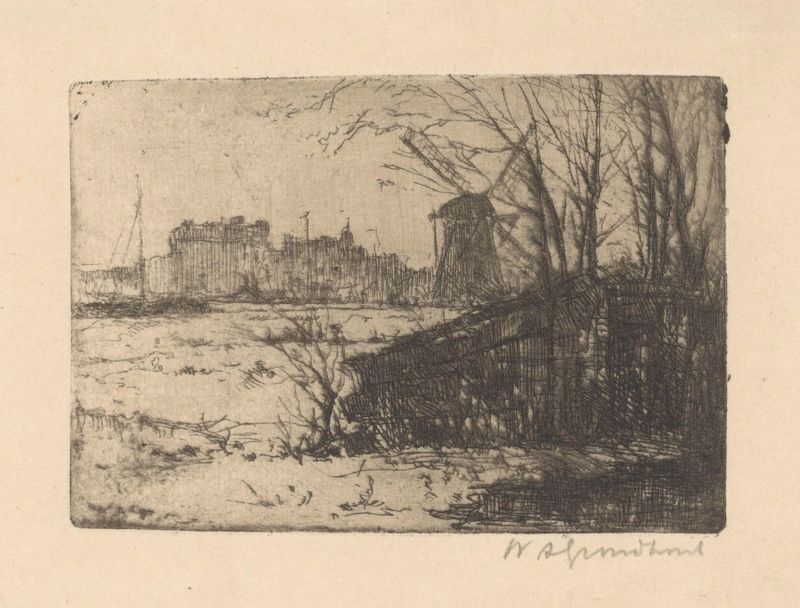
Landschap met molen in de Binckhorst in Den Haag
Willem Adrianus Grondhout
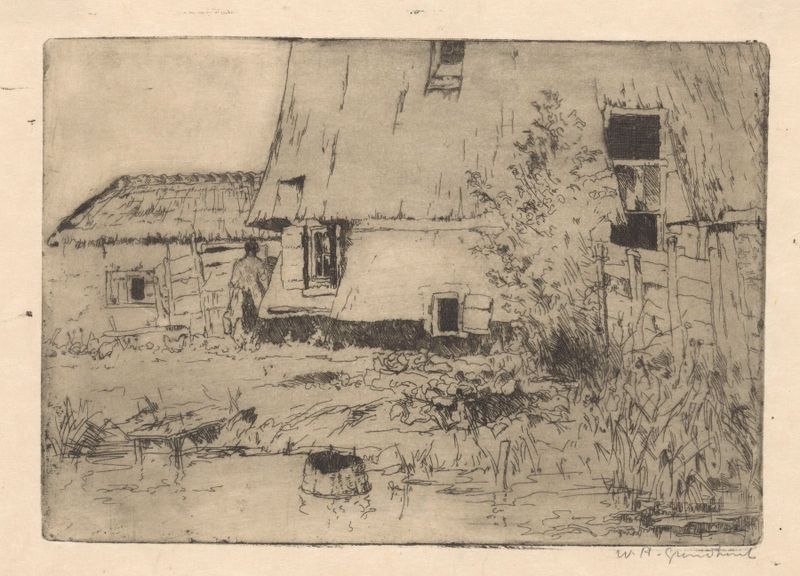
Voet van een molen in Voorburg
Willem Adrianus Grondhout
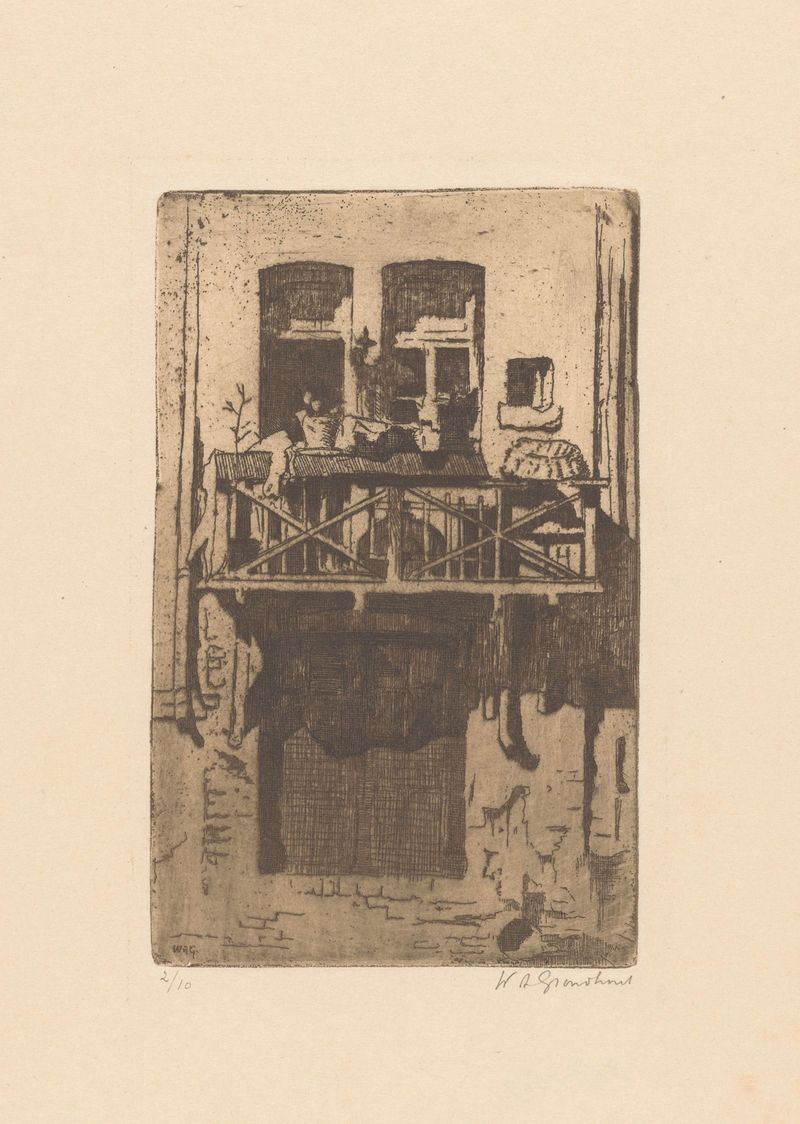
Balkon van een huis aan de Oudezijds Kolk in Amsterdam
Willem Adrianus Grondhout
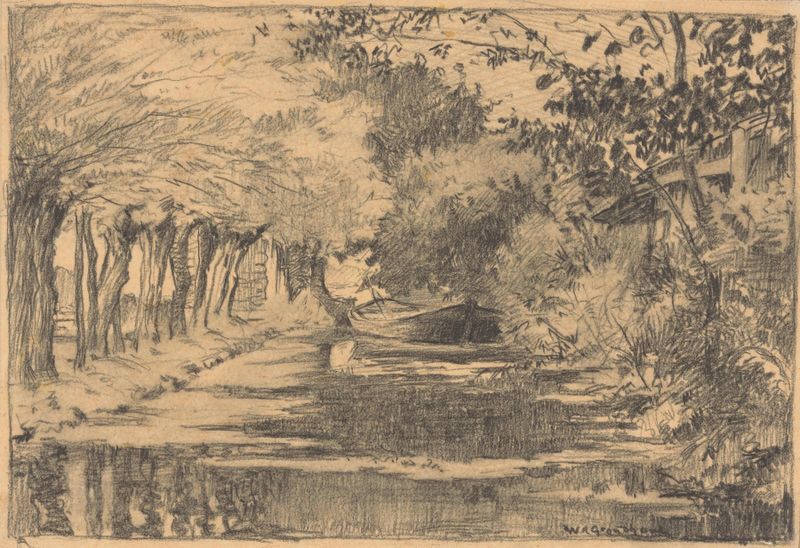
Broeksloot bij Voorburg
Willem Adrianus Grondhout
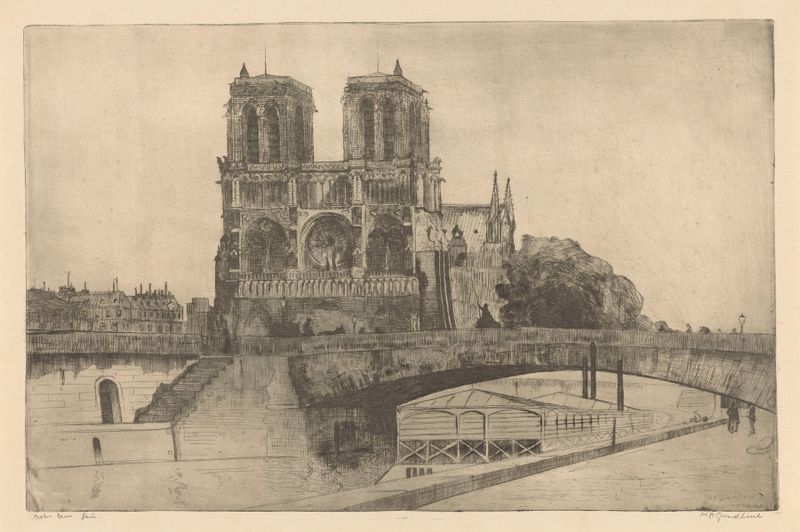
Notre-Dame, Paris
Willem Adrianus Grondhout
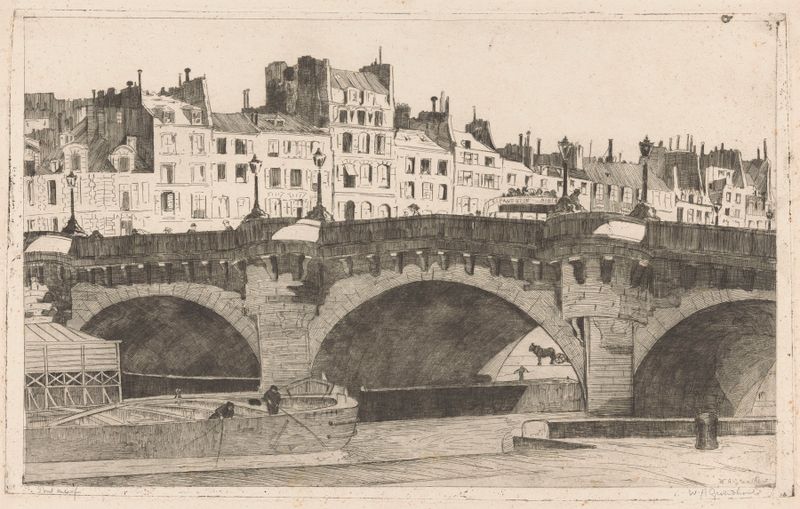
Pont Neuf
Willem Adrianus Grondhout
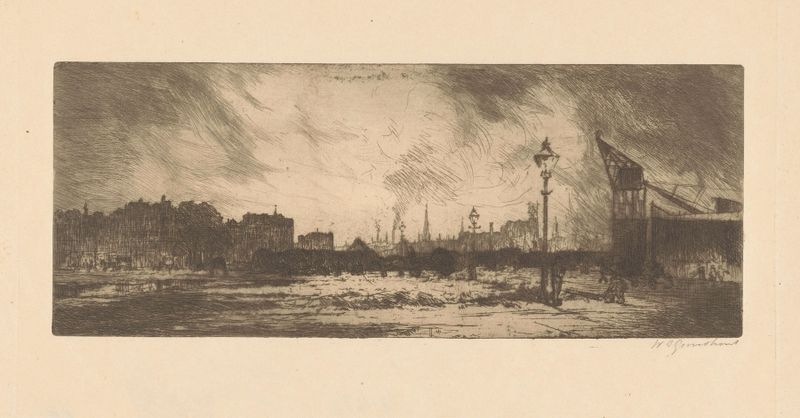
Havenkade met lantaarnpalen in Rotterdam
Willem Adrianus Grondhout
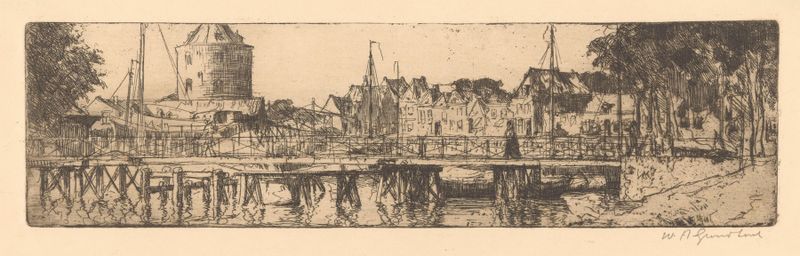
Enkhuizen
Willem Adrianus Grondhout
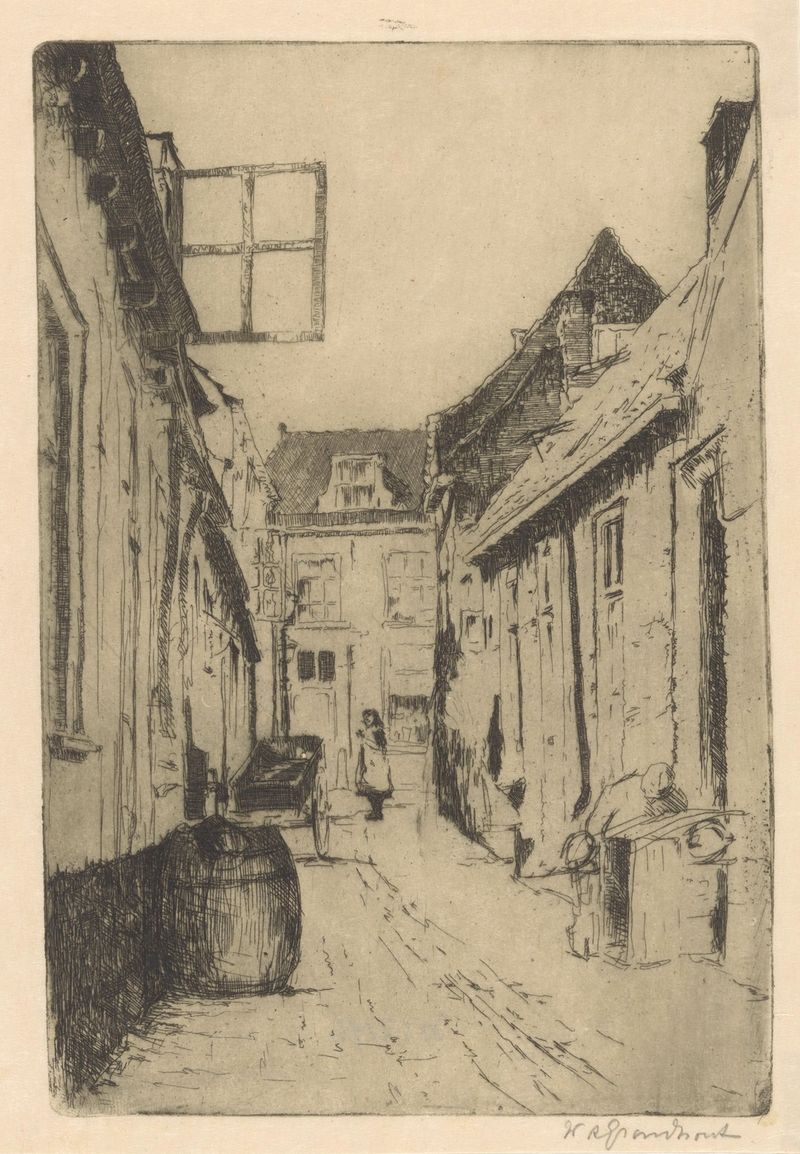
Straatje in Voorburg.
Willem Adrianus Grondhout
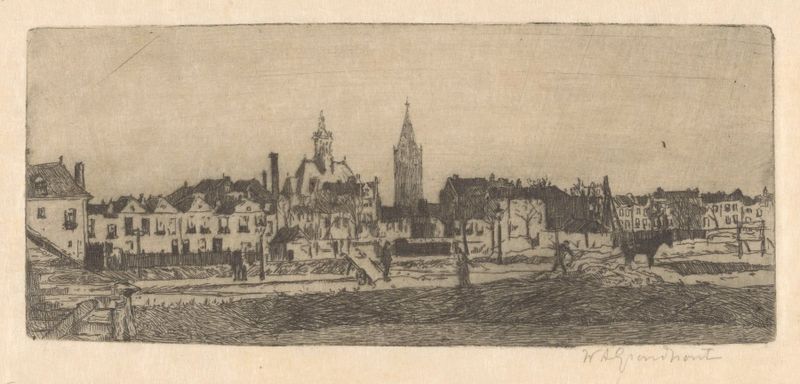
Delft
Willem Adrianus Grondhout
More Architecture Art
Browse all →
The statue of Liberty
Frédéric Auguste Bartholdi

View of Houses in Delft, Known as ‘The Little Street’
Johannes Vermeer

View of Houses in Delft, Known as ‘The Little Street’
Johannes Vermeer

The Cathedral in Rouen. The portal, Grey Weather
Claude Monet

The yellow house
Vincent van Gogh

The Church in Auvers-sur-Oise, View from the Chevet
Vincent van Gogh