Port Puce. Belle-Isle — History & Facts
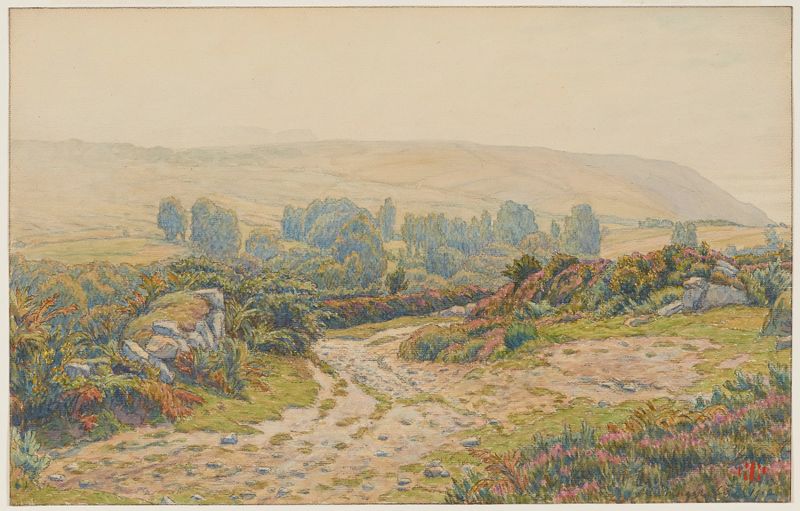
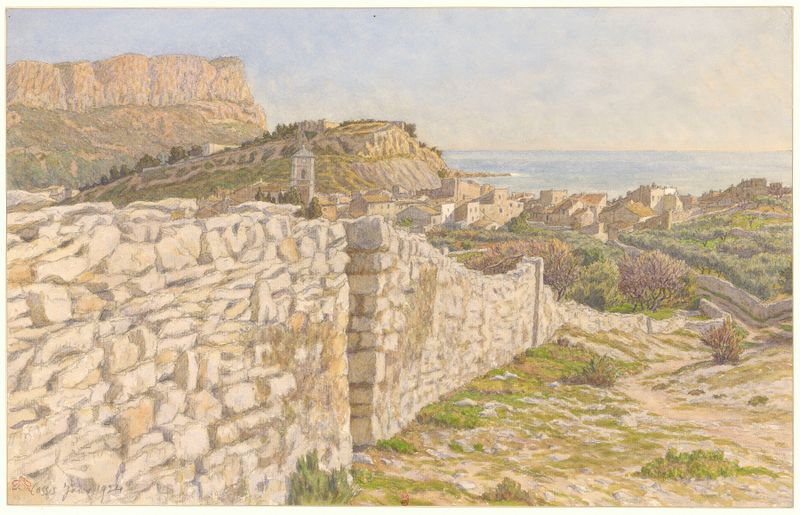
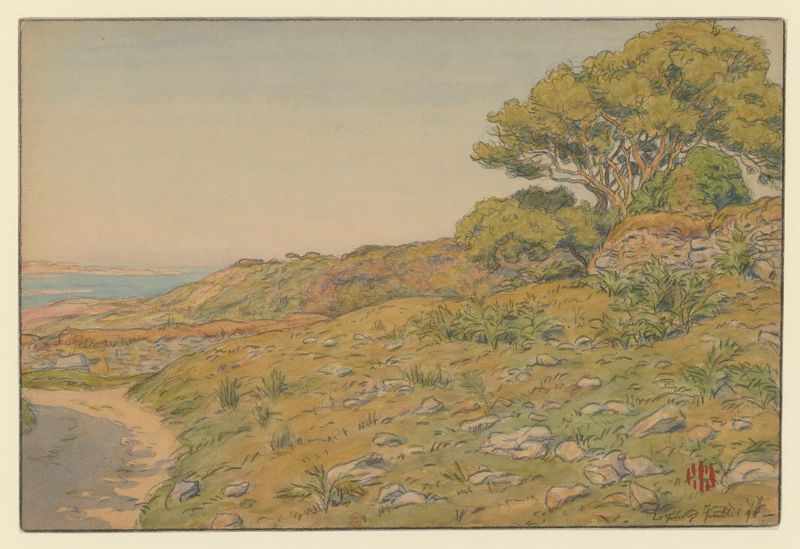
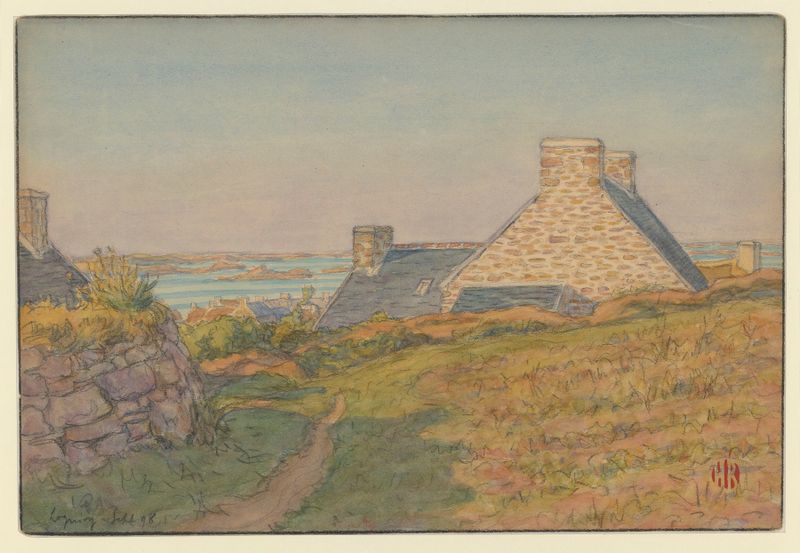
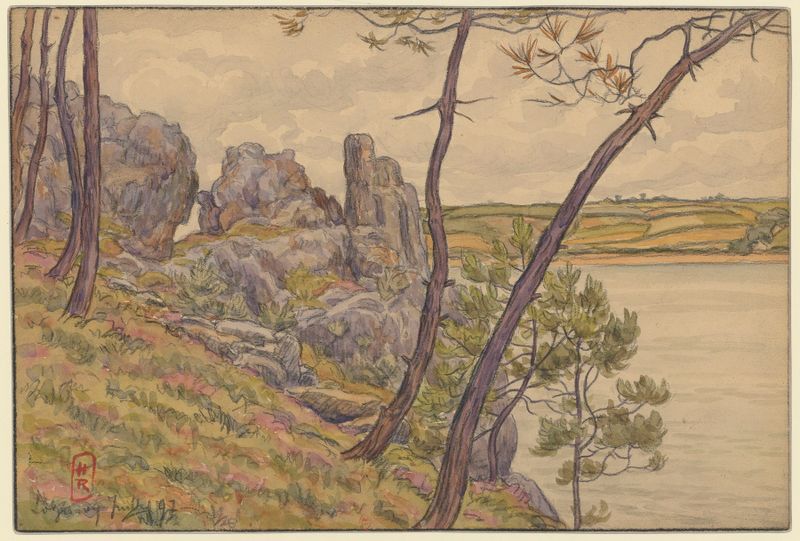
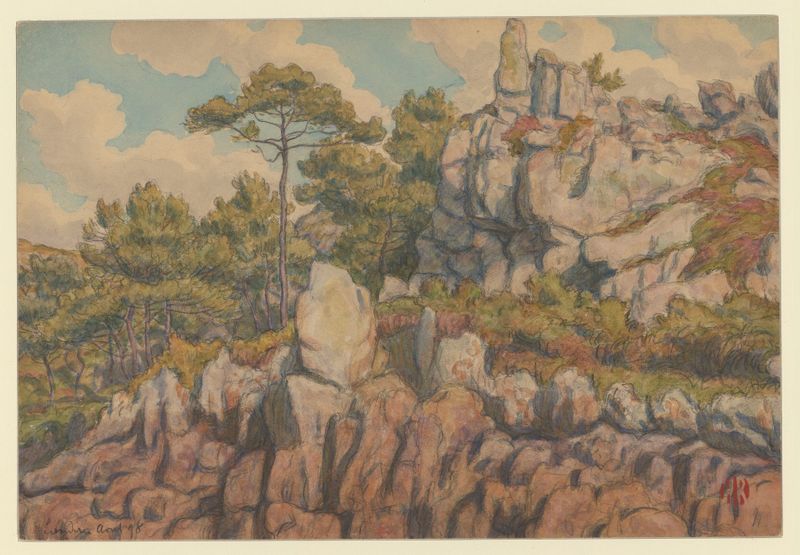
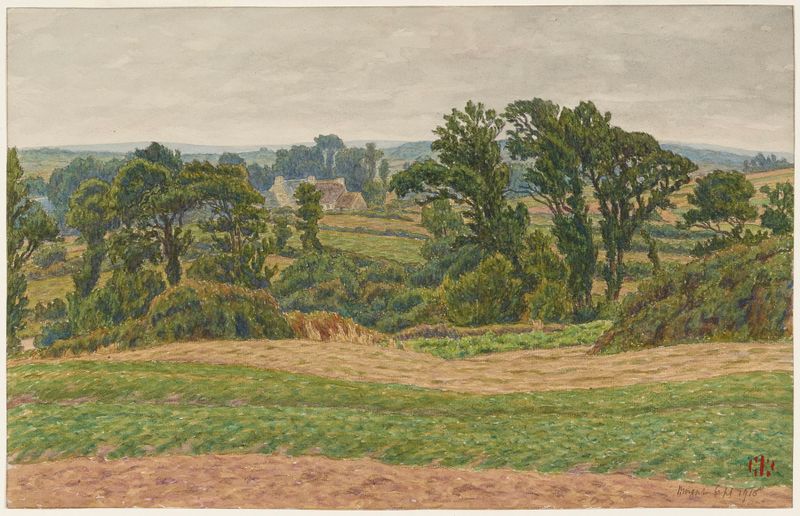
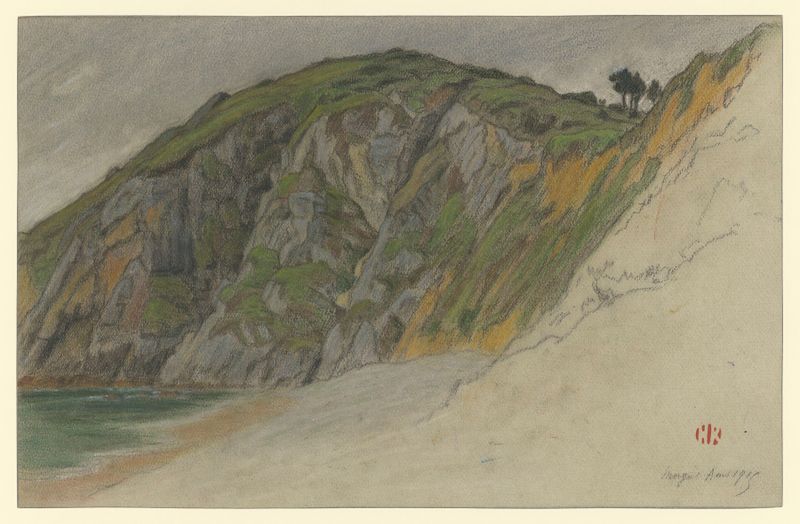
In Port Puce. Belle-Isle, the artist reveals the delicate interplay between beauty and fear within nature’s embrace. A sense of vulnerability lingers, as if the landscape holds its breath, waiting for an unpredictable swell of emotion. Focus on the hues in the foreground; brilliant greens and deep blues intermingle, crafting a vibrant yet unsettling atmosphere.
Notice how the brushstrokes ripple across the surface, mirroring the restless waves that threaten to break the calm. The composition draws the eye to the tumultuous sky, where ominous clouds loom like turbulent thoughts, casting silhouettes that dance upon the water's edge. Each detail, from the rocking boats to the distant shoreline, serves to amplify the tension, creating a world poised on the verge of chaos. Within the tension of this landscape lies a profound exploration of fear — fear of the unknown lurking beneath the surface, fear of nature's unpredictability, and even the fear of solitude in a vast, empty space.
The quiet figures scattered along the shore echo the internal struggles of humanity, caught between the serene beauty and the lurking dread of the sea's immensity. This duality invites the viewer to grapple with their own hidden fears as they navigate the scene before them. In 1910, Henri Rivière painted Port Puce. Belle-Isle while immersing himself in the coastal beauty of France, a time when the art world was beginning to embrace Impressionism’s freedom.
As he captured the essence of this tranquil yet turbulent setting, Rivière was part of a movement that sought to express both emotional depth and the ephemeral qualities of nature, reflecting a growing desire to move beyond traditional artistic boundaries.