
Portrait d’Armand — History & Facts
In Portrait d’Armand, the viewer is greeted with a vibrant palette of colors. The subject, Armand, is depicted with a thoughtful expression, surrounded by a soft, blurred background. Guillaumin's brushwork is loose and expressive, emphasizing the emotional quality of the portrait.
The use of light and shadow adds depth, drawing attention to Armand's features. This painting is executed in oil on canvas, a medium that allows for rich color application and texture. The approximate dimensions are 65 x 81 cm, making it a moderately sized portrait. The brushstrokes are visible, showcasing Guillaumin's technique and style.
The color palette is dominated by warm tones, which enhances the intimate atmosphere of the work. Armand Guillaumin was a key figure in the Post-Impressionist movement, known for his use of color and light. Portrait d’Armand reflects his innovative approach to portraiture, where he captures not just the likeness but the essence of his subject. An interesting fact about this work is that it was painted during a period when Guillaumin was exploring new techniques, influenced by his fellow Impressionists.
This painting exemplifies his transition from traditional methods to a more expressive style.
More Artworks by Armand Guillaumin

La Seine À Charenton
Armand Guillaumin
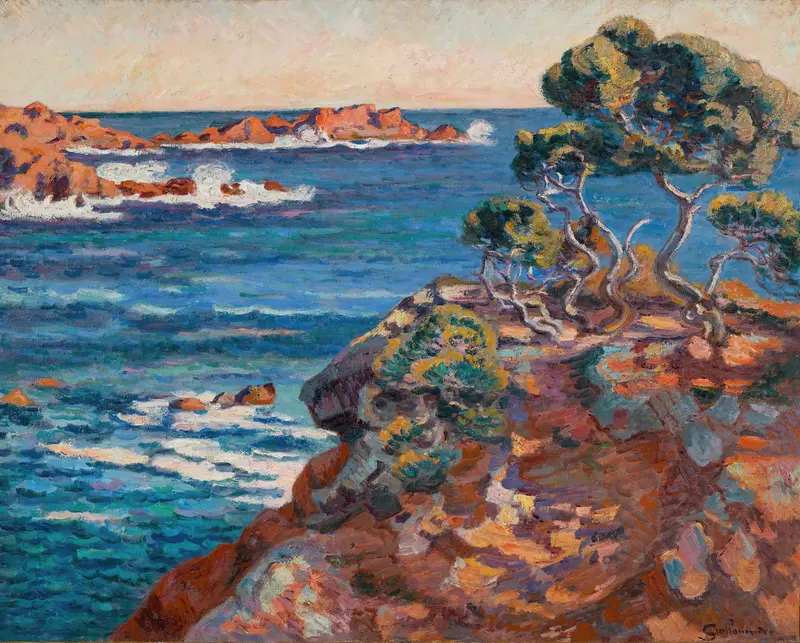
Bord De Mer À Agay
Armand Guillaumin
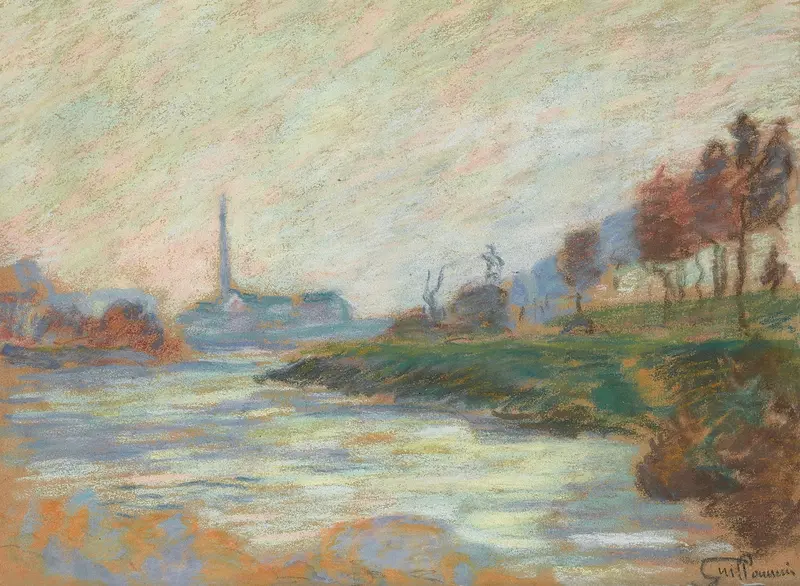
Confluent De La Marne Et De La Seine, Île De La France
Armand Guillaumin
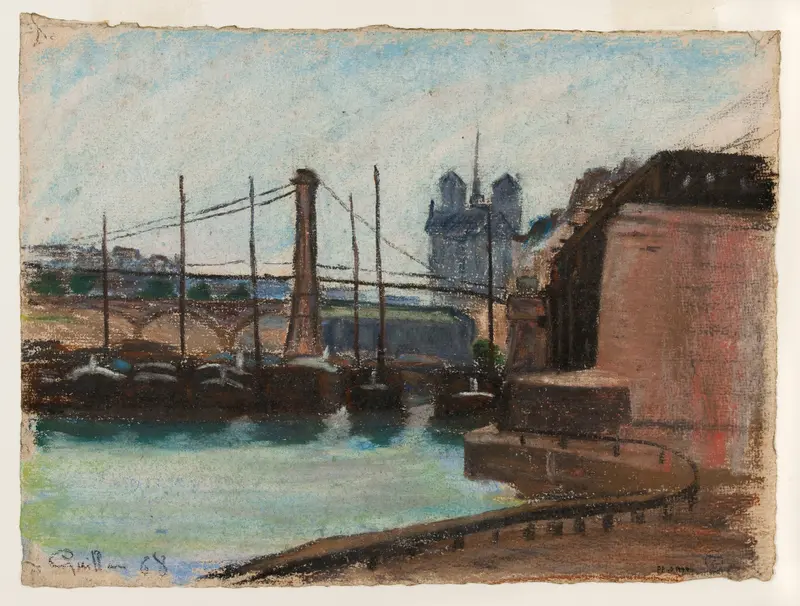
Le Pont d’Austerlitz
Armand Guillaumin
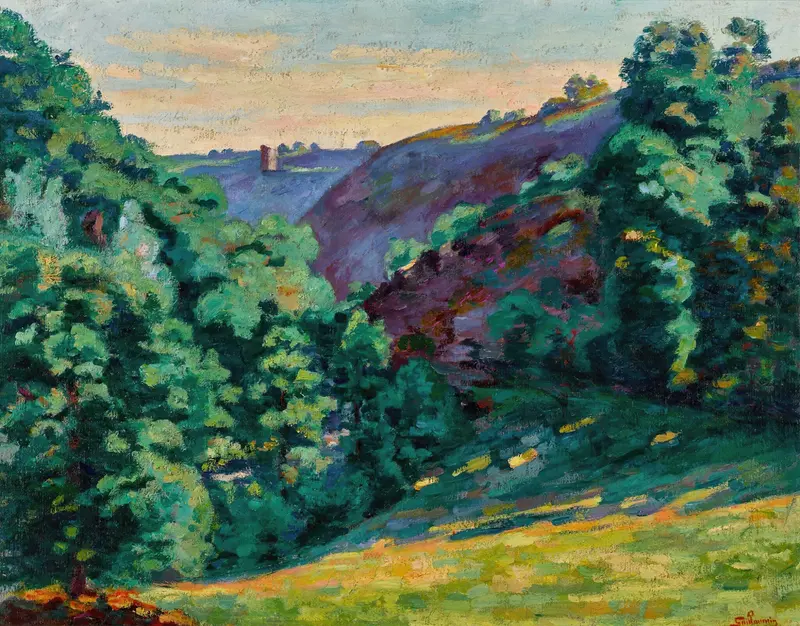
Le Ravin de la folie, vue de Chateau Crozant
Armand Guillaumin
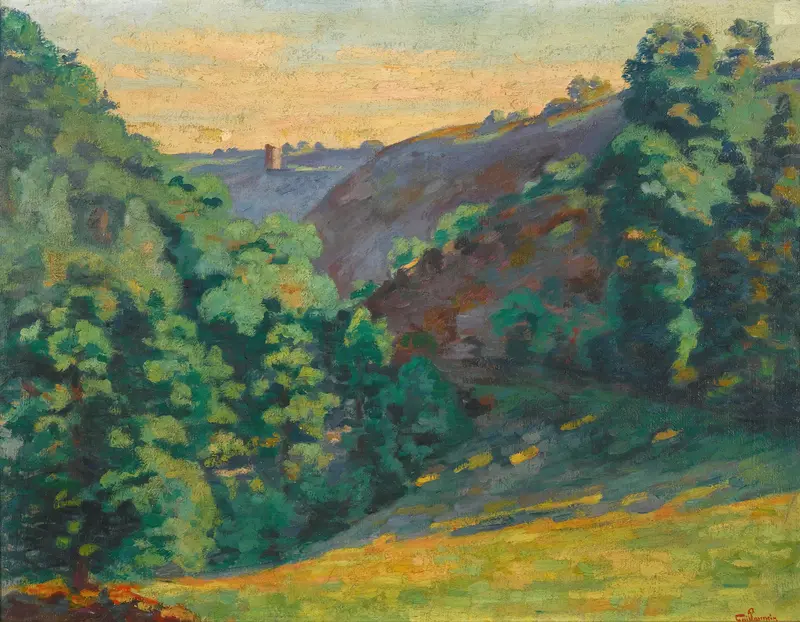
Crozant, Le Ravin De La Sedelle À La Folie
Armand Guillaumin
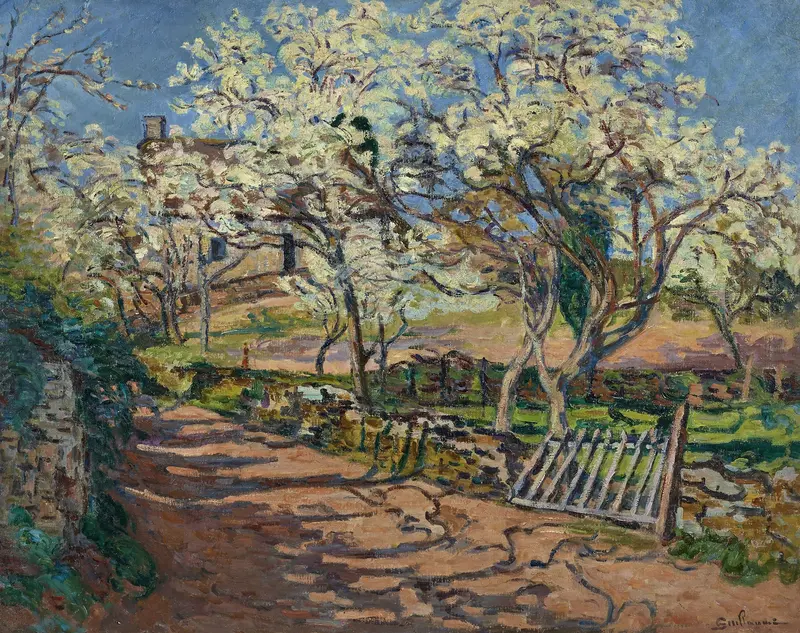
Paysage de Printemps
Armand Guillaumin
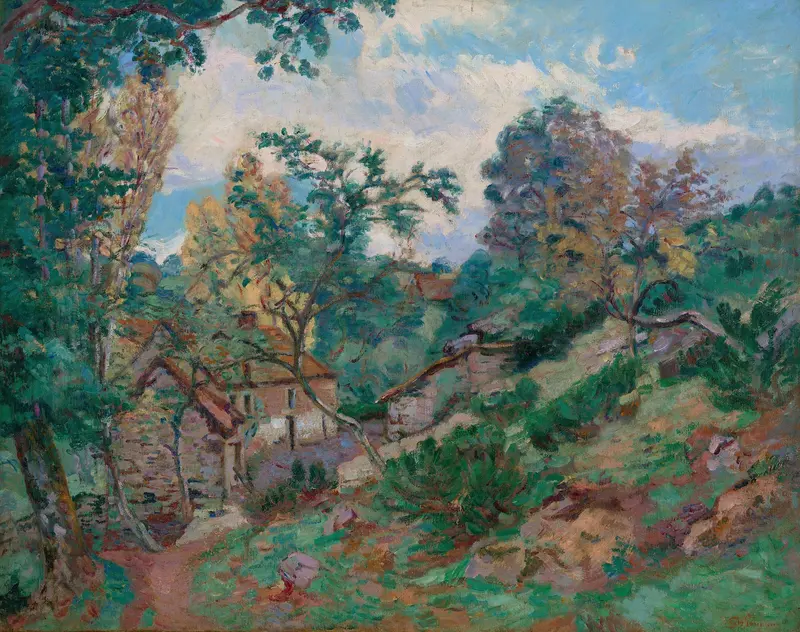
Paysage
Armand Guillaumin
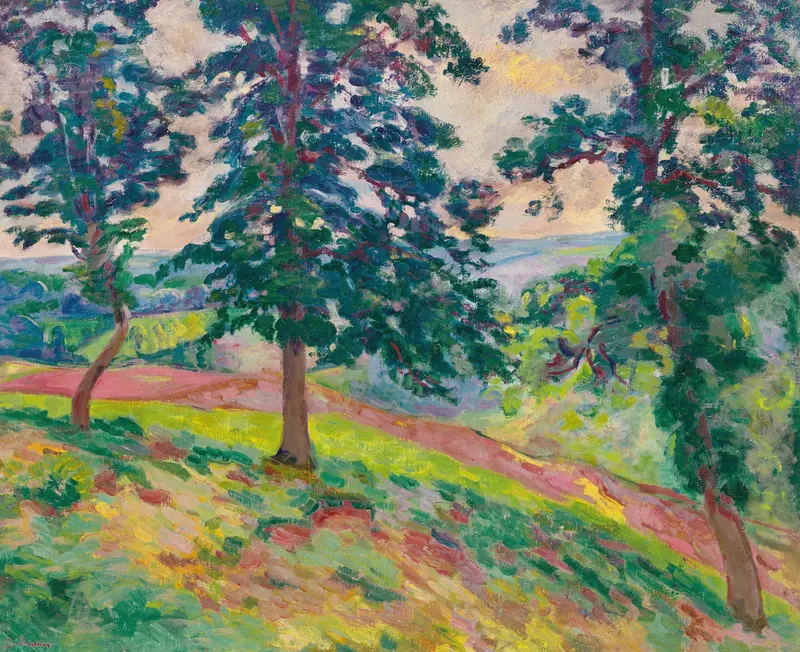
La vallée de la creuse
Armand Guillaumin
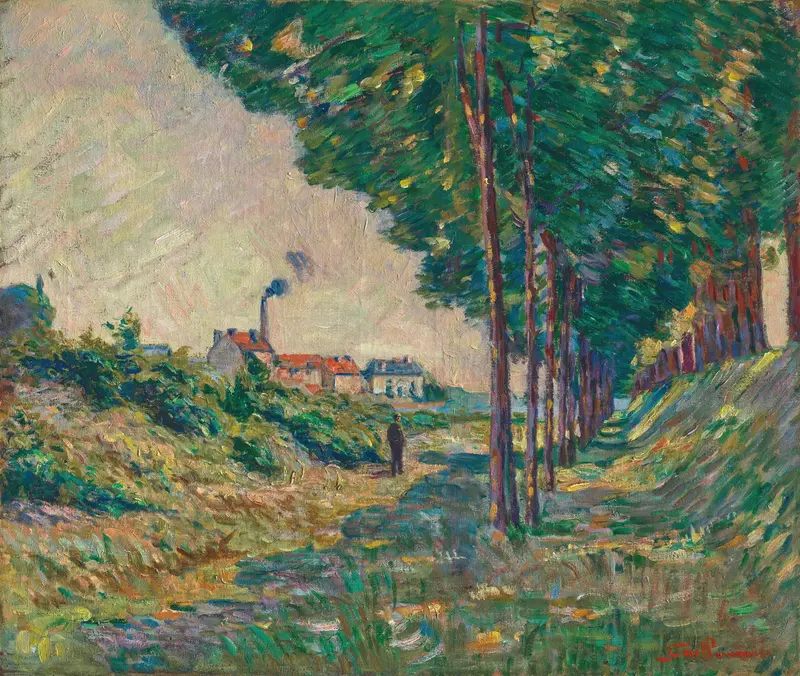
Le chemin de halage à Charenton, Ile de France
Armand Guillaumin





