
Portrait d’homme — History & Facts
In Portrait d’homme, Armand Guillaumin captures a male figure with a striking use of color. The background is filled with warm tones that contrast with the cooler hues of the subject's clothing. The figure's face is expressive, showcasing a range of emotions through subtle brushwork.
The overall composition draws the viewer's eye to the subject, creating a sense of intimacy. The painting employs oil on canvas, a common medium for Impressionist artists. Guillaumin's brushwork is loose and fluid, allowing for a sense of movement and life within the portrait. The colors are vibrant, reflecting the artist's mastery of light and shadow.
This technique enhances the emotional depth of the subject, making the viewer feel connected to the figure. Armand Guillaumin was a key figure in the Impressionist movement, known for his bold use of color and light. This work, created in the 1880s, showcases his unique style and approach to portraiture. An interesting fact about this painting is that it reflects Guillaumin's interest in capturing the essence of his subjects rather than focusing solely on their physical likeness.
His works often reveal a deep emotional connection to the people he painted.
More Artworks by Armand Guillaumin

La Seine À Charenton
Armand Guillaumin
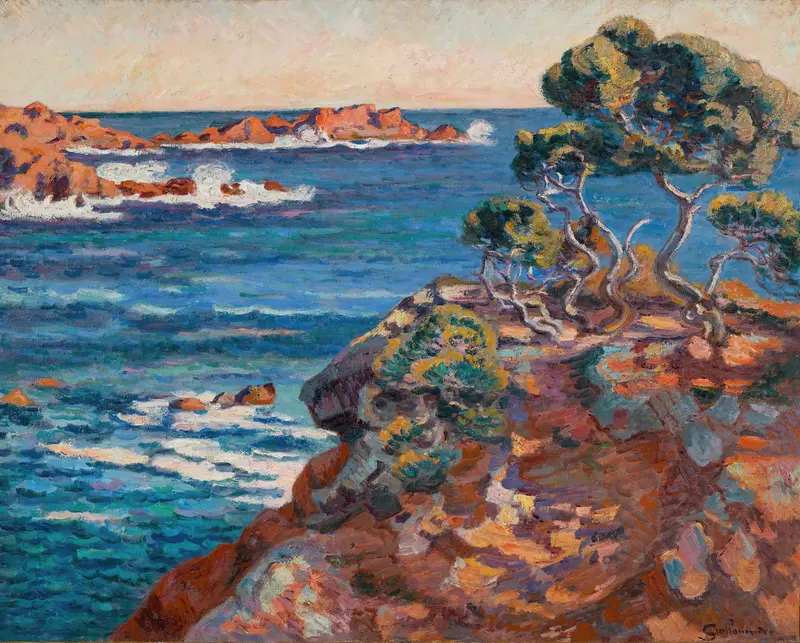
Bord De Mer À Agay
Armand Guillaumin
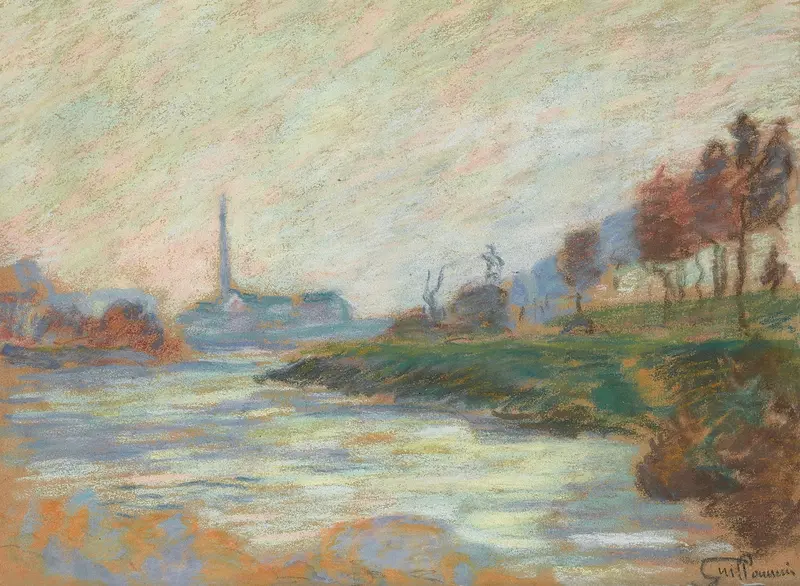
Confluent De La Marne Et De La Seine, Île De La France
Armand Guillaumin
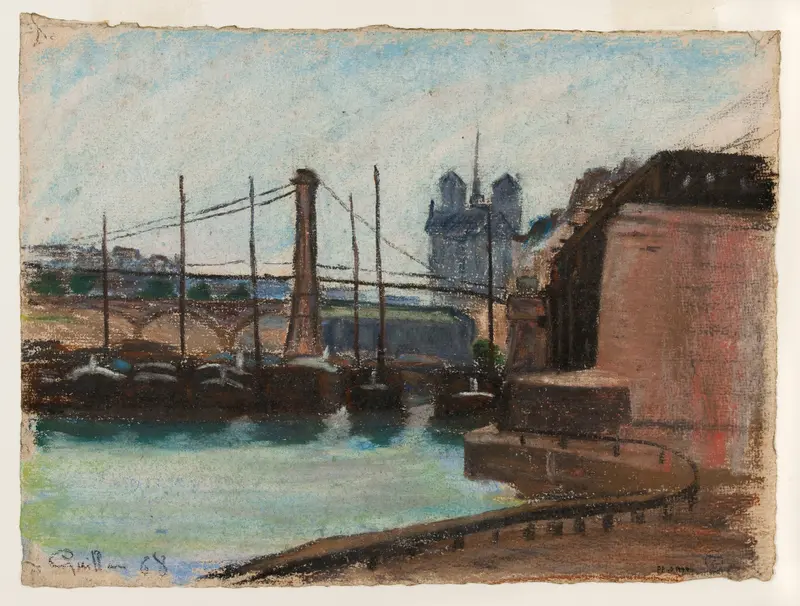
Le Pont d’Austerlitz
Armand Guillaumin
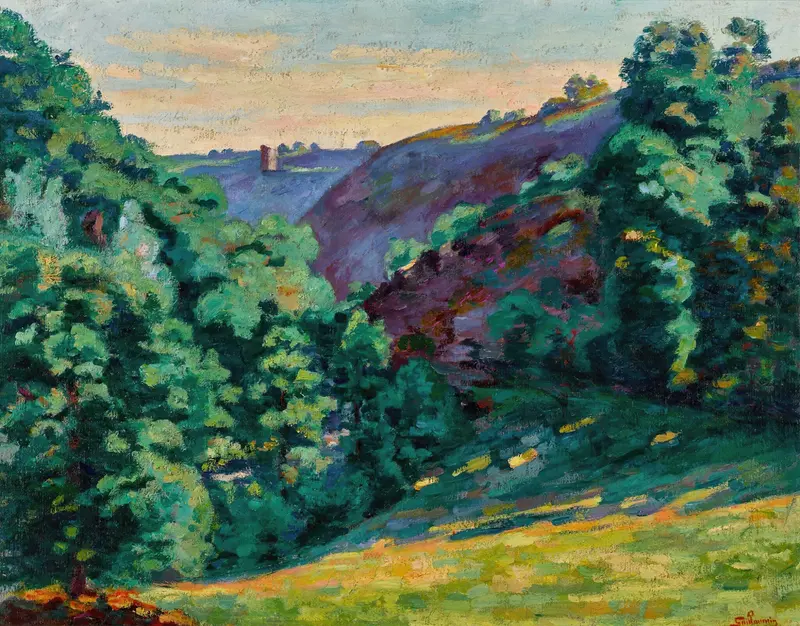
Le Ravin de la folie, vue de Chateau Crozant
Armand Guillaumin
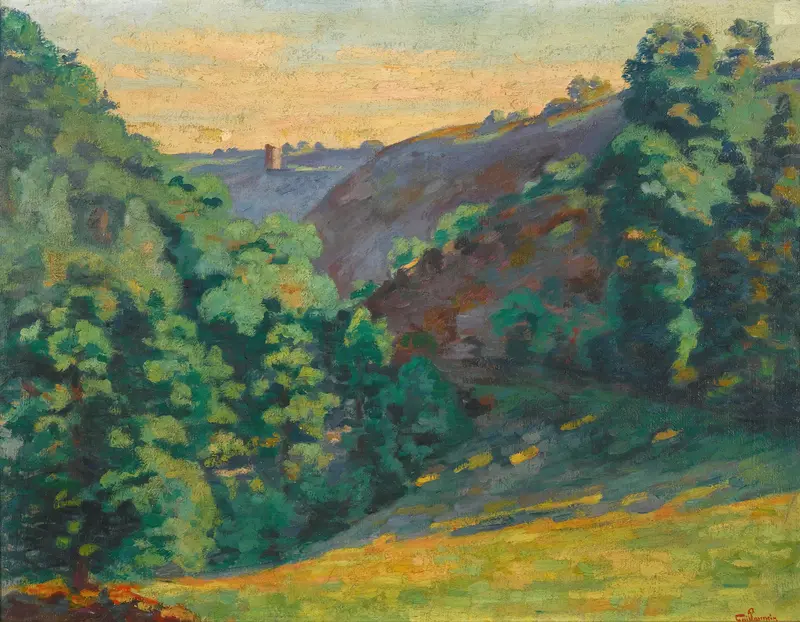
Crozant, Le Ravin De La Sedelle À La Folie
Armand Guillaumin
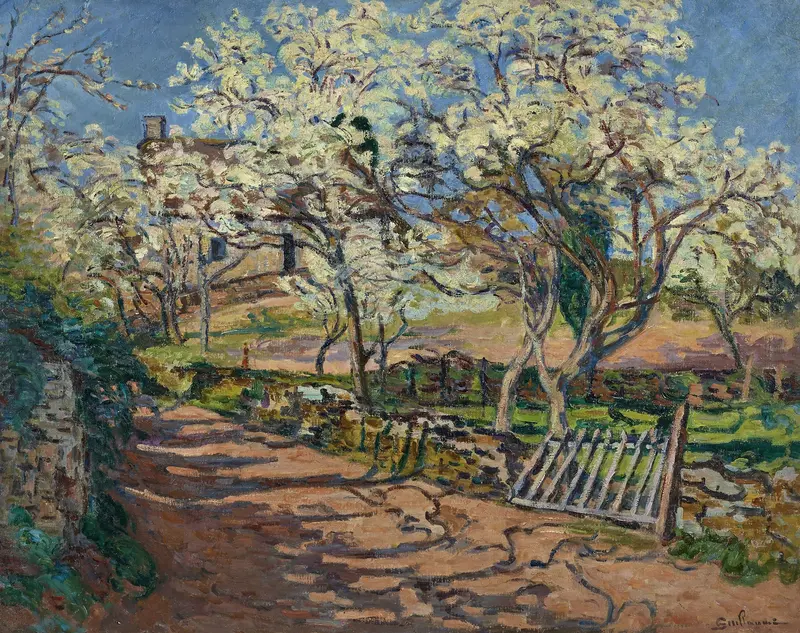
Paysage de Printemps
Armand Guillaumin
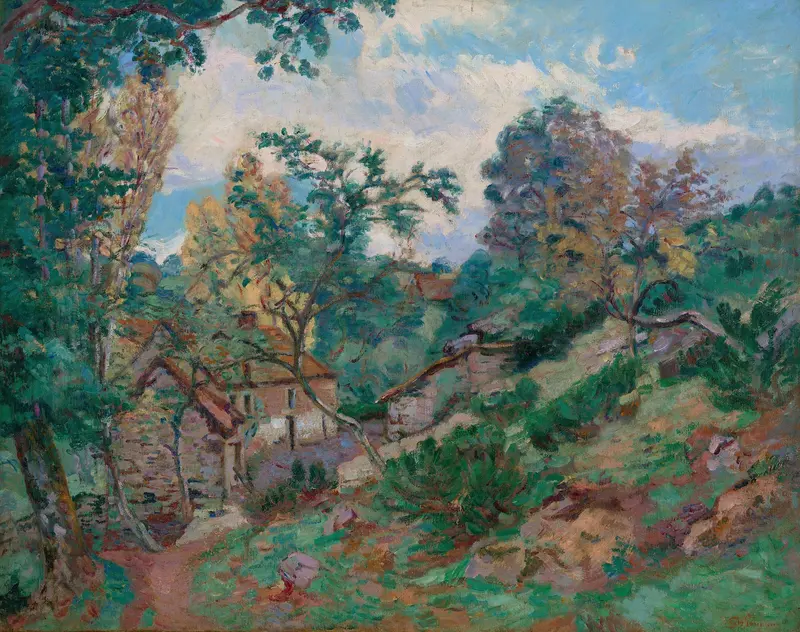
Paysage
Armand Guillaumin
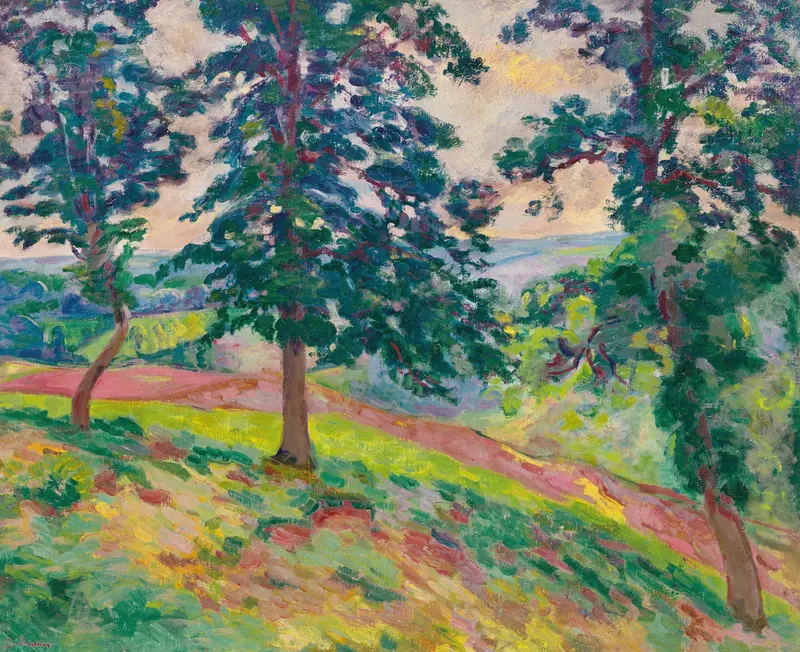
La vallée de la creuse
Armand Guillaumin
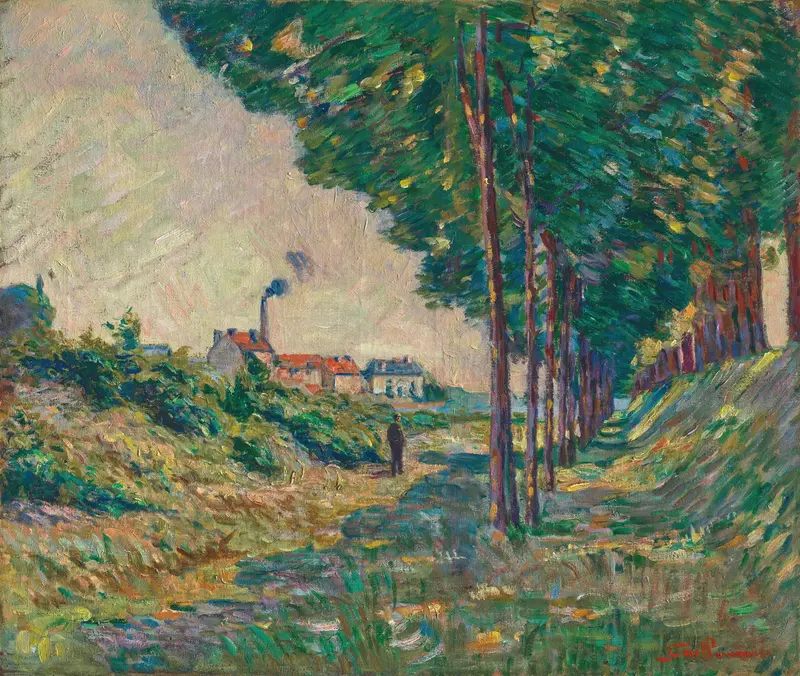
Le chemin de halage à Charenton, Ile de France
Armand Guillaumin





