
Portrait de Camille Barrère au palais Farnèse — History & Facts
The first thing that commands attention here is the sense of presence—almost theatrical—summoned by the subject’s stance and the interplay of light across his face. The sitter stands rooted in a gilded interior, his dark cloak thrown back to reveal a gold-embroidered uniform and a vivid red sash, signaling rank and ceremony. His gaze is direct yet remote, half of his face caught in a dramatic shadow that suggests both authority and introspection.
The hand, gloved and gripping a plumed bicorne, is painted with a realism that anchors the figure in the world of protocol and ritual. Every detail—the sharp mustache, the crispness of the fabric, the ornate décor behind—serves to underline the gravity and isolation of official life. Painted in 1906, this portrait belongs to a moment when Europe’s diplomatic and aristocratic circles still clung to the rituals of the nineteenth century, even as the world outside was shifting rapidly. Portraits like this, often commissioned to assert status or commemorate office, were as much about public image as private likeness; they were intended for grand salons and embassy walls, reminders of continuity and power.
The artist, Albert Besnard, was known for his ability to capture both the surface and the psychology of his subjects, and here he uses the play of light and the opulence of the setting to evoke the weight of public duty. History has kept few traces of this particular sitter’s story, but the painting itself remains a vivid relic of a vanished world—one that invites you to linger over every fold of cloth and every glint of gold.
More Artworks by Albert Besnard
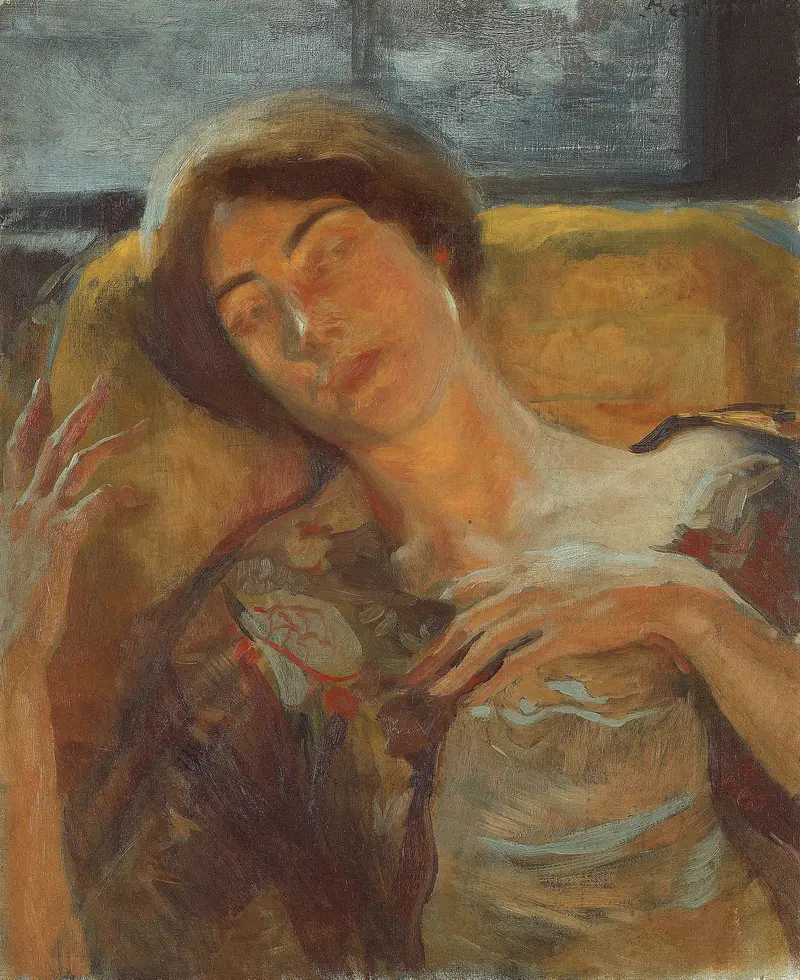
Woman's Head
Albert Besnard
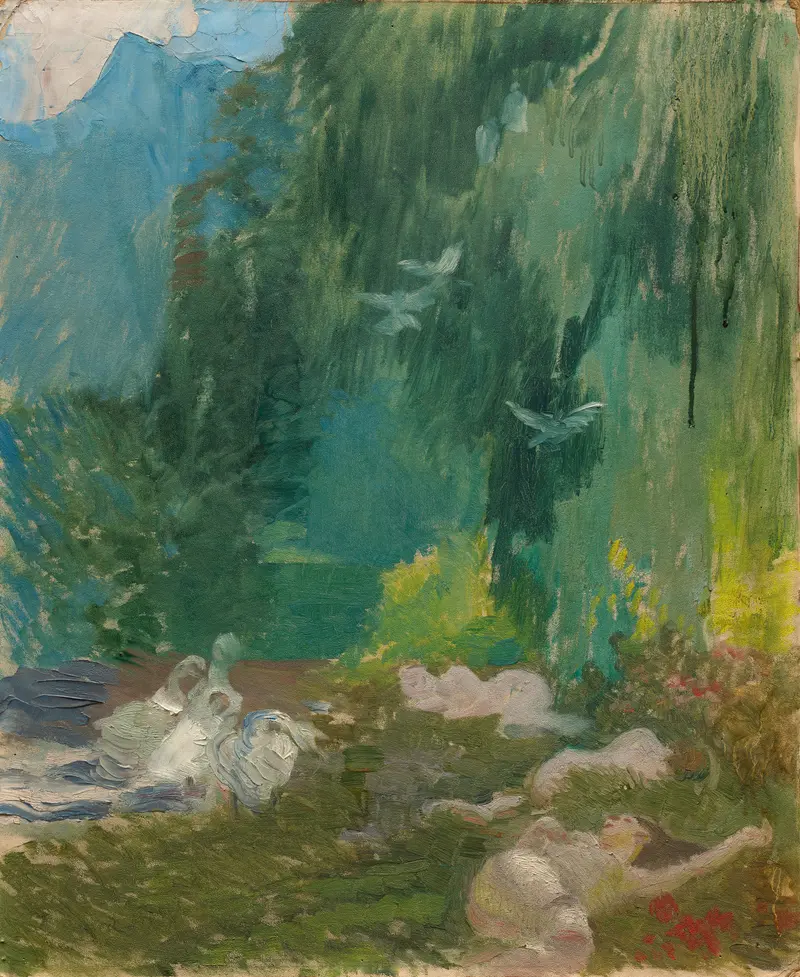
The Siesta
Albert Besnard
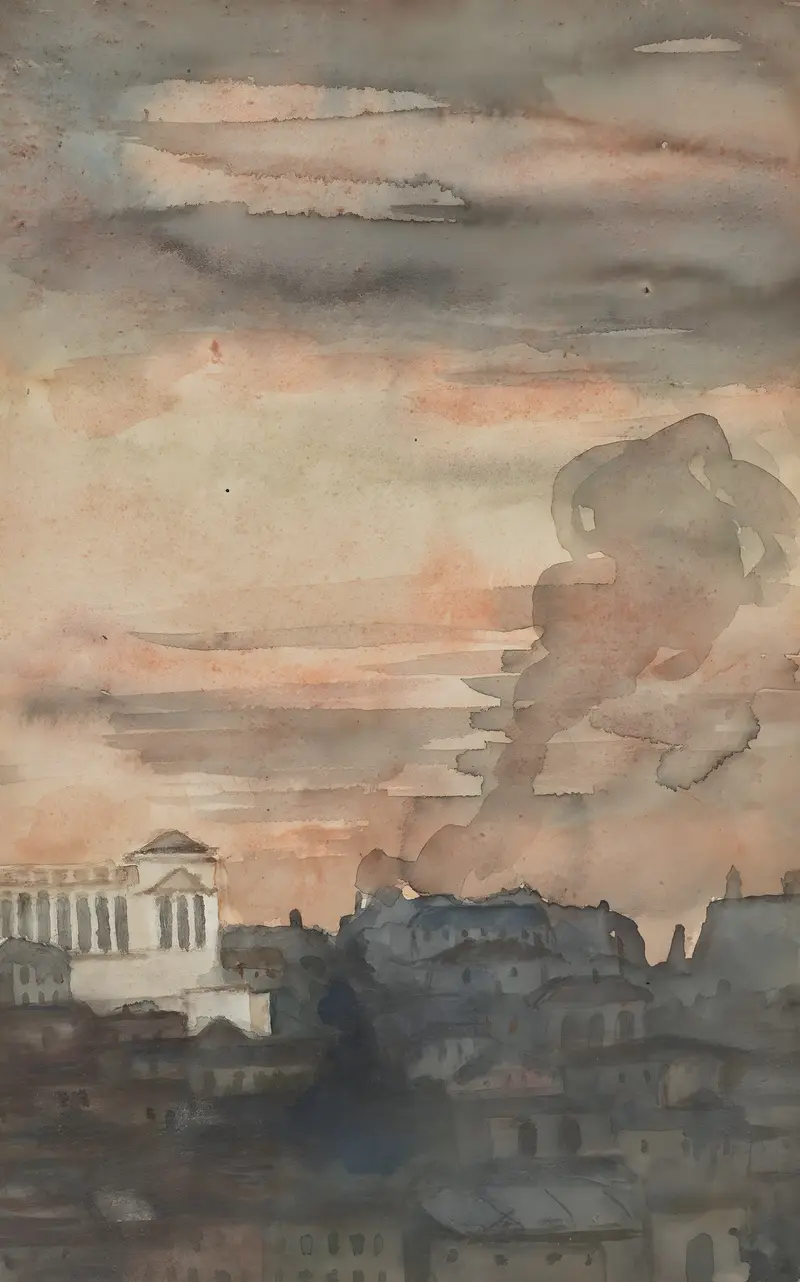
View of Rome with the Vittorio Emanuele II Monument in the distance, at sunset
Albert Besnard
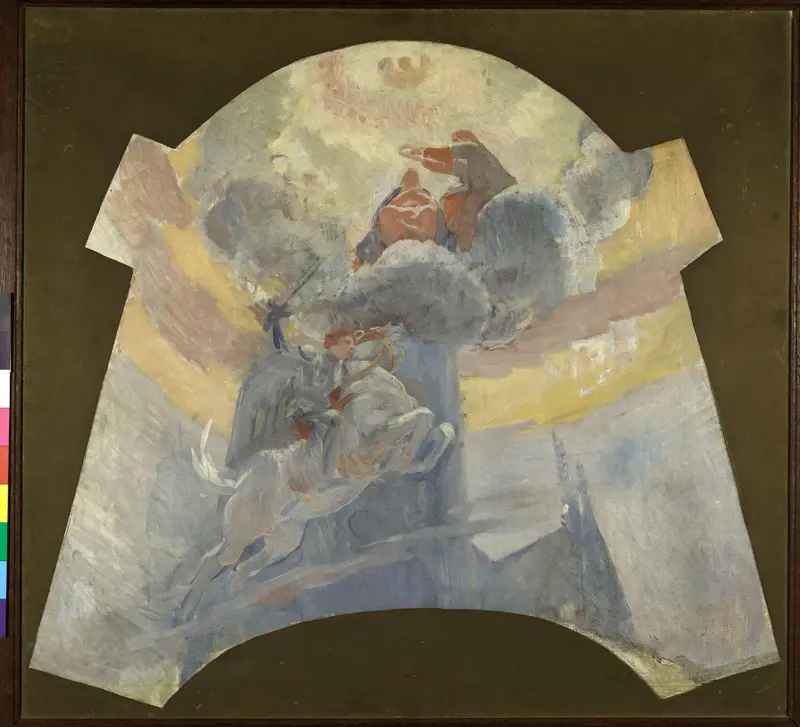
Albert (Paul Besnard dit) La Mystique, esquisse de la composition d'ensemble
Albert Besnard
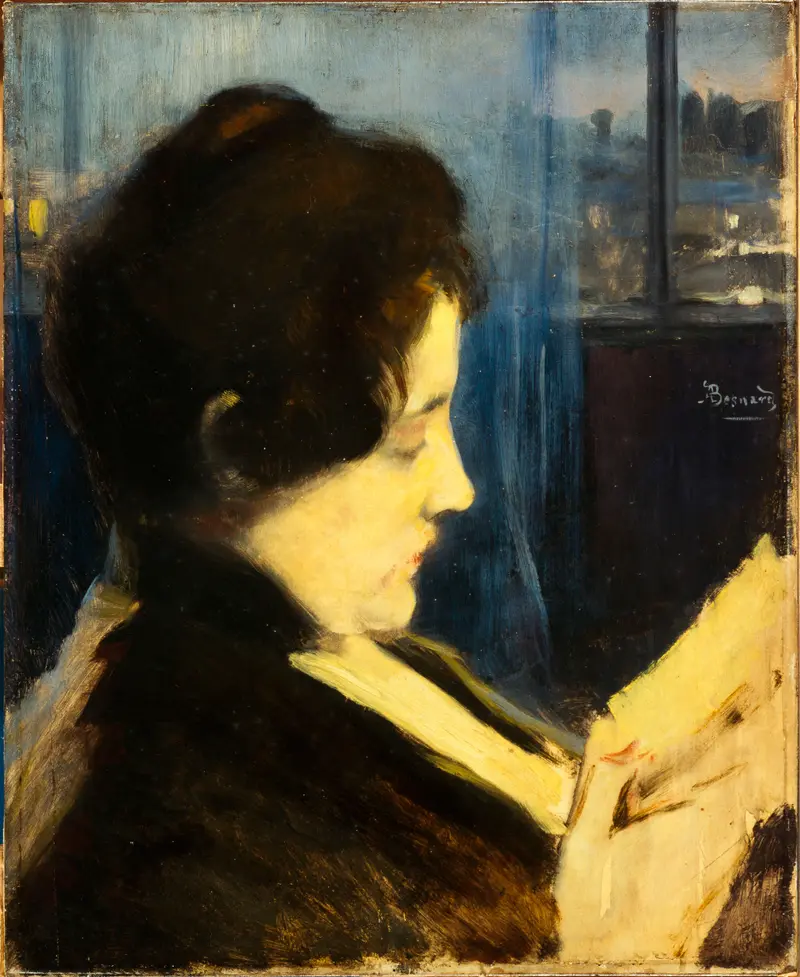
Charlotte Besnard c.
Albert Besnard
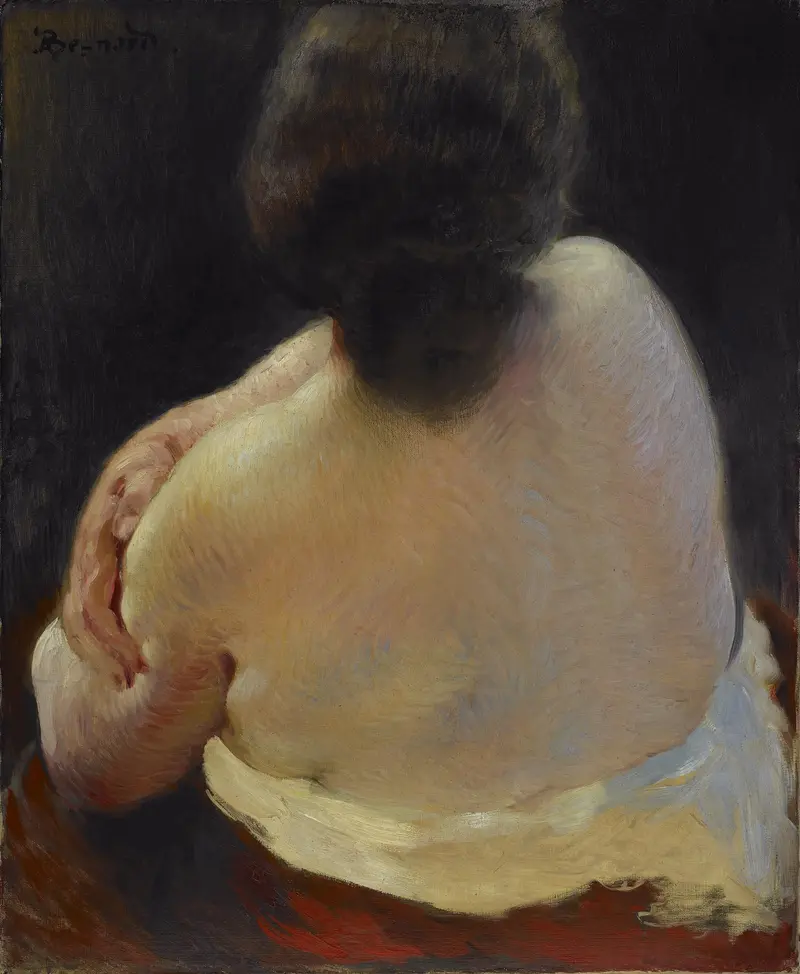
Back of a Woman, Study
Albert Besnard
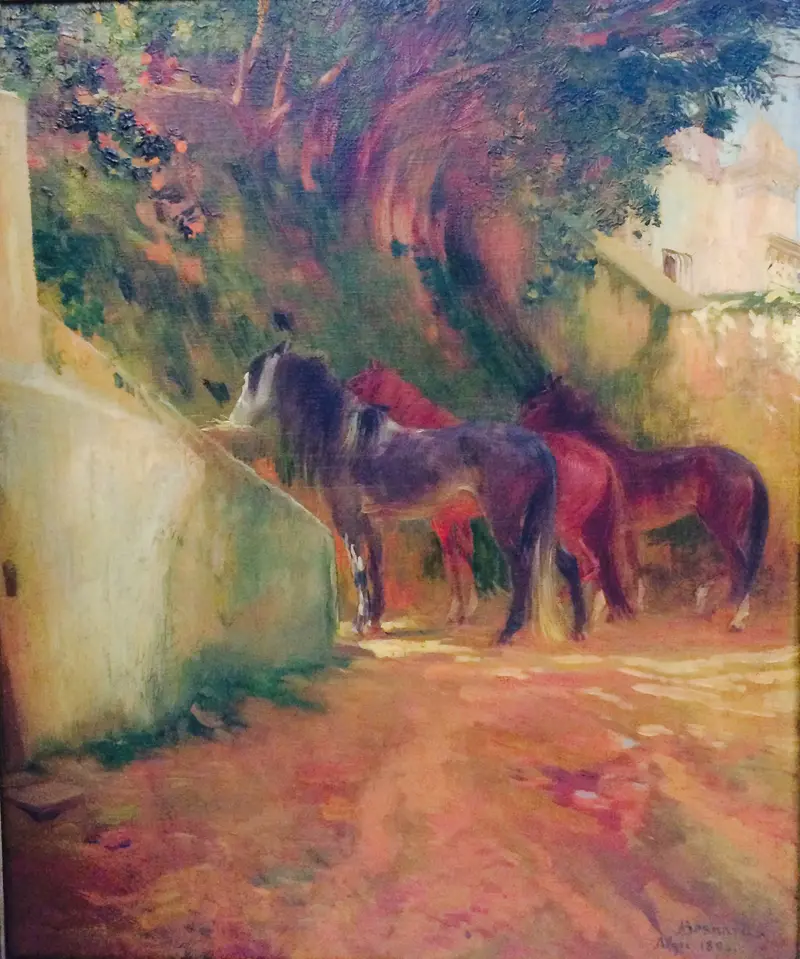
Horses
Albert Besnard
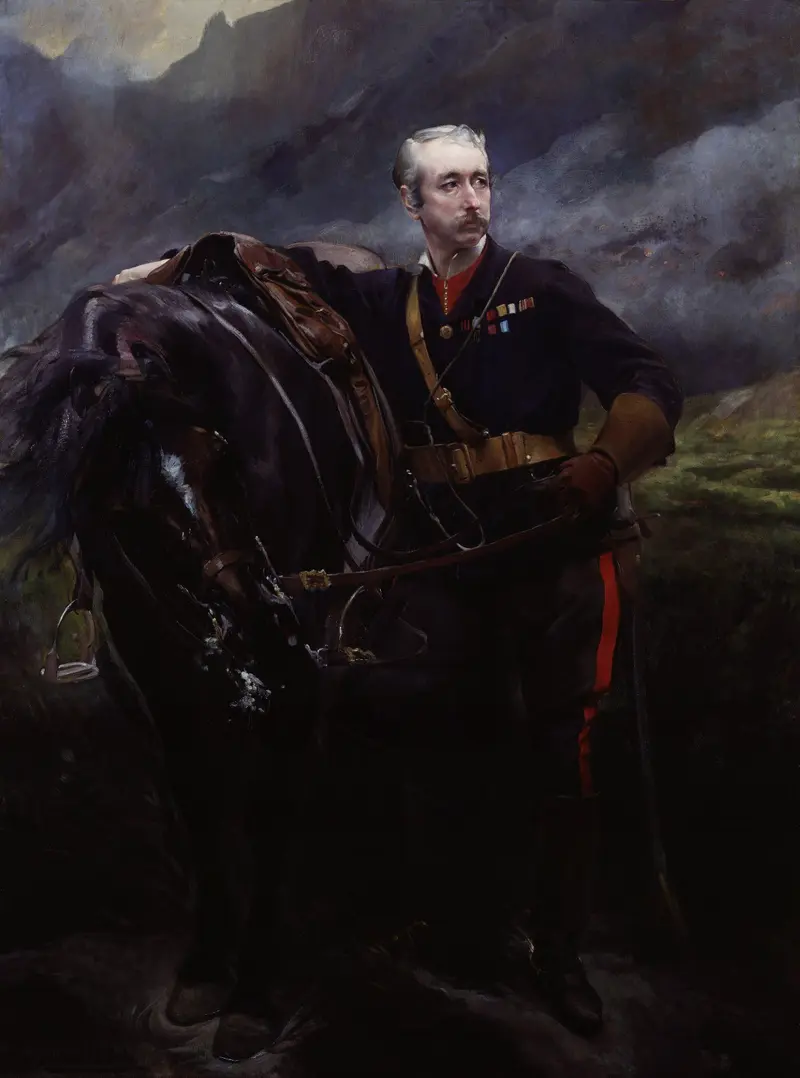
Garnet Joseph Wolseley, 1st Viscount Wolseley
Albert Besnard
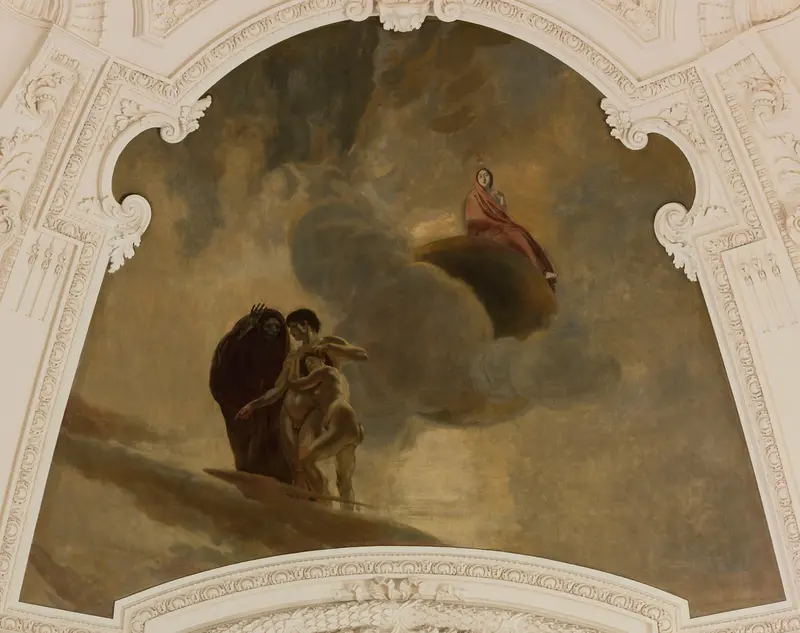
Besnard La Pensée DECOP00A(04) Petit Palais 01
Albert Besnard
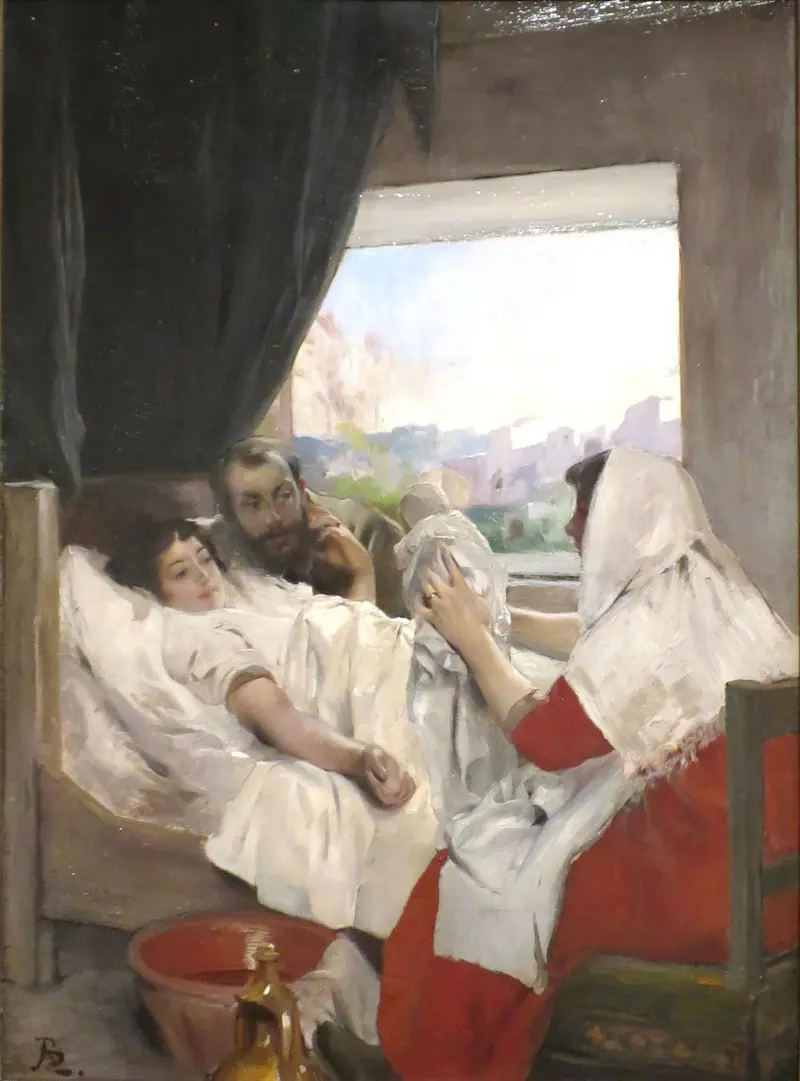
The First Morning (Albert and Charlotte Dubray Besnard and their Son, Robert)
Albert Besnard





