
Portrait de Françis Magnard — History & Facts
What draws the viewer in first is the unguarded directness of the sitter’s gaze, paired with a posture that seems almost to spill out of the frame. The man, solidly built and self-assured, leans into the foreground, one arm draped over the chair, the other resting on a table or balustrade. His suit, rendered in muted earth tones, blends into the somber background, yet his face emerges crisply from the gloom, illuminated by a cool, diffused light that brings out the texture of his beard and the alertness in his eyes.
Behind him, a shadowy interior recedes, where a figure in the far distance—perhaps a servant or colleague—adds a note of narrative intrigue, hinting at a world beyond this moment of introspection. The composition’s off-center balance and the sitter’s informal pose suggest a man at ease in his domain, yet aware of being observed. Painted in 1884, Portrait de Françis Magnard by Albert Besnard belongs to a period when portraiture was undergoing a transformation in France. The late nineteenth century saw artists moving away from stiff, formulaic likenesses toward more psychologically charged and atmospheric representations.
Patrons were often members of the bourgeoisie or intellectual elite, eager to assert their individuality and status through art that captured not only their appearance but their character. While little is recorded about the specific history of this portrait, its confident brushwork and subtle narrative cues are hallmarks of Besnard’s broader career, reflecting a world where identity and modernity were being renegotiated in paint. The painting invites us to linger, to imagine the life and thoughts behind that steady gaze, and to consider the changing role of portraiture in a rapidly evolving society.
More Artworks by Albert Besnard
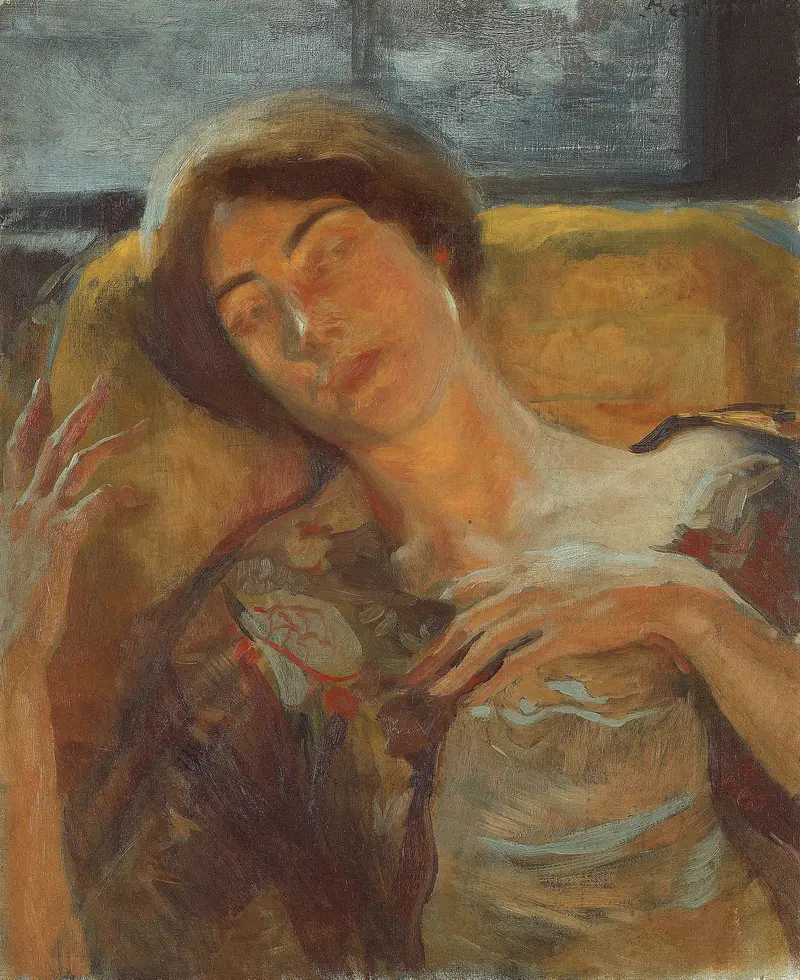
Woman's Head
Albert Besnard
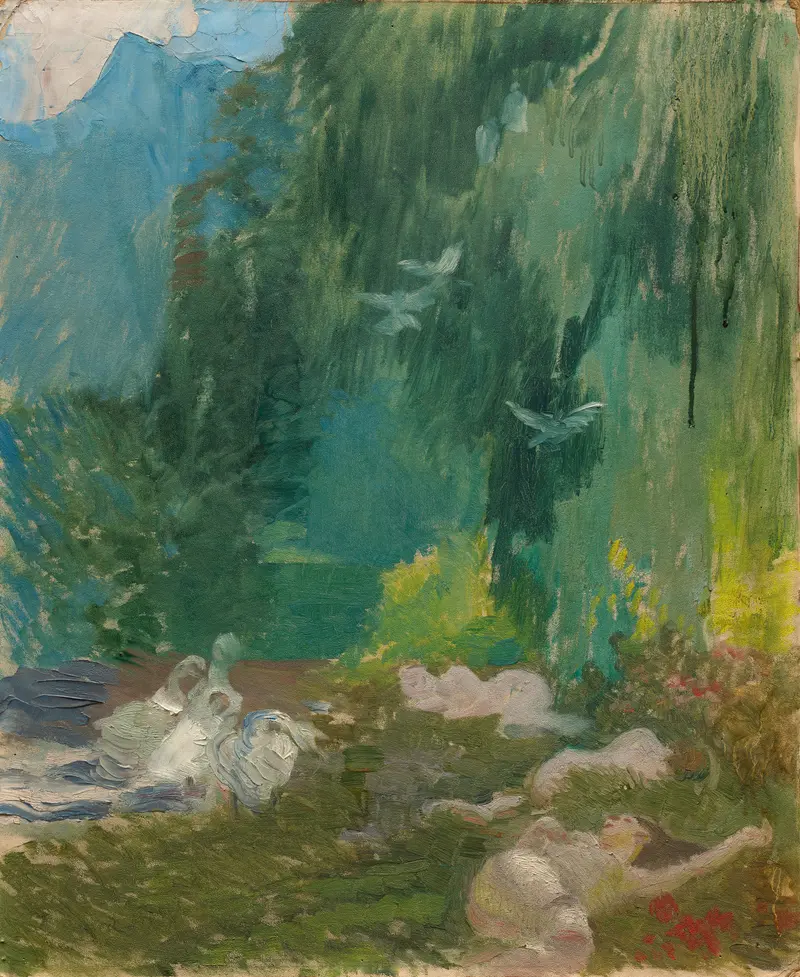
The Siesta
Albert Besnard
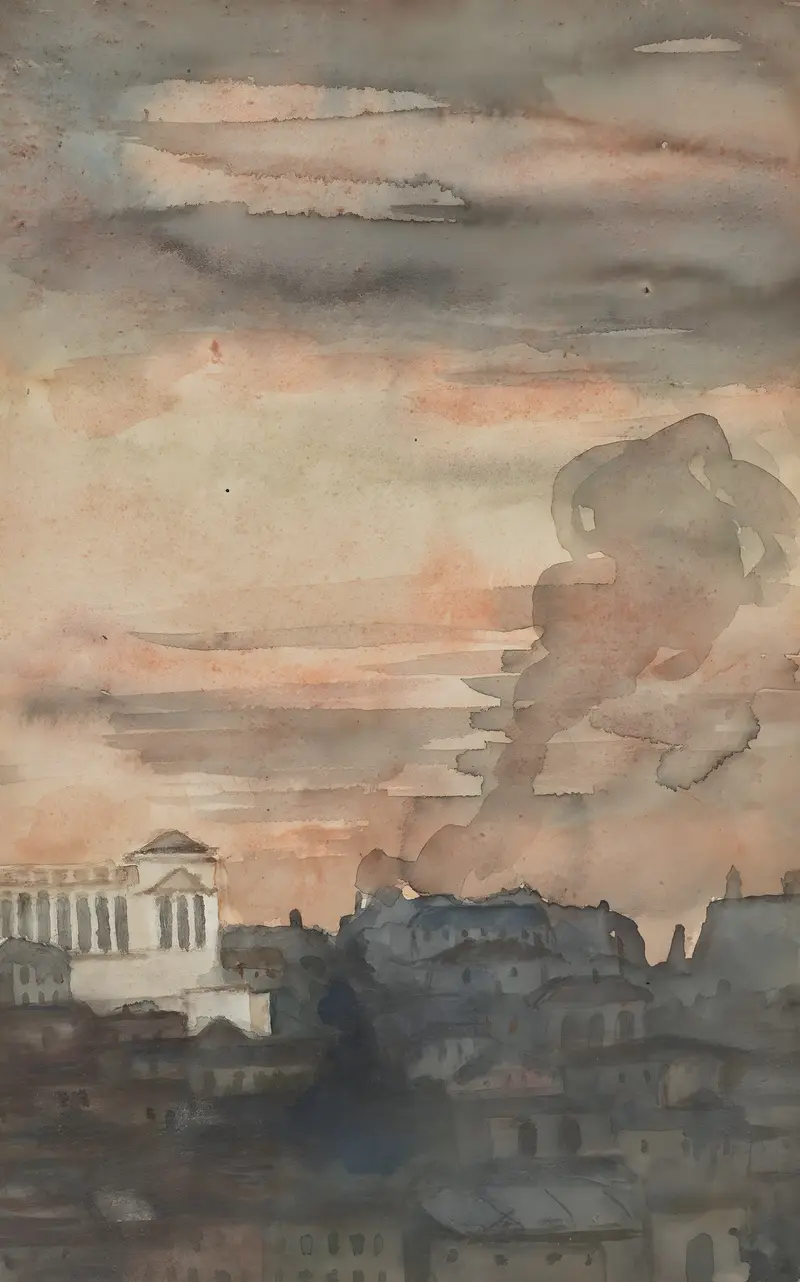
View of Rome with the Vittorio Emanuele II Monument in the distance, at sunset
Albert Besnard
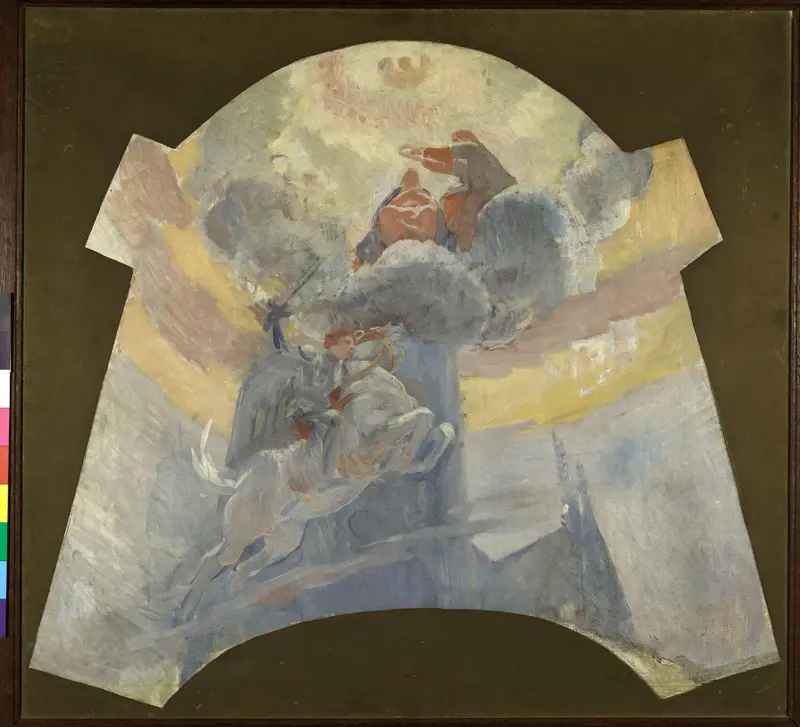
Albert (Paul Besnard dit) La Mystique, esquisse de la composition d'ensemble
Albert Besnard
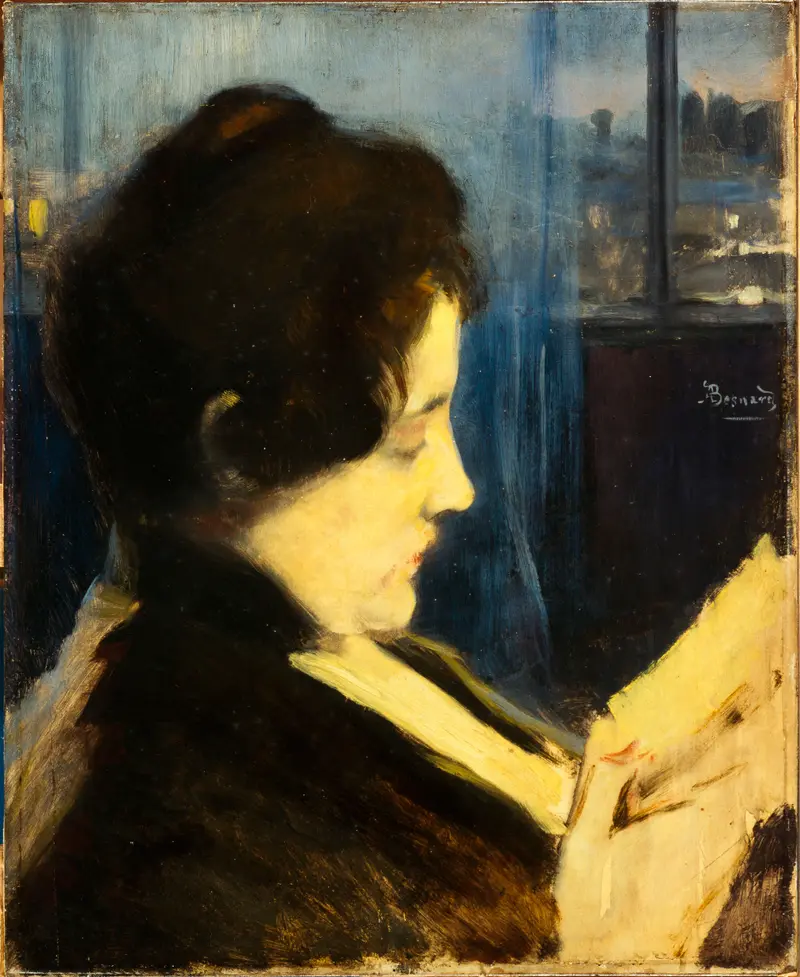
Charlotte Besnard c.
Albert Besnard
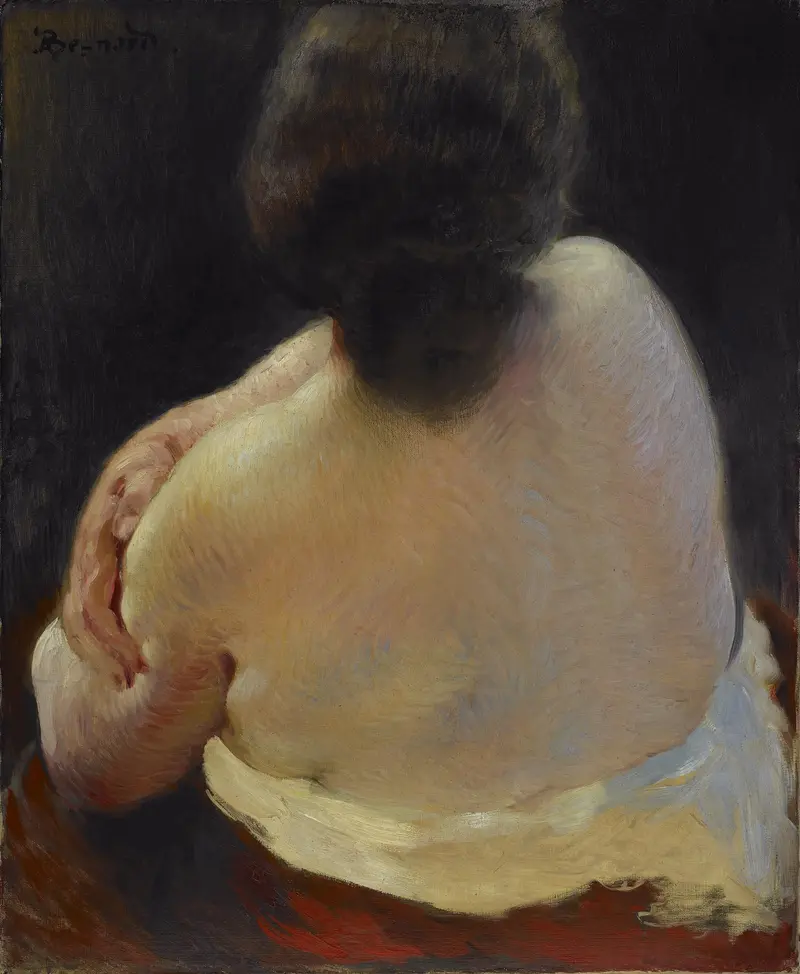
Back of a Woman, Study
Albert Besnard
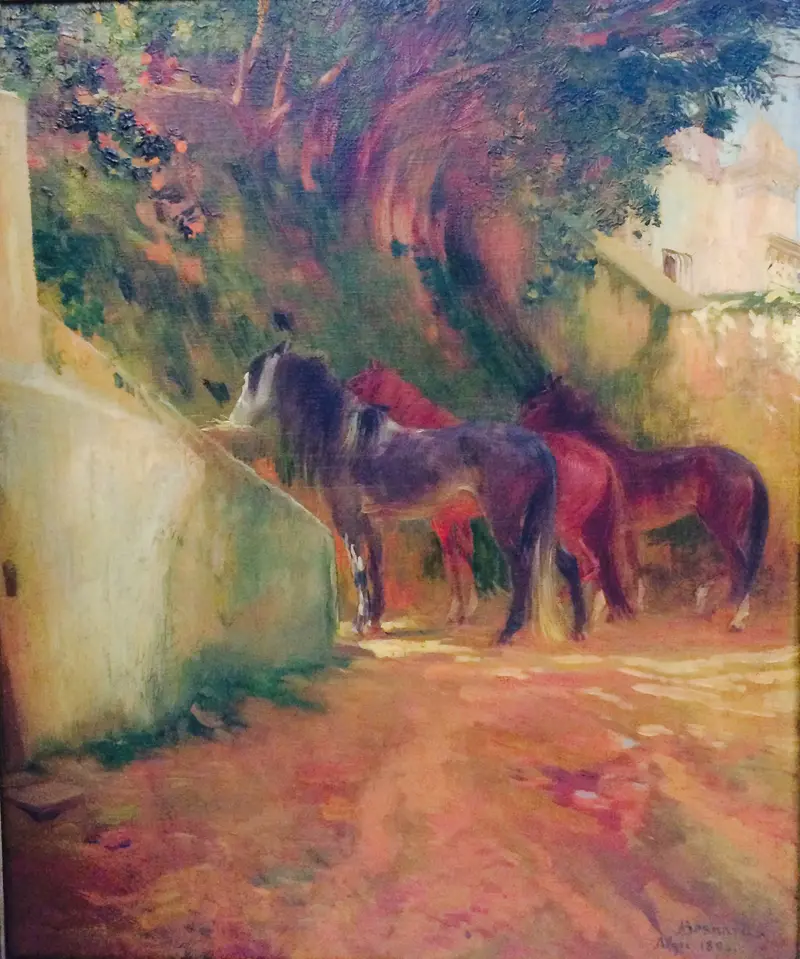
Horses
Albert Besnard
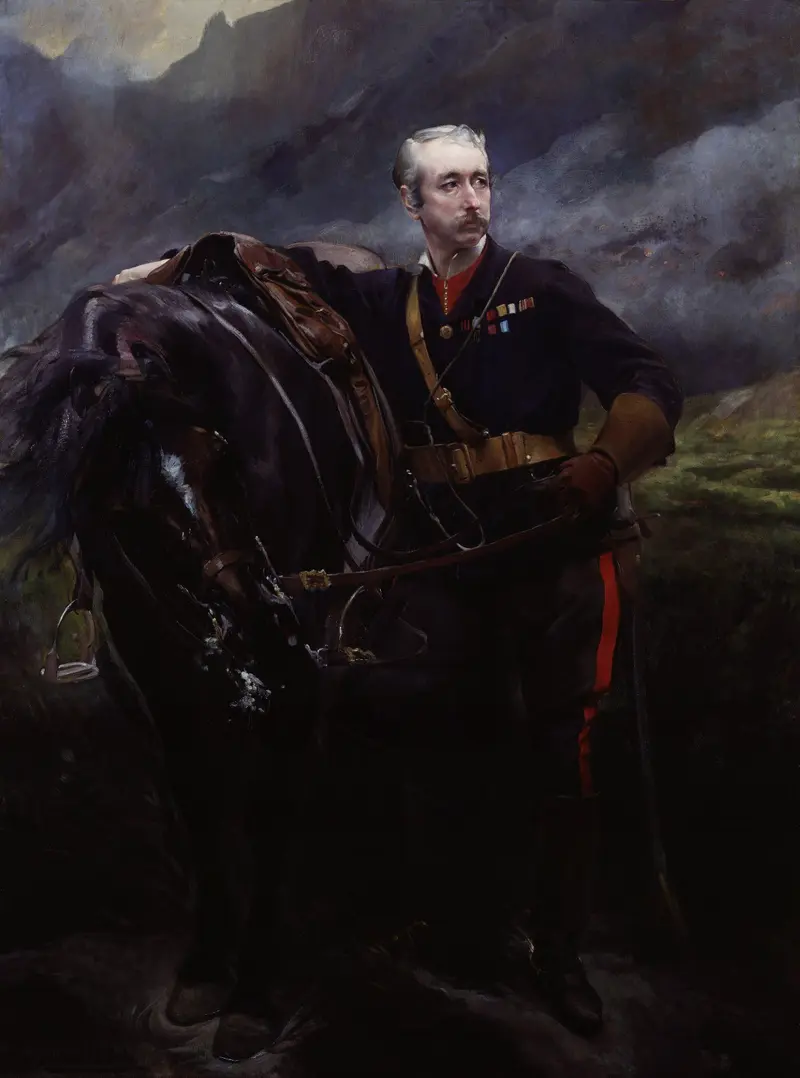
Garnet Joseph Wolseley, 1st Viscount Wolseley
Albert Besnard
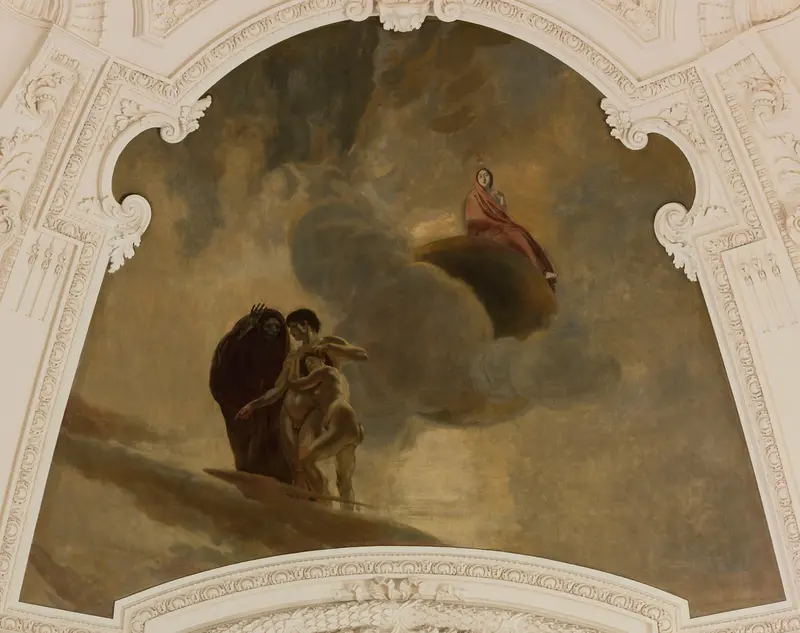
Besnard La Pensée DECOP00A(04) Petit Palais 01
Albert Besnard
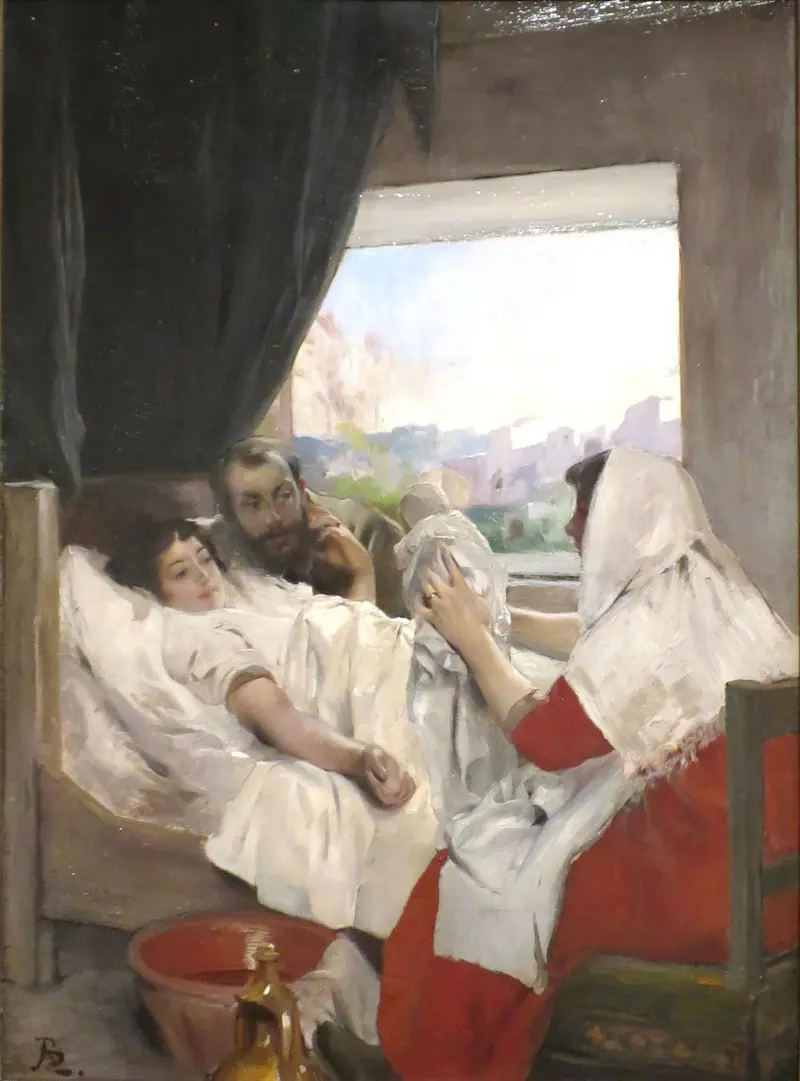
The First Morning (Albert and Charlotte Dubray Besnard and their Son, Robert)
Albert Besnard





