
Portrait — History & Facts
The first thing that grips the viewer in Portrait by Hilma af Klint is the commanding presence of the sitter’s gaze. The brushwork is vigorous, almost sculptural, giving the face a sense of lived experience and authority. The sitter’s eyes, rendered in cool tones, meet the viewer directly, while the ruddy complexion and heavy sideburns suggest both age and the outdoor life of a man accustomed to command.
The uniform is painted with swift, confident strokes, its brass buttons and epaulettes hinting at rank without distracting from the face. The background recedes into a haze of earthy browns, ensuring that every attention remains fixed on the character and dignity of this individual. This painting belongs to a tradition of official portraiture that flourished in the 19th and early 20th centuries, when public figures—especially those in military or governmental service—were immortalized for posterity. The source identifies the sitter as Greve Ruuth, generallotsdirektören, placing him in the world of Swedish maritime administration.
Such portraits were often commissioned to honor service or commemorate a career, and they served as both private mementos and public affirmations of status. While Hilma af Klint is now renowned for her pioneering abstract works, this piece, held by the Sjöhistoriska museet, is a reminder of her early engagement with portraiture and the conventions of her era. The sitter’s steady gaze invites you to look longer, searching for the life behind the uniform.
More Artworks by Hilma af Klint
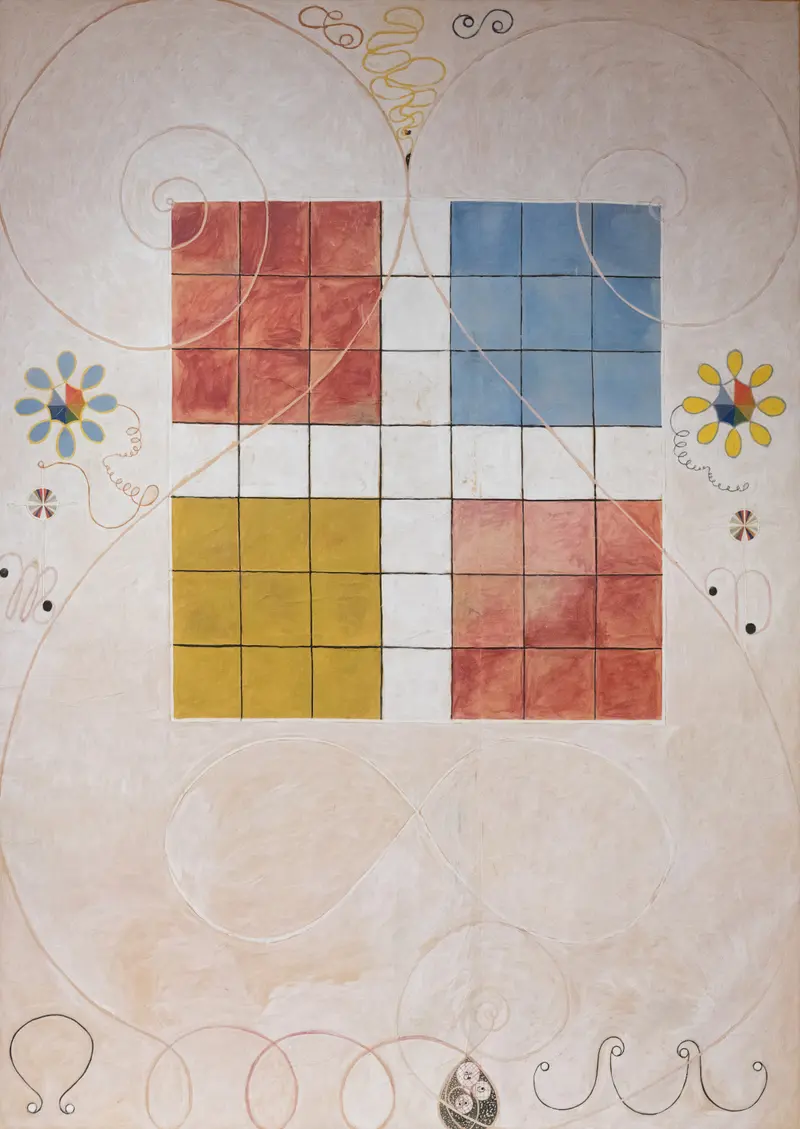
The Ten Largest, No. 10, Old Age
Hilma af Klint
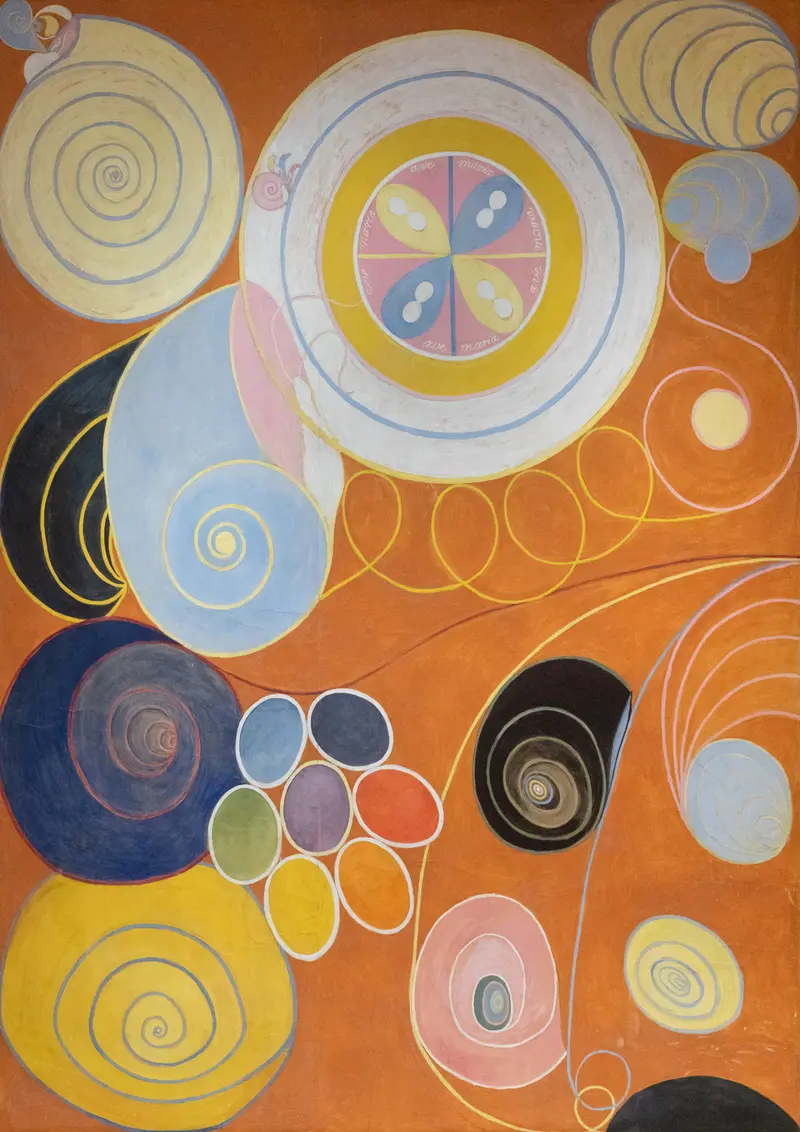
The Ten Largest, No. 3, Youth
Hilma af Klint
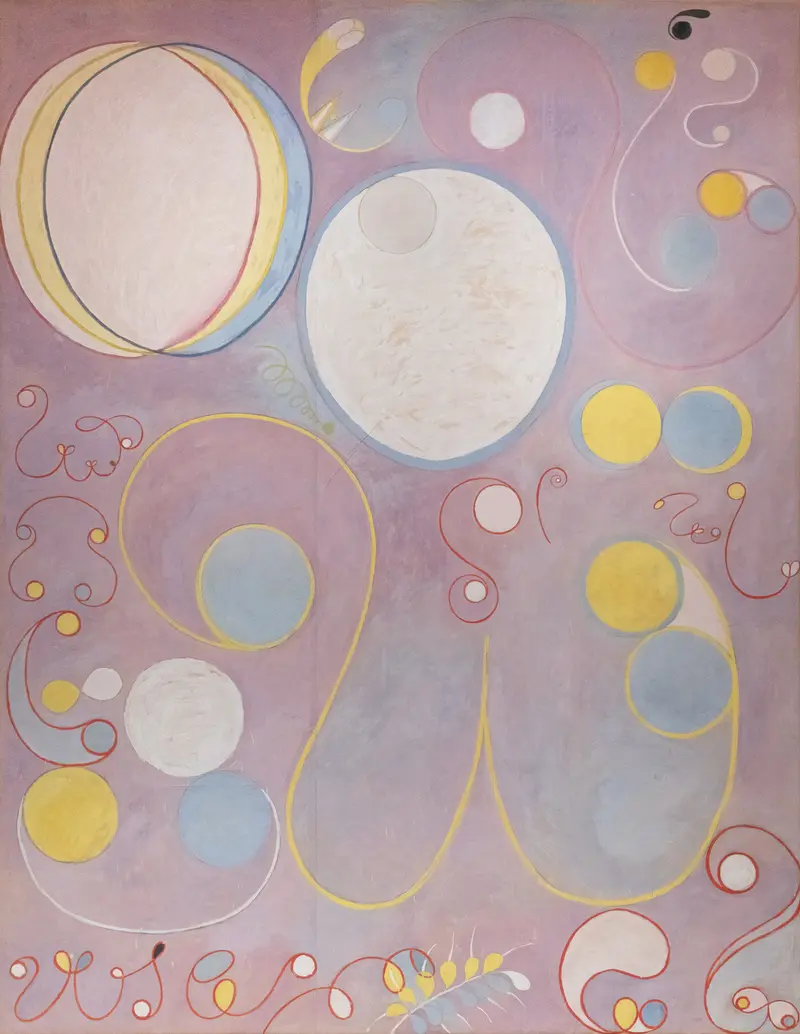
The Ten Largest, No. 8, Adulthood
Hilma af Klint
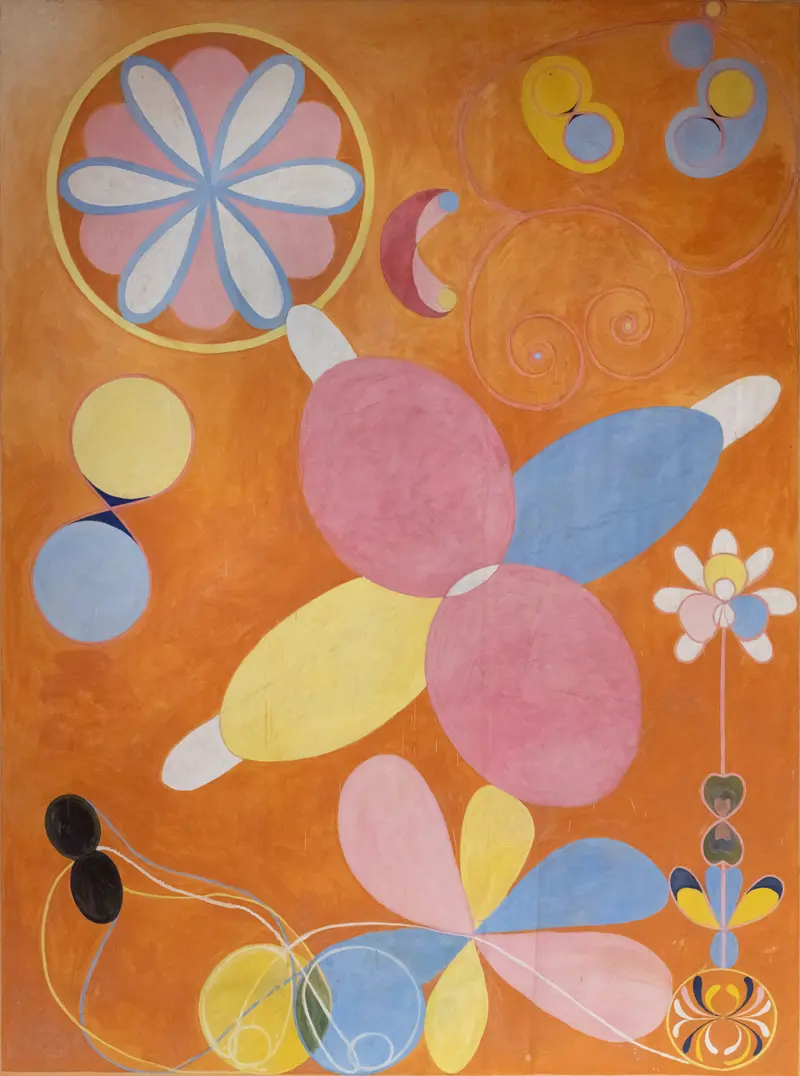
The Ten Largest, No. 4, Youth
Hilma af Klint
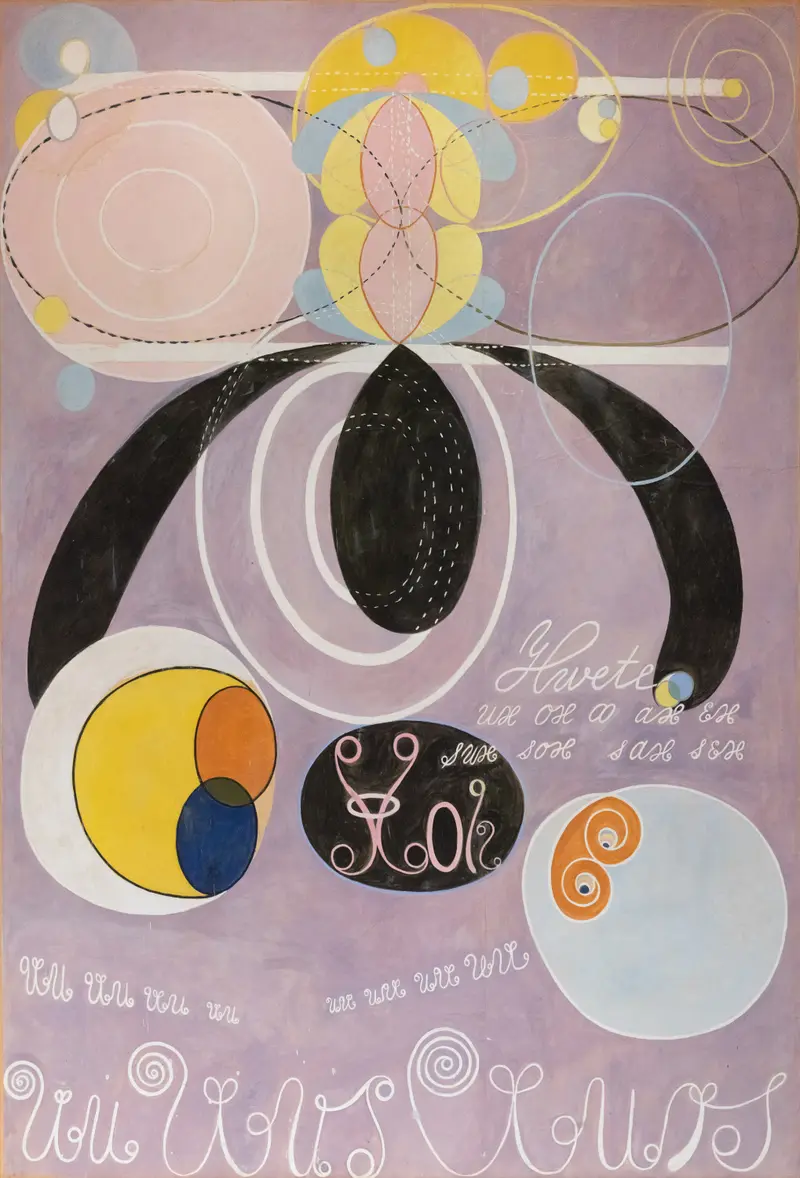
The Ten Largest, No. 6, Adulthood
Hilma af Klint
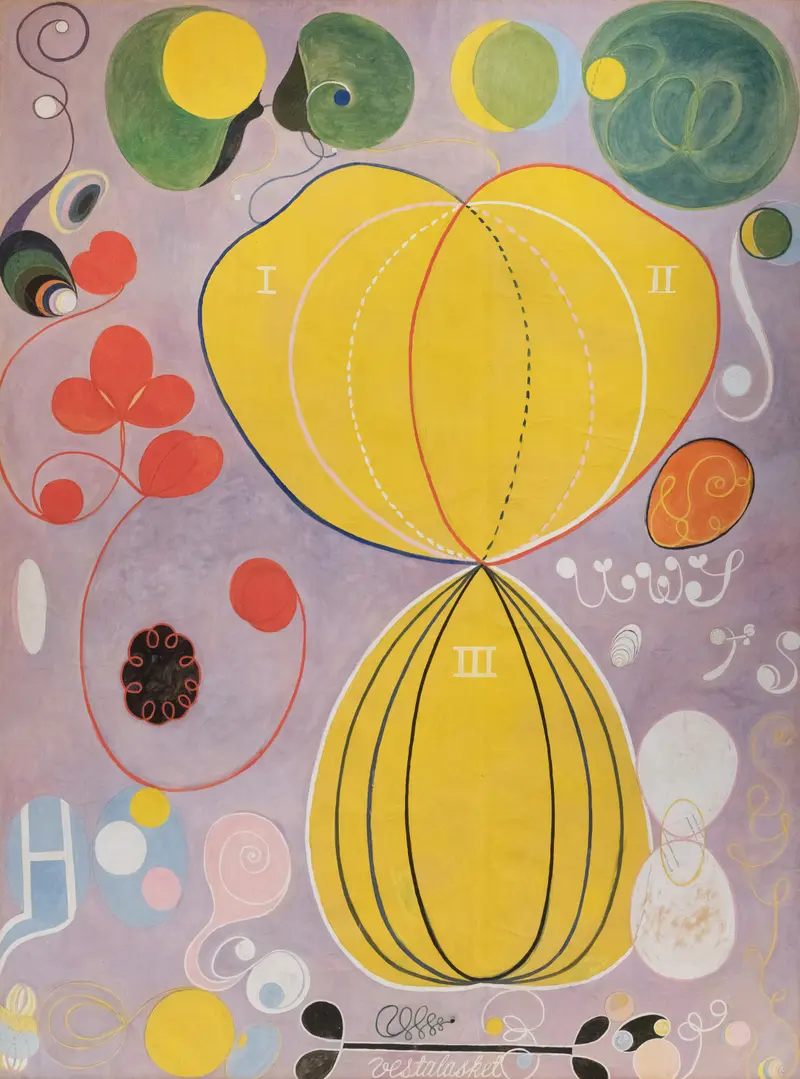
The Ten Largest, No. 7, Adulthood
Hilma af Klint

The Swan, No. 17, Group IX/SUW
Hilma af Klint
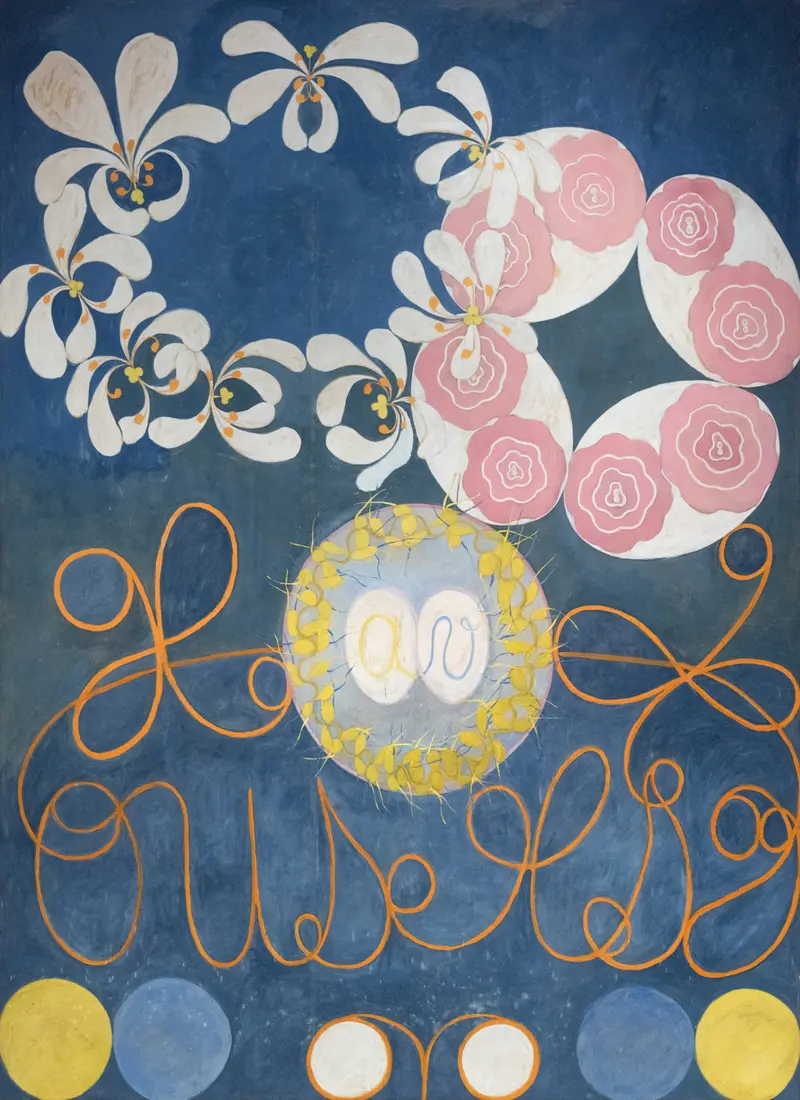
The Ten Largest, No. 1, Childhood
Hilma af Klint
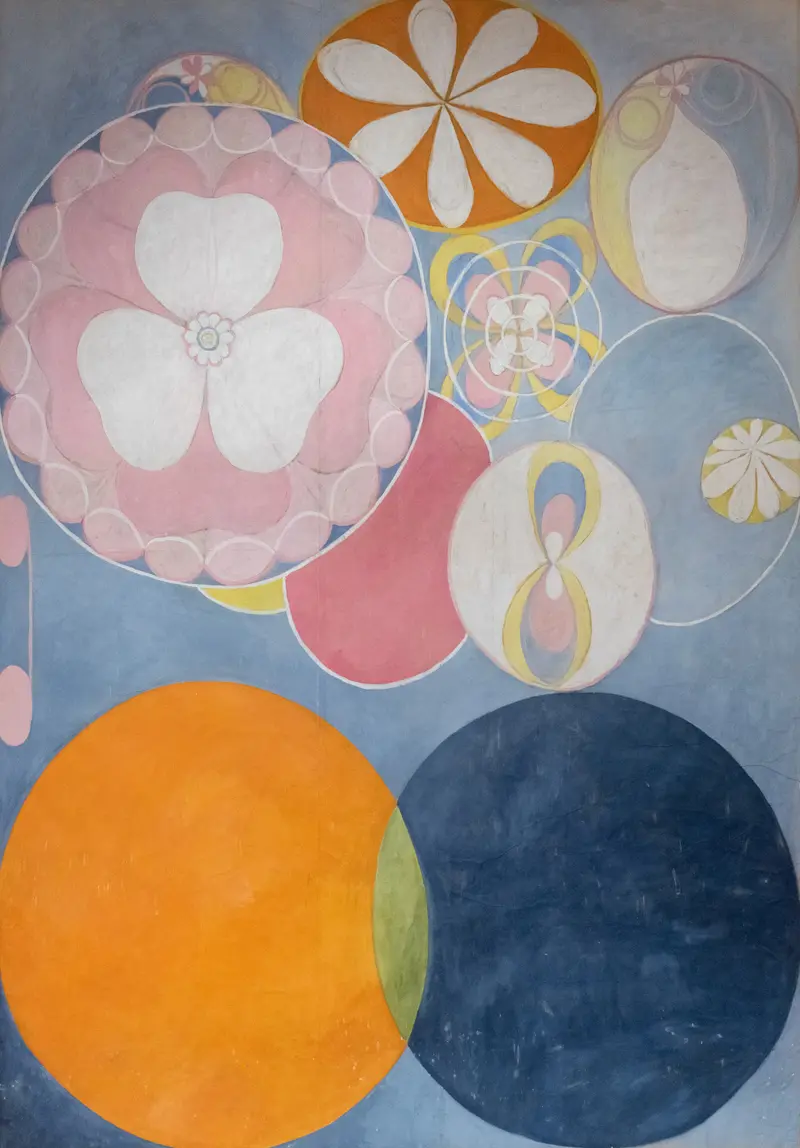
The Ten Largest, No. 2, Childhood
Hilma af Klint
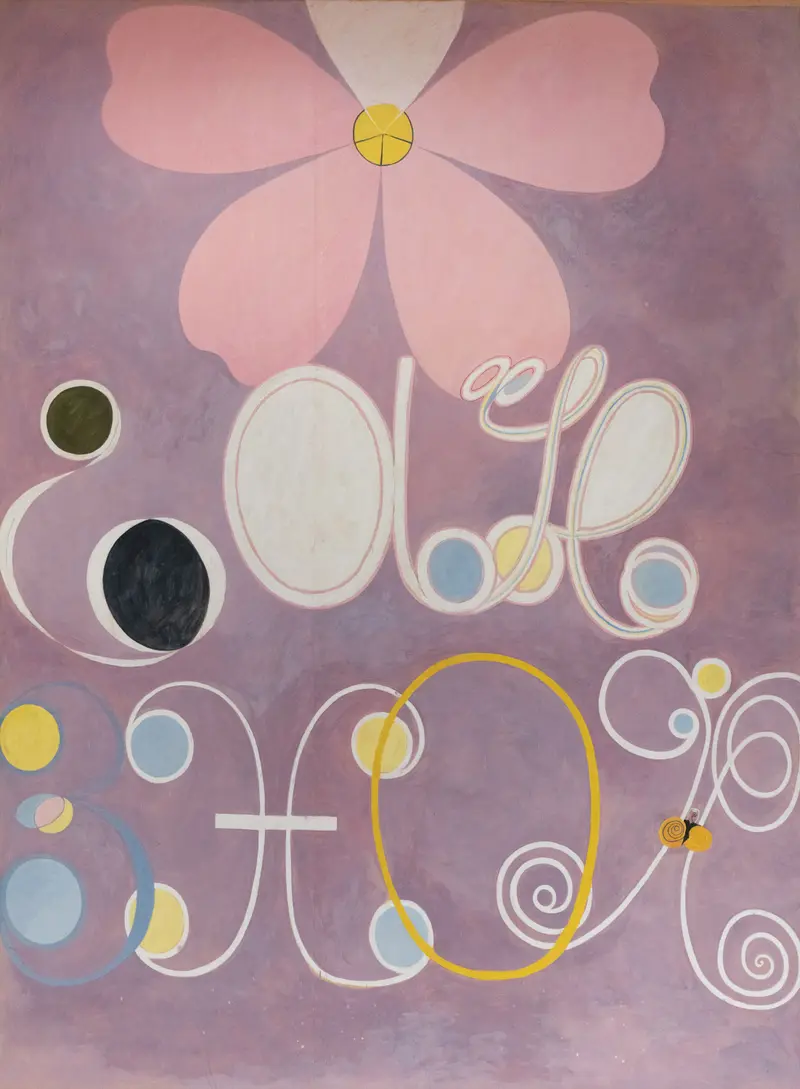
The Ten Largest, No. 5, Adulthood
Hilma af Klint





