The Ten Largest, No. 7, Adulthood — History & Facts
Two huge yellow lobes meet at a point in the middle of a lilac ground, the upper one marked with the Roman numerals I and II and the lower one with III. Green disks crowd the top, red clover-like forms run down the left side, and white script near the bottom reads "vestalasket." The Guggenheim says that during a séance in 1906 Hilma af Klint reported receiving a commission from a higher being to paint for a temple. Moderna Museet says she began the first canvas of The Ten Largest in autumn 1907 and painted all ten in just forty days.
Its audio guide notes that the letters "u," "w" and "s" and the word vestalasket, for Vestal ascetic, appear in the third of the purple Adulthood paintings, which is this one. She planned to hang the series in a spiral temple as a "beautiful wall covering," according to the Art Gallery of New South Wales. Af Klint stipulated that her abstract works not be shown for twenty years after her death, and they stayed all but unseen until 1986. The Guggenheim's 2018-19 exhibition Hilma af Klint: Paintings for the Future, which included this painting, drew more than 600,000 visitors, the most in the museum's history.
It belongs to the Hilma af Klint Foundation in Stockholm.
More Artworks by Hilma af Klint

Portrait
Hilma af Klint
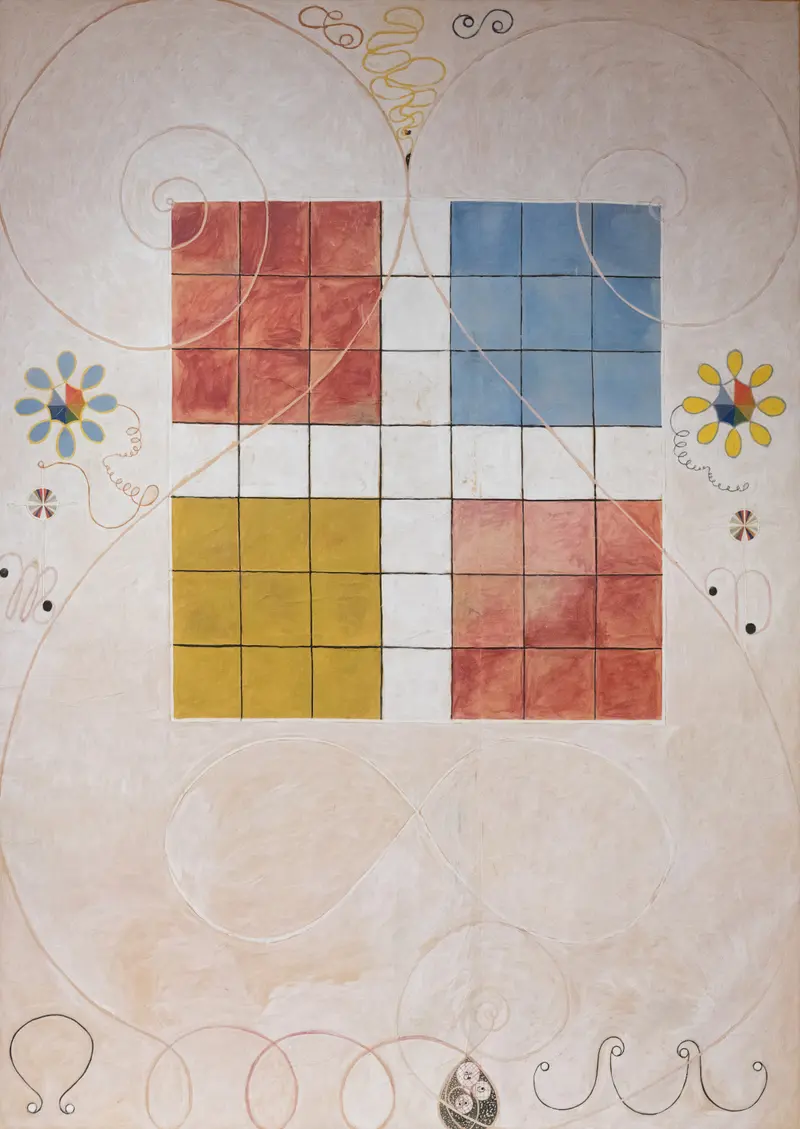
The Ten Largest, No. 10, Old Age
Hilma af Klint
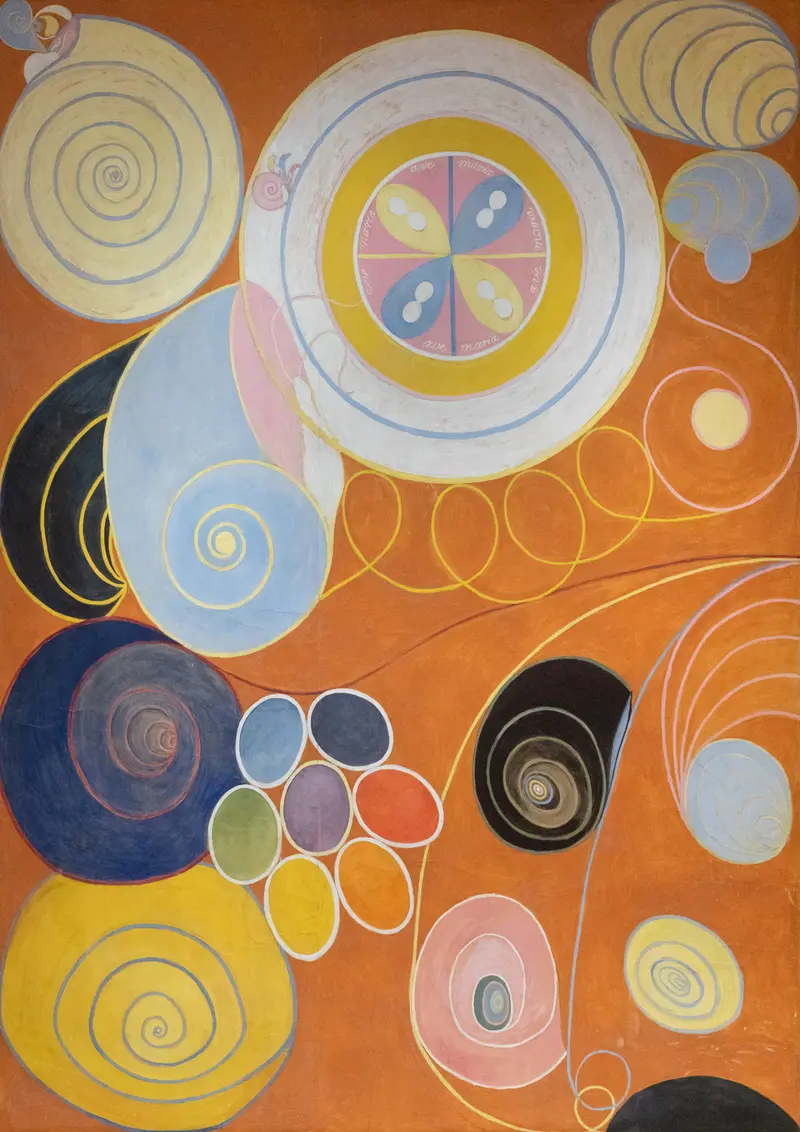
The Ten Largest, No. 3, Youth
Hilma af Klint
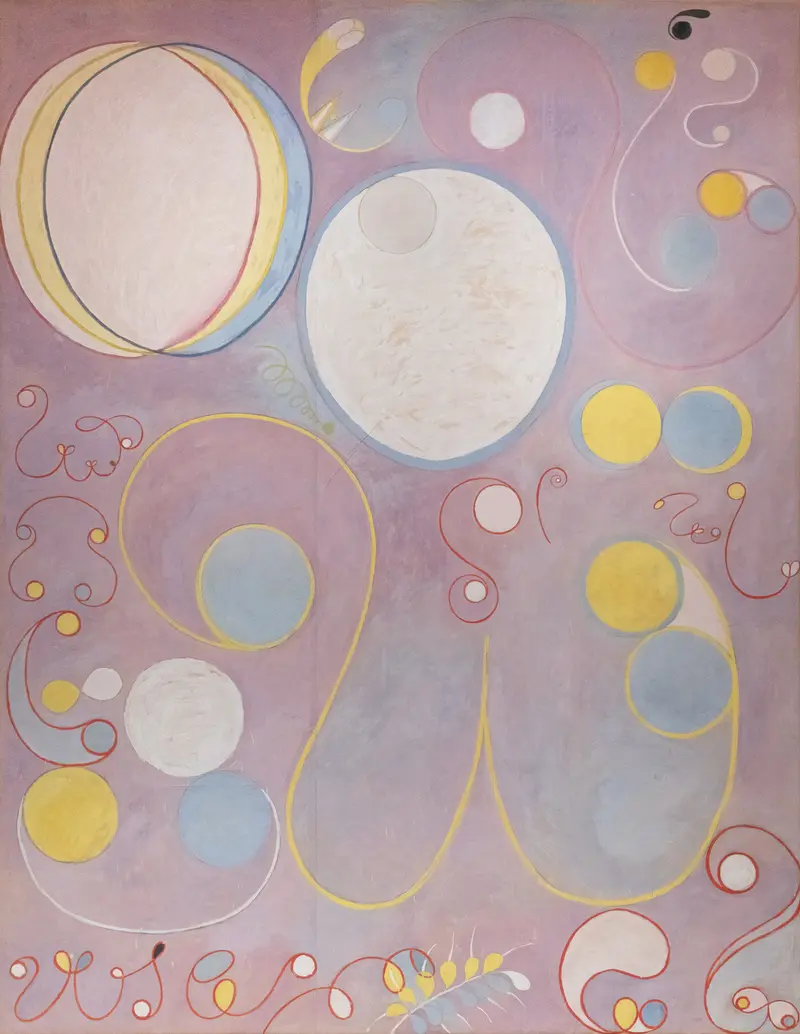
The Ten Largest, No. 8, Adulthood
Hilma af Klint
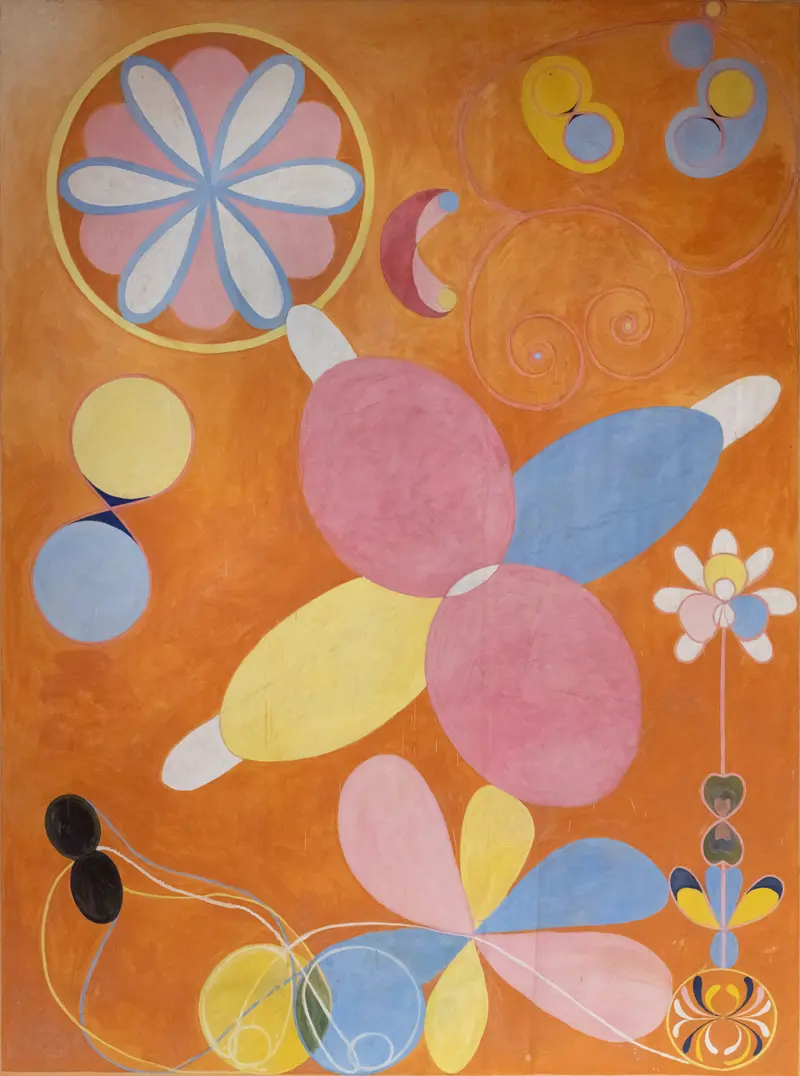
The Ten Largest, No. 4, Youth
Hilma af Klint
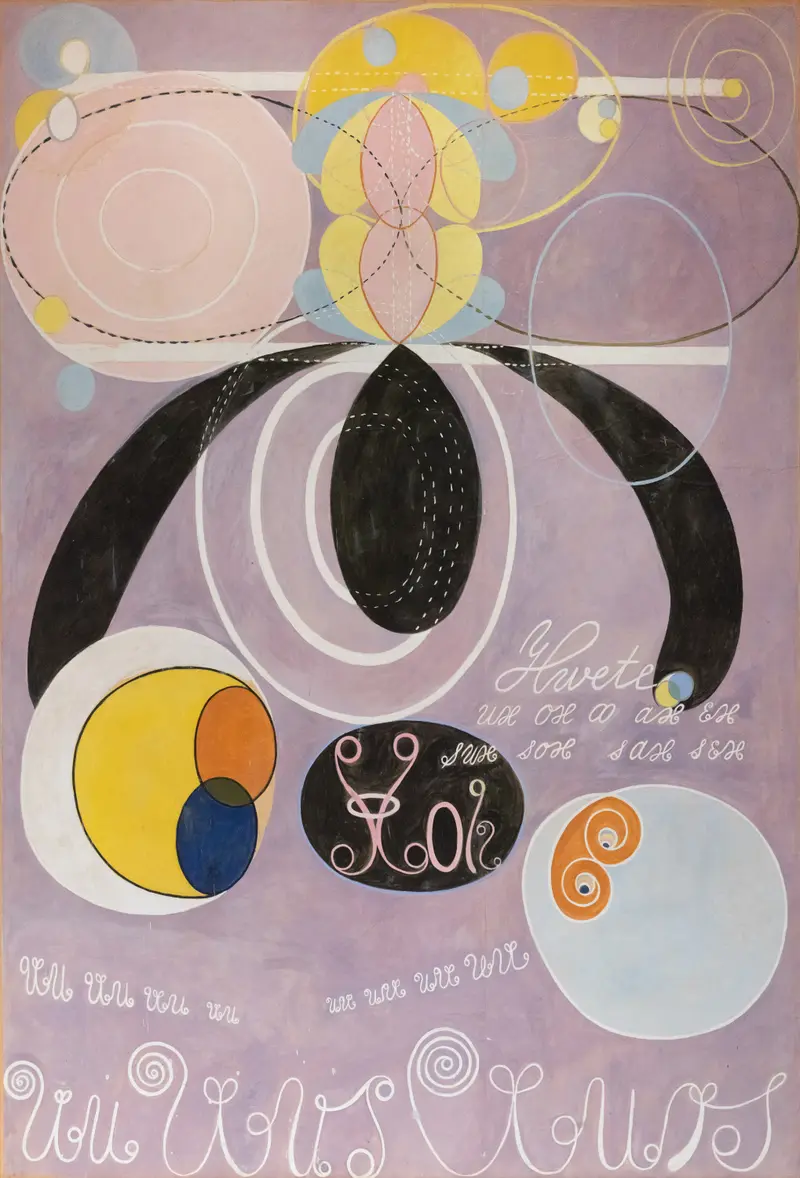
The Ten Largest, No. 6, Adulthood
Hilma af Klint

The Swan, No. 17, Group IX/SUW
Hilma af Klint
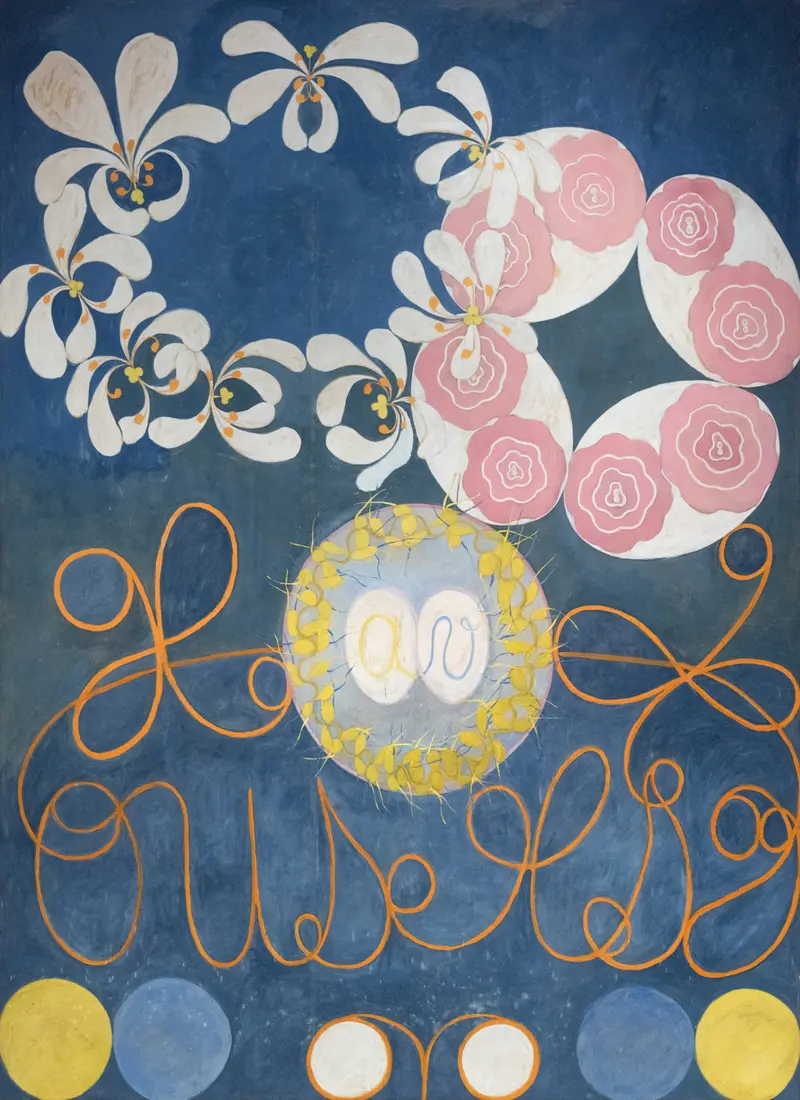
The Ten Largest, No. 1, Childhood
Hilma af Klint
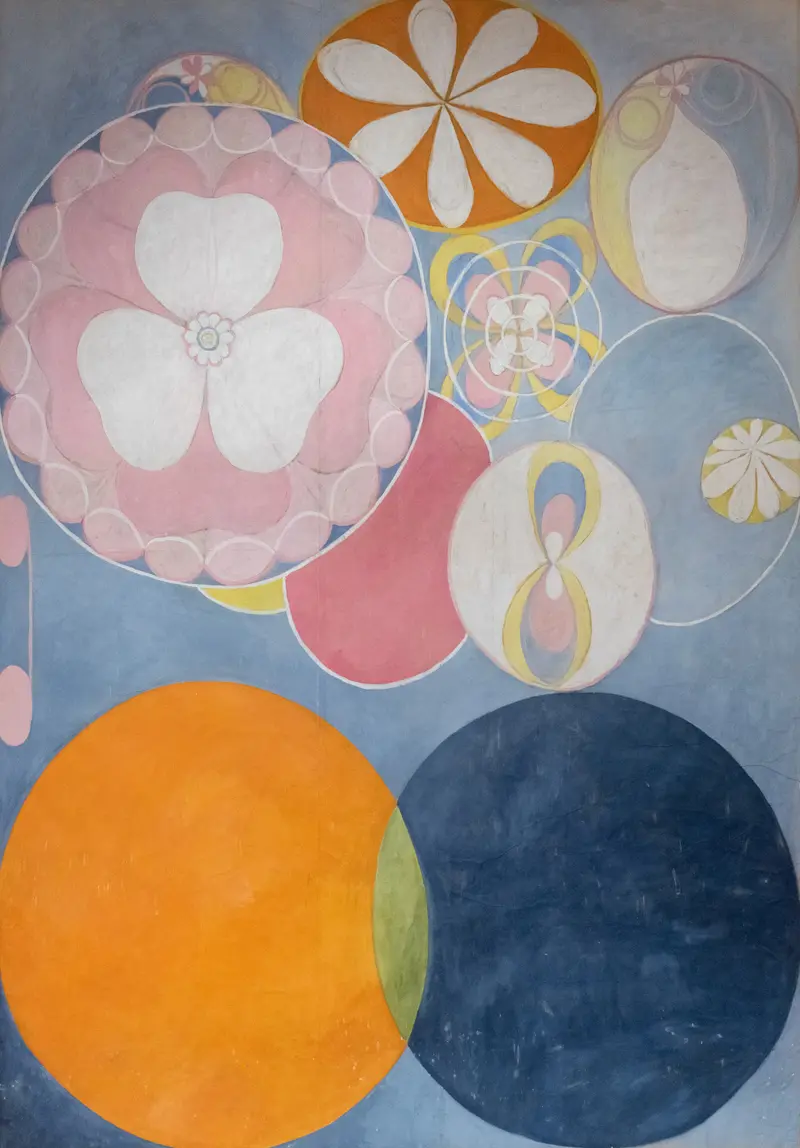
The Ten Largest, No. 2, Childhood
Hilma af Klint
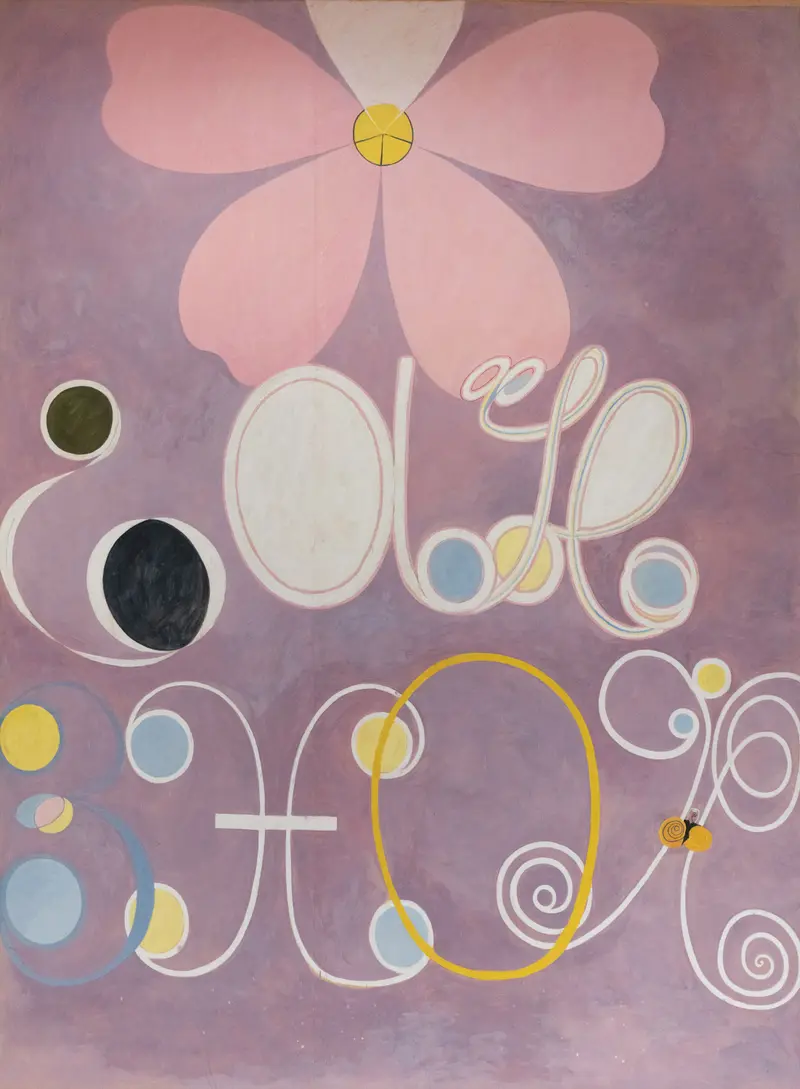
The Ten Largest, No. 5, Adulthood
Hilma af Klint