Swedish, 1862–1944
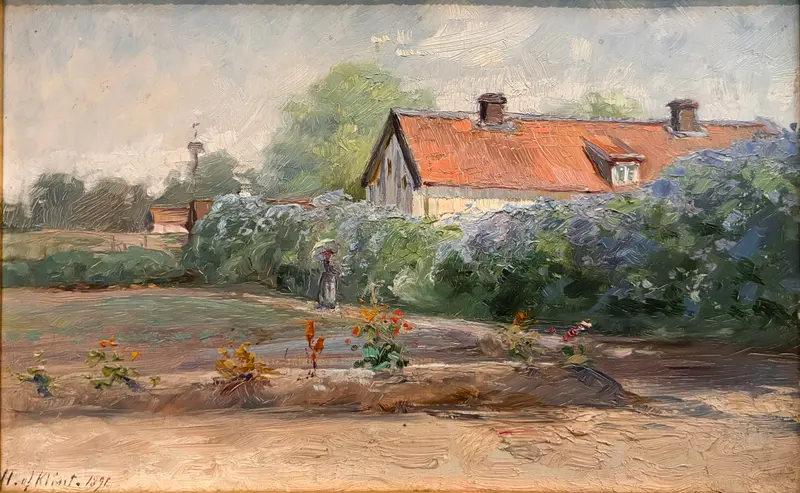
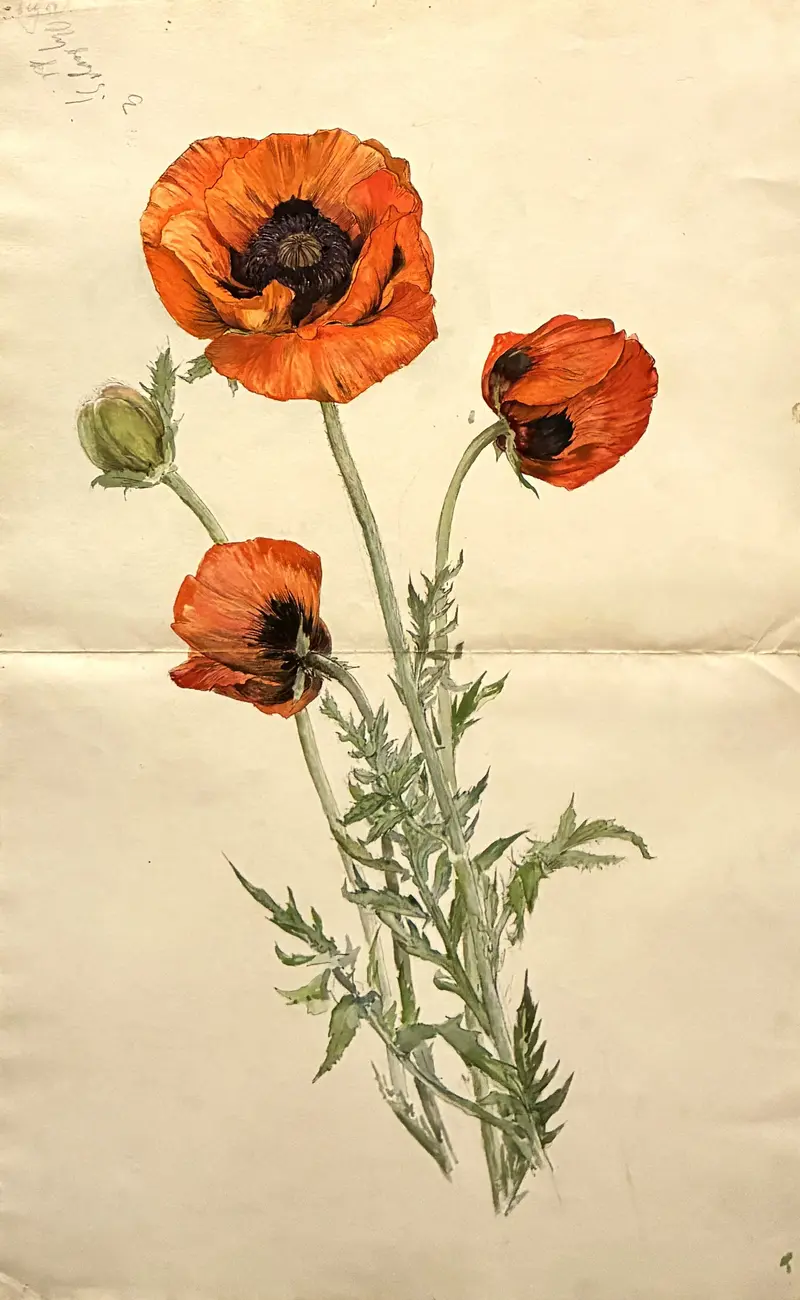
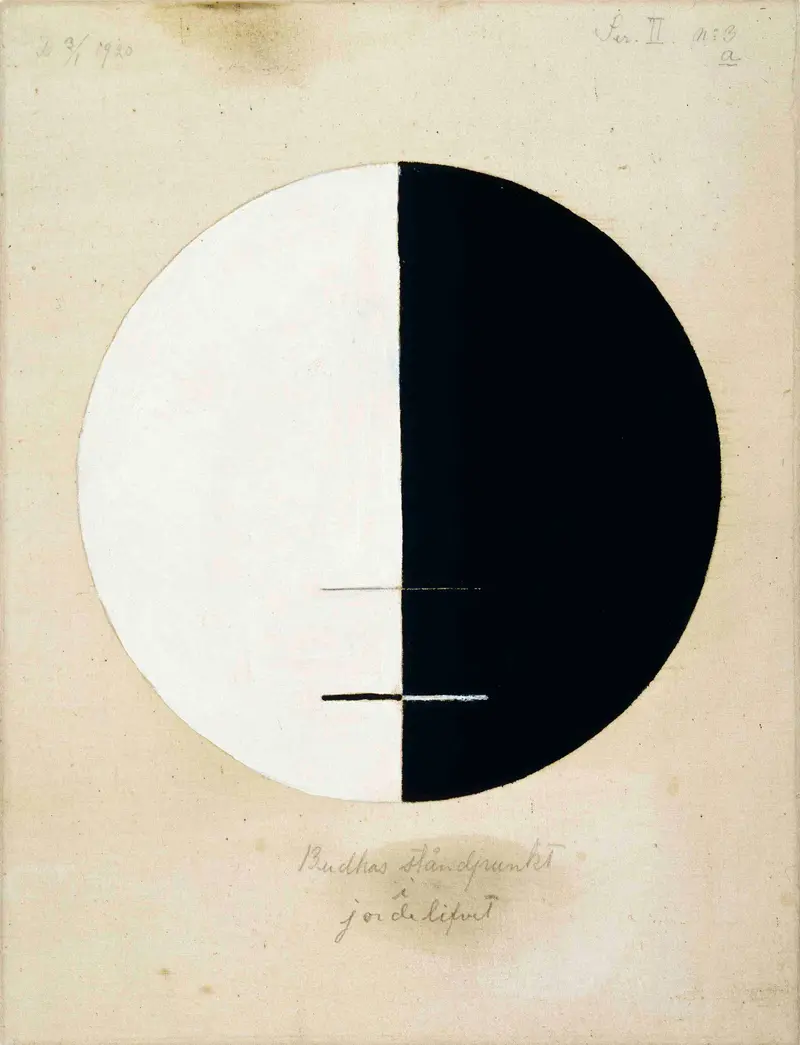
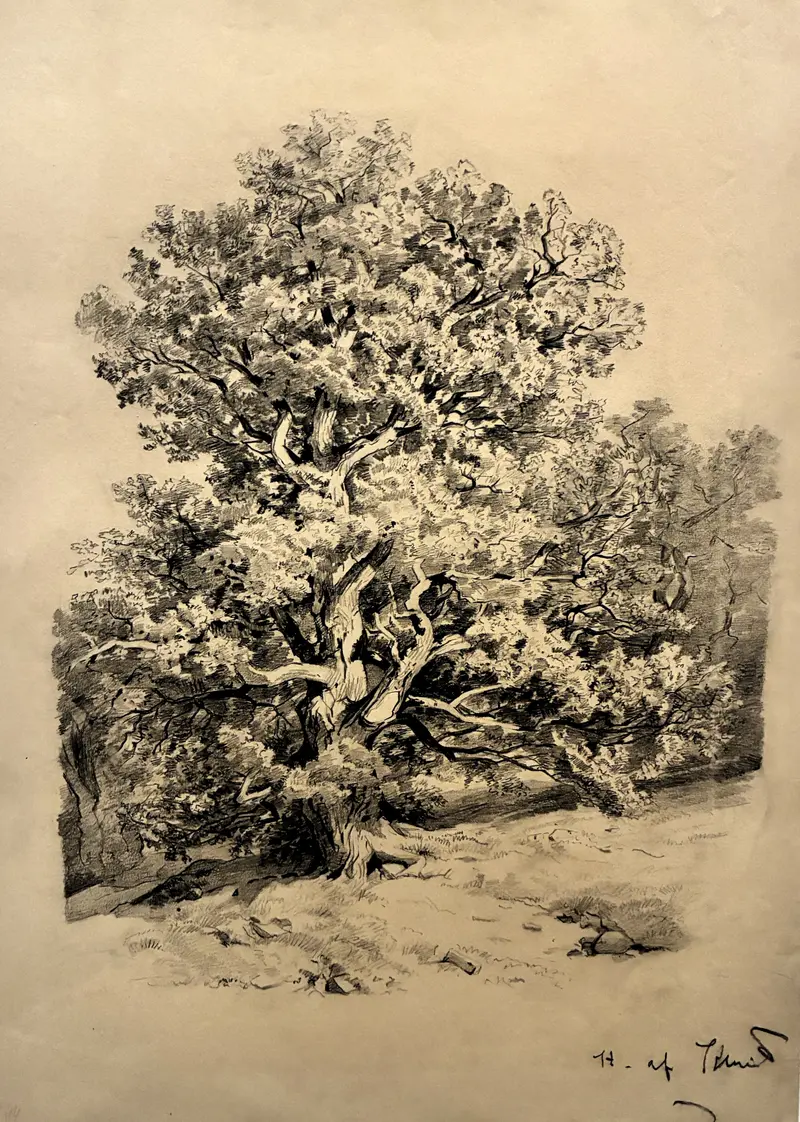
Hilma af Klint (1862–1944) was a Swedish artist and mystic whose paintings are considered among the first major abstract works in Western art history; a considerable body of her abstract work predates the first purely abstract compositions of Kandinsky, Malevich and Mondrian. The daughter of the naval commander Victor af Klint, she was born in Solna, near Stockholm, and studied portrait, landscape and botanical painting at the Royal Academy of Fine Arts in Stockholm from 1882 to 1887. She then worked in Stockholm, gaining recognition for her landscapes, botanical drawings and portraits.
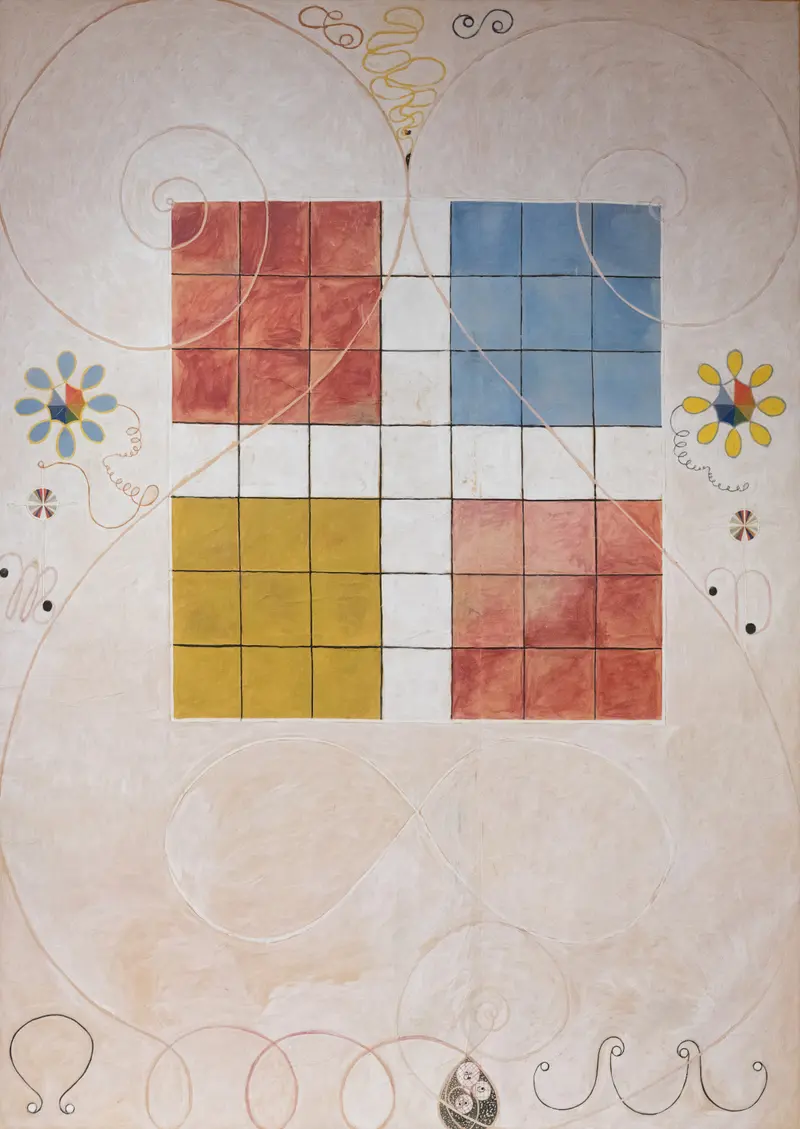
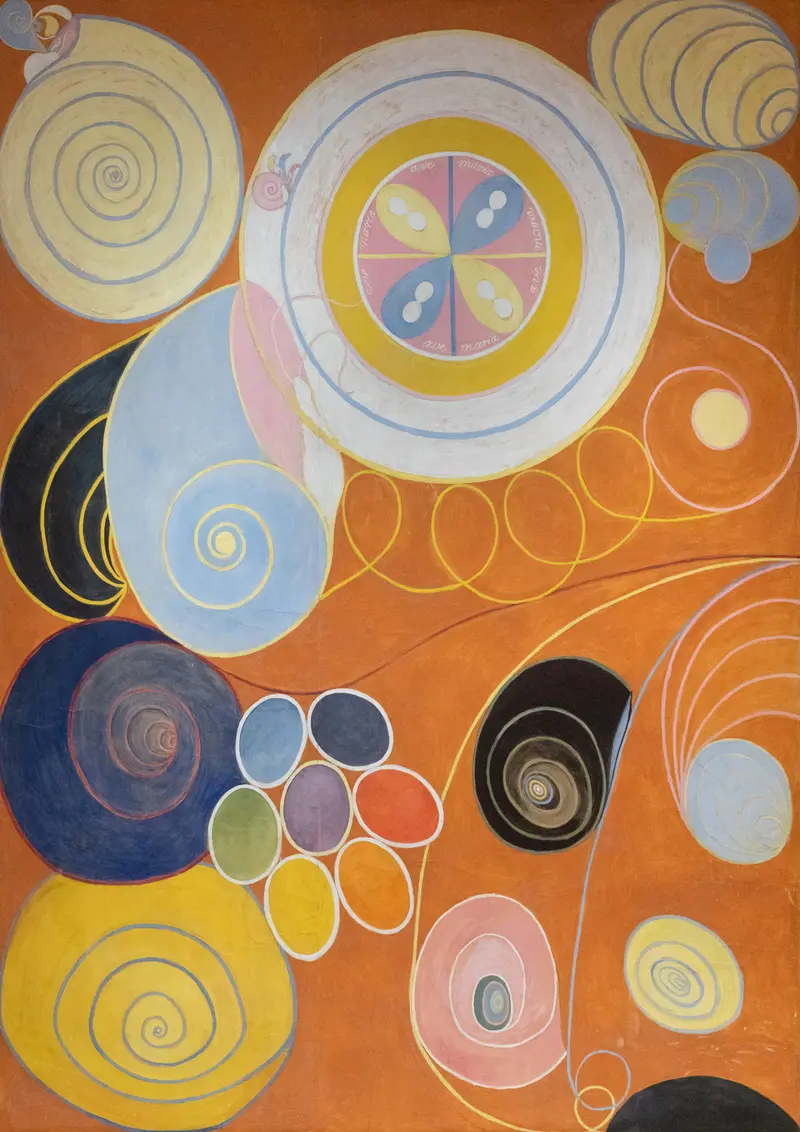
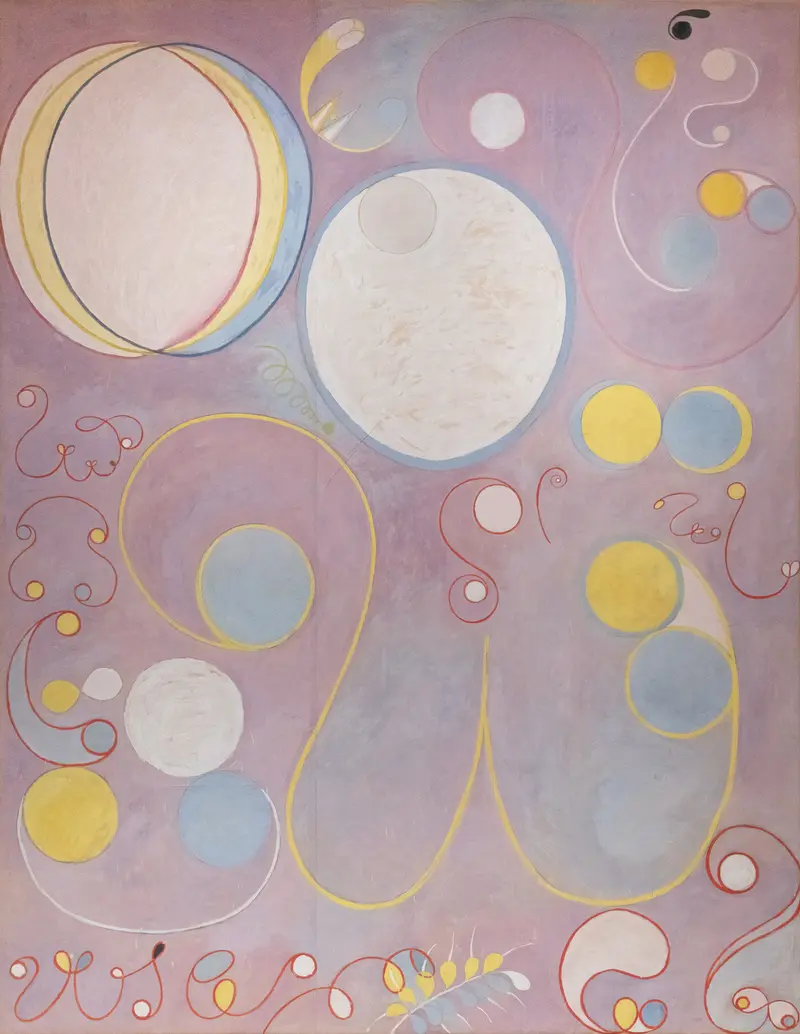
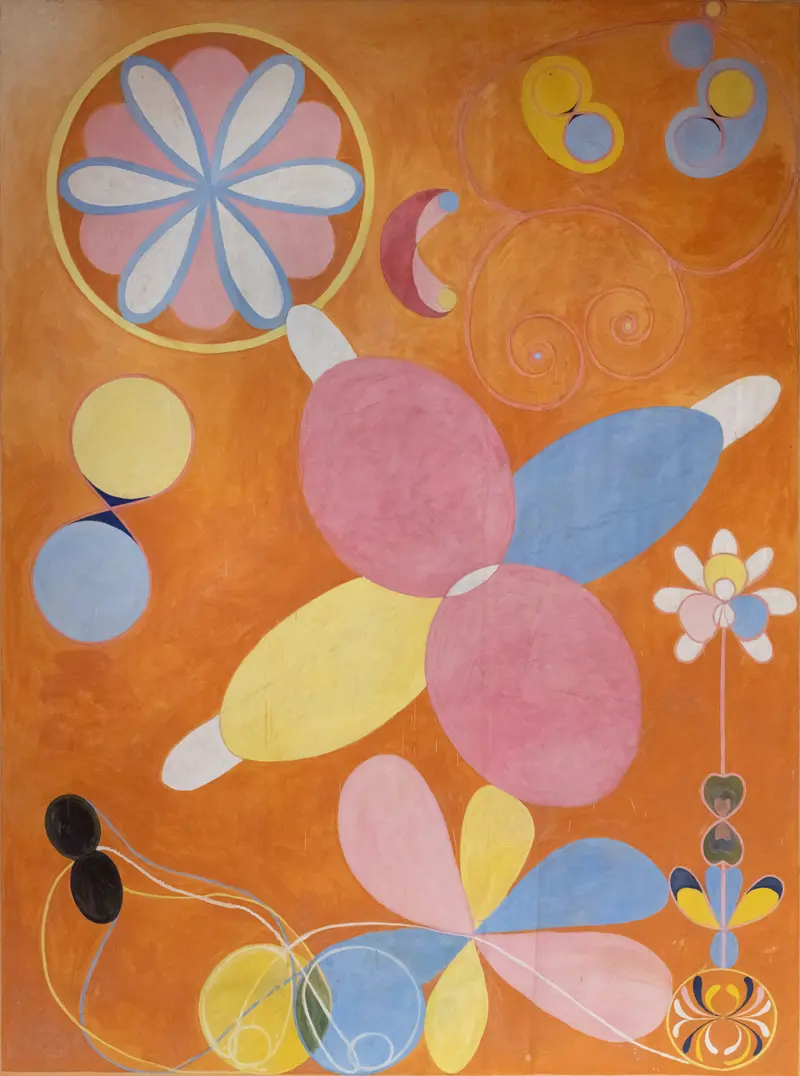
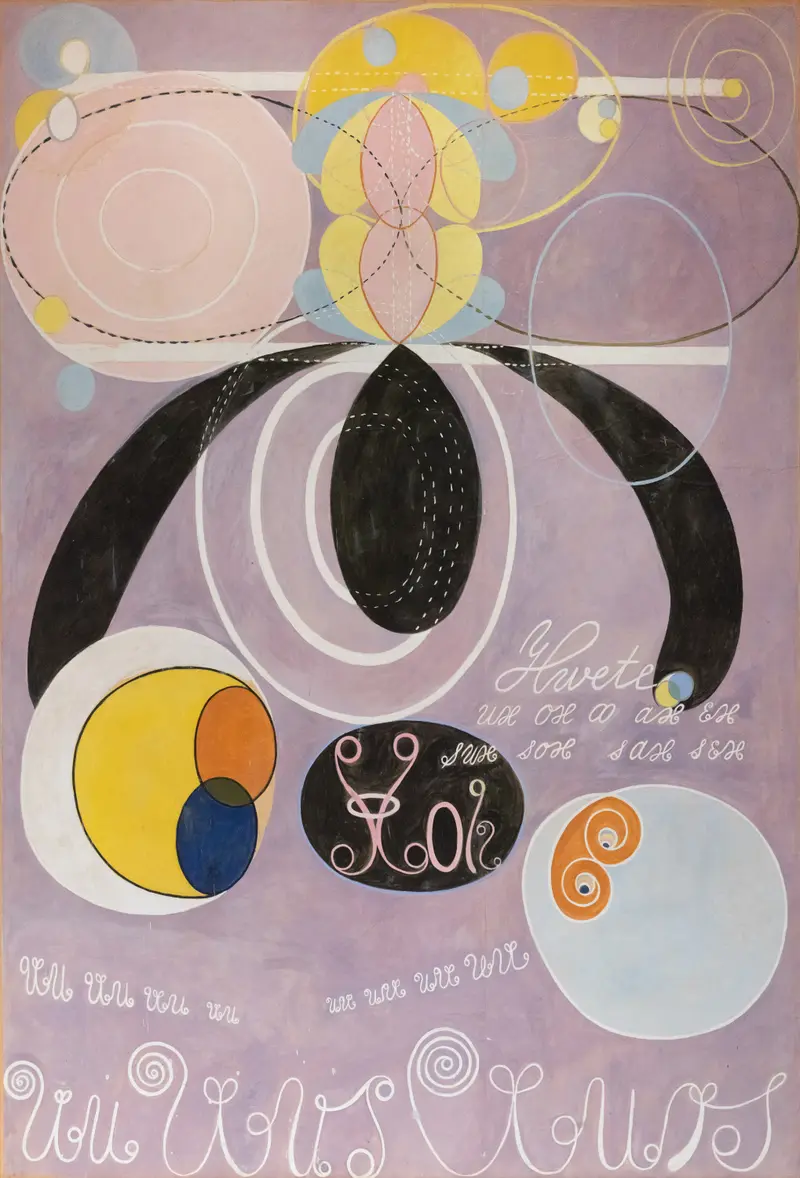
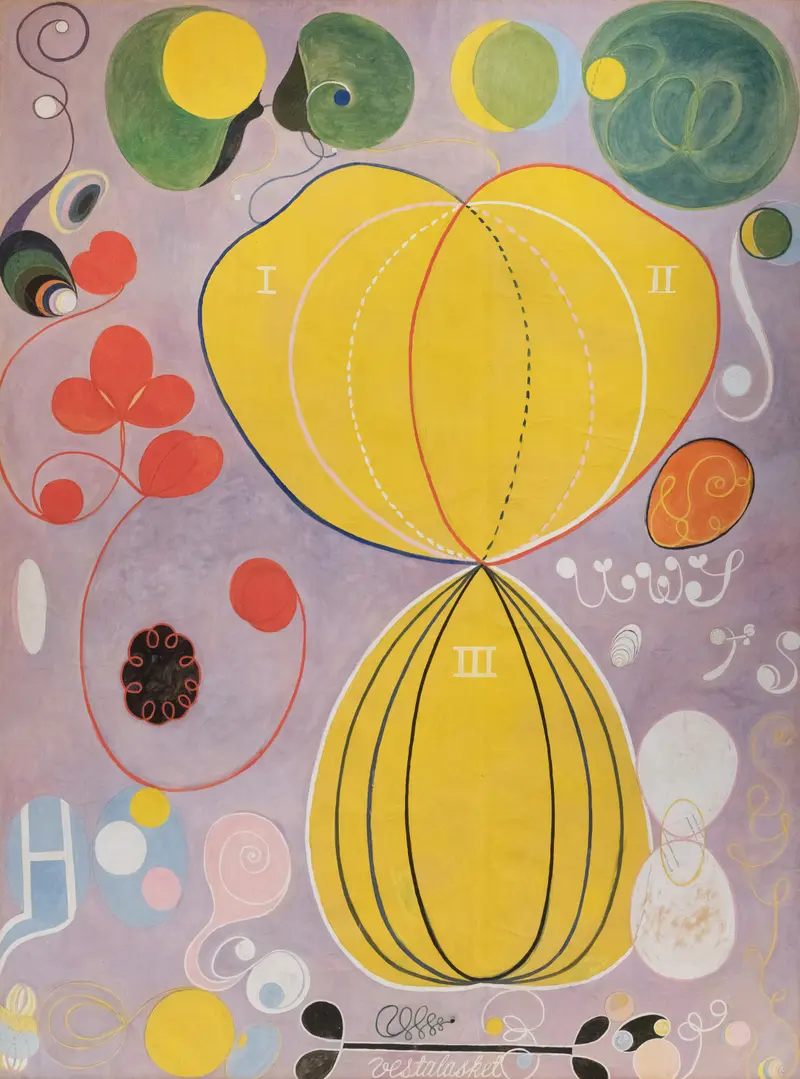
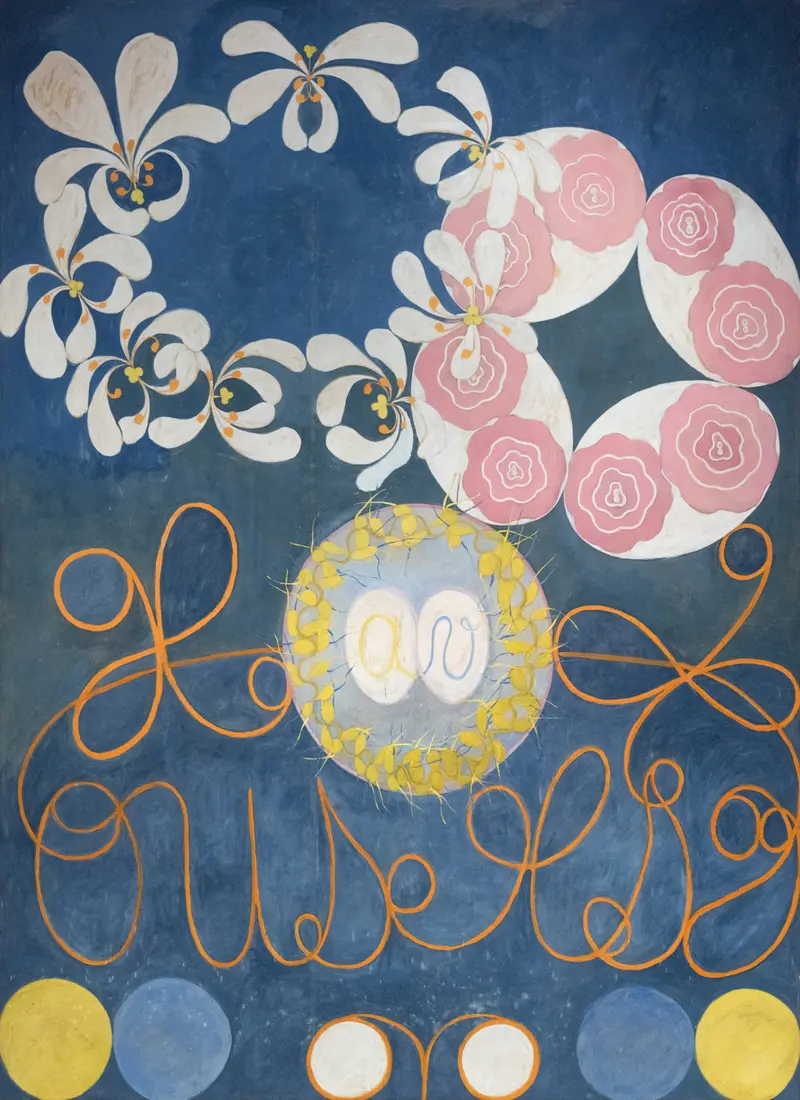
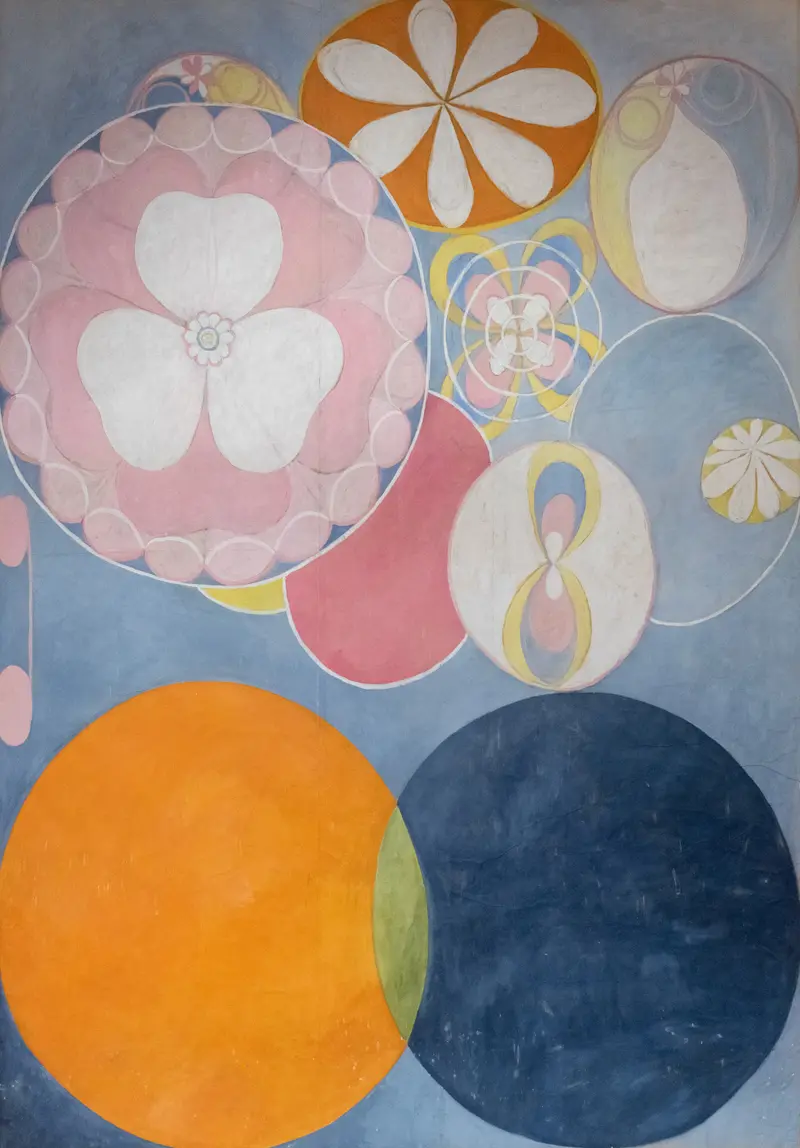
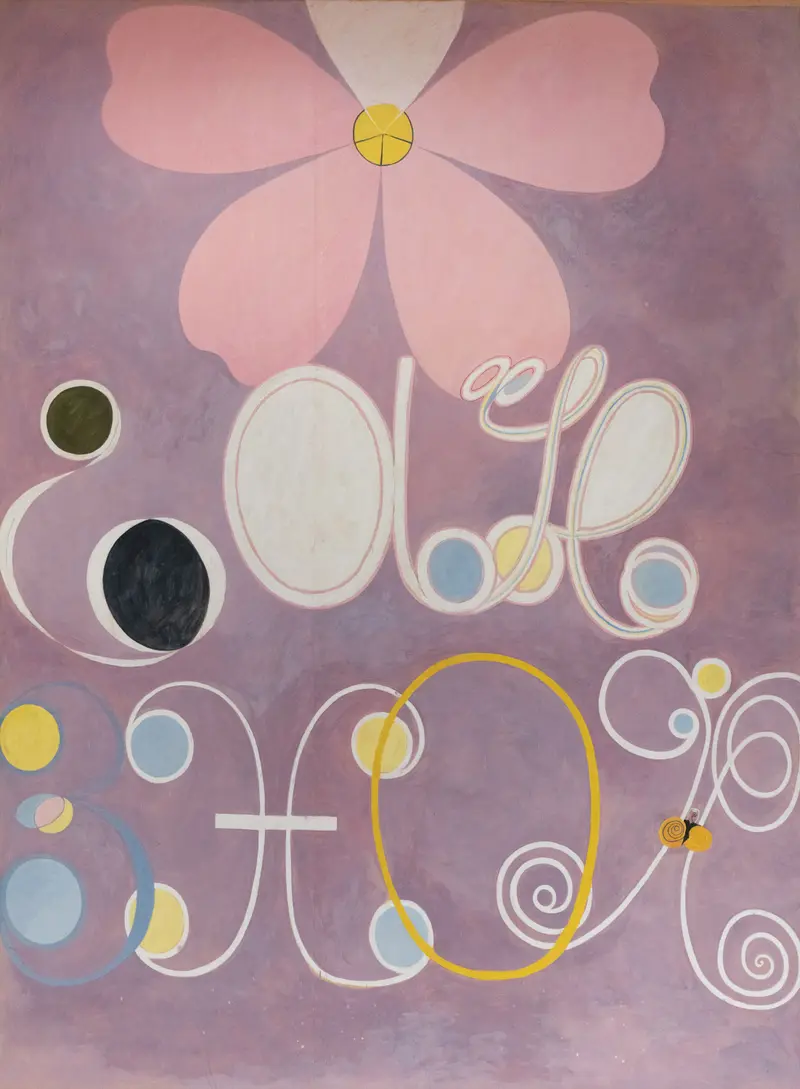
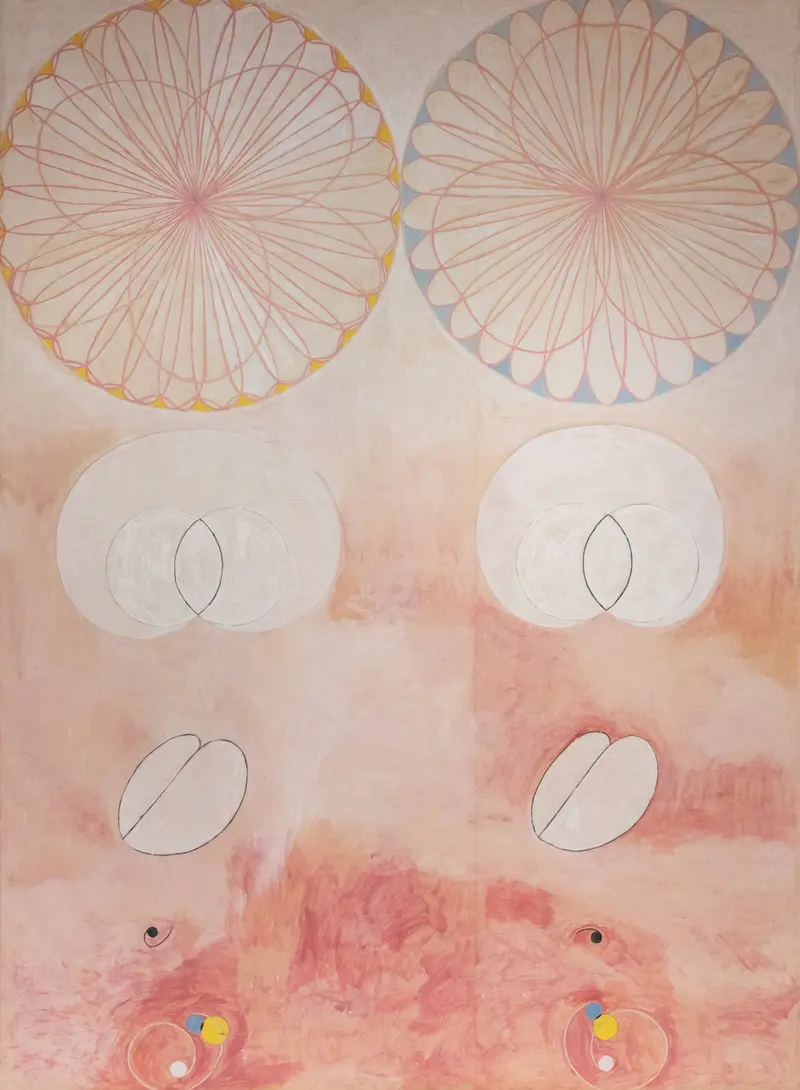
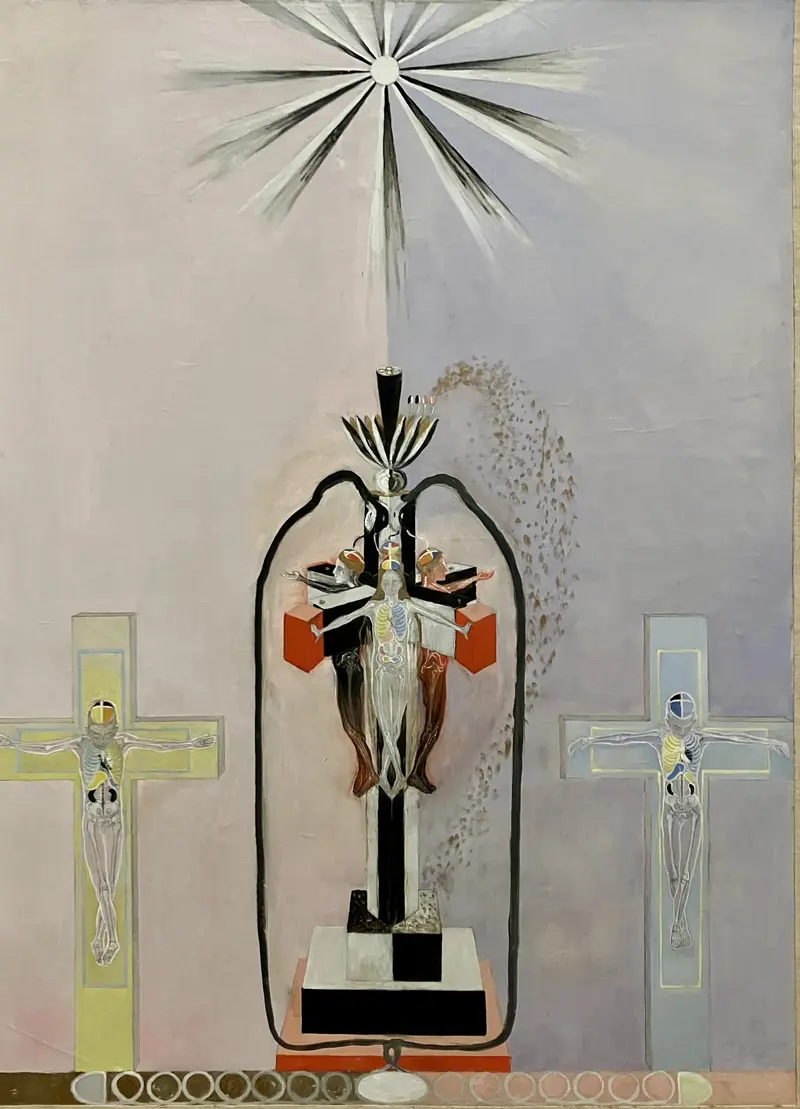
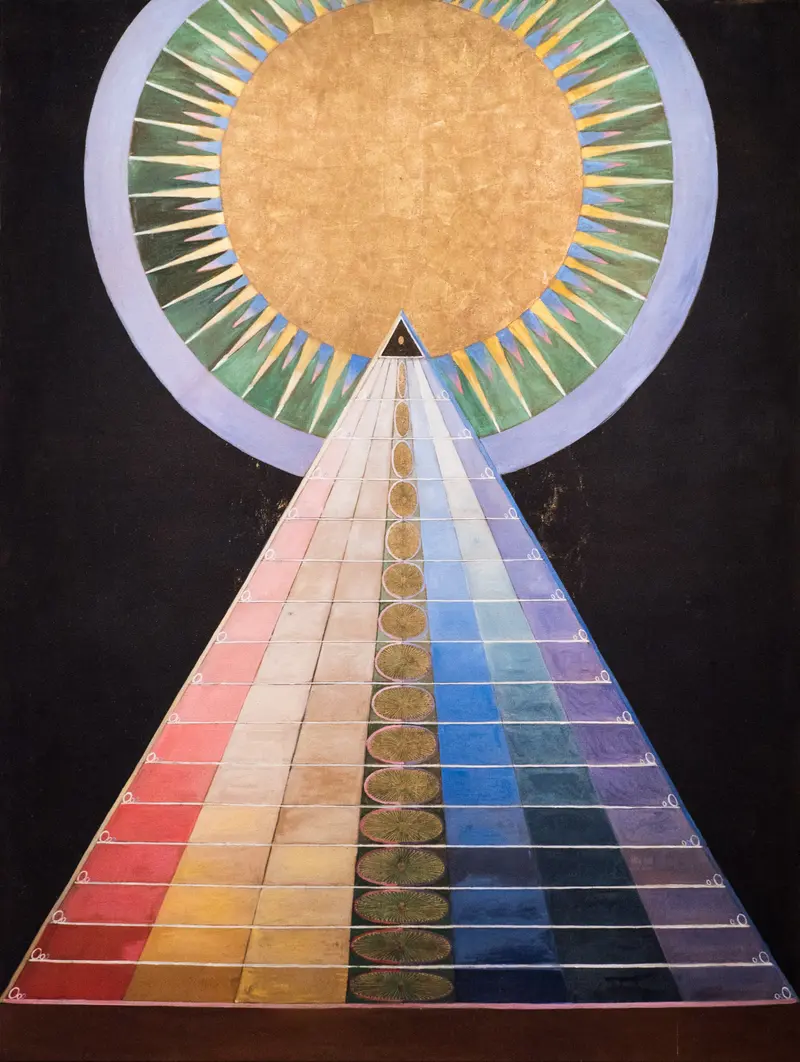
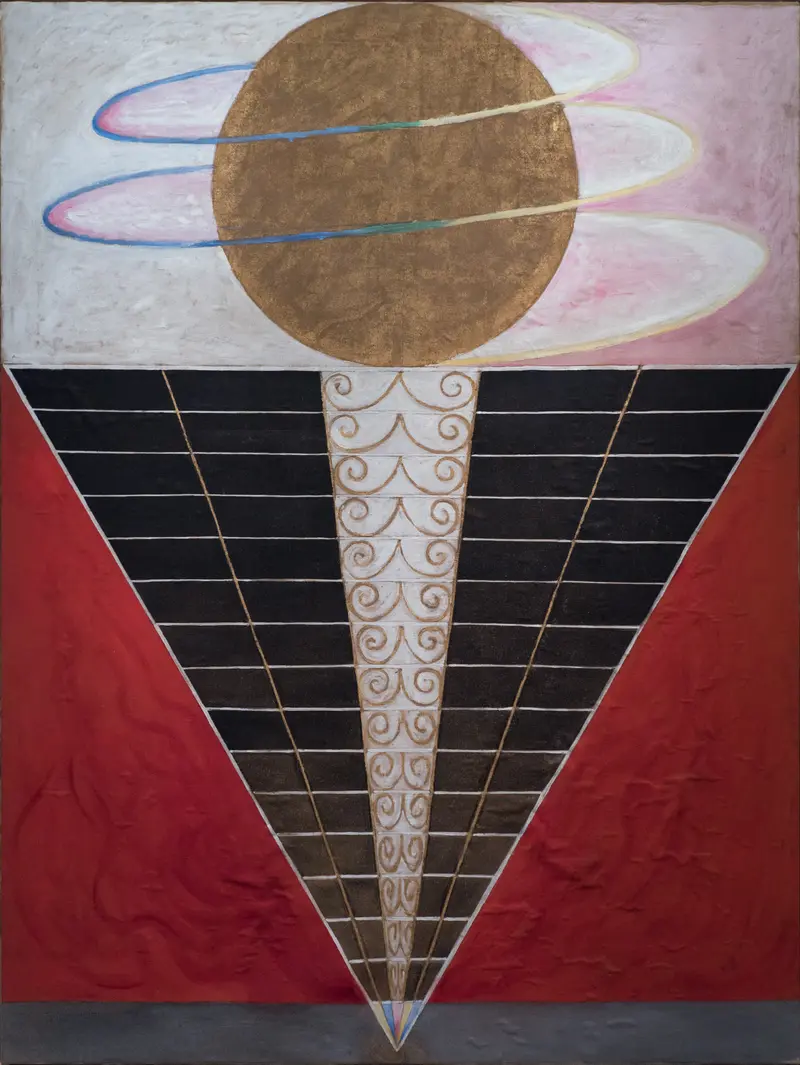
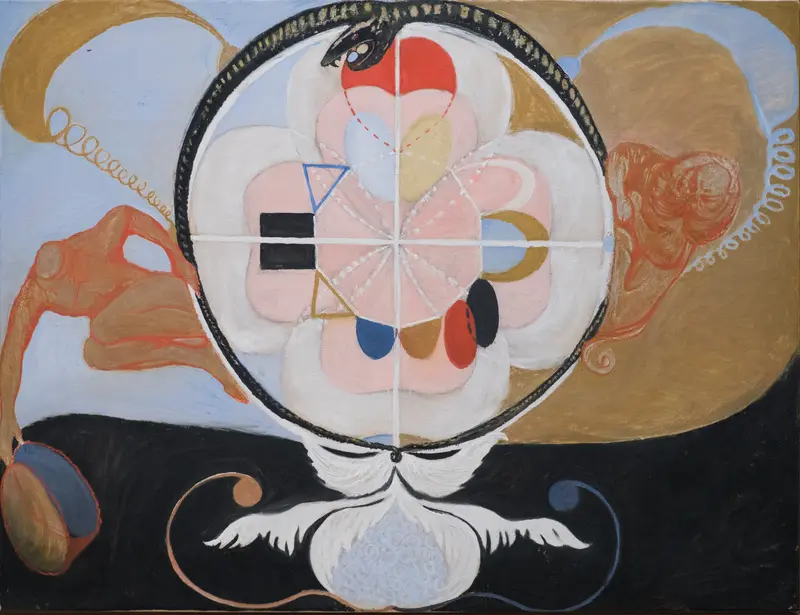
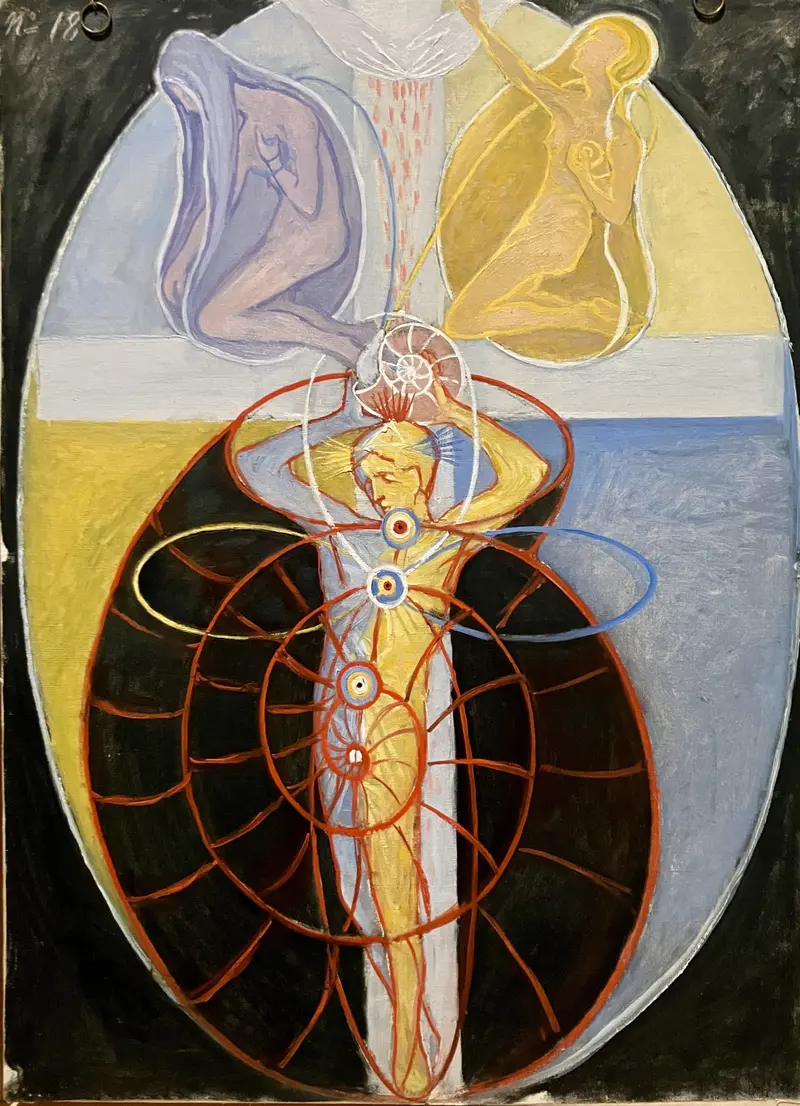
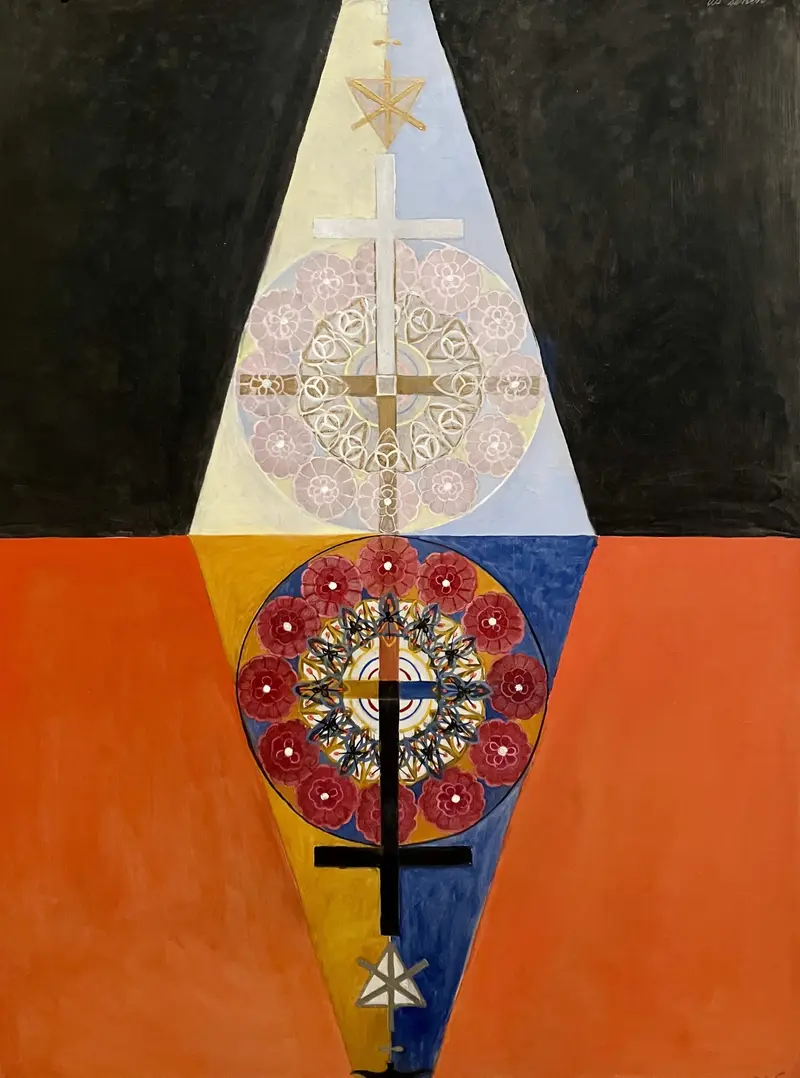
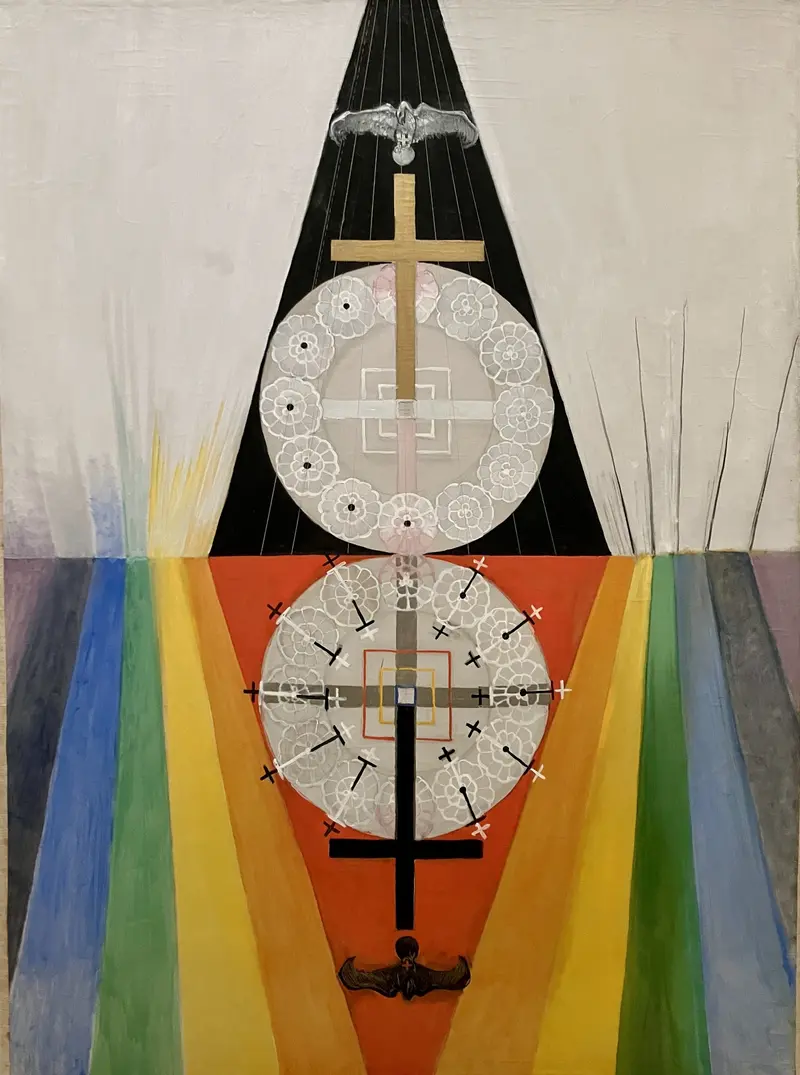
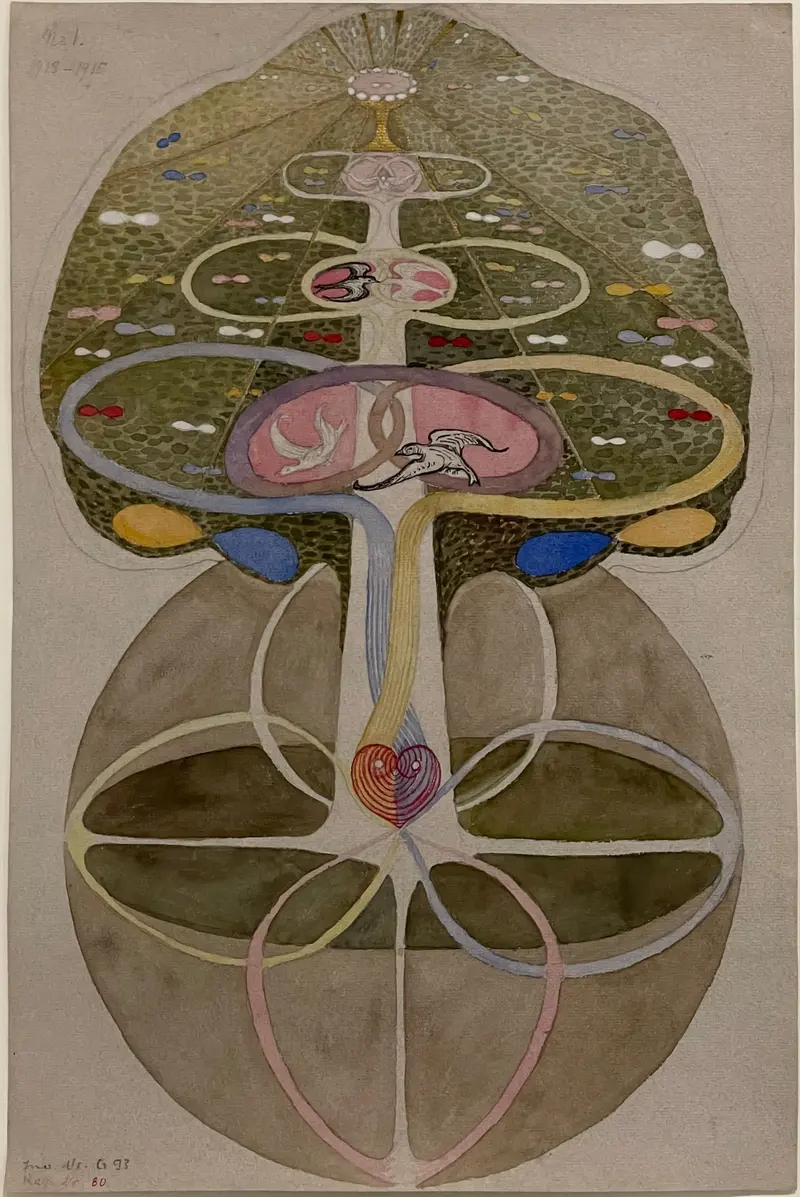
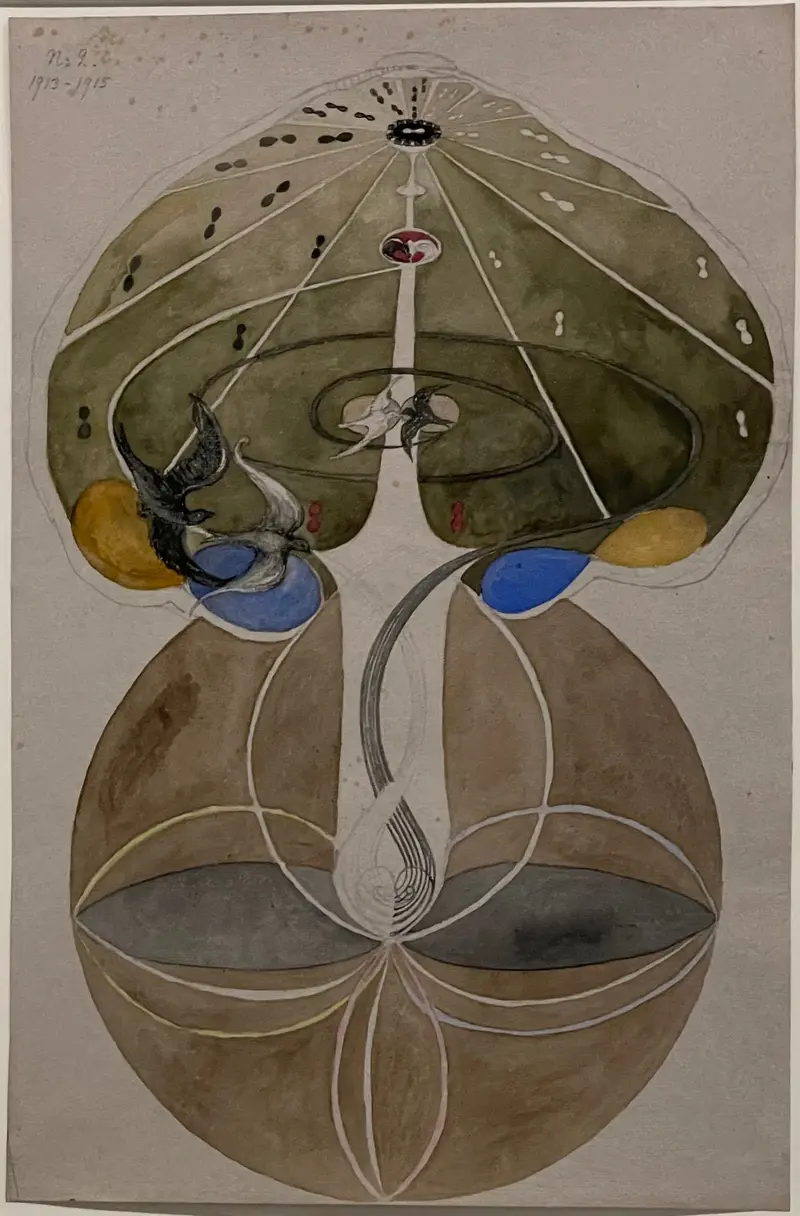
Her abstraction grew out of her involvement in spiritualism and Theosophy, and later Rudolf Steiner's Anthroposophy. With four other women she formed "The Five", a group that held séances and experimented with automatic drawing from 1896. Between 1906 and 1915 she painted the Paintings for the Temple, a cycle of almost two hundred works that includes The Ten Largest (1907) — monumental canvases of about 240 × 320 cm depicting the stages of human life from childhood to old age — as well as the Primordial Chaos, Evolution, The Swan, The Dove and Altarpieces groups.
Believing the world was not ready for her abstract work, she exhibited it only a handful of times, mostly at spiritual gatherings, and directed that it remain unseen until twenty years after her death. She died in Djursholm on 21 October 1944 following a traffic accident, leaving more than 1,200 paintings and 125 diaries to her nephew Erik af Klint. Her work reached an international audience from the 1980s and is now managed by the Hilma af Klint Foundation in Stockholm.
27 artworks