
Portrait of a Farmer from Voss — History & Facts
What holds the viewer here is the unflinching directness of the sitter’s gaze: a man whose weathered face and tangled hair speak of a life spent in the fields, yet whose eyes meet ours with a mixture of wariness and resolve. The brushwork is swift and sure, especially in the rendering of the vest and shirt, where the paint seems almost sculpted, as if the artist wanted us to feel the roughness of the fabric. Light falls across the farmer’s forehead and cheekbones, carving out the planes of his face against the dark, nearly featureless background, drawing all attention to the intensity of his expression.
There is no trace of sentimentality here—only the gravity of a man accustomed to hard labor and harder seasons. The palette is sober, dominated by earthy browns and muted blues, reinforcing the sense of dignity and endurance. Painted in 1855, this Portrait of a Farmer from Voss belongs to a moment in Scandinavian art when painters like Adolph Tidemand turned their attention to the rural people and landscapes of Norway. Such portraits were not merely records of appearance; they were acts of cultural preservation, capturing the faces and customs of a society on the brink of change as industrialization began to reshape the countryside.
The National Museum of Art, Architecture and Design now holds this painting, a testament to the era’s fascination with national identity and the everyday heroism of ordinary lives. History has kept few traces of this specific sitter, but Tidemand’s brush ensures that his presence endures—inviting us to search his face for the stories of a vanished world.
More Artworks by Adolph Tidemand

Bridal Procession on the Hardangerfjord
Adolph Tidemand
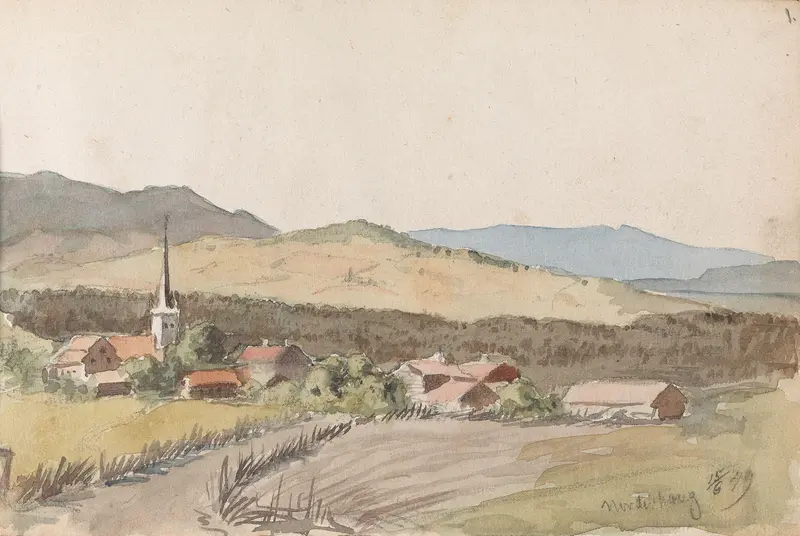
Fra Haugsbygd
Adolph Tidemand
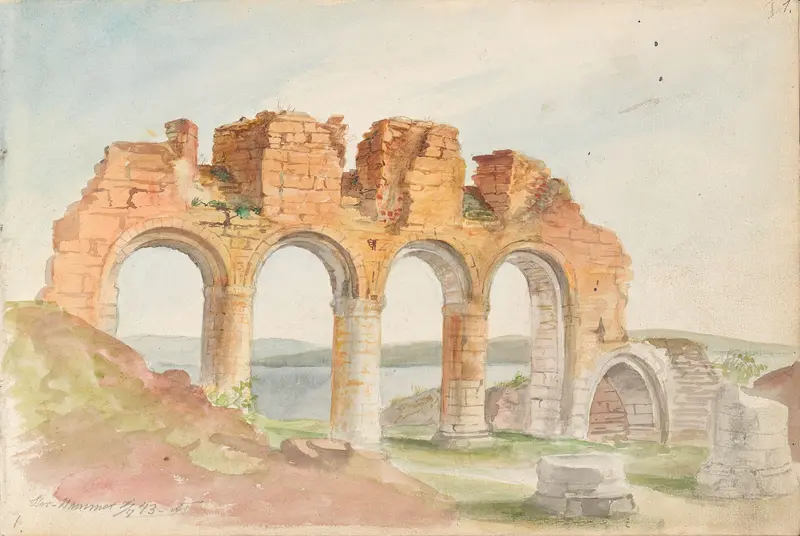
Domkirkeruinen, Hamar
Adolph Tidemand
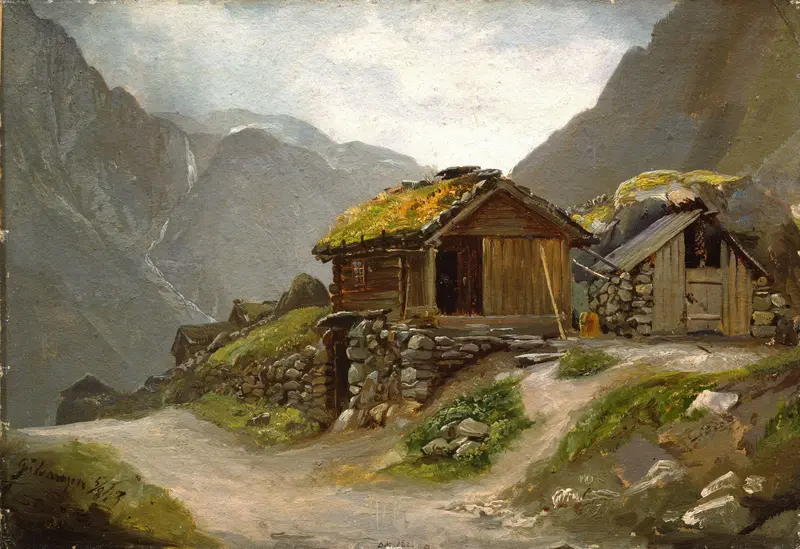
View from Gudvangen
Adolph Tidemand
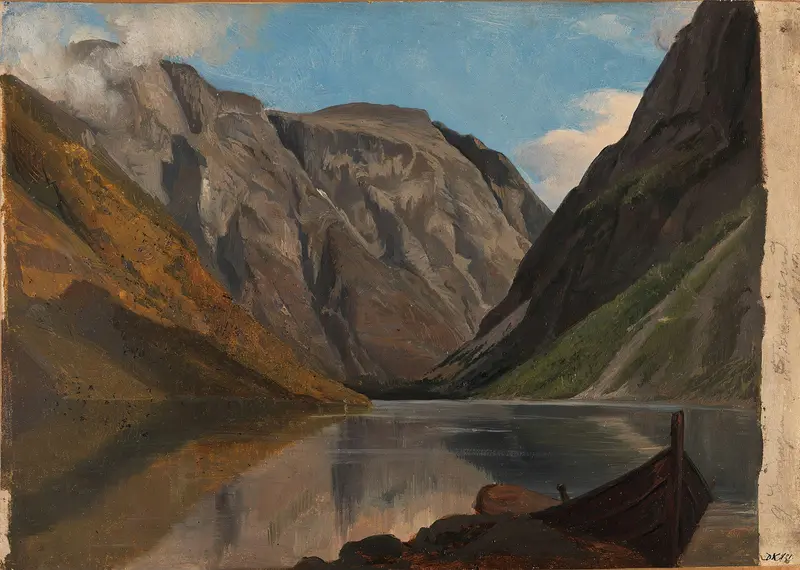
View of Gudvangen
Adolph Tidemand
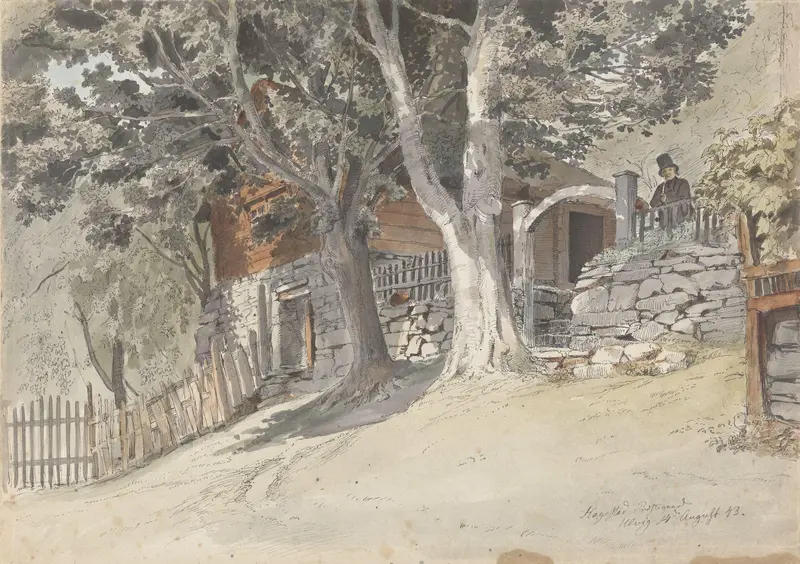
Hagestad prestegård, Ulvik i Hardanger
Adolph Tidemand
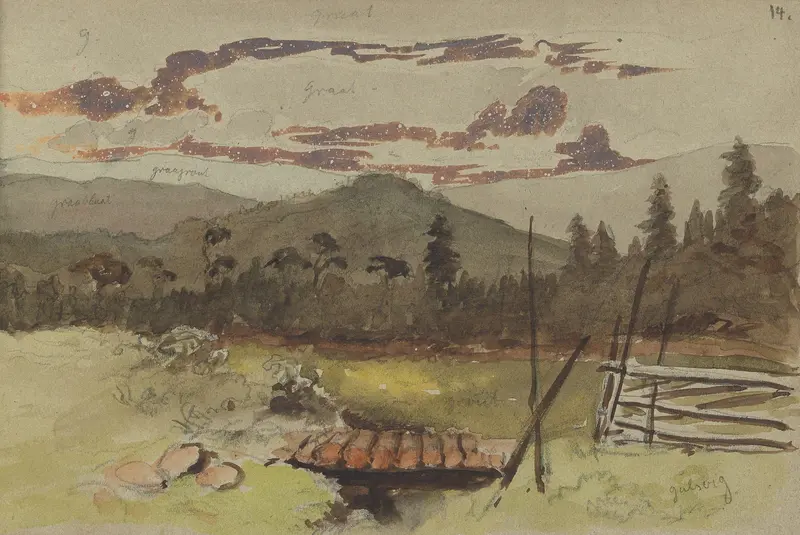
Fra Gulsvik
Adolph Tidemand
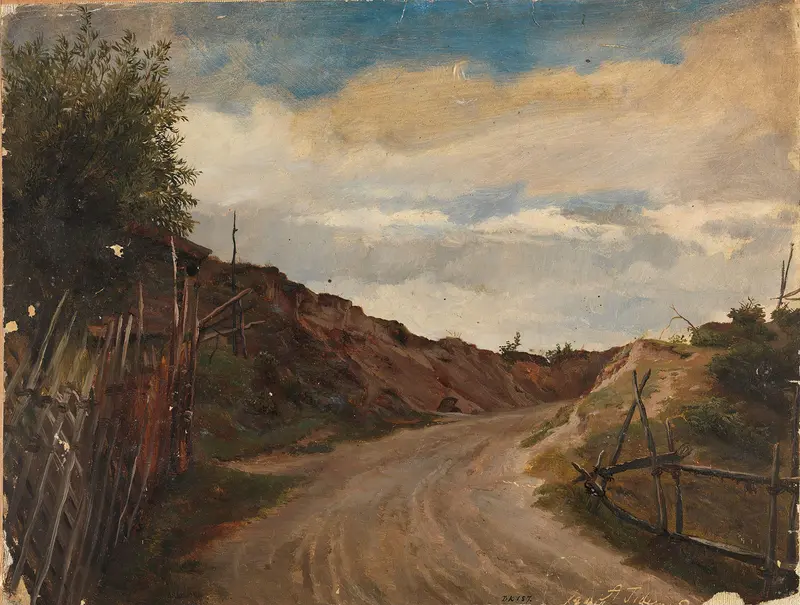
Country Road
Adolph Tidemand
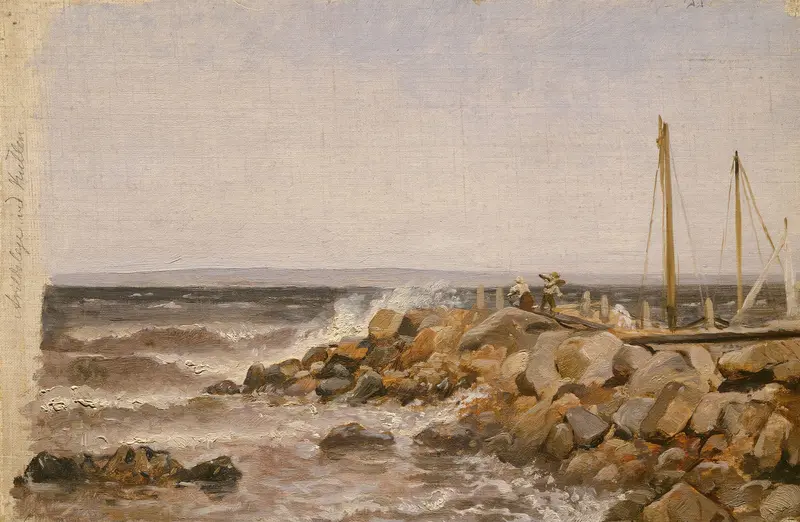
From Kullen in Sweden
Adolph Tidemand
Untitled
Adolph Tidemand





