
Portrait of a Farmer from Vossevangen — History & Facts
It is the gaze that holds you first—steady, unyielding, and edged with the quiet gravity of a life spent outdoors. The sitter’s weathered face, framed by a shock of long, unruly hair and crowned with a faded red cap, draws the eye with its map of lines and sunburnt tones. Every brushstroke in Portrait of a Farmer from Vossevangen by Adolph Tidemand seems chosen to honor the dignity of this unknown man.
The light, soft but direct, falls across his features, accentuating the deep furrows and the set of his jaw, while the muted earth tones of his clothing and background keep all attention on his expression—a mixture of endurance and wary curiosity. The roughness of the paint around the edges, especially in the rendering of the coat and the hat, does not distract but rather roots the image in the physical world, as if the portrait itself carries the texture of the Norwegian soil. Painted in 1855, this work belongs to a period when artists across Europe turned their attention to the everyday people who shaped their nations. In Norway, where Tidemand worked, the mid-nineteenth century was a time of searching for national identity, often through the faces and stories of rural folk.
Portraits like this were rarely about individual fame; instead, they served as tributes to a way of life, sometimes commissioned by local patrons or collected by institutions eager to preserve a vanishing world. Now held by the National Museum of Art, Architecture and Design, this painting stands as a record of both a specific person and a broader cultural moment. The longer you look, the more the sitter’s guarded stare invites you to imagine the stories behind those eyes—stories that, though undocumented, linger in the paint.
More Artworks by Adolph Tidemand

Bridal Procession on the Hardangerfjord
Adolph Tidemand
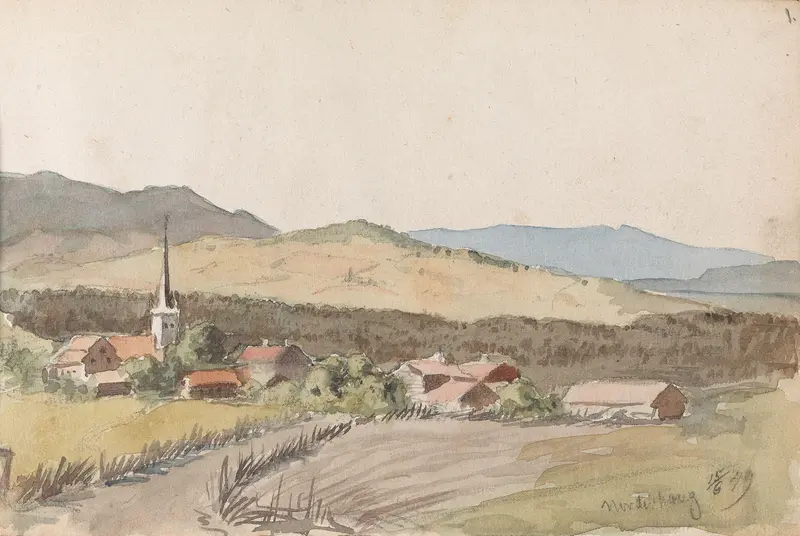
Fra Haugsbygd
Adolph Tidemand
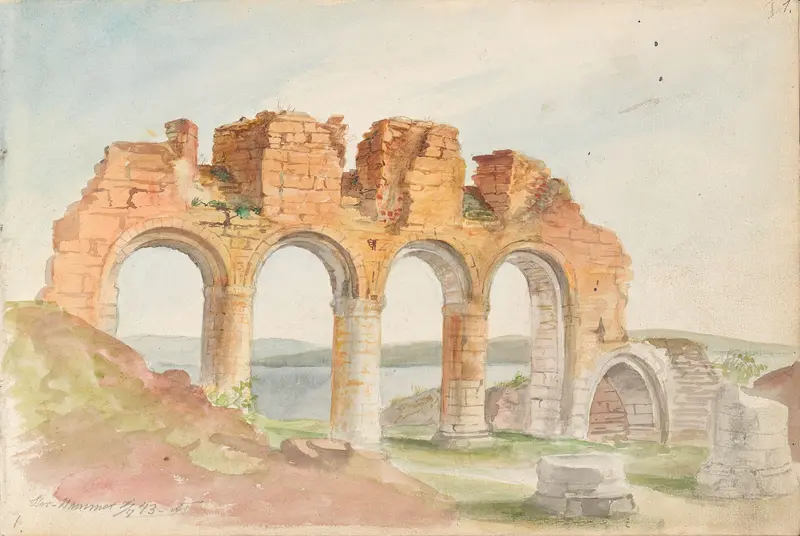
Domkirkeruinen, Hamar
Adolph Tidemand
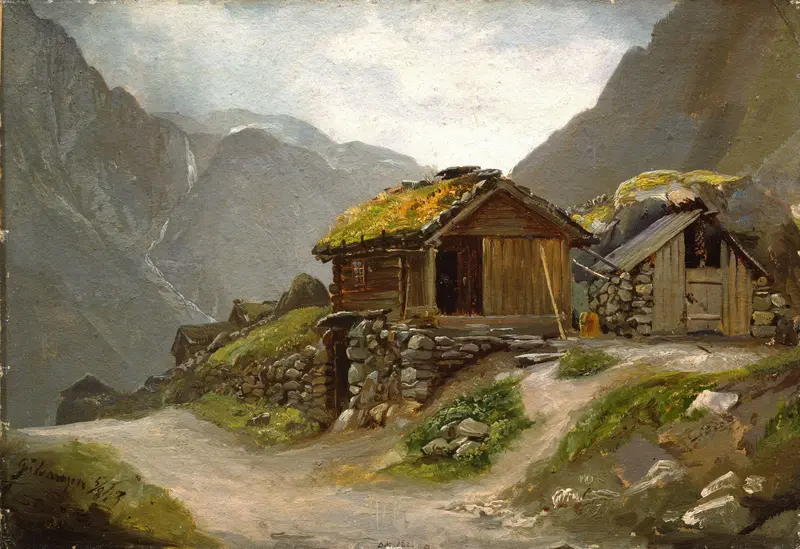
View from Gudvangen
Adolph Tidemand
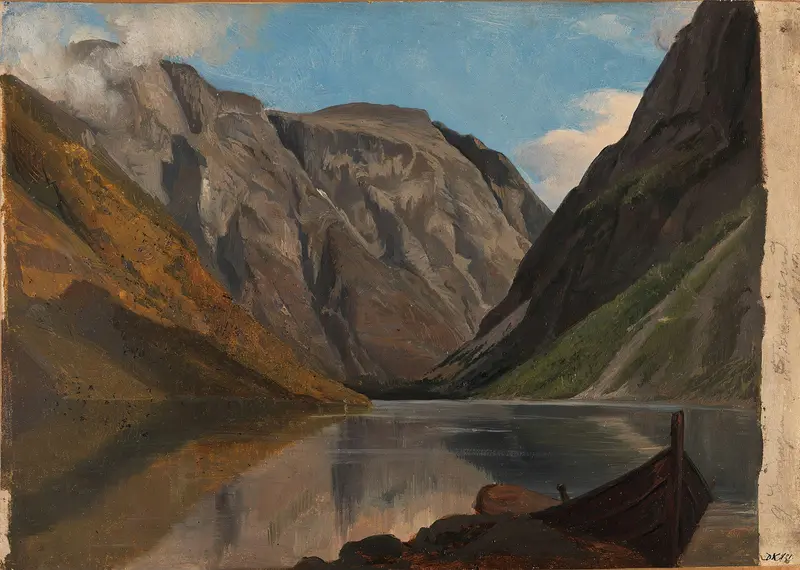
View of Gudvangen
Adolph Tidemand
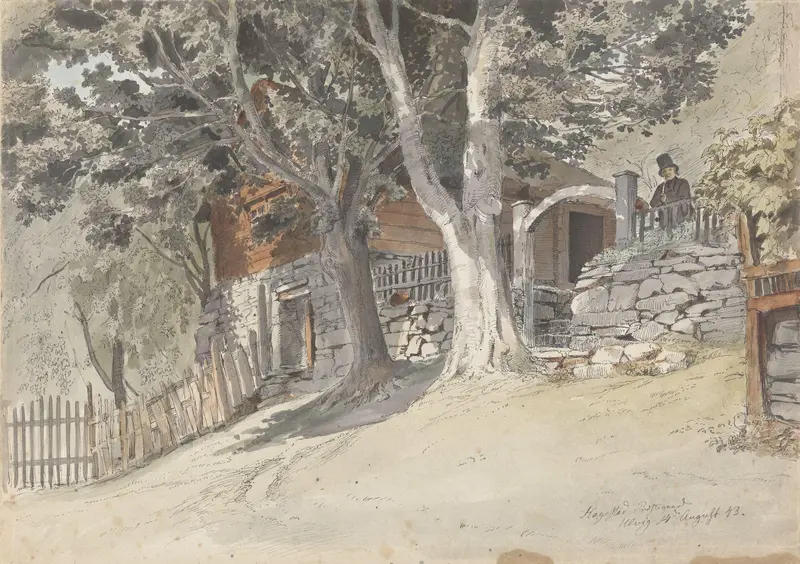
Hagestad prestegård, Ulvik i Hardanger
Adolph Tidemand
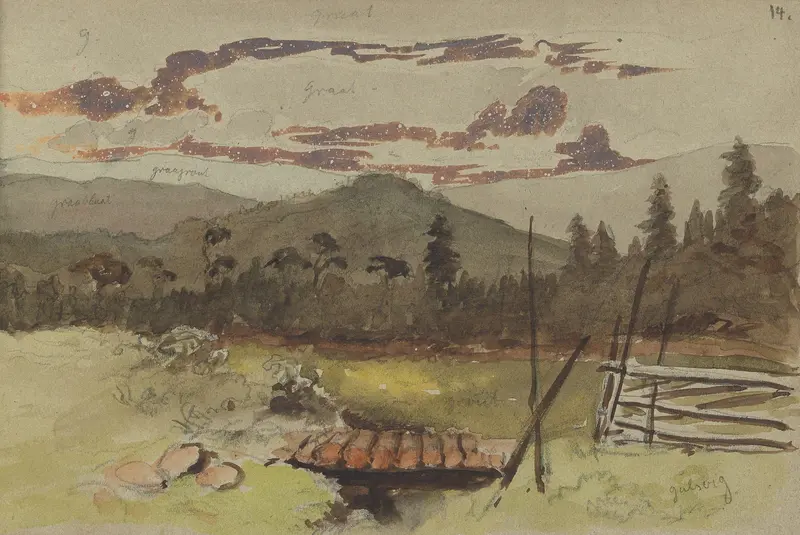
Fra Gulsvik
Adolph Tidemand
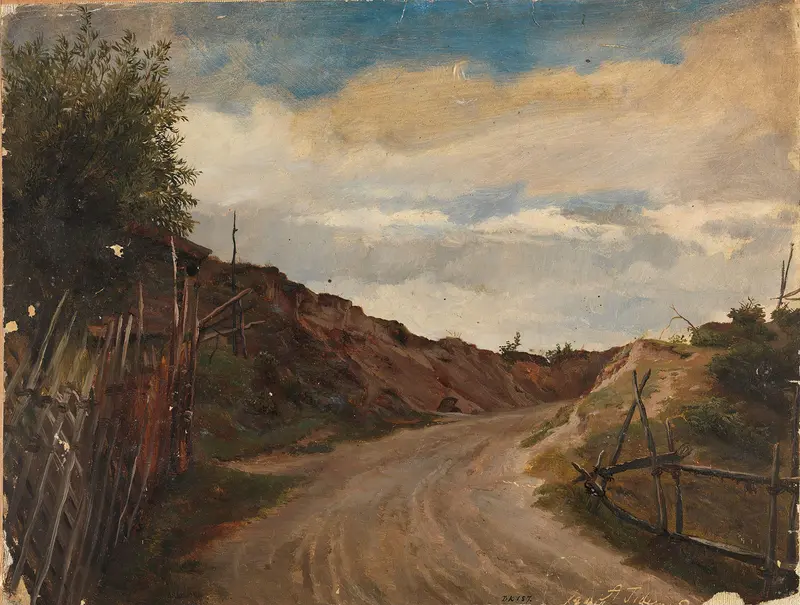
Country Road
Adolph Tidemand
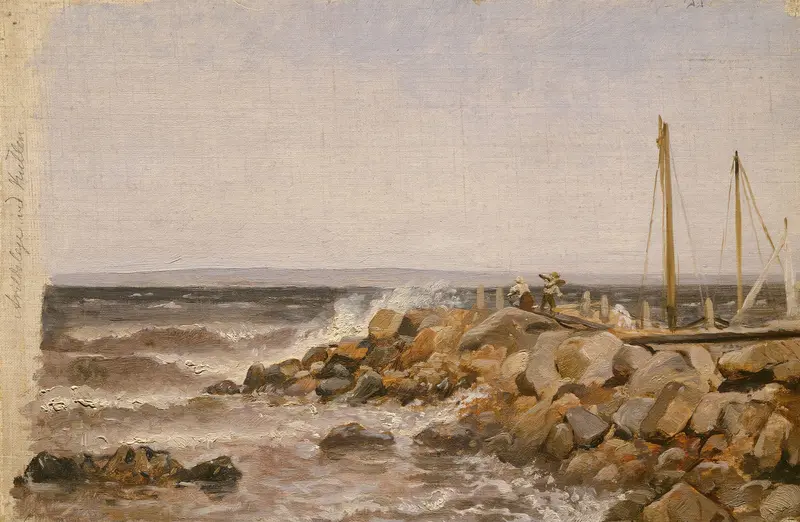
From Kullen in Sweden
Adolph Tidemand
Untitled
Adolph Tidemand





