
Portrait of a Man — History & Facts
A flash of blue silk catches the eye first, its sheen almost tangible, wrapping the sitter in a robe that seems to glow against the darkness gathering at the edges. The man's steady, direct gaze meets the viewer with a confidence that borders on challenge, while his hand, elegantly poised and half-extended, suggests both invitation and command. Every detail—the intricate lace at his throat, the cascade of curls framing his face—signals wealth and a carefully maintained image.
The play of light across his features and garments is deliberate, guiding us from the illuminated folds of fabric to the thoughtful, slightly furrowed brow. This is a portrait that asks us to look closer, to question who this man was, and what he wanted to say about himself at the height of his powers. Painted in 1689 by Adriaen van der Werff, this work belongs to a world where portraits were statements of status and aspiration, as well as likeness. The late seventeenth century in the Dutch Republic saw a flourishing of such images, commissioned by prosperous merchants, officials, and courtiers eager to secure their place in memory and society.
Van der Werff was celebrated for his refined technique and his ability to imbue his sitters with a sense of presence—qualities visible here in the meticulous rendering of textures and the subtle psychological charge. Now in the Mauritshuis collection, Portrait of a Man stands as a testament to both personal ambition and the enduring appeal of self-fashioning, inviting us to imagine the stories behind that steady gaze and sumptuous blue.
More Artworks by Adriaen van der Werff

Descent from the Cross
Adriaen van der Werff
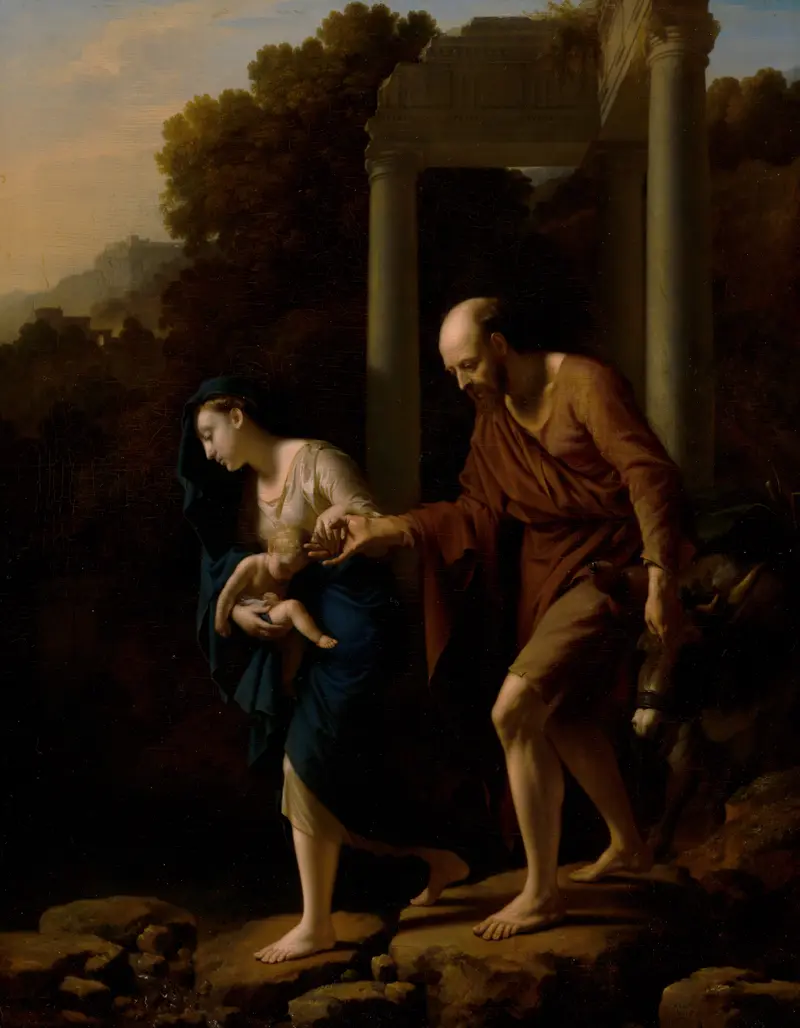
The Flight into Egypt
Adriaen van der Werff
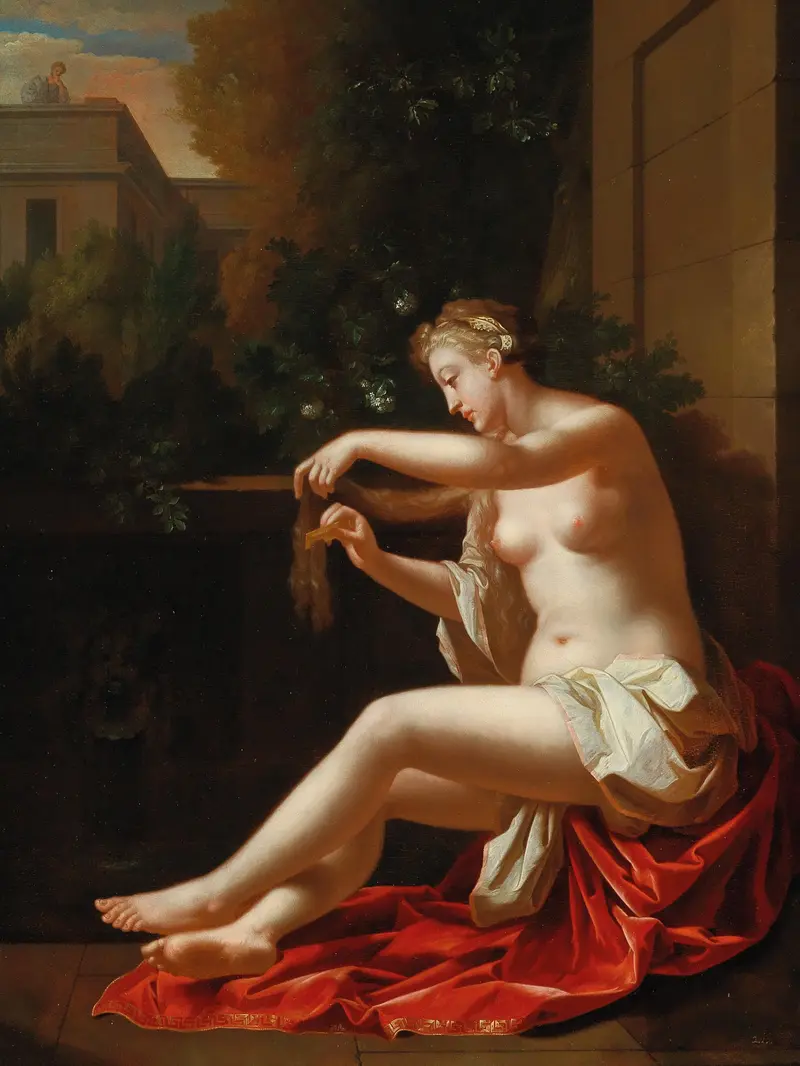
Bathsheba
Adriaen van der Werff
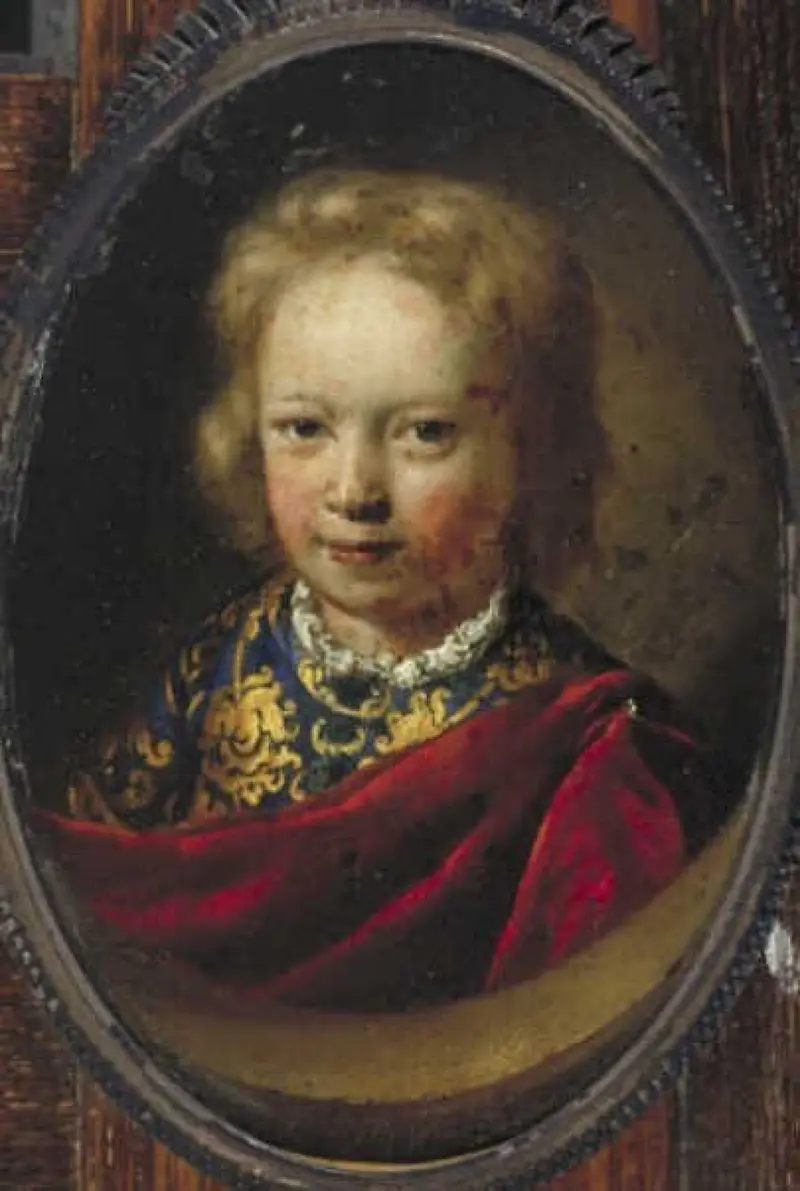
Portrait of Johan Versijden de Jonge
Adriaen van der Werff
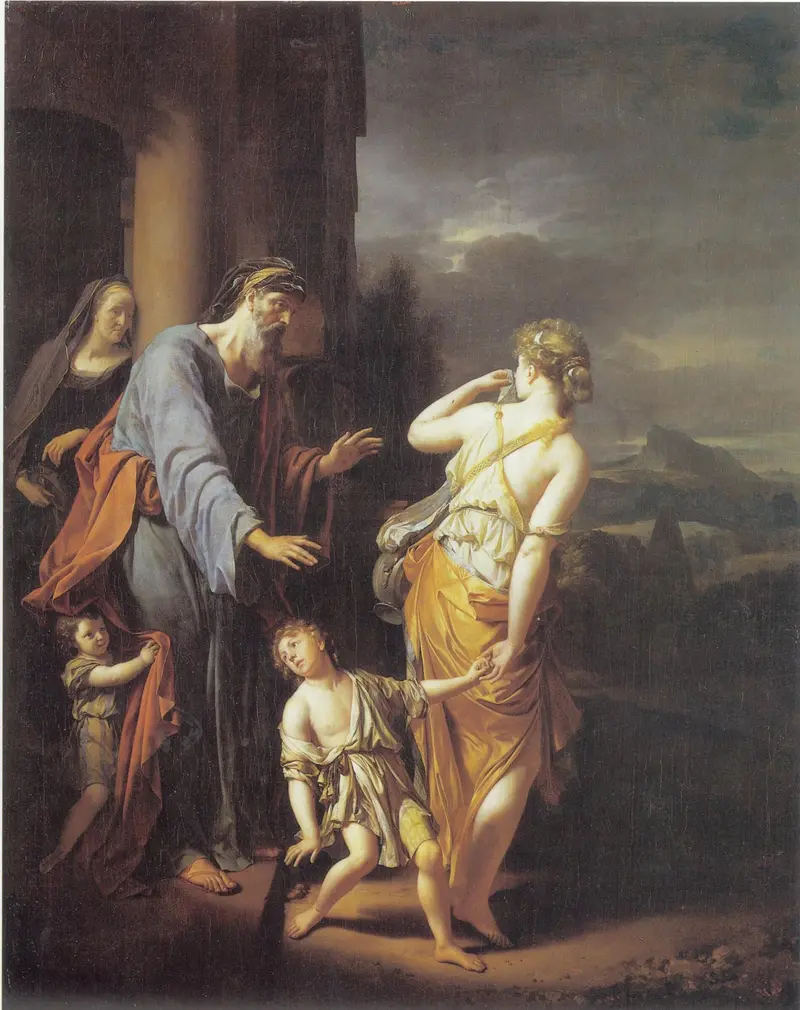
The Banishment of Hagar
Adriaen van der Werff
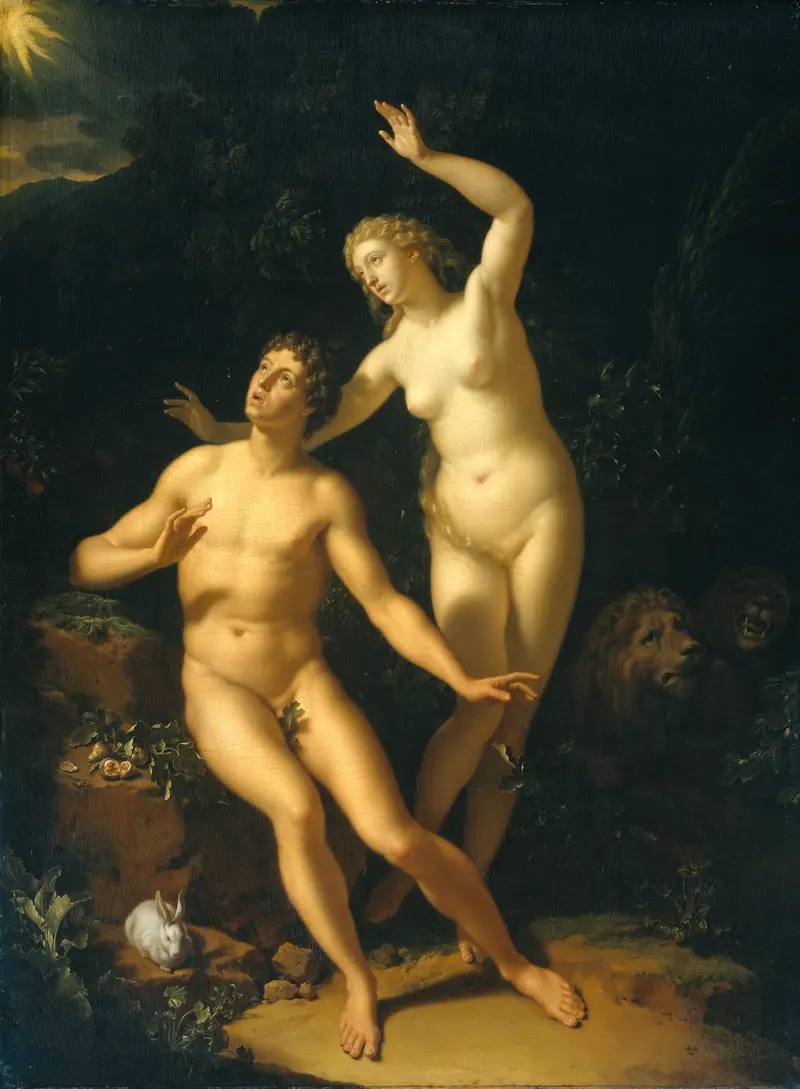
God Holds Adam and Eve Responsible
Adriaen van der Werff
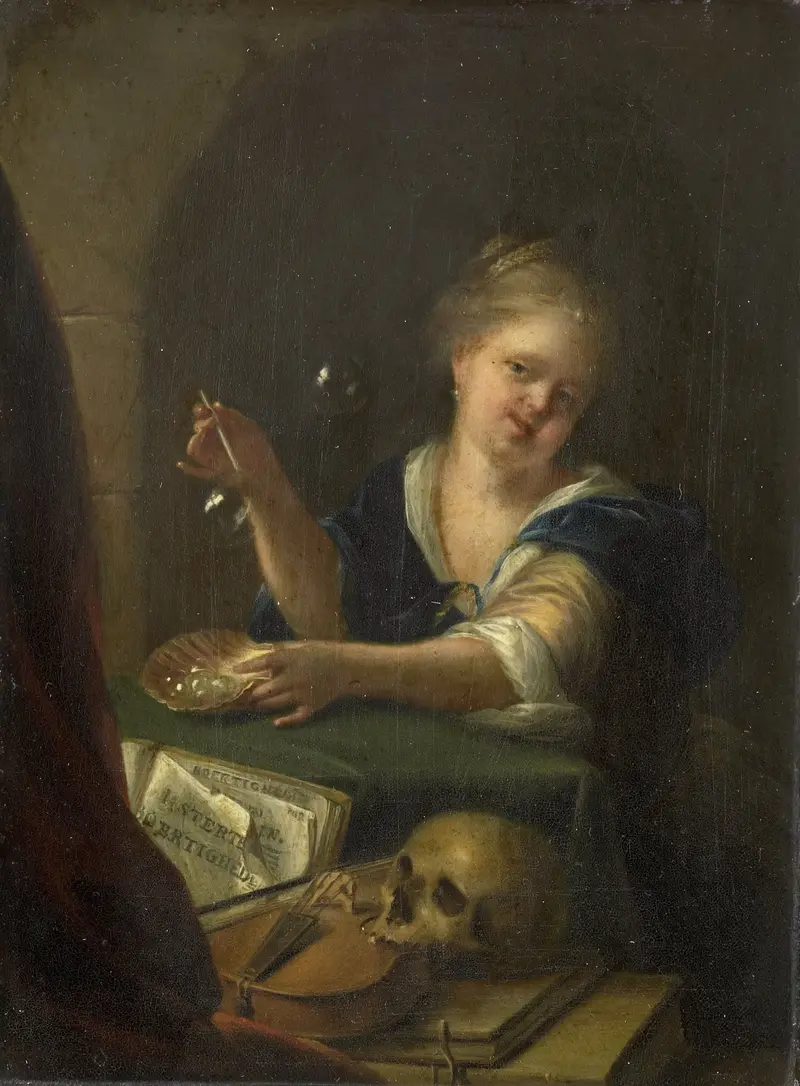
Bubble-blowing Girl with a Vanitas Still Life
Adriaen van der Werff
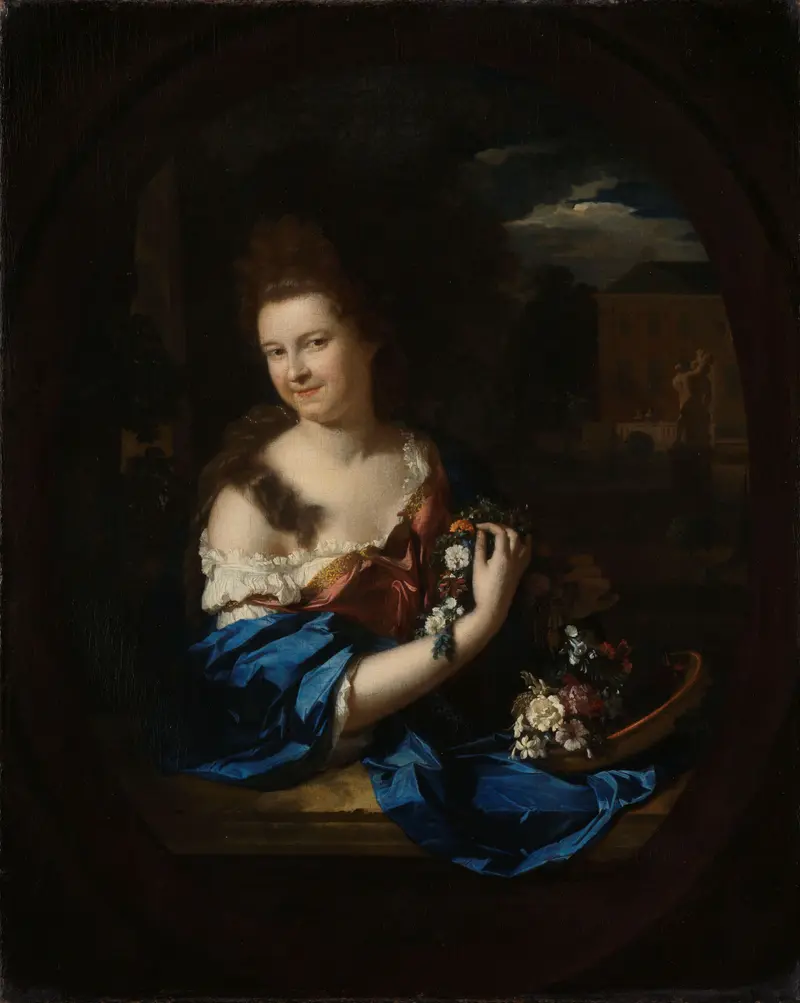
Portrait of Margaretha Rendorp (1673-1730), wife of Jan van de Poll
Adriaen van der Werff
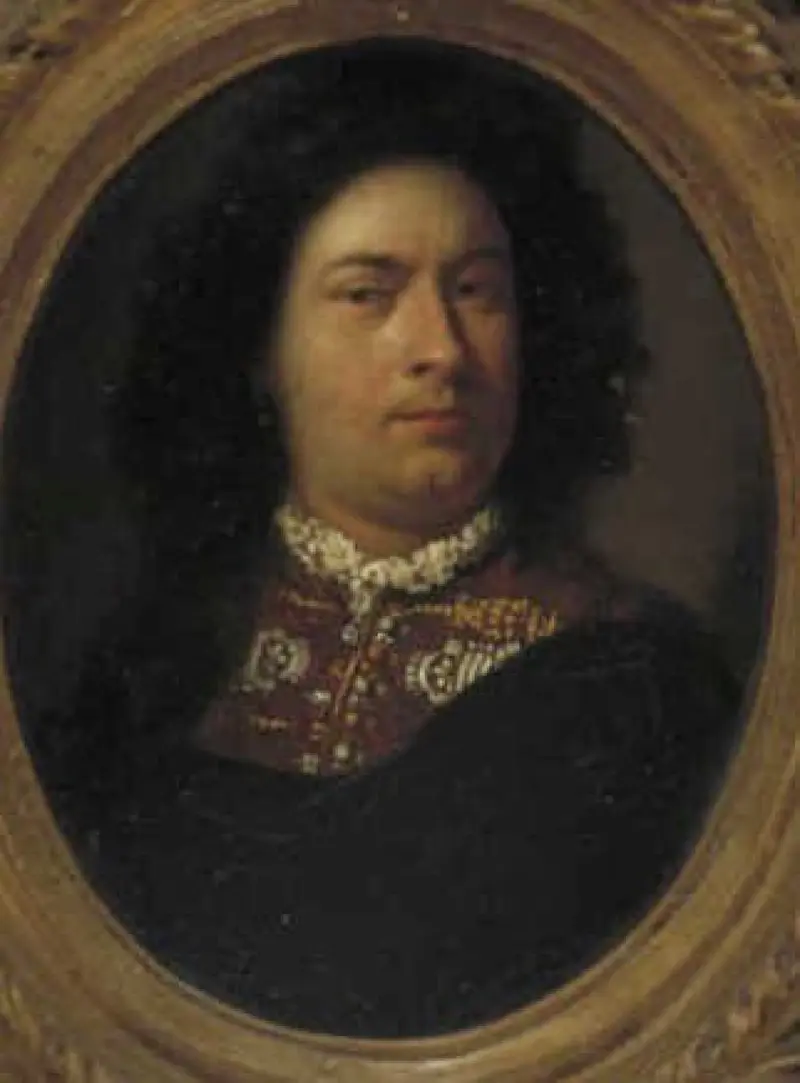
Portrait of Jacob Hendricksz. Vingerhoed
Adriaen van der Werff
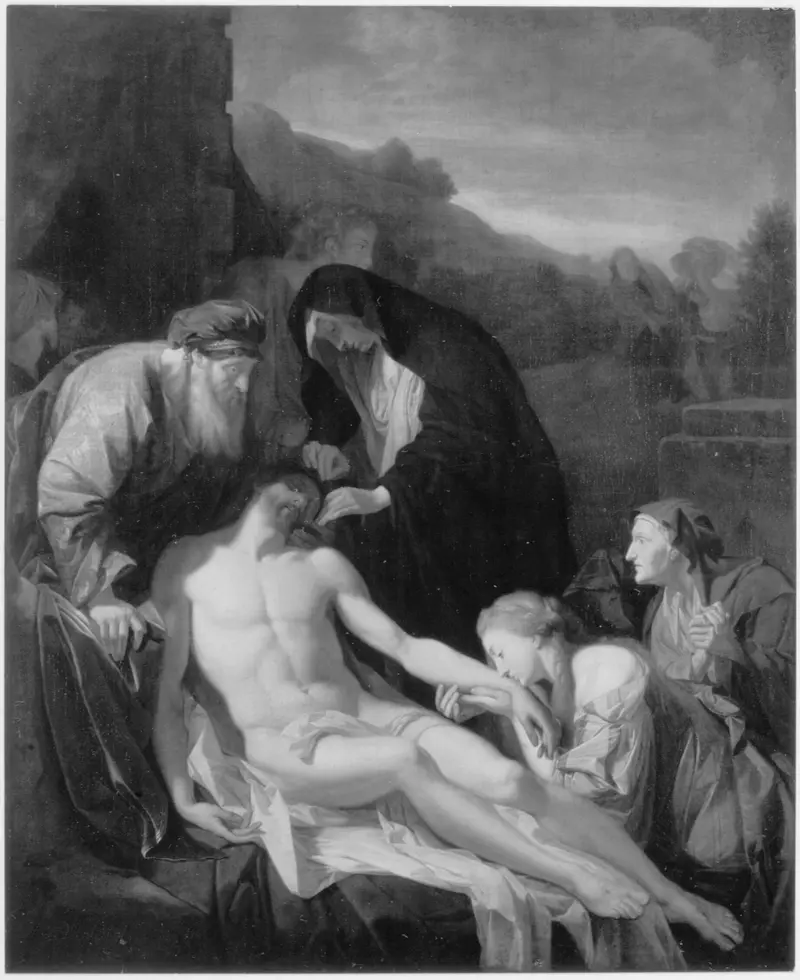
The burial of Christ
Adriaen van der Werff





