
Portrait of a man — History & Facts
What first catches the eye is the quiet directness of the sitter’s gaze, set off by the vivid red cap that crowns the composition. The man’s features are rendered with an unflinching honesty: pale flesh, soft jaw, and a certain heaviness around the eyes, all bathed in the cool, even light that Albrecht Dürer favored in his early portraits. His hands, gently clasping a sprig of tiny blue flowers, are painted with the same attention as his face—each finger, each ring, a deliberate signal.
The dark garment, laced with gold, frames the figure against a deep, unadorned background, drawing the viewer’s focus to the sitter’s expression and the subtle narrative of his gesture. The palette is restrained, the mood contemplative, as if inviting us to read the sitter’s thoughts. Painted in 1497, this portrait belongs to a world in transition, when the rise of merchant wealth and humanist learning in German cities created new patrons for art. Portraits like this were not simply records of appearance, but statements of identity and ambition, often commissioned to mark a moment of arrival in society.
Albrecht Dürer, still a young artist at the time, was already experimenting with the psychological depth and meticulous surface that would define his mature work. History has kept few traces of this particular sitter, but the painting’s survival—now accessible through Google Arts & Culture—reminds us how each face from the past was once part of a living, changing world. Look again at the flowers in his hand, and imagine what message he hoped would endure.
More Artworks by Albrecht Dürer

Melancholia
Albrecht Dürer

St. George and the dragon.
Albrecht Dürer
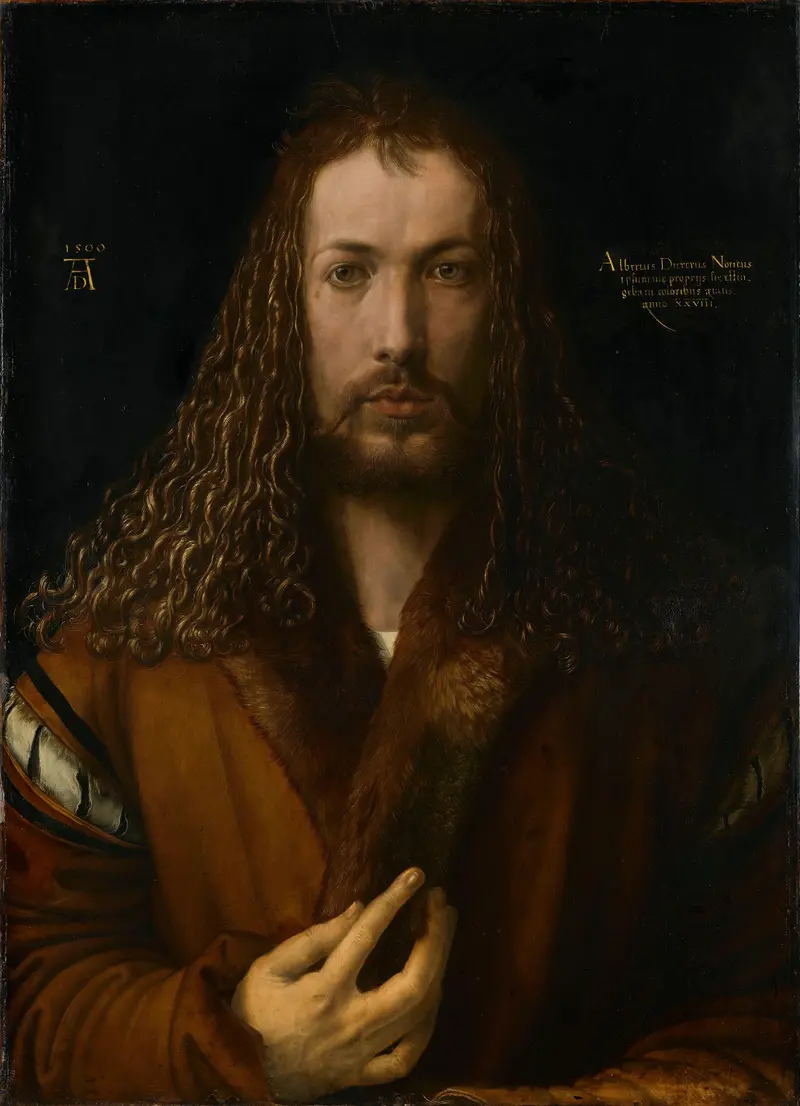
Self-Portrait with Fur-Trimmed Robe
Albrecht Dürer

Wing of a European Roller
Albrecht Dürer
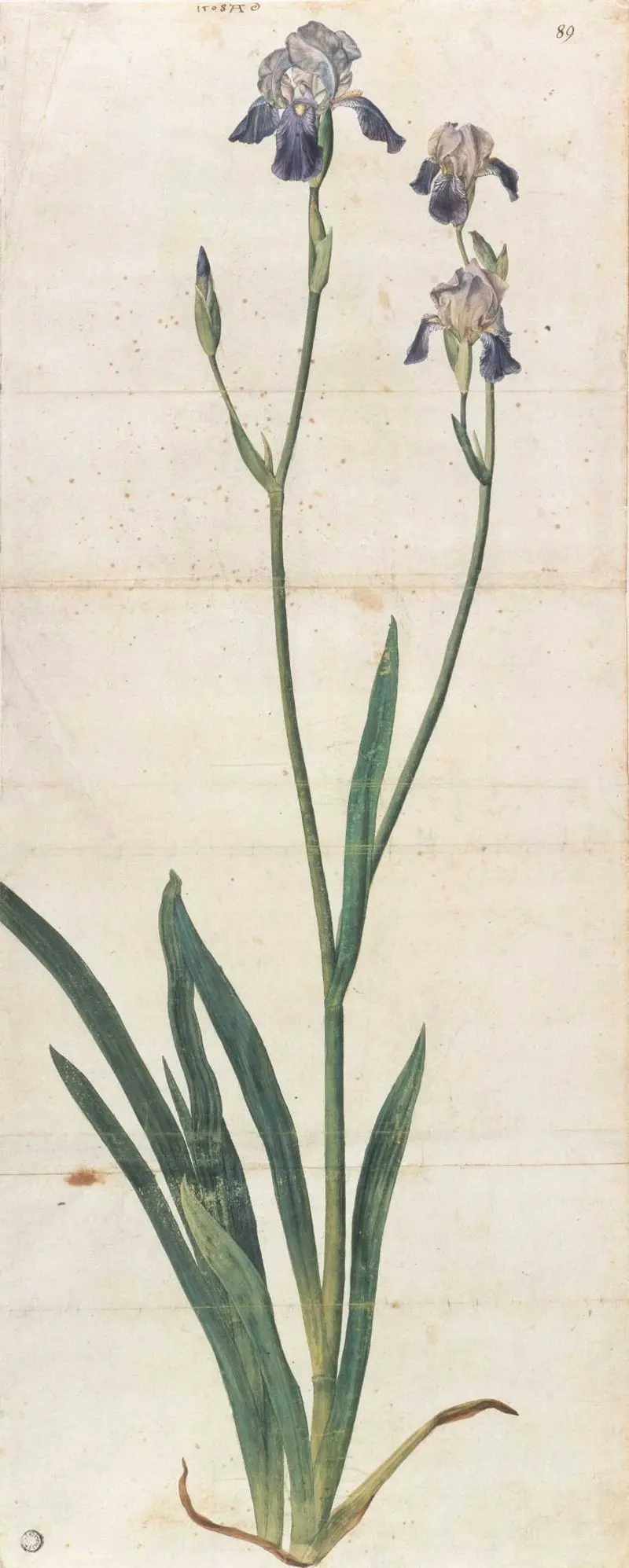
Iris
Albrecht Dürer
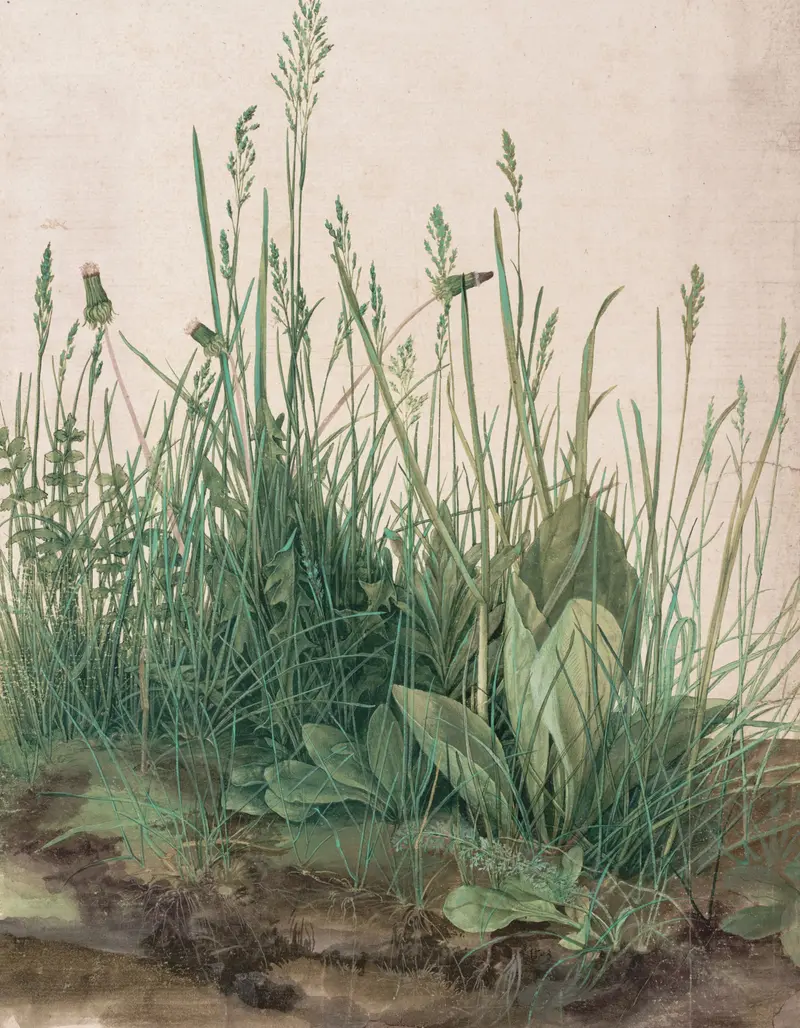
The Great Piece of Turf
Albrecht Dürer
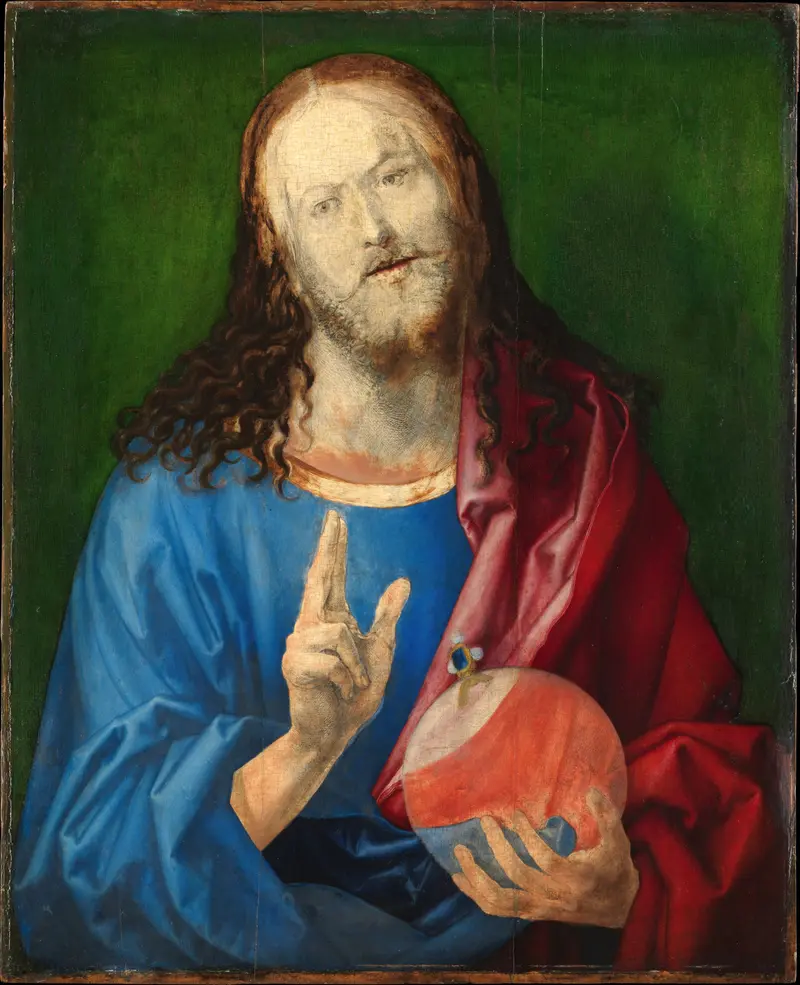
Salvator Mundi
Albrecht Dürer
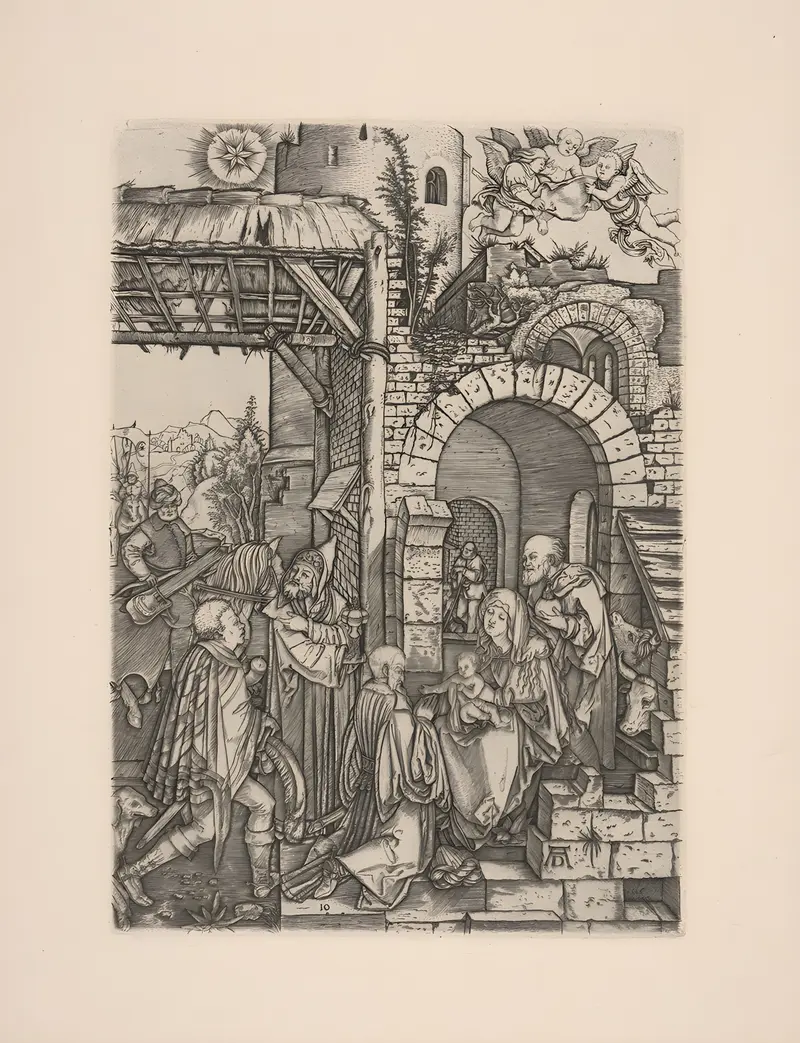
The Adoration of the Magi
Albrecht Dürer
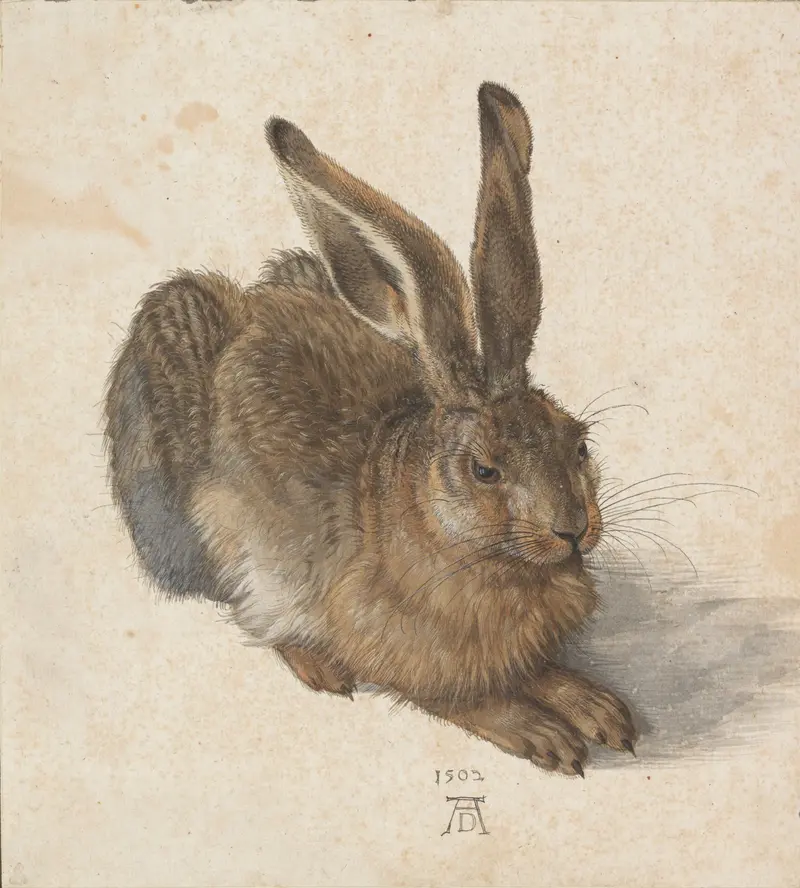
Young Hare
Albrecht Dürer
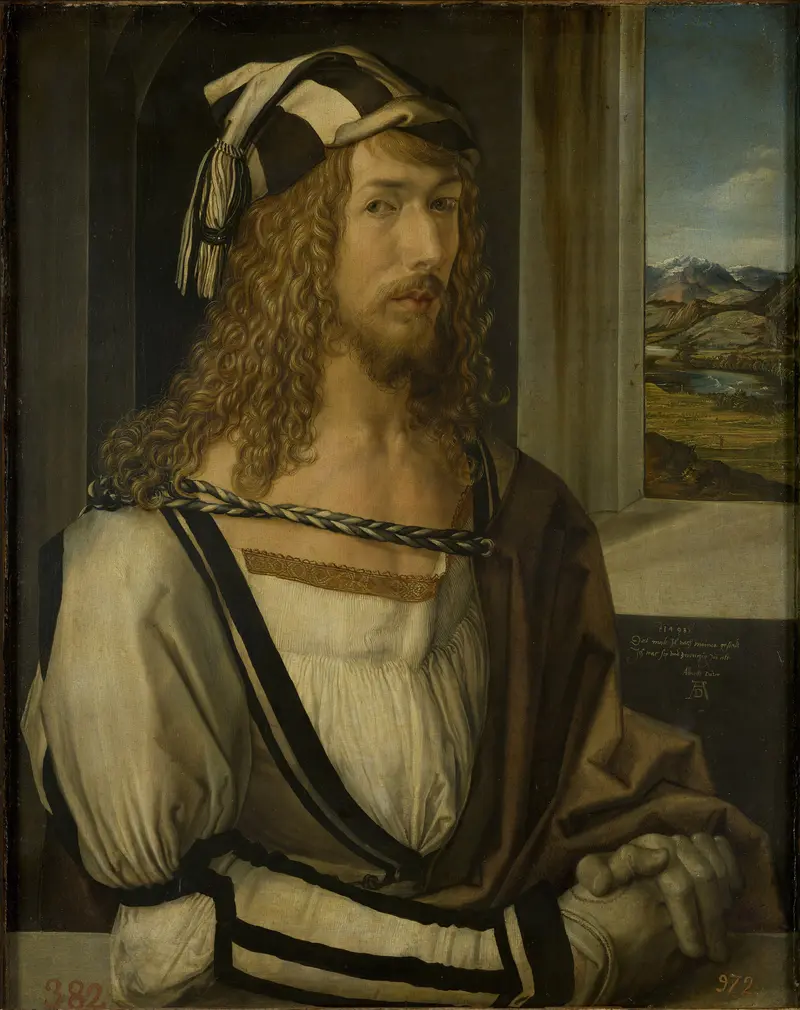
Self-portrait
Albrecht Dürer





