
Portrait of a Woman — History & Facts
A face emerges from a riot of color, its green-tinged planes and mask-like features pulling the eye into a world where emotion is rendered in bold, almost jarring contrasts. The sitter, Armgart Grosse—known as Gerti—meets the viewer with a gaze that is both direct and enigmatic, her form outlined with the thick, urgent brushstrokes that mark Ernst Ludwig Kirchner’s hand. The angular sweep of her black dress and the sharp geometry of the background flatten space, pushing her figure forward, while the red chair and salmon-pink cushion slice through the composition with restless energy.
Every element seems charged with intention: the awkward, splayed fingers, the tilted head, the unnatural green shadowing the face, all heightening a sense of psychological tension. Painted in 1911, this portrait stands at the turbulent heart of German Expressionism, a movement that sought to capture the pulse of modern life in raw, unfiltered terms. Artists like Kirchner—a founder of the Brücke group—turned away from academic polish, embracing distortion and color as tools for revealing inner truths. Portraits from this era were rarely about flattery or likeness; they were about the sitter’s presence, the artist’s state of mind, and the anxieties of a rapidly changing world.
Today, Portrait of a Woman resides in the collection of the Saint Louis Art Museum, a vivid testament to a moment when artists risked everything to make the invisible visible. Look again at Gerti’s face, and see how the painting refuses to settle, always asking more of the viewer.
More Artworks by Ernst Ludwig Kirchner
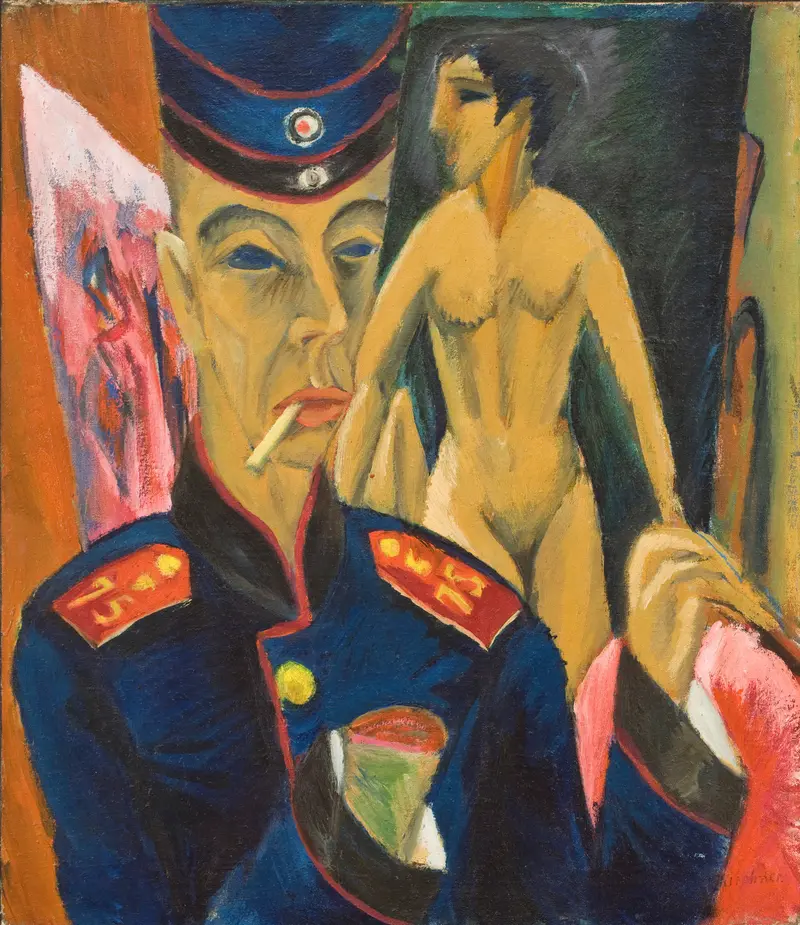
Self-Portrait as a Soldier
Ernst Ludwig Kirchner
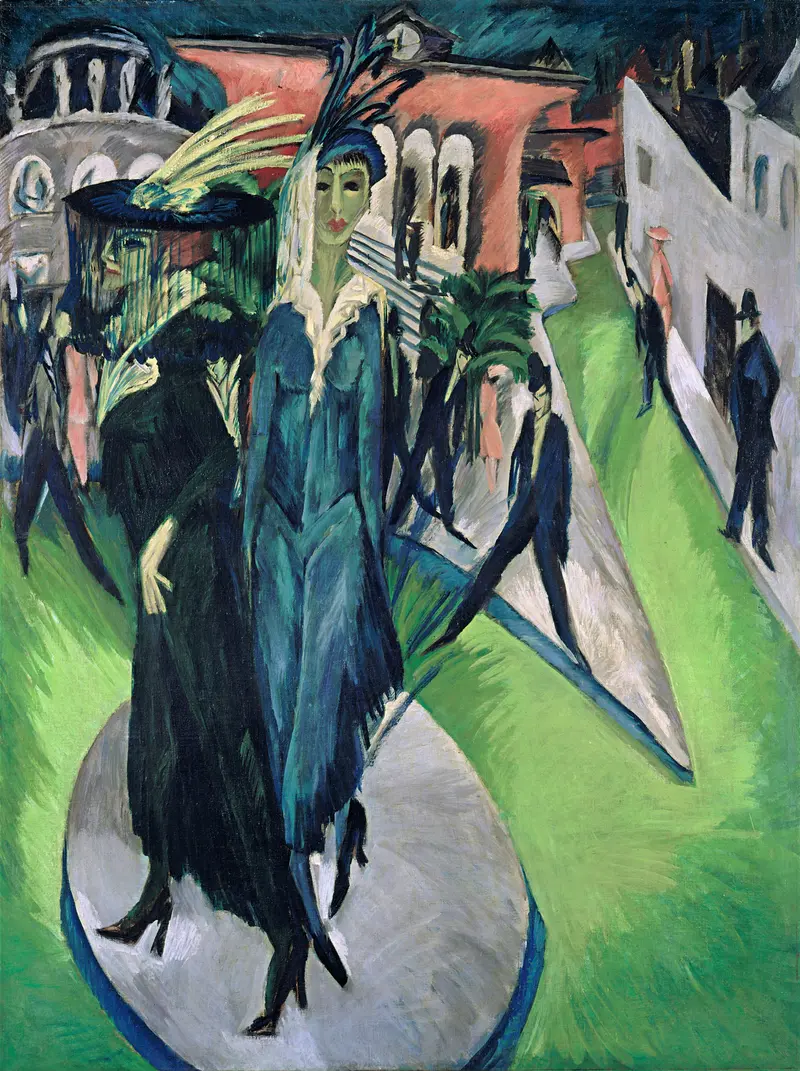
Potsdamer Platz
Ernst Ludwig Kirchner

Alphütten und Tinzenhorn
Ernst Ludwig Kirchner
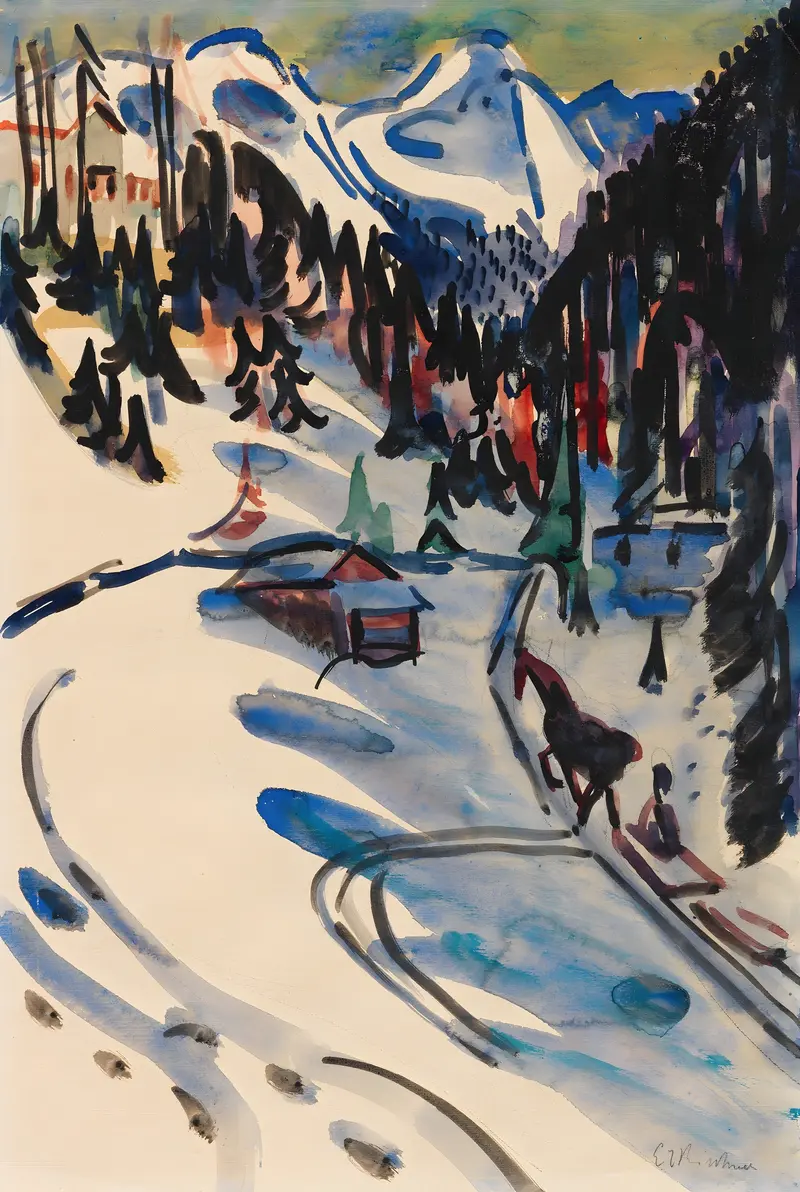
Sertigtal im Winter
Ernst Ludwig Kirchner
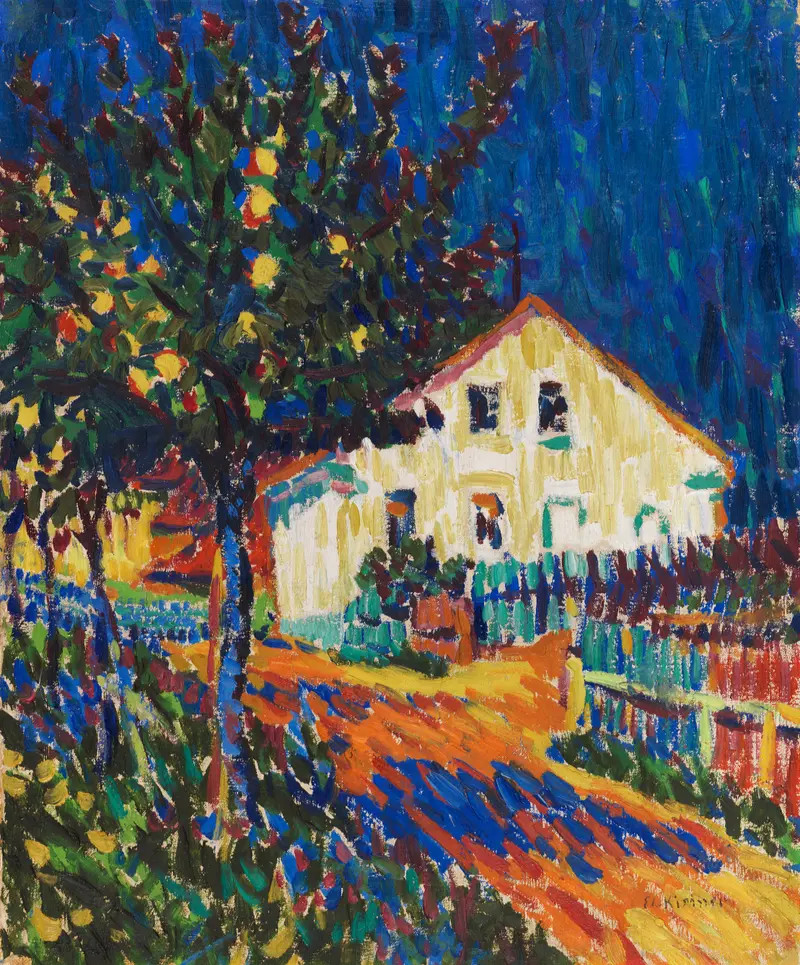
Dorfstraße mit Apfelbäumen
Ernst Ludwig Kirchner
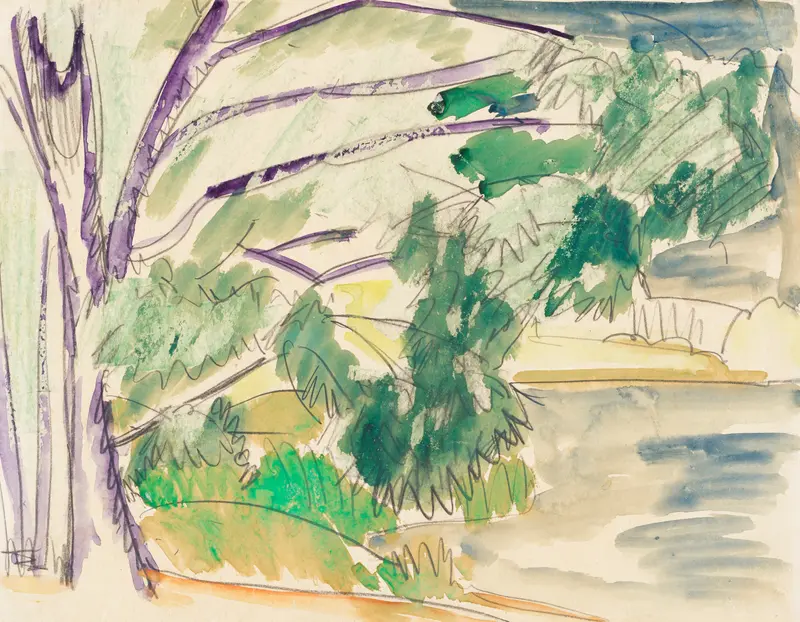
Unter Bäumen am See
Ernst Ludwig Kirchner
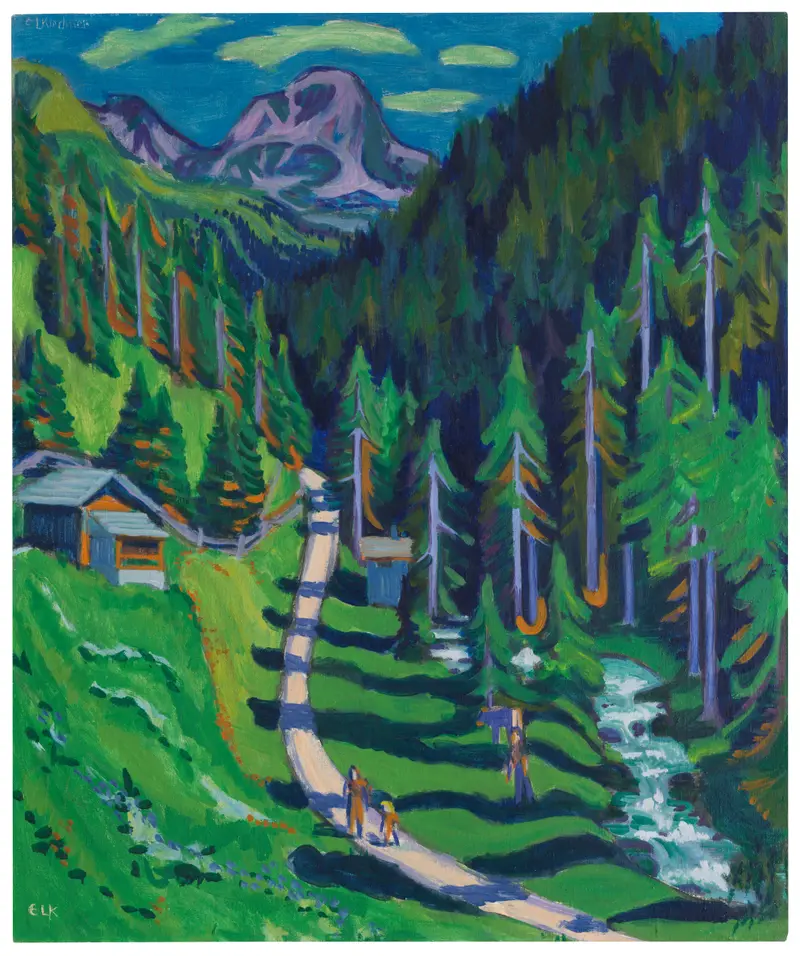
Sertigweg
Ernst Ludwig Kirchner
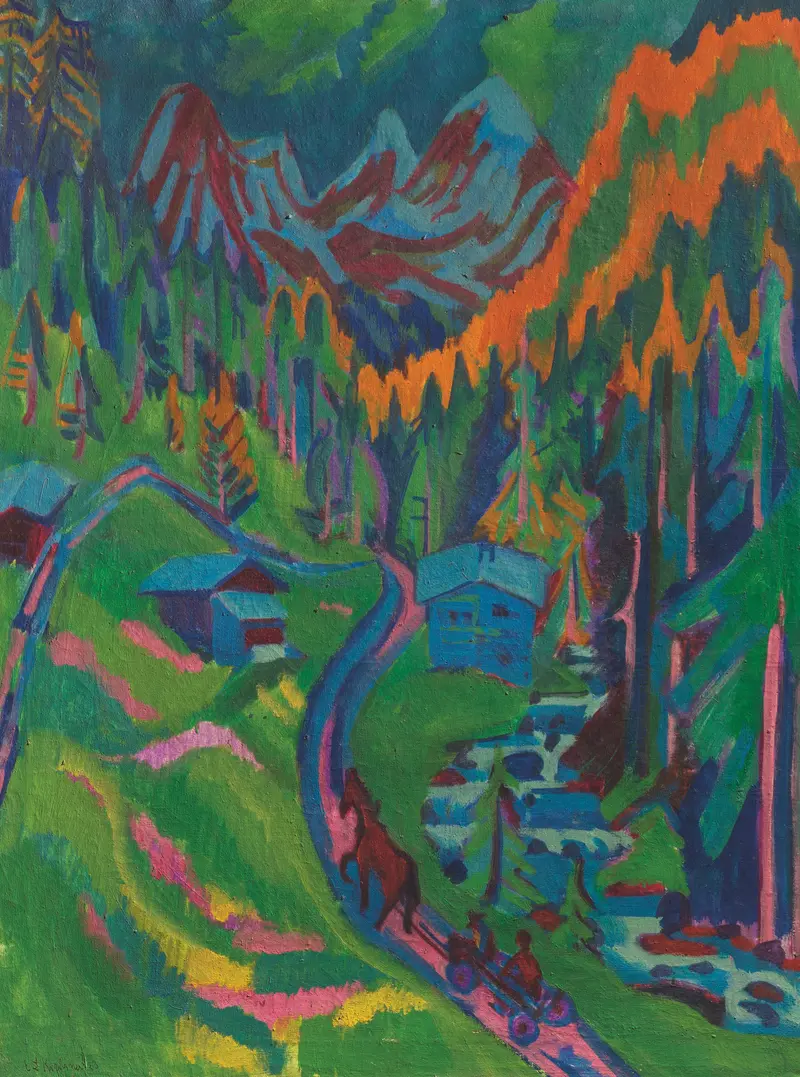
Sertigweg im Sommer
Ernst Ludwig Kirchner
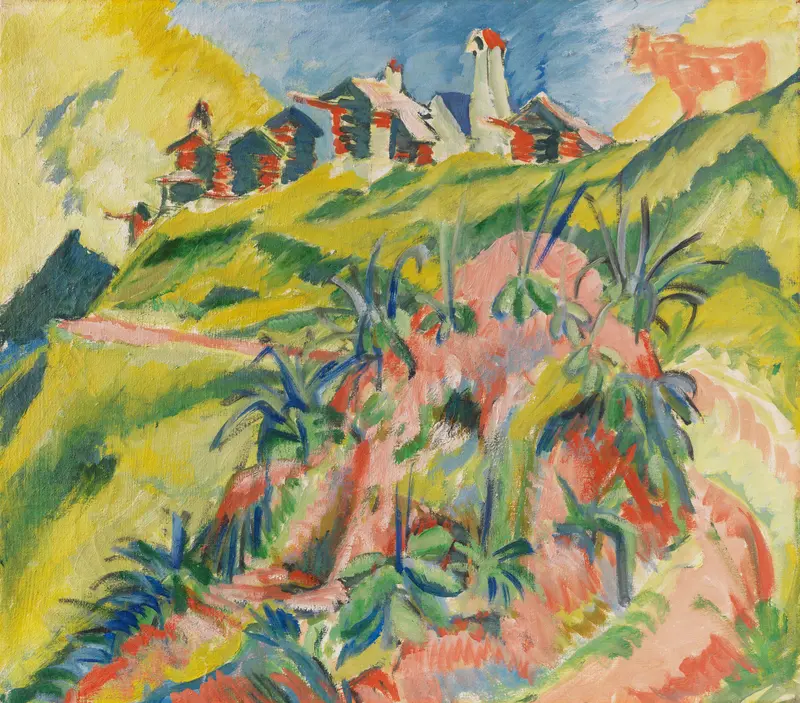
Bergdorf mit rosa Kuh
Ernst Ludwig Kirchner
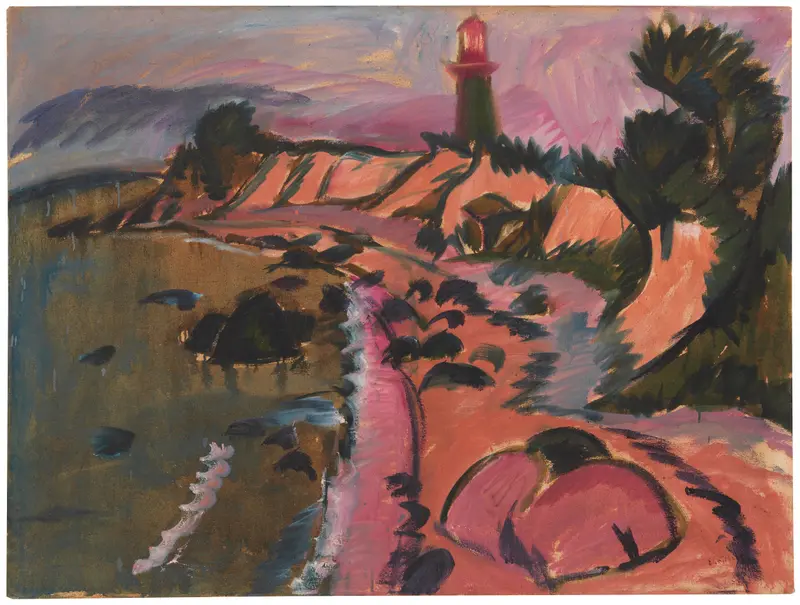
Fehmarnküste mit Leuchtturm
Ernst Ludwig Kirchner





