
Portrait of Anna Gulsvig — History & Facts
What first catches the eye in Portrait of Anna Gulsvig is the quiet dignity of its sitter, her gaze steady and unsentimental, framed by the crisp geometry of her traditional headwear. The artist, Adolph Tidemand, draws us in with a palette of deep reds, browns, and golds, each brushstroke describing not just fabric and ornament, but a life lived. The intricate jewelry pinned to her chest gleams in the muted light, signaling status and local identity, while the subtle highlights on her face reveal both age and resolve.
There is nothing theatrical here—Tidemand’s realism is unvarnished, almost intimate, as if the viewer has stumbled into a private moment of stillness. The dark, plain background strips away distraction, insisting that all attention remain fixed on Anna Gulsvig herself. This portrait, painted in 1848 and now held by the Nasjonalmuseet for kunst, arkitektur og design, belongs to a period when Norwegian artists like Tidemand turned their attention to the everyday people of their homeland, often celebrating rural traditions and costume. Such works were rarely grand commissions; instead, they were part of a growing movement to document and dignify the lives of ordinary citizens at a time when national identity was being forged through art.
While little is recorded about Anna Gulsvig herself, her likeness endures as a testament to both her individuality and the broader story of 19th-century Norway. The painting invites us to linger, searching her face for the traces of her world.
More Artworks by Adolph Tidemand

Bridal Procession on the Hardangerfjord
Adolph Tidemand
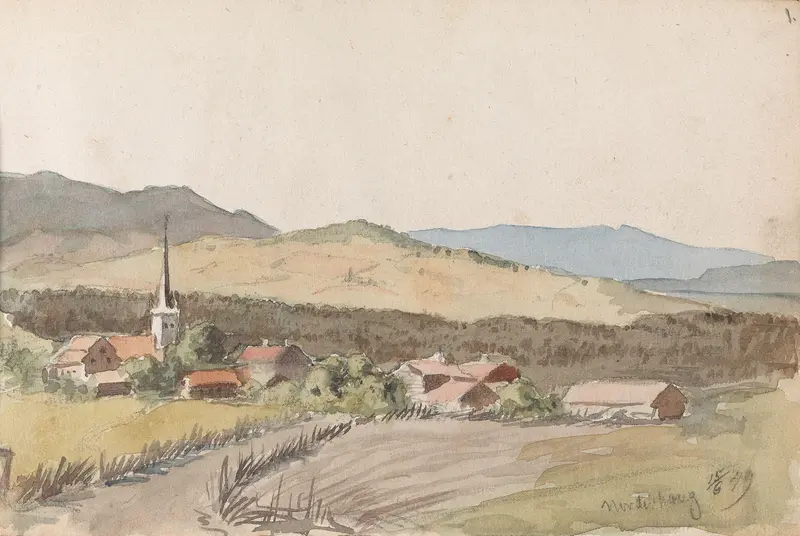
Fra Haugsbygd
Adolph Tidemand
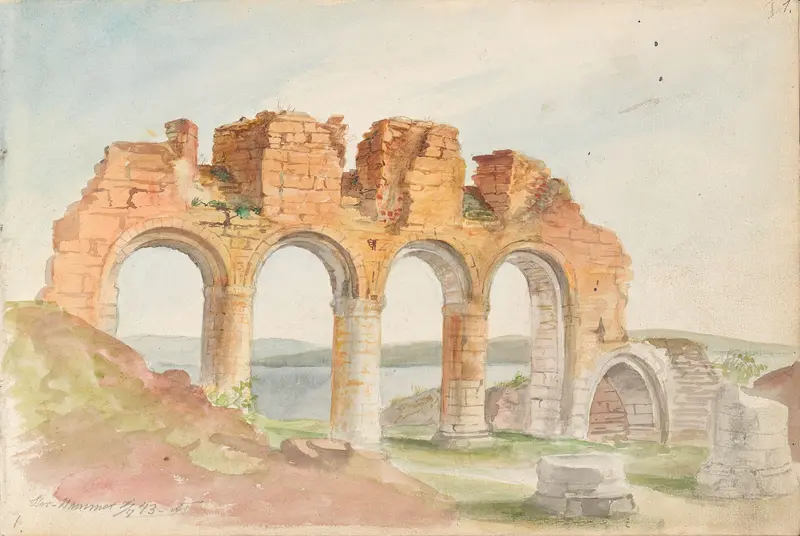
Domkirkeruinen, Hamar
Adolph Tidemand
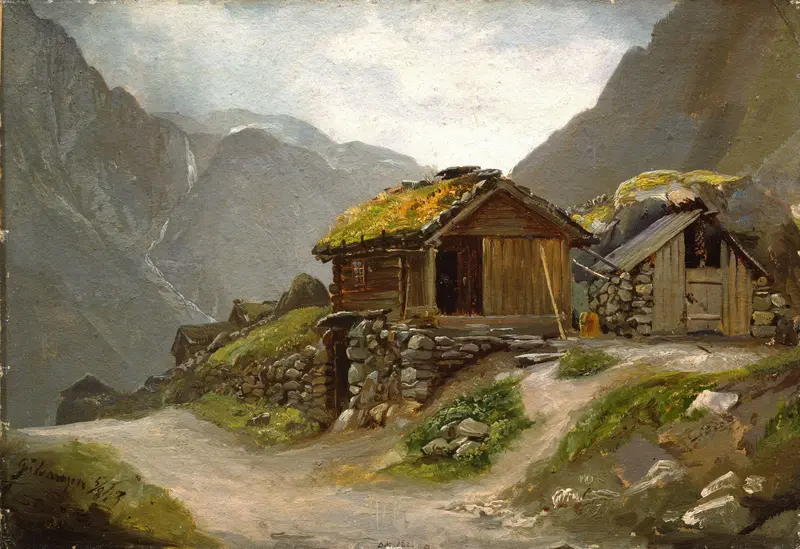
View from Gudvangen
Adolph Tidemand
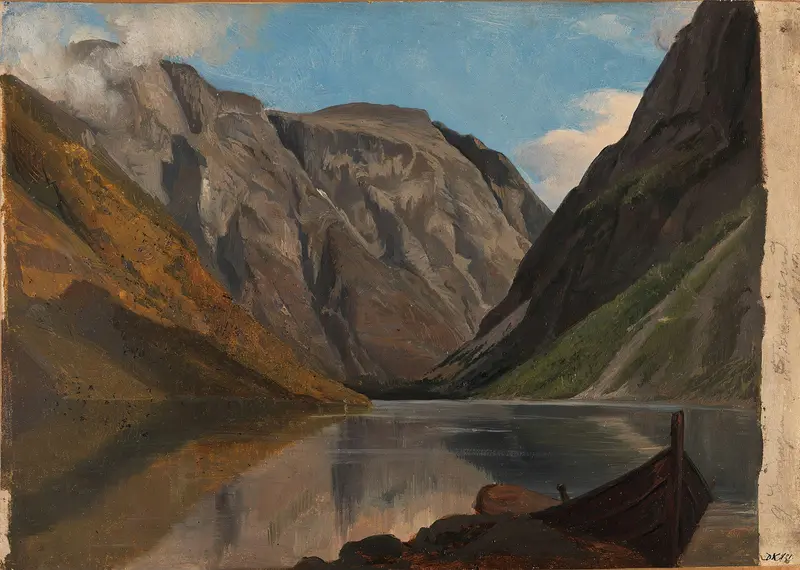
View of Gudvangen
Adolph Tidemand
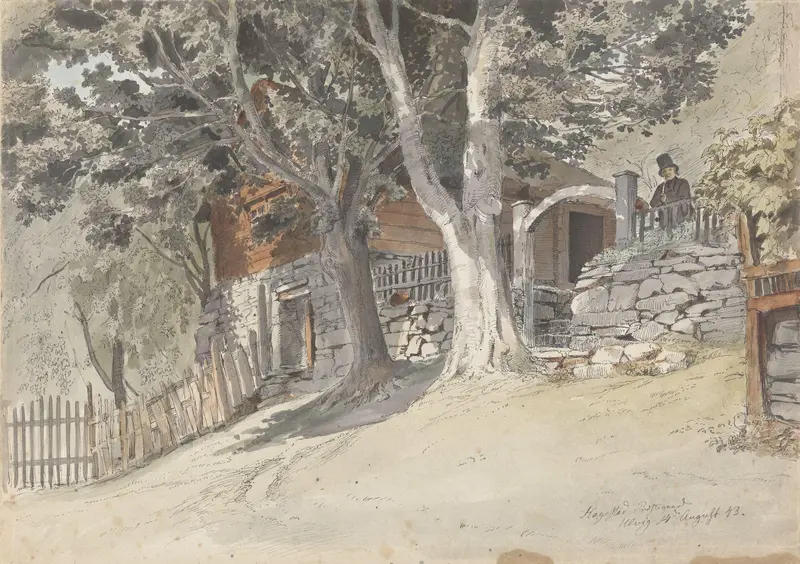
Hagestad prestegård, Ulvik i Hardanger
Adolph Tidemand
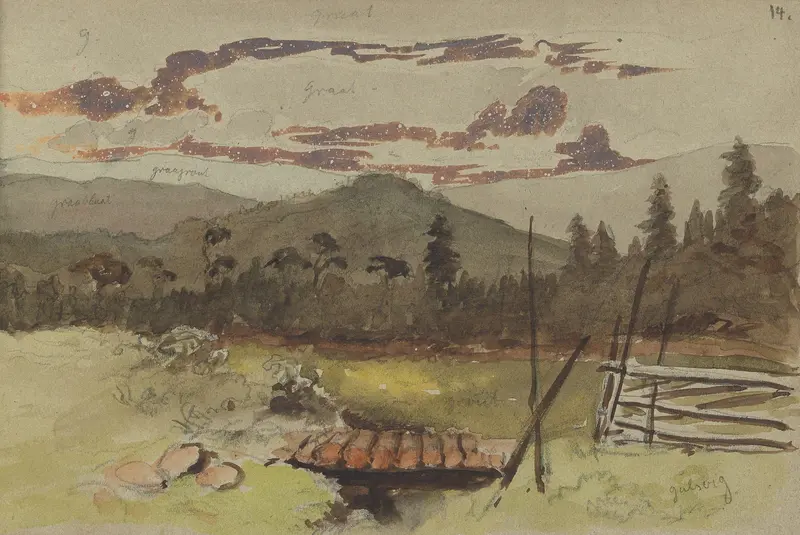
Fra Gulsvik
Adolph Tidemand
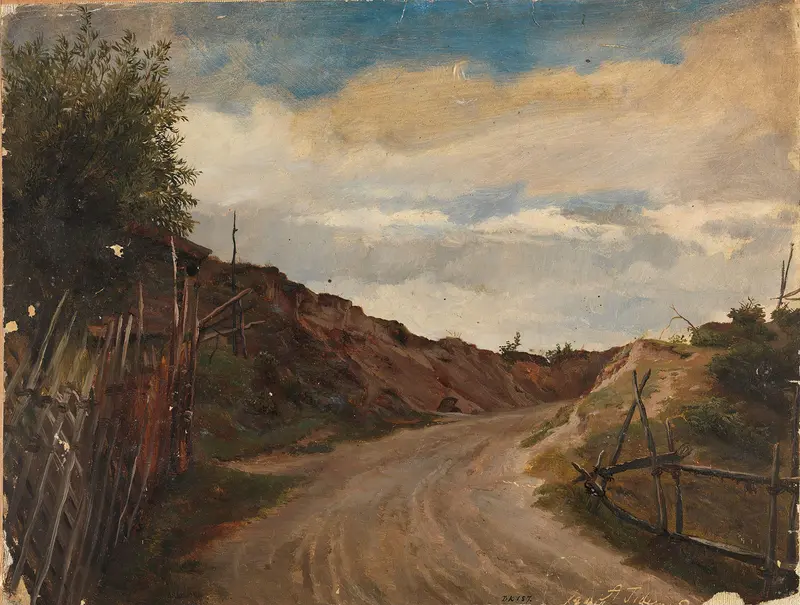
Country Road
Adolph Tidemand
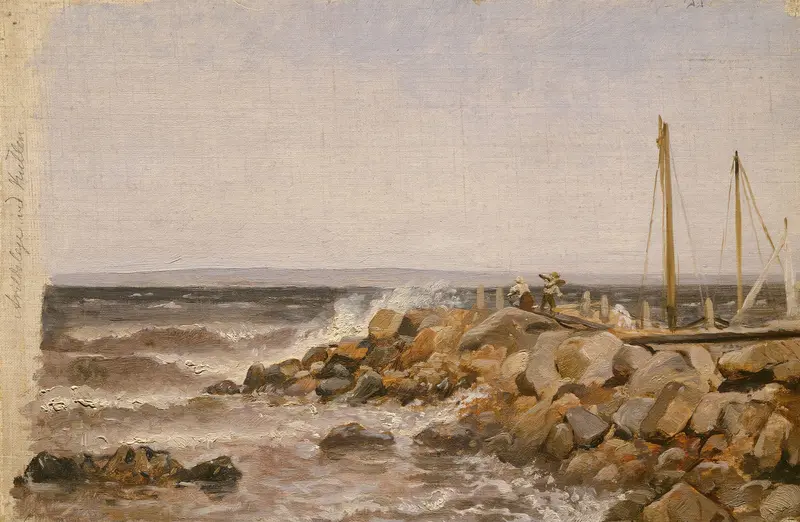
From Kullen in Sweden
Adolph Tidemand
Untitled
Adolph Tidemand





