
Portrait of Antoni Pleszowski — History & Facts
When Jan Matejko painted Portrait of Antoni Pleszowski, he chose as his subject a figure who, though little-known today, belonged to the tight-knit intellectual circles of 19th-century Kraków. The most intriguing aspect of this work is its uncertain date and context: unlike Matejko’s grand historical canvases, this portrait’s origins remain a mystery, with no surviving commission records or exhibition catalogues to anchor it in time. Some scholars have speculated that it may have been a personal gift, reflecting Matejko’s friendships beyond the world of politics and kings, but no evidence confirms this.
The sitter’s identity, however, is clear—Antoni Pleszowski was a contemporary of Matejko, likely connected to the academic or artistic milieu that shaped the painter’s career. Matejko captures Pleszowski in a moment of introspective calm, seated against a dark, subdued background that draws the eye to his thoughtful gaze and carefully rendered features. The sitter’s direct look and composed posture suggest a man of learning or quiet authority, while the absence of grand accessories or ostentatious dress sets this work apart from Matejko’s more theatrical portraits. The subtle play of light across Pleszowski’s face and hands hints at the artist’s interest in psychological depth, a trait also seen in his portrait of Artur Grottger.
Where other artists of the period, such as Józef Simmler, might have emphasized status through costume and setting, Matejko here chooses intimacy and character. The physical history of Portrait of Antoni Pleszowski is as elusive as its origins. Without clear documentation, it is likely that the painting remained in private hands for much of its existence, possibly within the Pleszowski family or among Matejko’s circle. Its attribution to Jan Matejko has never been seriously challenged, given the distinctive handling of paint and the psychological acuity characteristic of his portraiture.
Today, the painting stands as a rare example of Matejko’s quieter, more personal side, offering a glimpse into the artist’s relationships and the intellectual life of Kraków in the late 19th century.
More Artworks by Jan Matejko
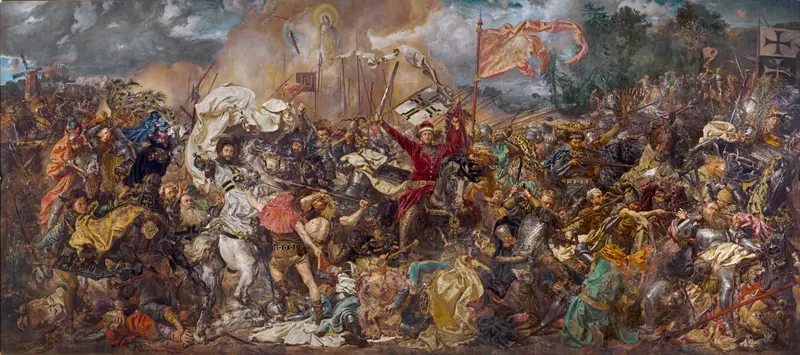
Battle of Grunwald
Jan Matejko

Stańczyk
Jan Matejko

Battle of Raclawice
Jan Matejko
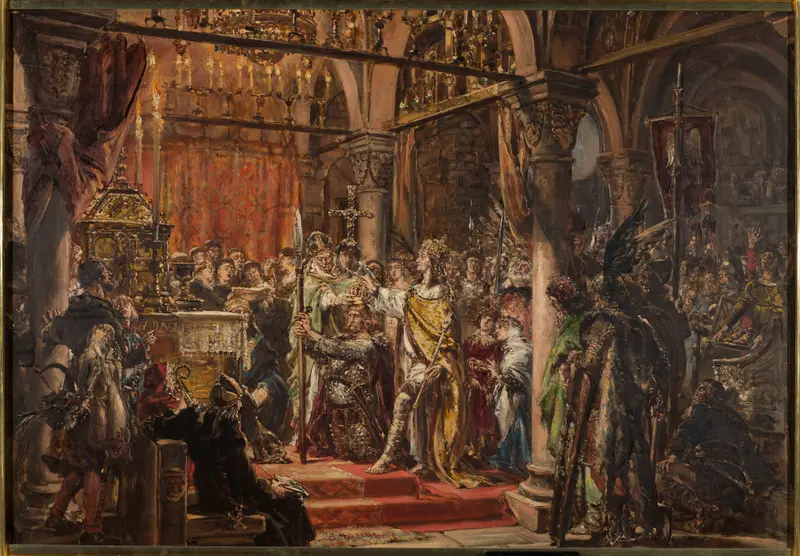
Coronation of the First King, 1001 AD, from the series “History of Civilization in Poland”
Jan Matejko
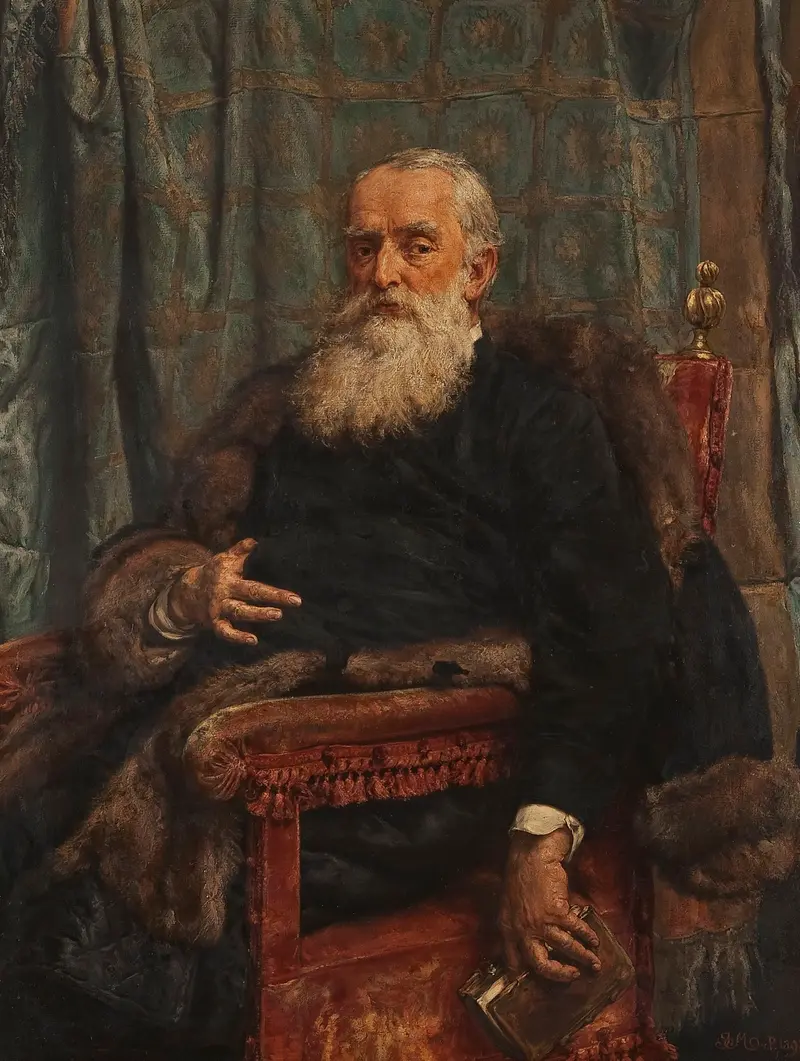
Portrait of Henryk Krajewski
Jan Matejko
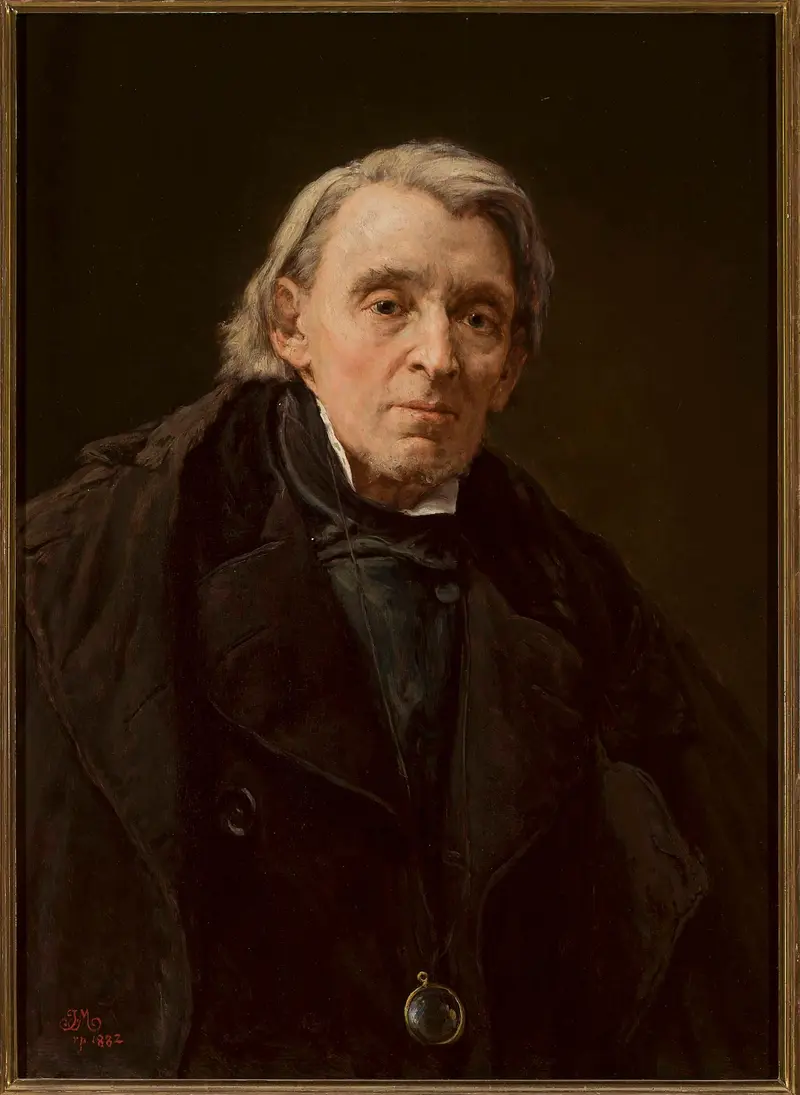
Portrait of Karol Podlewski
Jan Matejko
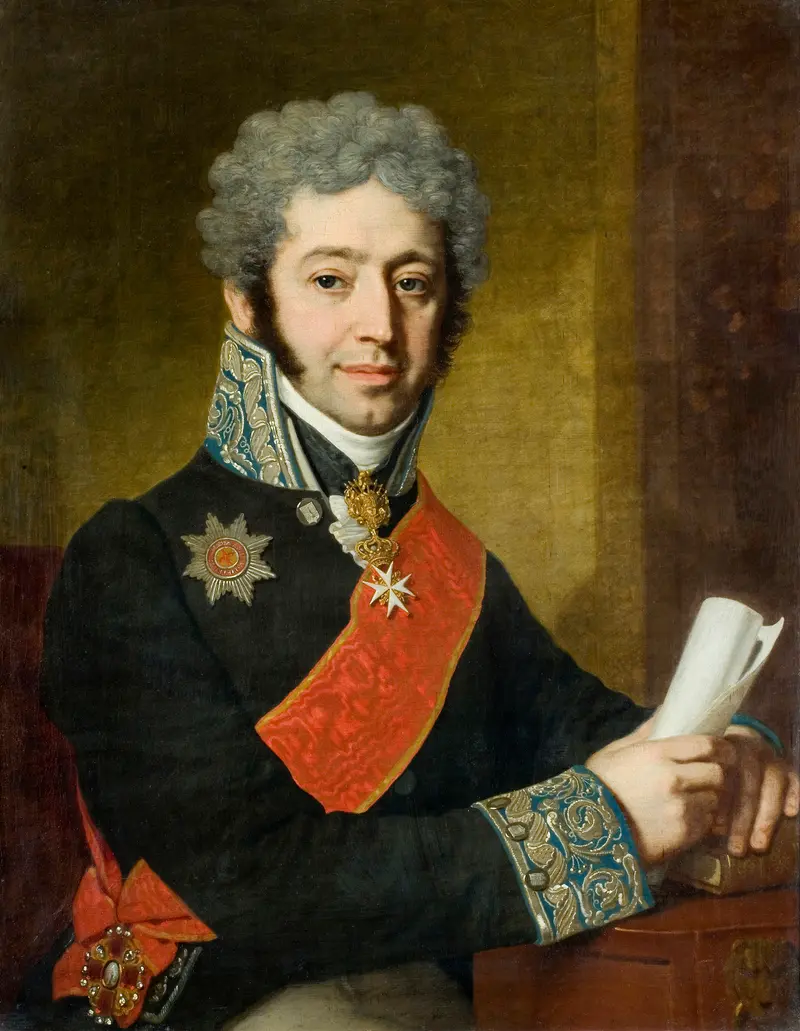
Portrait of Potocki and Poninski
Jan Matejko
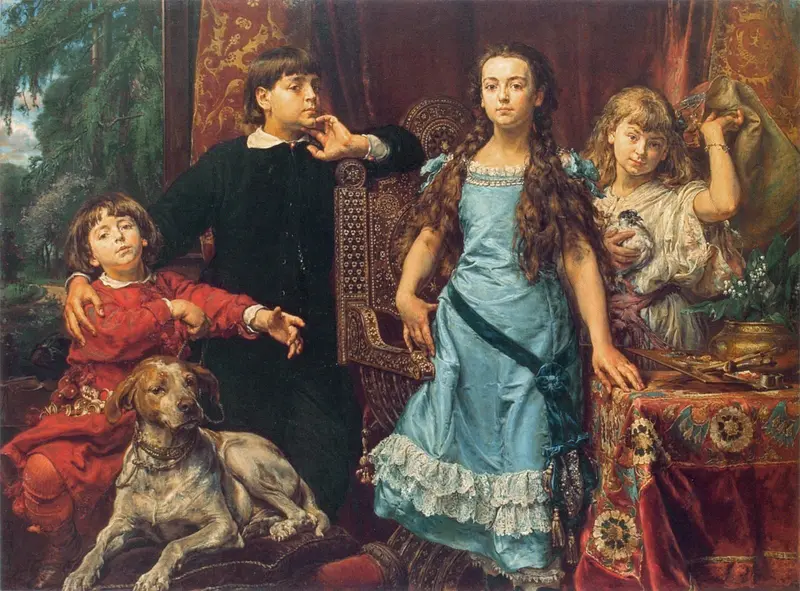
Portrait of the artist's four children
Jan Matejko
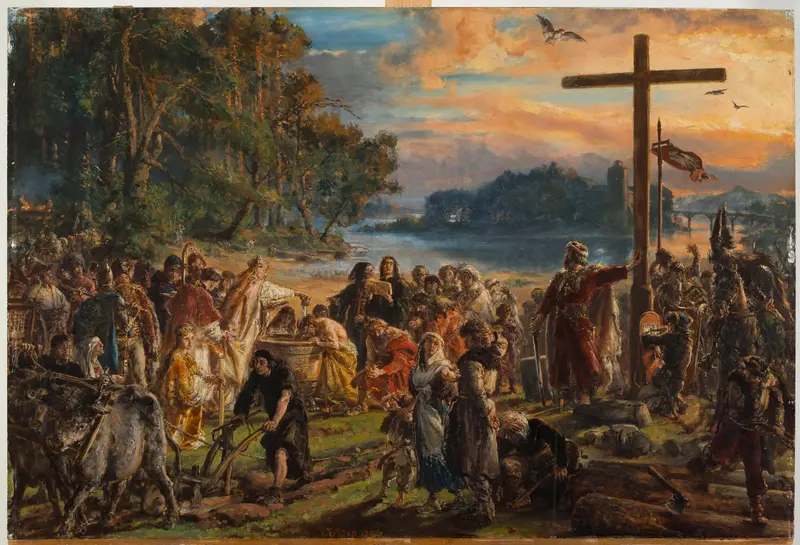
Introduction of Christianity in Poland
Jan Matejko
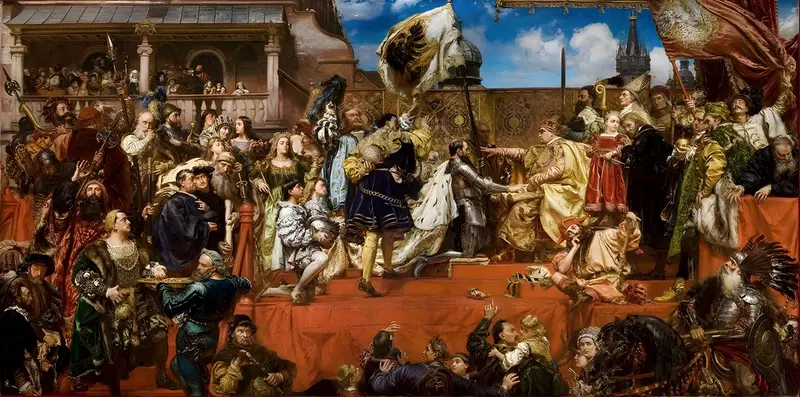
Prussian Homage
Jan Matejko





