
Portrait of Artur Potocki — History & Facts
When Jan Matejko painted Portrait of Artur Potocki in 1890, he was nearing the end of his career, already celebrated as Poland’s great chronicler of national history. What makes this portrait remarkable is its subject: Artur Potocki was not only a scion of one of Poland’s most influential noble families, but also a symbol of patriotic philanthropy during a period when Poland’s very existence was threatened by partition. The painting thus stands as a late homage to a figure who embodied the ideals of a nation longing for self-determination.
Matejko, known for his sweeping historical canvases, here turns his attention to a single life, distilling national hopes into an individual likeness. In the portrait, Potocki sits upright, his gaze steady yet reflective, dressed in the formal attire of the Polish aristocracy. The artist captures a moment of poised dignity, with Potocki’s hand resting lightly on a document—perhaps a subtle allusion to his role in public affairs and his family’s legacy of service. The light falls softly across his face, highlighting the thoughtful expression and lending a sense of introspection.
Matejko’s meticulous attention to the details of costume and insignia echoes his approach in historical scenes, yet here the focus is intimate rather than grand. Unlike Franz Xaver Winterhalter’s more decorative portraits of European nobility, Matejko’s depiction is sober, almost meditative, hinting at the burdens of leadership in troubled times. The precise circumstances of the painting’s commission remain unclear, though it is likely that the Potocki family sought to commemorate Artur’s contributions as a landowner and benefactor. The work remained in private hands for much of its history, passing through generations of the Potocki family, and has rarely been exhibited publicly.
Today, it is considered a significant example of Matejko’s late portraiture, reflecting a shift from epic historical narrative to the quieter drama of individual character. As with many of Matejko’s portraits, the painting offers a window into the values and anxieties of Poland’s elite at the twilight of the 19th century.
More Artworks by Jan Matejko
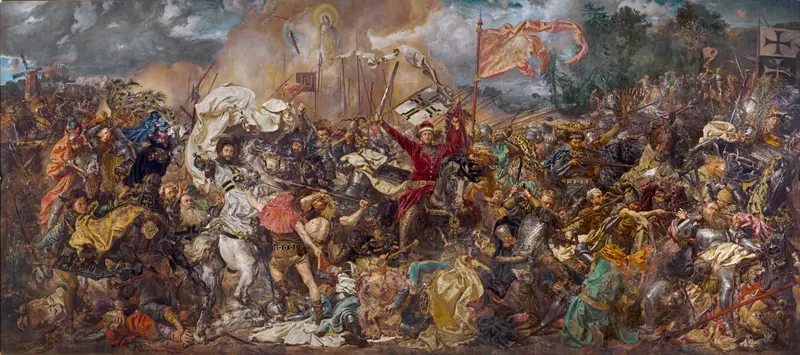
Battle of Grunwald
Jan Matejko

Stańczyk
Jan Matejko

Battle of Raclawice
Jan Matejko
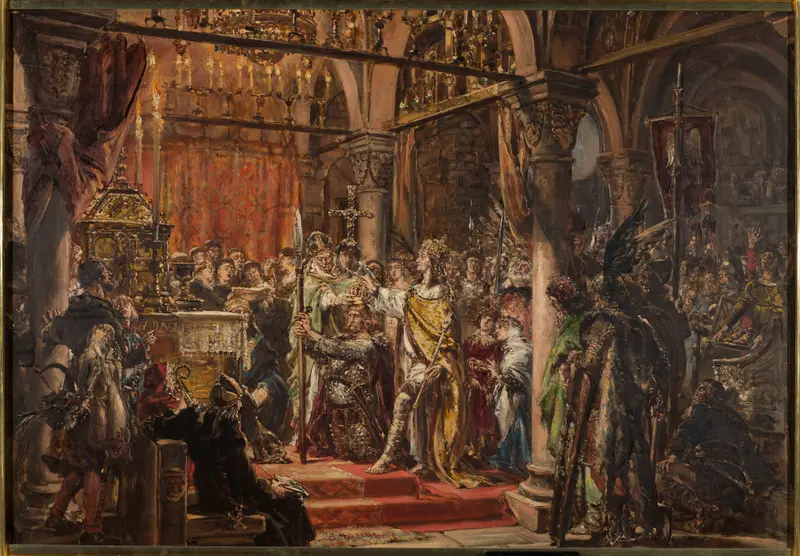
Coronation of the First King, 1001 AD, from the series “History of Civilization in Poland”
Jan Matejko
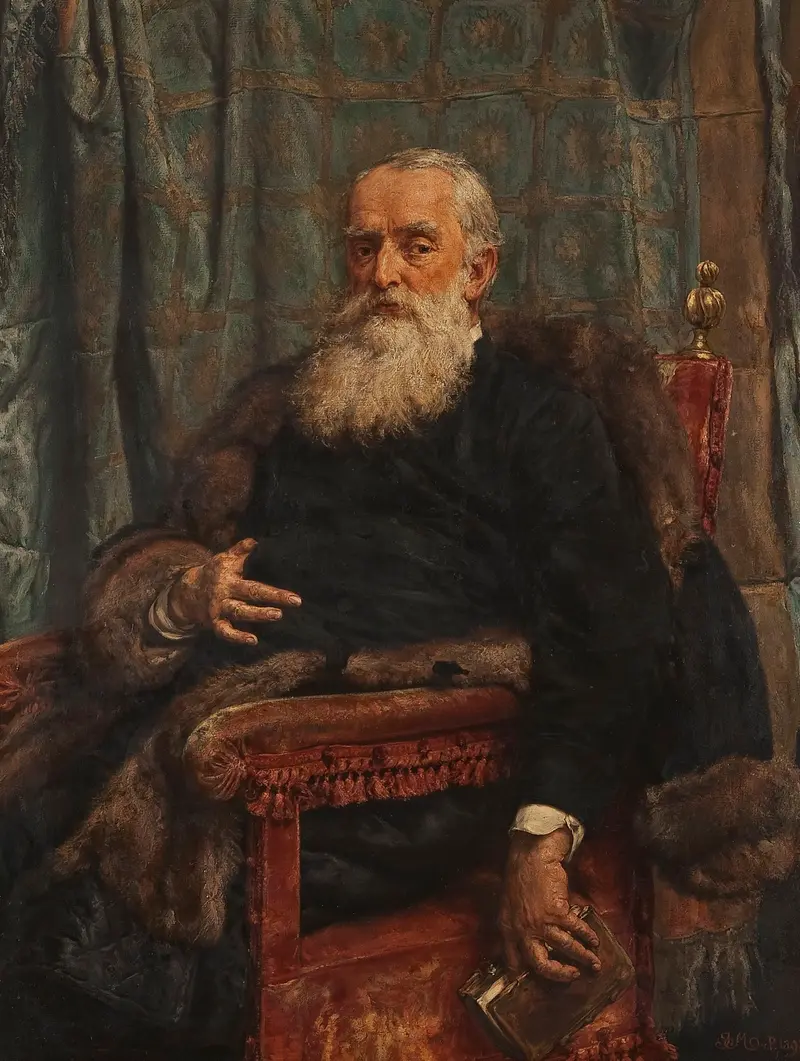
Portrait of Henryk Krajewski
Jan Matejko
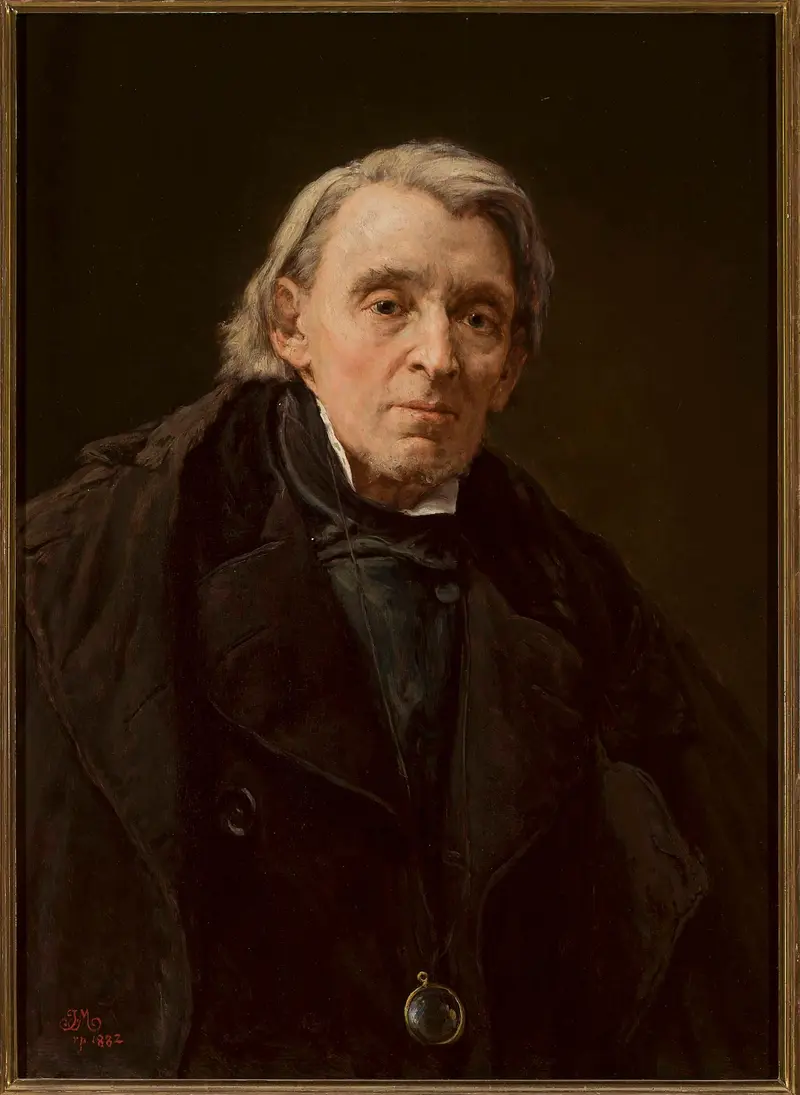
Portrait of Karol Podlewski
Jan Matejko
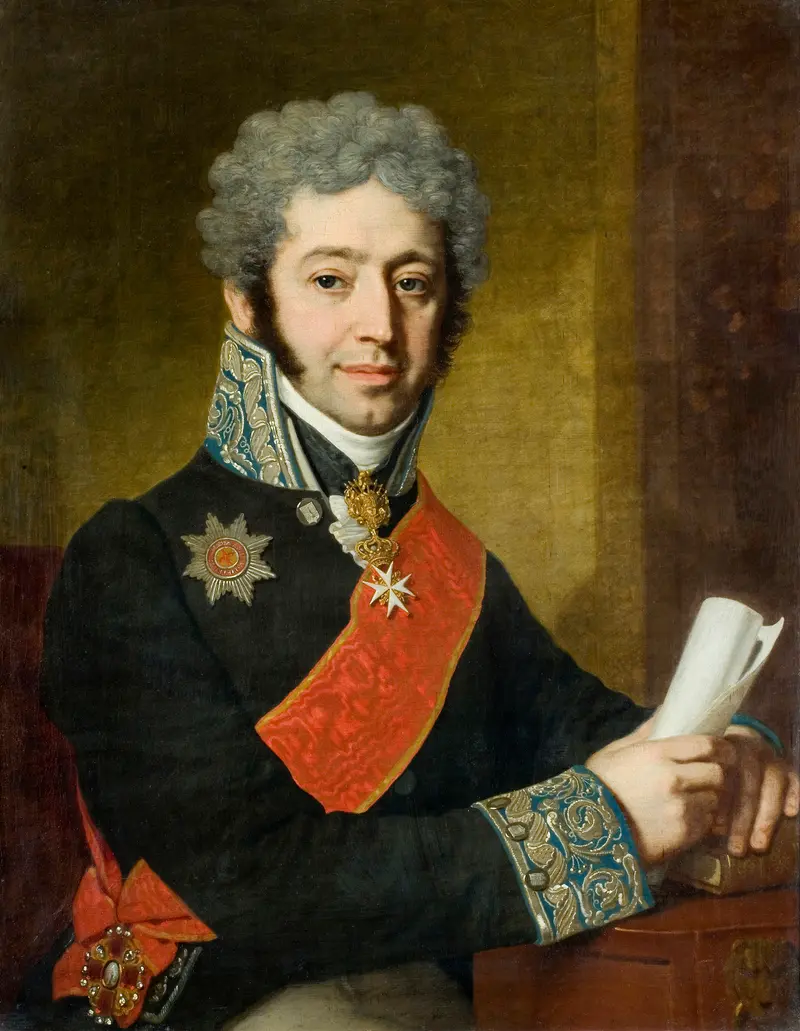
Portrait of Potocki and Poninski
Jan Matejko
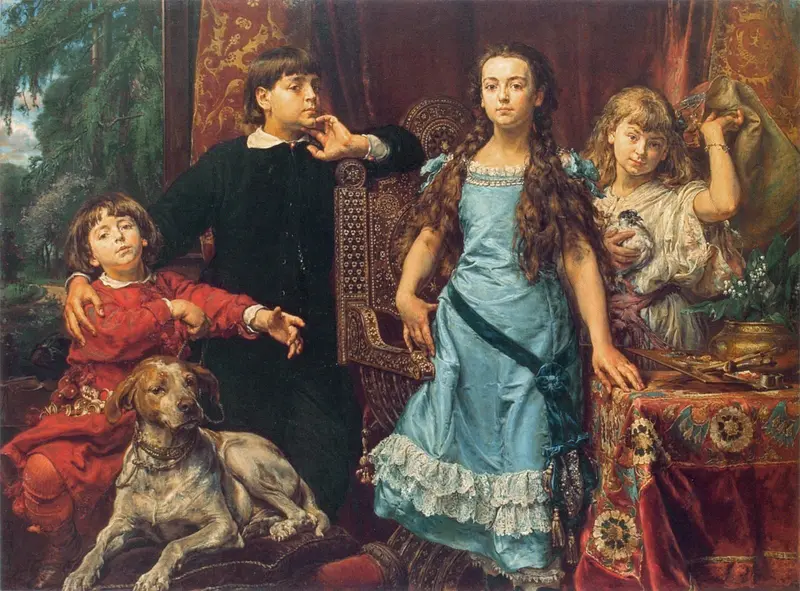
Portrait of the artist's four children
Jan Matejko
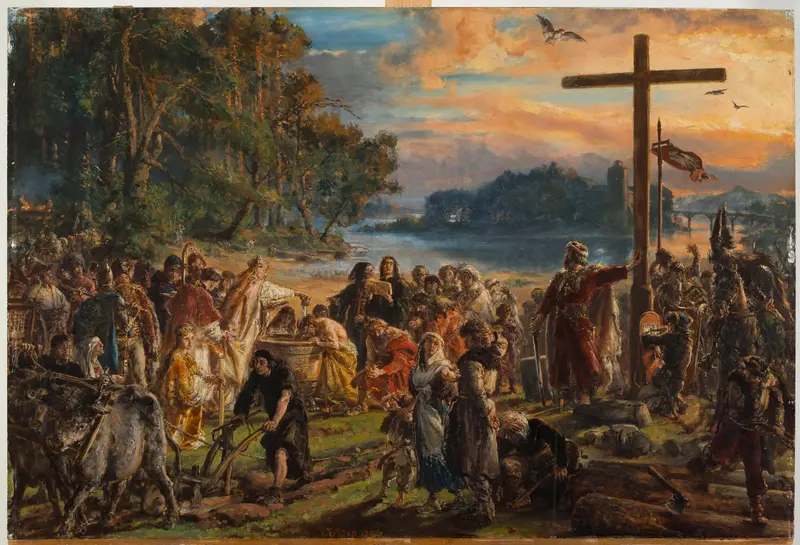
Introduction of Christianity in Poland
Jan Matejko
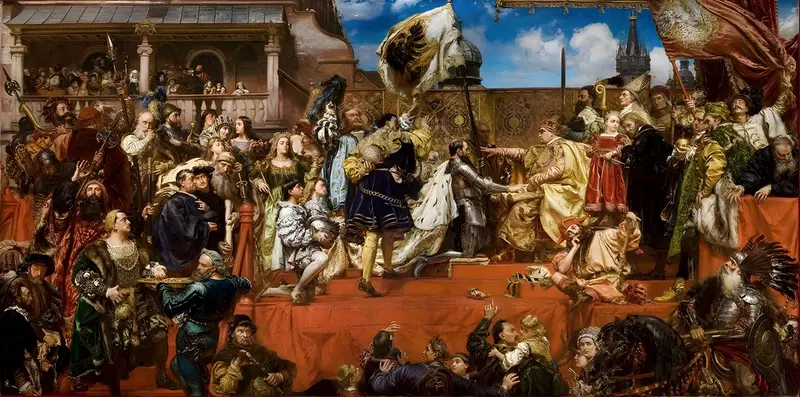
Prussian Homage
Jan Matejko





