
Portrait of Barbara Holper — History & Facts
What draws the eye first is the monumental white headdress, its folds rendered with a precision that seems almost sculptural against the deep green background. The sitter’s gaze, steady and slightly to the left, suggests a moment of quiet reflection, while the careful modeling of her face reveals both the painter’s technical ambition and a sense of psychological presence. The rich red of her garment, offset by the cool whites and greens, creates a harmonious but striking palette that guides the viewer’s attention from the intricate textures of fabric to the delicate fingers at the lower edge, gently holding what appears to be a rosary.
Every detail — the fine stitching on the linen, the soft shadow under the chin — serves to ground this figure in her own world, inviting us to wonder about her thoughts and her life. Painted around 1490, this portrait belongs to a moment in Northern Europe when likenesses were becoming more than mere records; they were statements of identity and status, often commissioned by prosperous burghers or their families. The artist, Albrecht Dürer, was still at the dawn of his career, yet already experimenting with the intense realism and psychological depth that would later define his work. The sober dignity of the sitter, the absence of distracting ornament, and the stillness of the pose all speak to the values of the late fifteenth century: piety, restraint, and the growing importance of the individual.
Though history has kept few traces of this particular painting’s early journey, its survival in collections such as those documented by The Yorck Project and Dürer research at the Germanisches Nationalmuseum lets us stand face to face with a world both distant and vividly present.
More Artworks by Albrecht Dürer

Melancholia
Albrecht Dürer

St. George and the dragon.
Albrecht Dürer
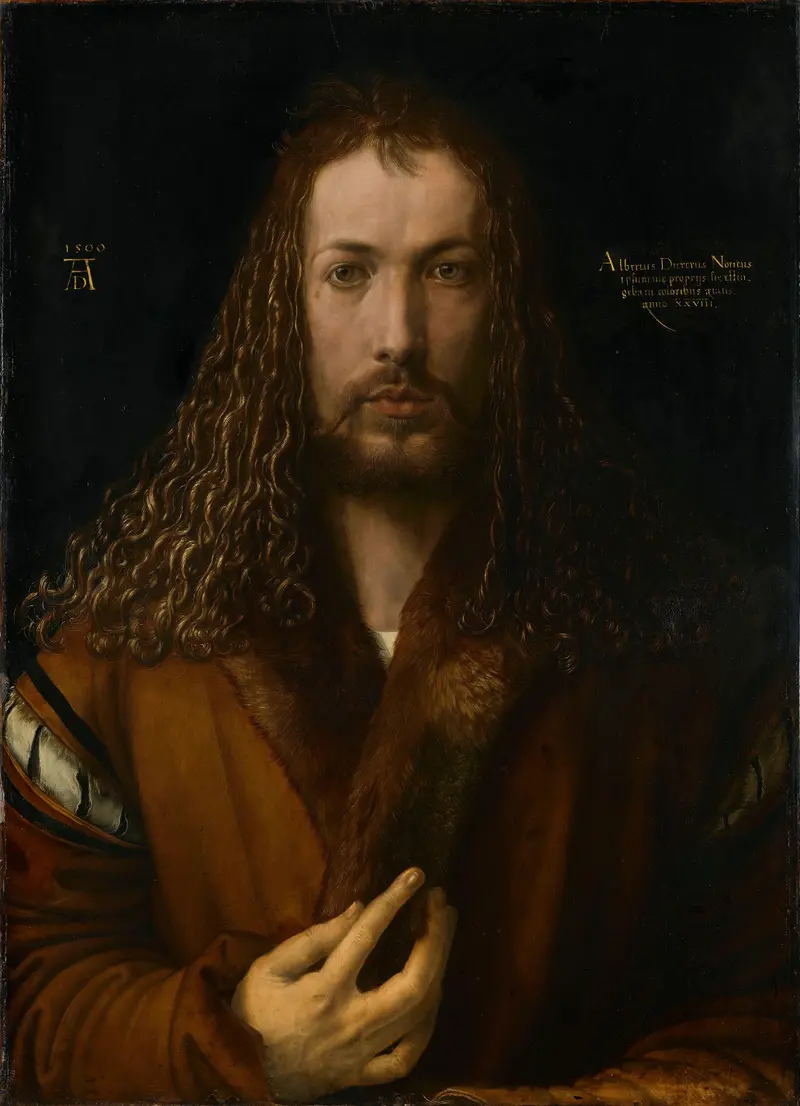
Self-Portrait with Fur-Trimmed Robe
Albrecht Dürer

Wing of a European Roller
Albrecht Dürer

Iris
Albrecht Dürer

The Great Piece of Turf
Albrecht Dürer
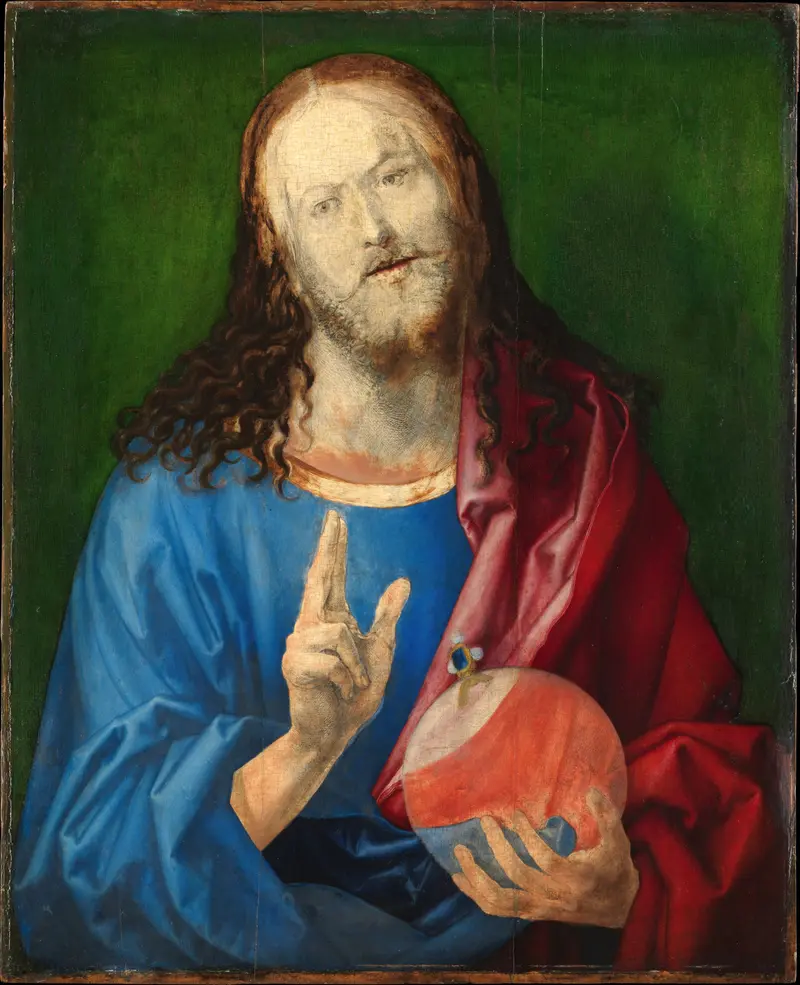
Salvator Mundi
Albrecht Dürer
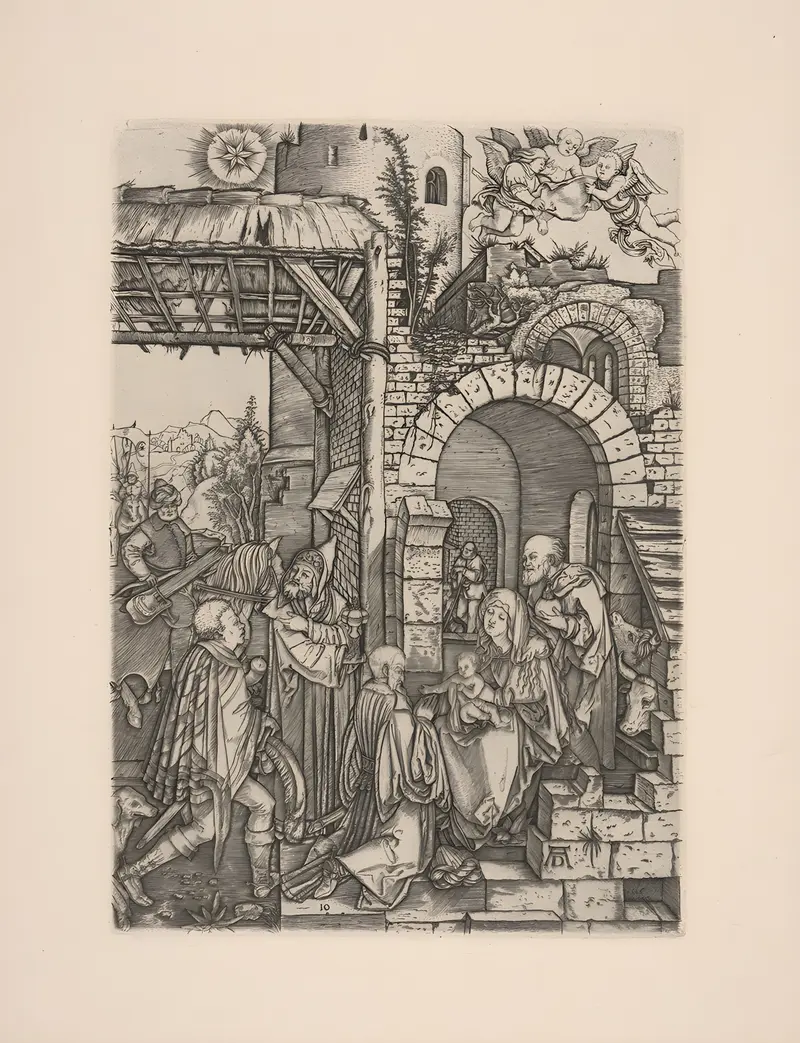
The Adoration of the Magi
Albrecht Dürer
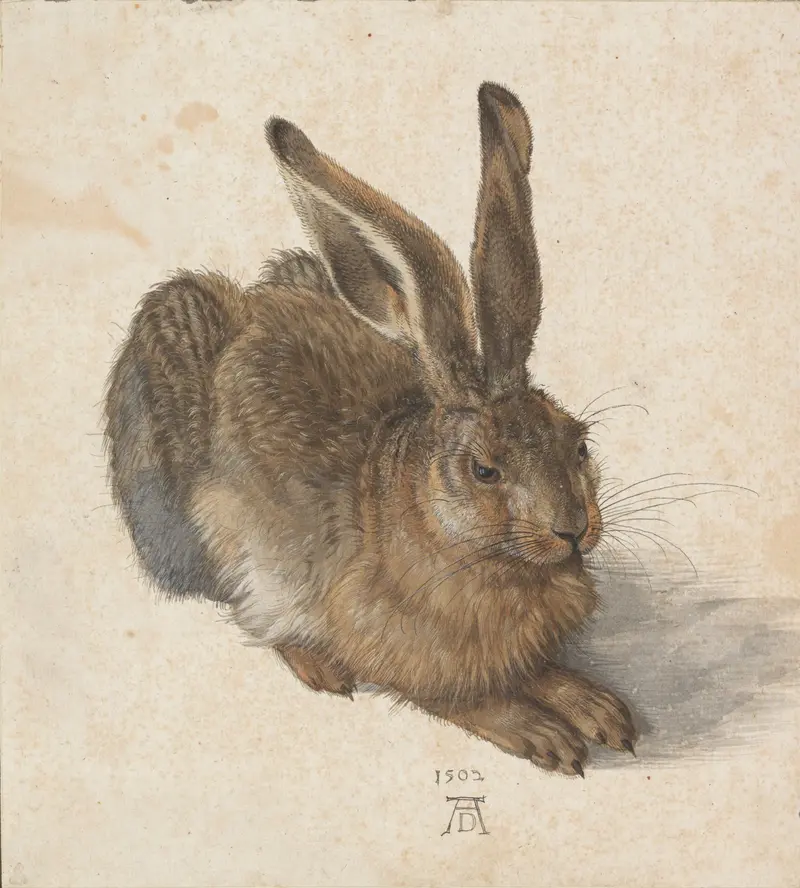
Young Hare
Albrecht Dürer
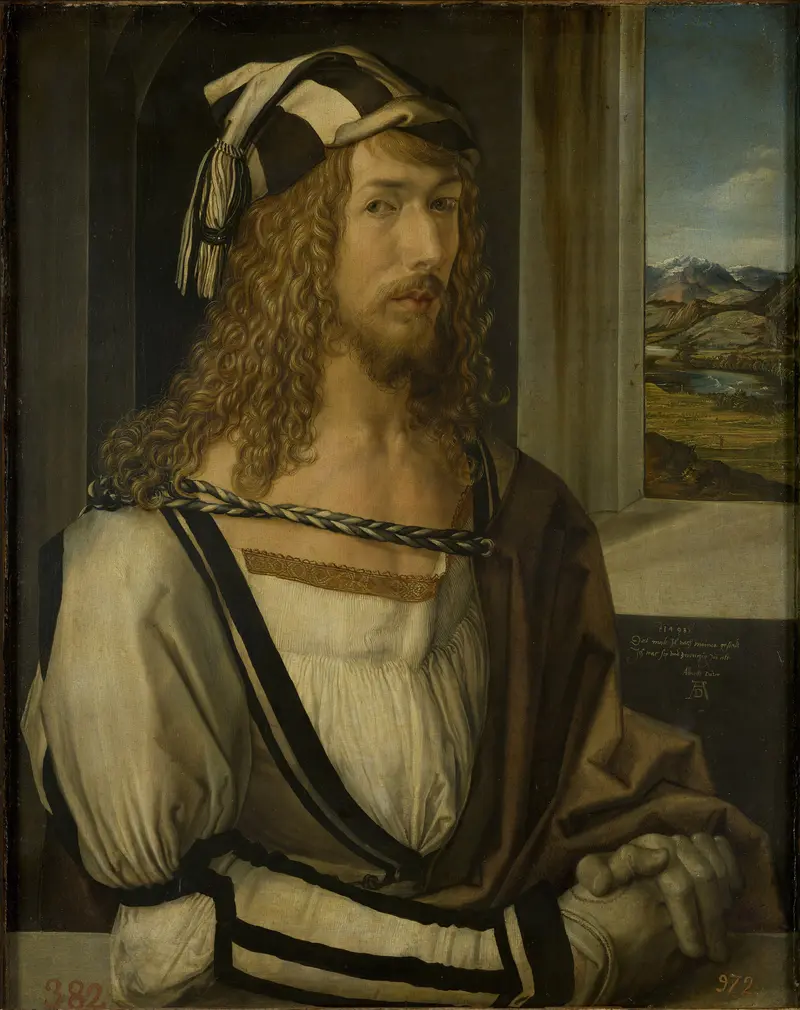
Self-portrait
Albrecht Dürer





