
Portrait of Celso Lagar — History & Facts
When Amedeo Modigliani painted Portrait of Celso Lagar in 1915, he was living in the feverish bohemia of Montparnasse, surrounded by fellow expatriate artists and poets. The sitter, Celso Lagar, a Spanish sculptor and painter, was one of Modigliani’s closest friends during these years of artistic ferment and hardship. This portrait stands as a rare document of camaraderie among artists in Paris during the First World War, a time when the city’s creative spirit persisted despite the turmoil.
It is also one of the few known images of Lagar from this period, making it a precious record of a friendship and a vanished world. The painting captures Lagar in a moment of introspection, his elongated face and neck rendered with the signature stylization that defines Modigliani’s portraits. The sitter’s almond-shaped eyes, set against a muted, almost sculptural background, seem to drift inward, suggesting both the isolation and the inner life of the artist. The simplified lines and gentle curves echo Modigliani’s admiration for African masks and Italian Renaissance portraiture, yet the work remains deeply personal.
Unlike the more formal, idealized portraits of Ingres or the psychological intensity of Van Gogh’s self-portraits, Modigliani’s approach here is one of quiet empathy, focusing on the sitter’s vulnerability and humanity. The precise medium of Portrait of Celso Lagar is not definitively recorded, though Modigliani often favored oil on canvas during this period. The painting’s early history is somewhat obscure, as many of Modigliani’s works changed hands informally among friends, patrons, and dealers in Paris. Over time, as Modigliani’s reputation grew, the portrait gained recognition for its intimate glimpse into the artist’s circle.
Today, it stands as a testament not only to Modigliani’s unique vision but also to the bonds of friendship that shaped the artistic life of early twentieth-century Paris.
More Artworks by Amedeo Modigliani
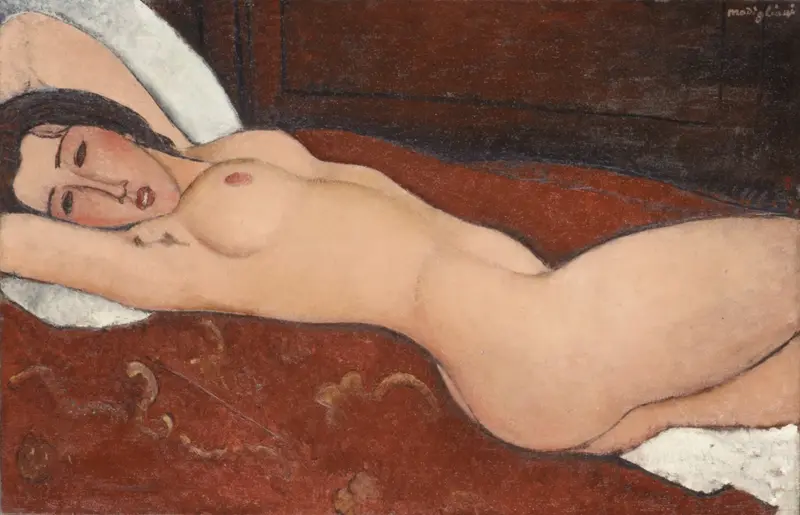
Reclining Nude
Amedeo Modigliani

Portrait Of Jeanne Hébuterne
Amedeo Modigliani

Jeanne Hébuterne
Amedeo Modigliani
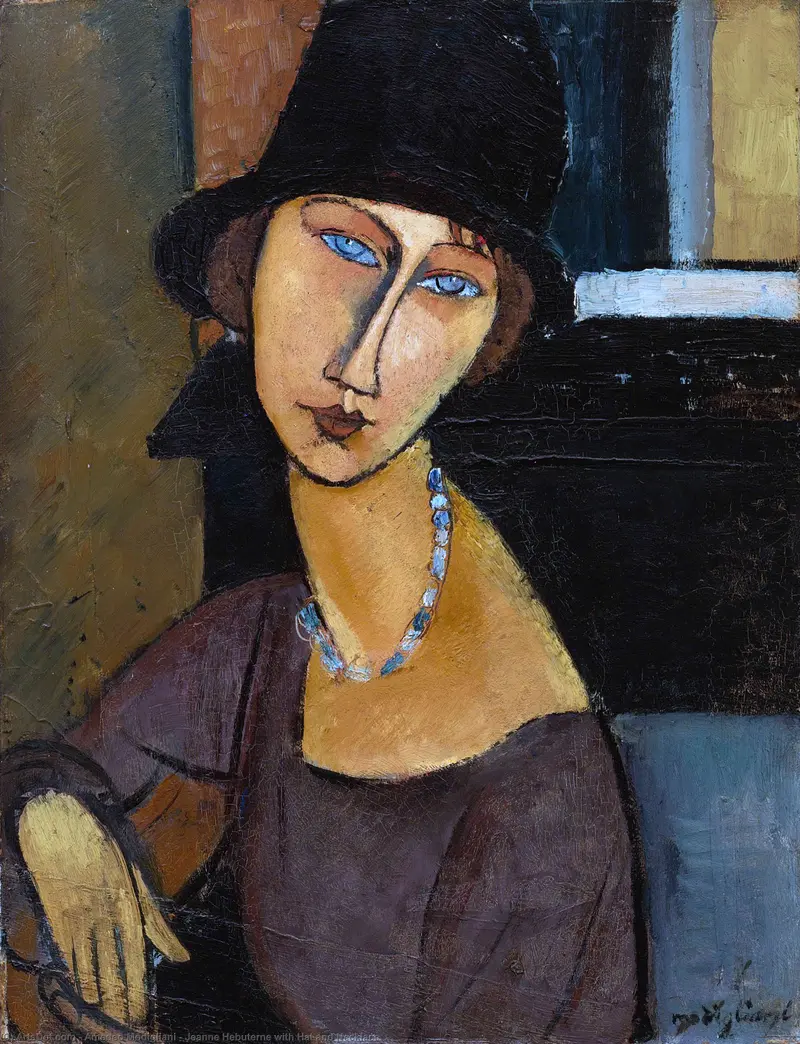
Jeanne Hébuterne with Hat and Necklace
Amedeo Modigliani
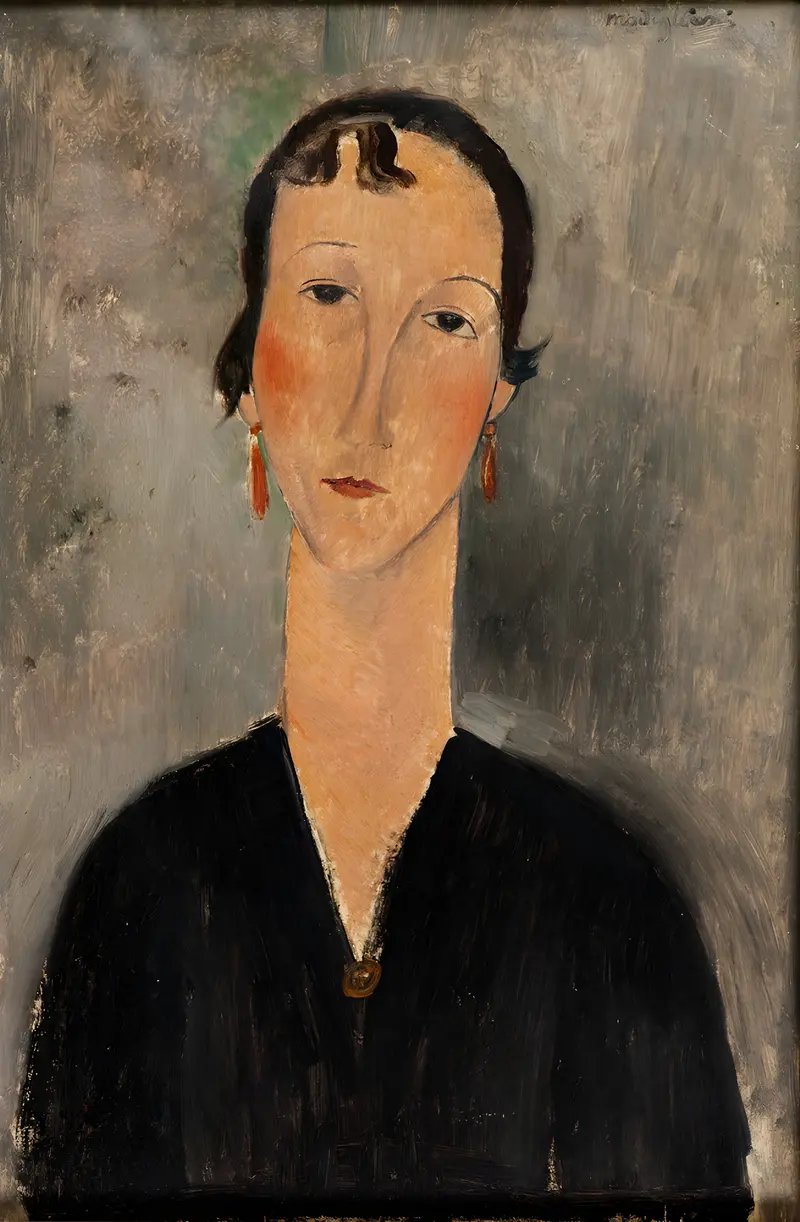
Femme aux boucles d'oreilles
Amedeo Modigliani
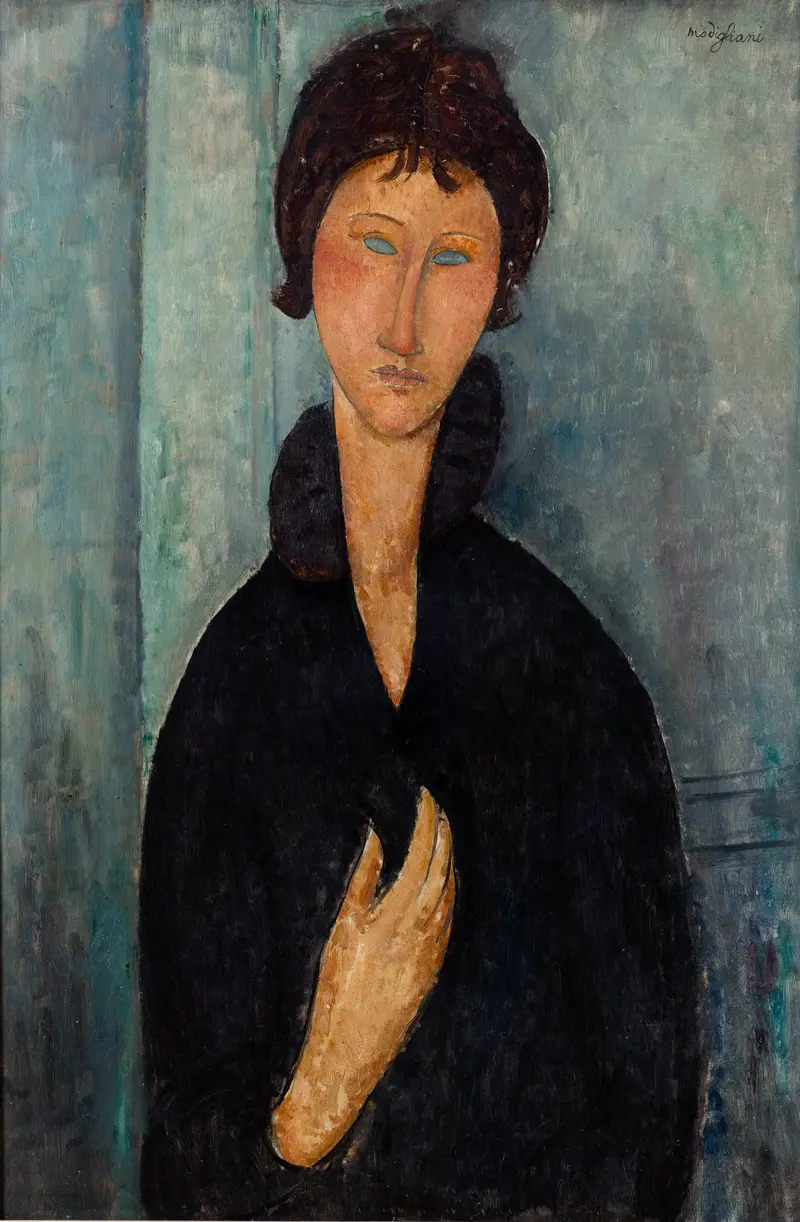
Femme aux yeux bleus
Amedeo Modigliani
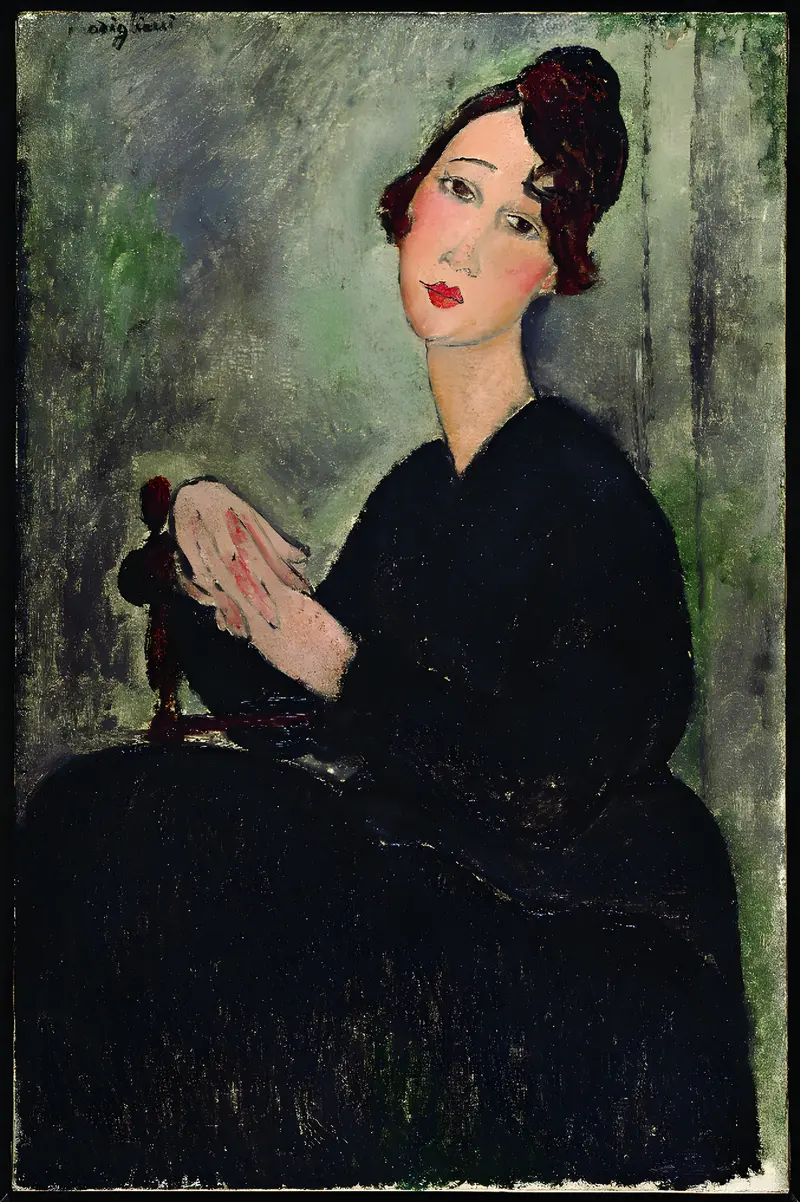
Portrait of Dedie
Amedeo Modigliani
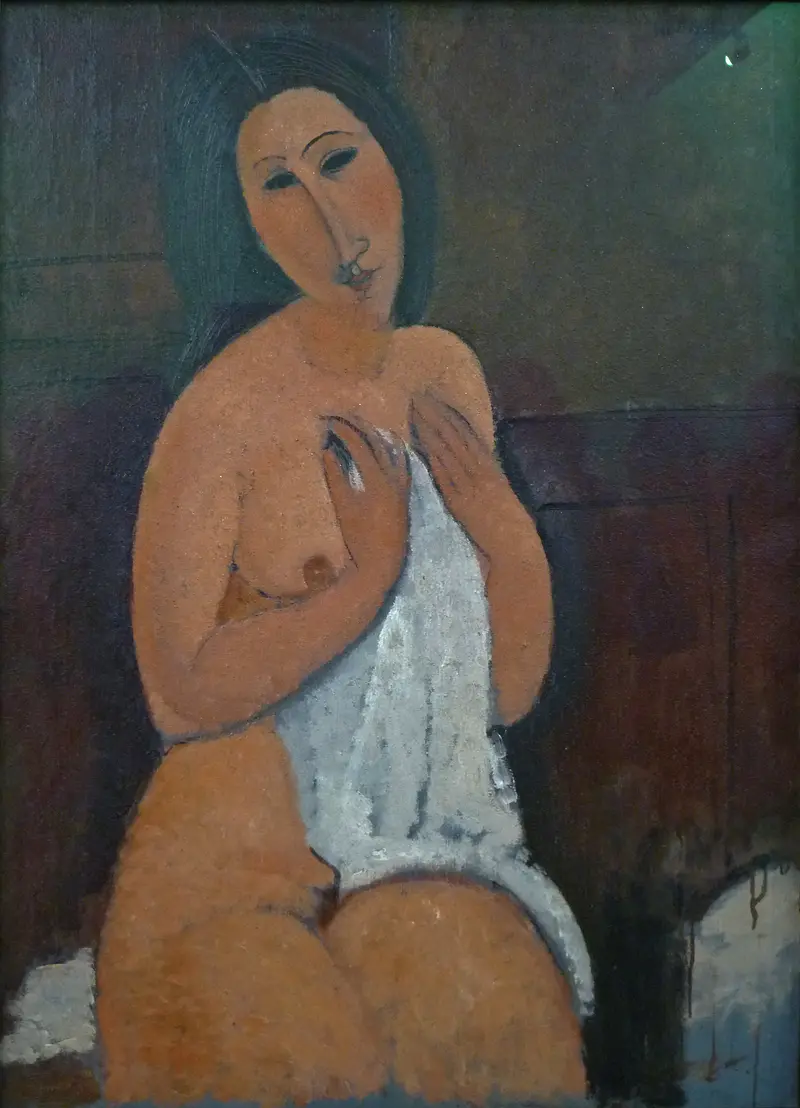
Seated nude with shirt
Amedeo Modigliani
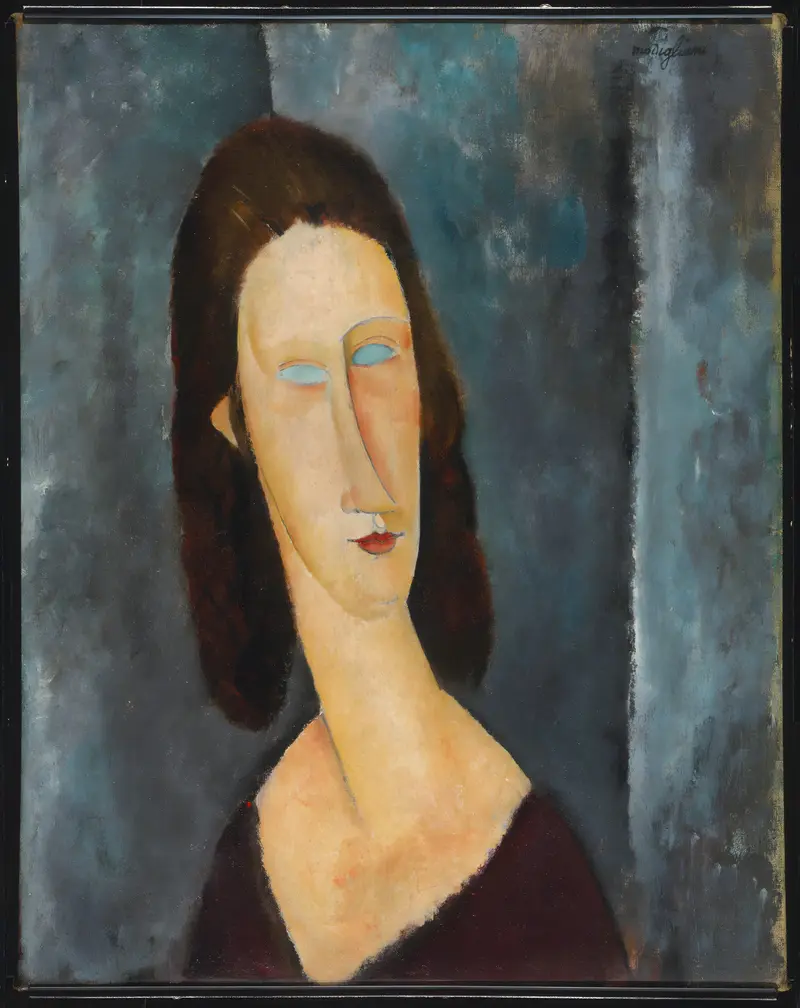
Blue Eyes (Portrait of Madame Jeanne Hébuterne)
Amedeo Modigliani
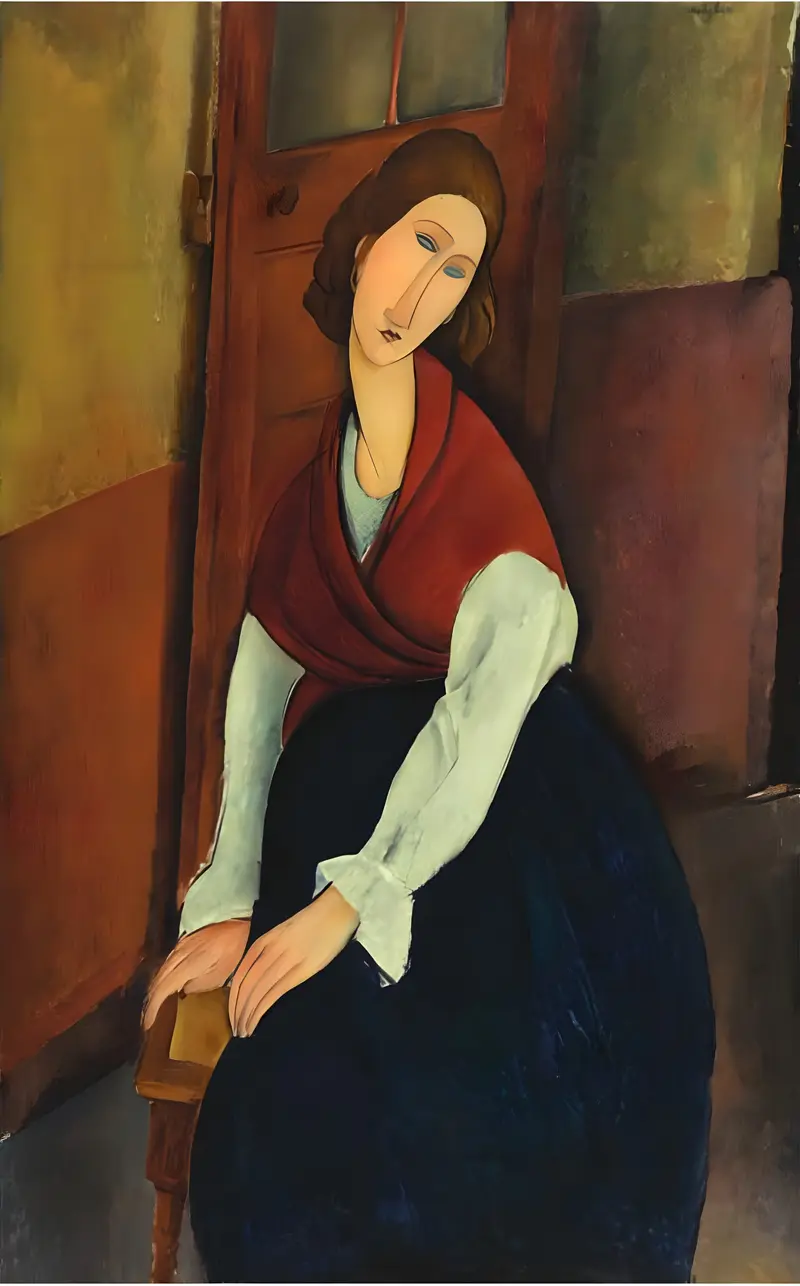
Jeanne Hebuterne in Red Shawl
Amedeo Modigliani





