
Portrait of Dodo (Seated Woman) — History & Facts
A woman in a yellow dress sits draped across a red armchair, her posture relaxed yet alert, her face shaded in cool blue and violet. The fan in her gloved hands is not just an accessory but a shield, a flourish, perhaps even a signal—its pattern echoing the bold, almost wild brushwork that animates the entire scene. The background pulses with acid green, while the flowers behind her seem to vibrate in their vase, their crimson petals echoing the chair’s embrace.
Every color here is a choice against realism: the blue shadows, the orange floor, the hat’s improbable green. The sitter’s gaze, half-lidded and enigmatic, draws the viewer in, making us complicit in the charged quiet of the room. Painted in 1909, this work stands at the crossroads of Expressionism, a movement that swept through Germany in the early twentieth century, seeking to capture not the outward appearance but the inner temperature of a moment. Artists like Ernst Ludwig Kirchner—whose hand is unmistakable here—rejected academic polish for raw immediacy, often painting friends, lovers, and fellow artists in their circle.
The Pinakothek’s collection records this as Portrait of Dodo (Seated Woman), and though history has kept few traces of the sitter’s story, her presence is unmistakable. The painting’s electric palette and urgent line are a reminder that, in this era, portraits were no longer mere likenesses but battlegrounds for new ways of seeing—inviting us to look again, and then once more, for what lies beneath the surface.
More Artworks by Ernst Ludwig Kirchner
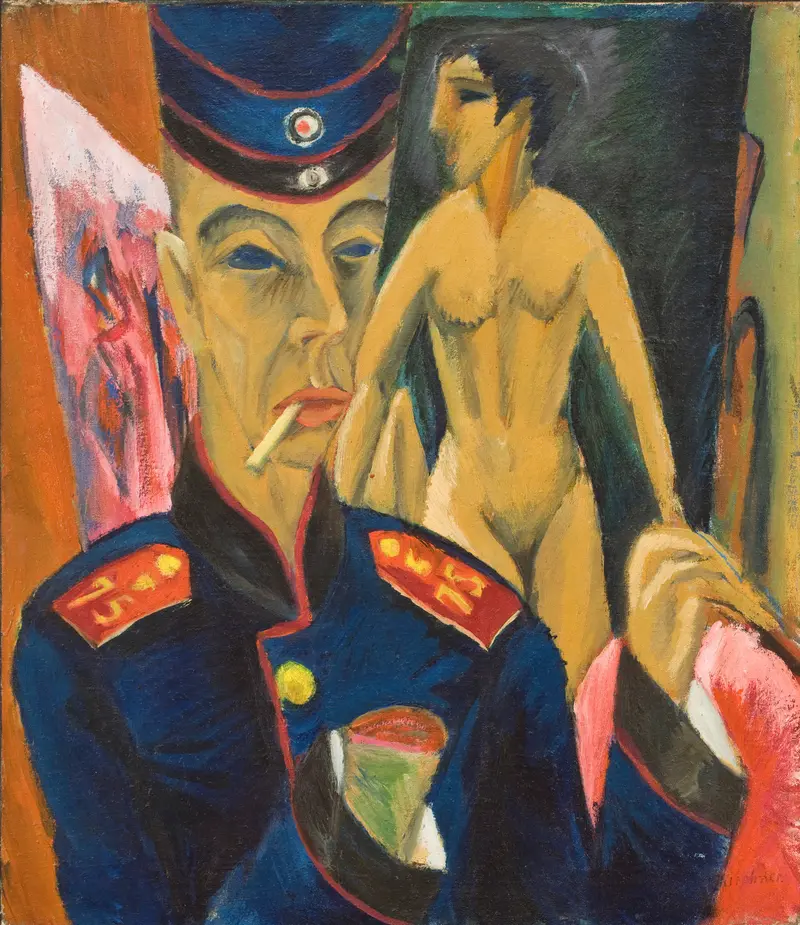
Self-Portrait as a Soldier
Ernst Ludwig Kirchner
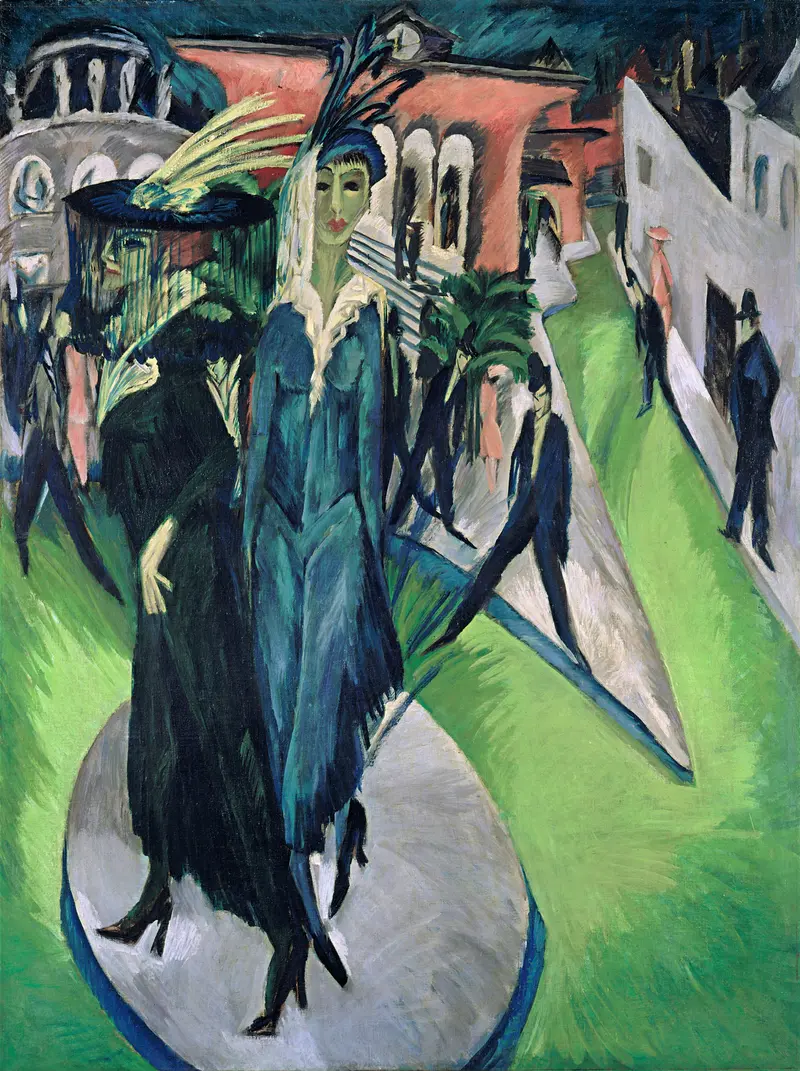
Potsdamer Platz
Ernst Ludwig Kirchner

Alphütten und Tinzenhorn
Ernst Ludwig Kirchner
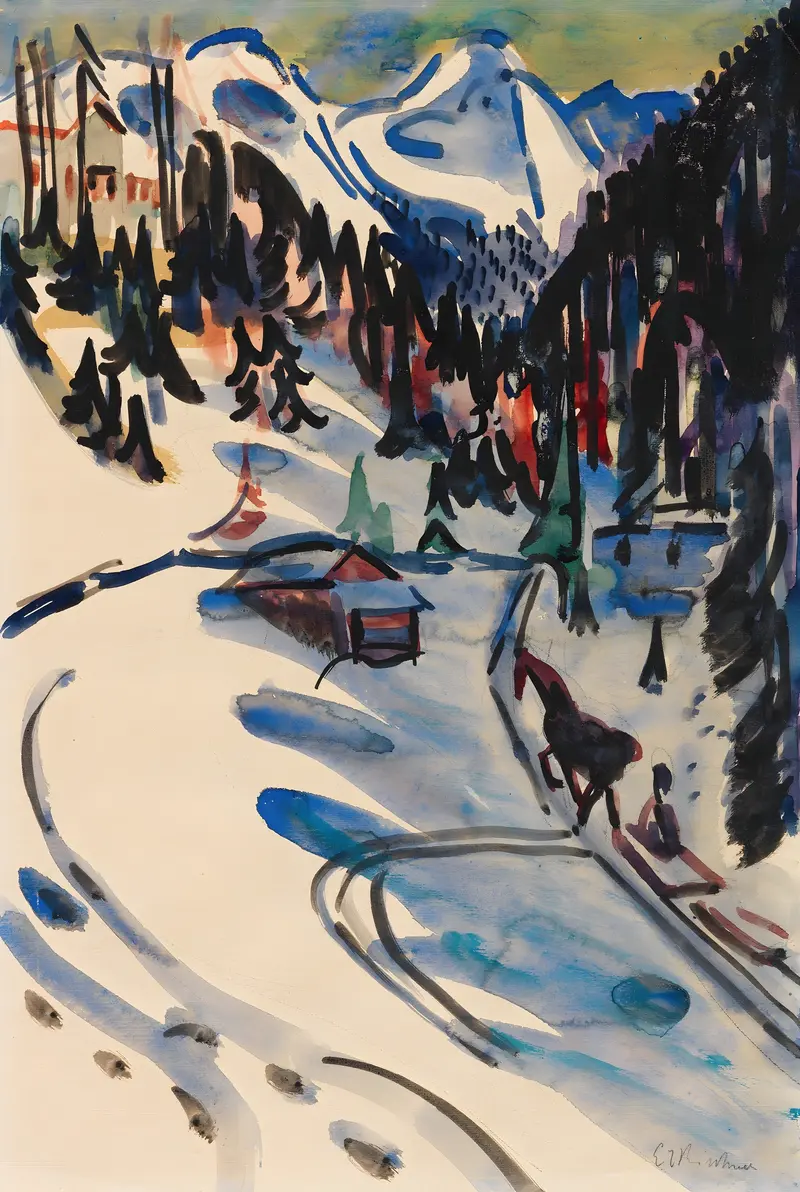
Sertigtal im Winter
Ernst Ludwig Kirchner
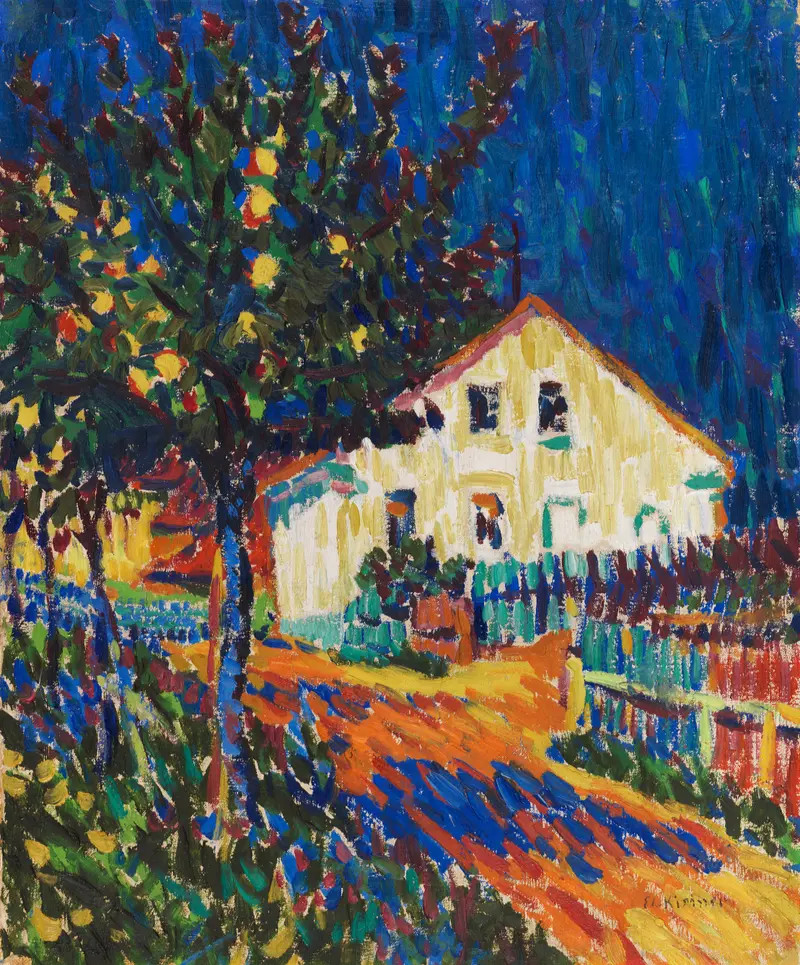
Dorfstraße mit Apfelbäumen
Ernst Ludwig Kirchner
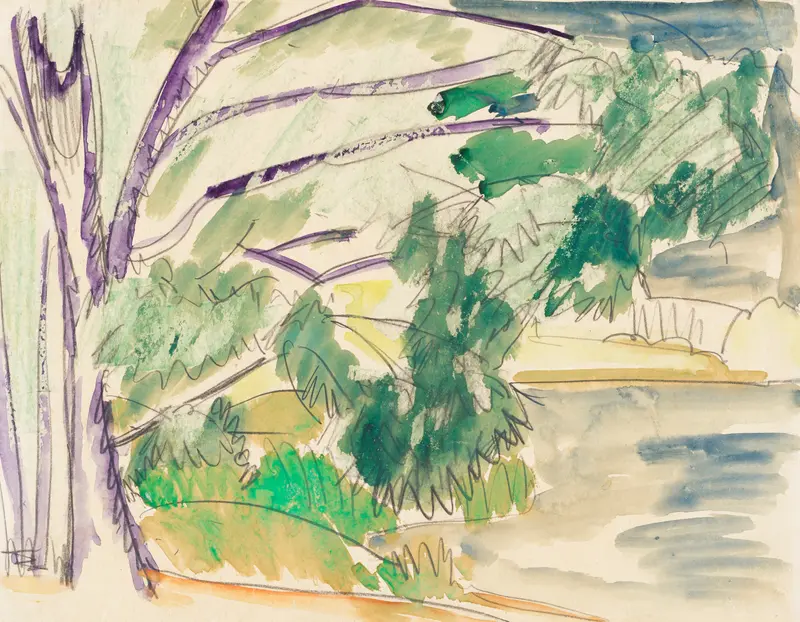
Unter Bäumen am See
Ernst Ludwig Kirchner
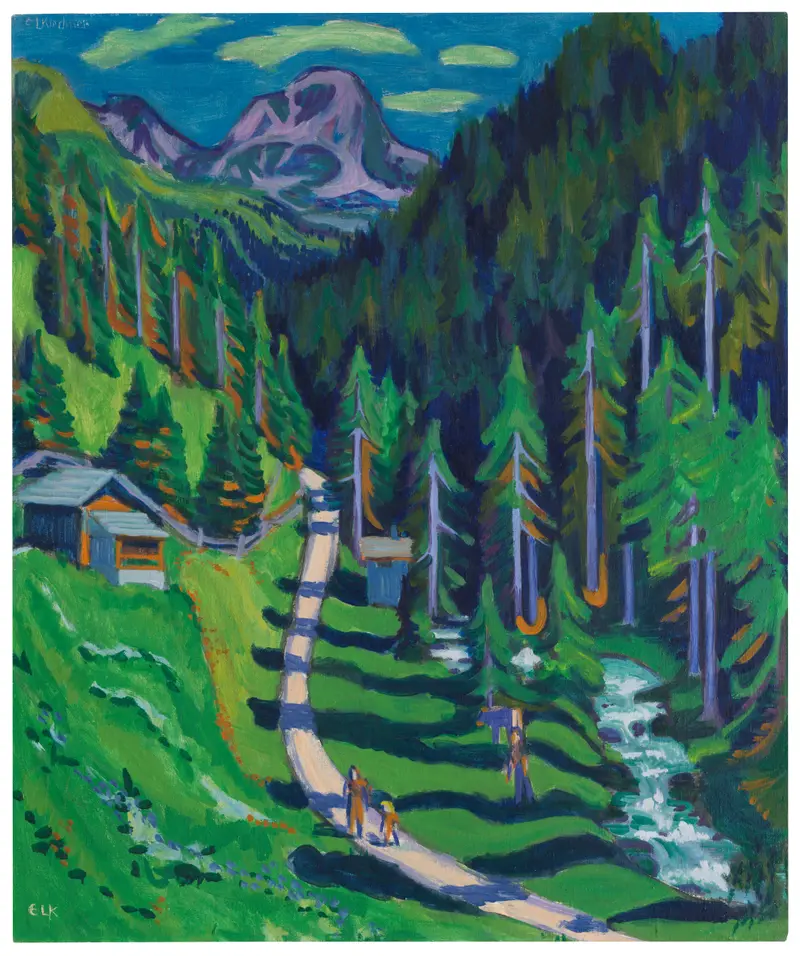
Sertigweg
Ernst Ludwig Kirchner
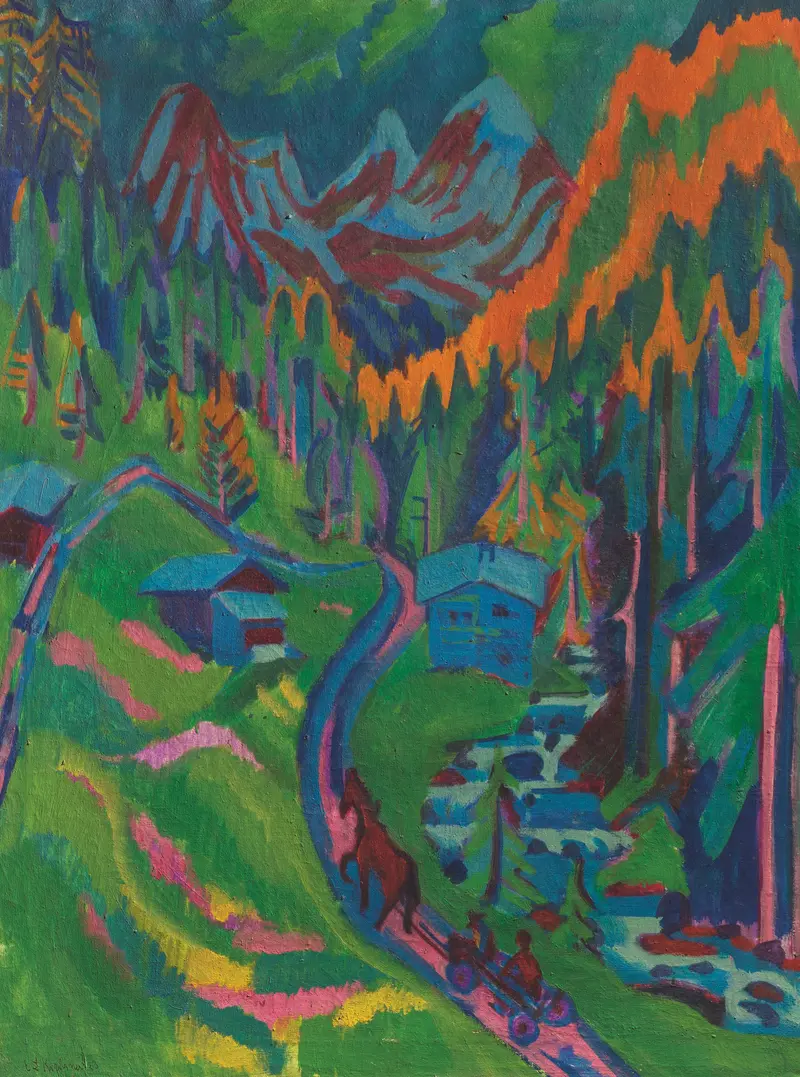
Sertigweg im Sommer
Ernst Ludwig Kirchner
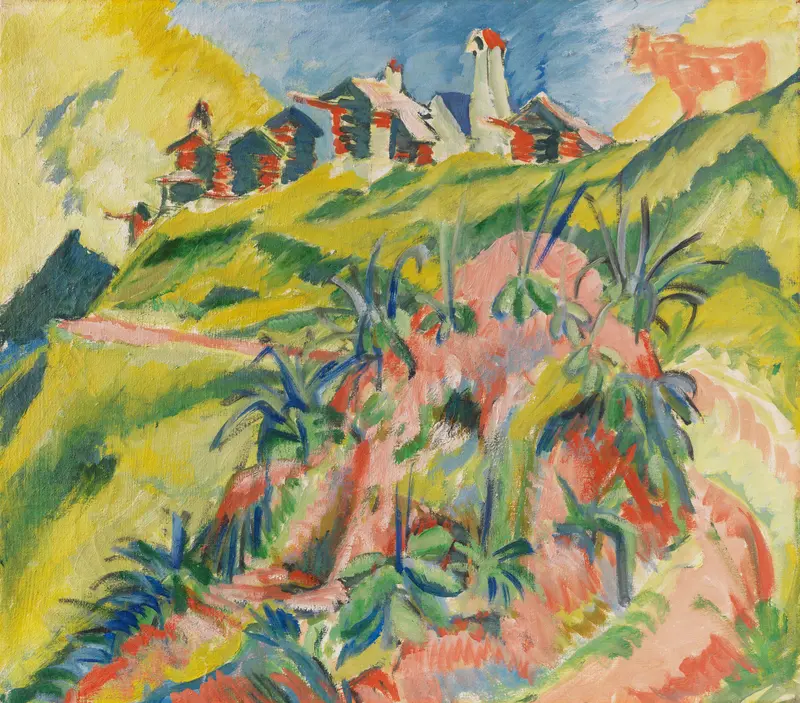
Bergdorf mit rosa Kuh
Ernst Ludwig Kirchner
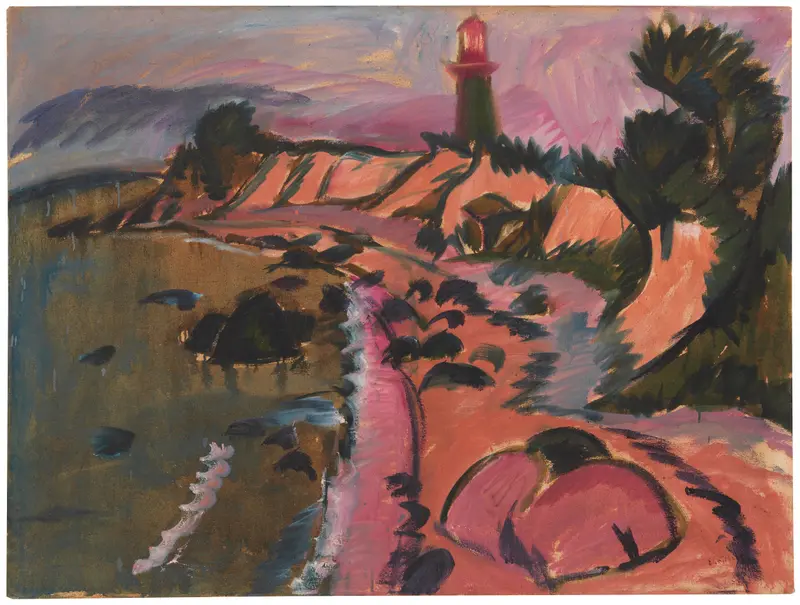
Fehmarnküste mit Leuchtturm
Ernst Ludwig Kirchner





