
Portrait of Emil Tidemand the Artist's Brother — History & Facts
The quiet authority of the sitter draws the viewer in before a single detail is examined. A man in formal black attire, his chest adorned with medals, gazes slightly to the side—his eyes thoughtful, his expression composed but not cold. The light falls gently across his face, picking out the reddish tones in his beard and the careful parting of his hair, while the background recedes into a warm, enveloping shadow.
The medals are not mere decoration: their placement and gleam signal a lifetime of service or achievement, inviting us to wonder about the stories behind each one. The artist’s brush lingers over the textures of wool and metal, but it is the sitter’s inwardness—the sense that he is caught in a moment of private reflection—that gives the portrait its quiet power. Painted in 1867, this work belongs to a period when portraiture was both a public declaration and a private keepsake, often commissioned to honor family members or commemorate personal milestones. In the Nordic countries of the nineteenth century, such portraits were markers of status and respectability, their realism a testament to the sitter’s character and achievements.
Today, the painting is preserved in the National Museum of Art, Architecture and Design, a reminder of a time when the boundaries between public honor and private memory were drawn with oil and canvas. The sitter’s steady gaze, the painter’s careful hand—both invite us to linger, to look again, and to imagine the world behind the medals.
More Artworks by Adolph Tidemand

Bridal Procession on the Hardangerfjord
Adolph Tidemand
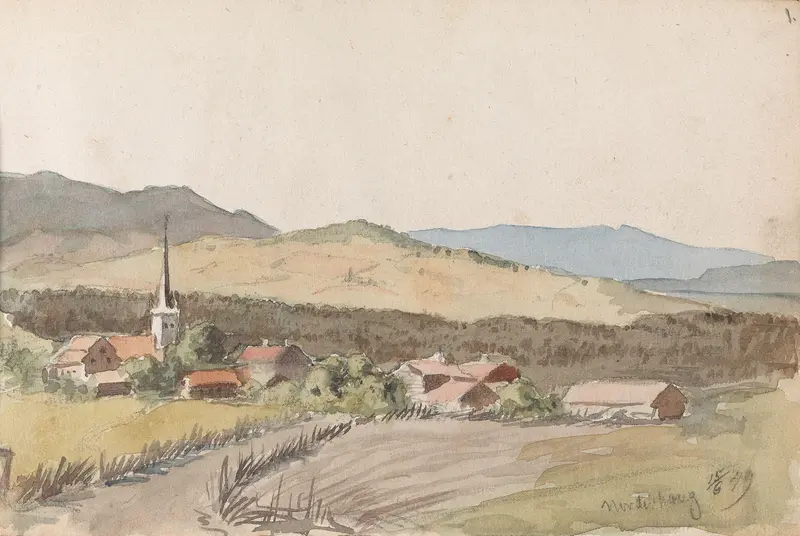
Fra Haugsbygd
Adolph Tidemand
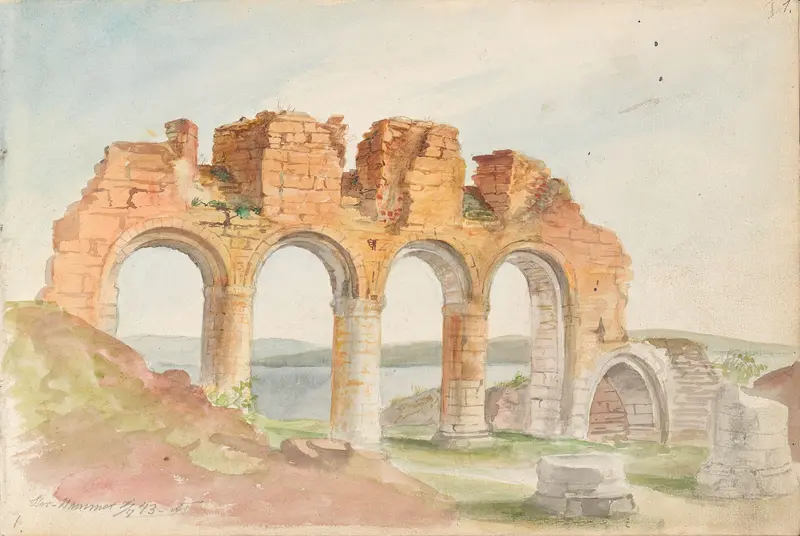
Domkirkeruinen, Hamar
Adolph Tidemand
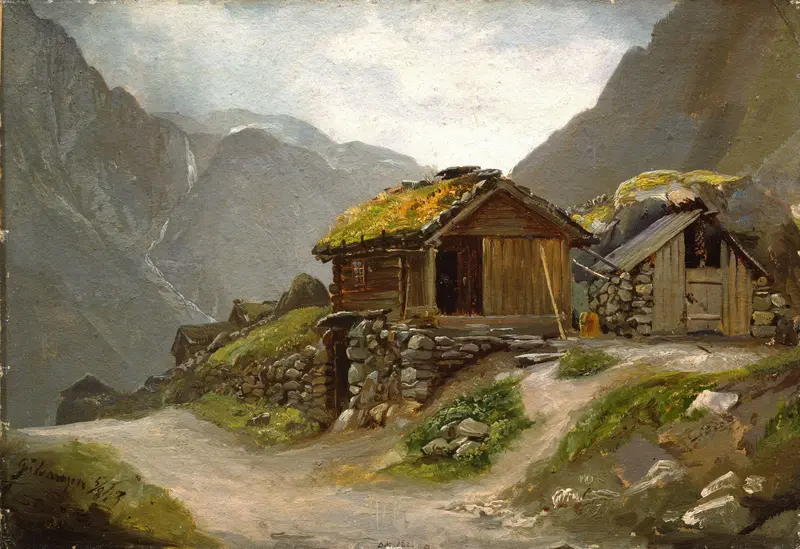
View from Gudvangen
Adolph Tidemand
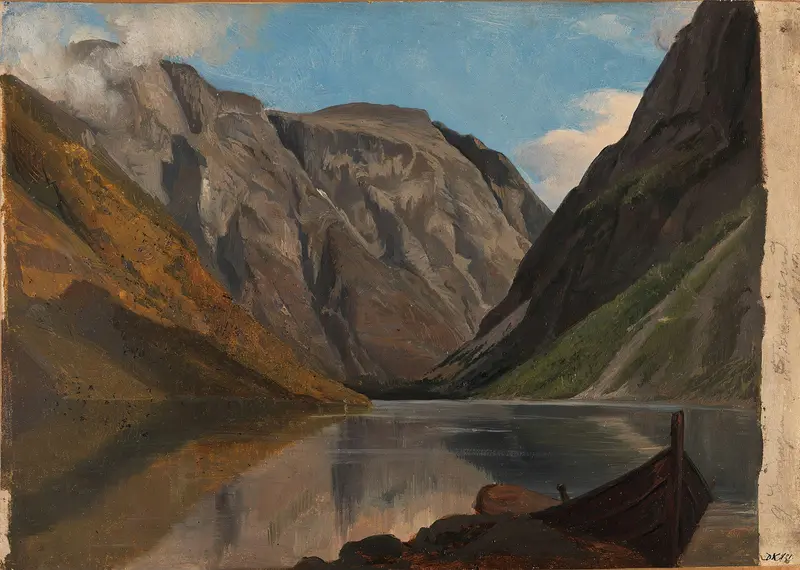
View of Gudvangen
Adolph Tidemand
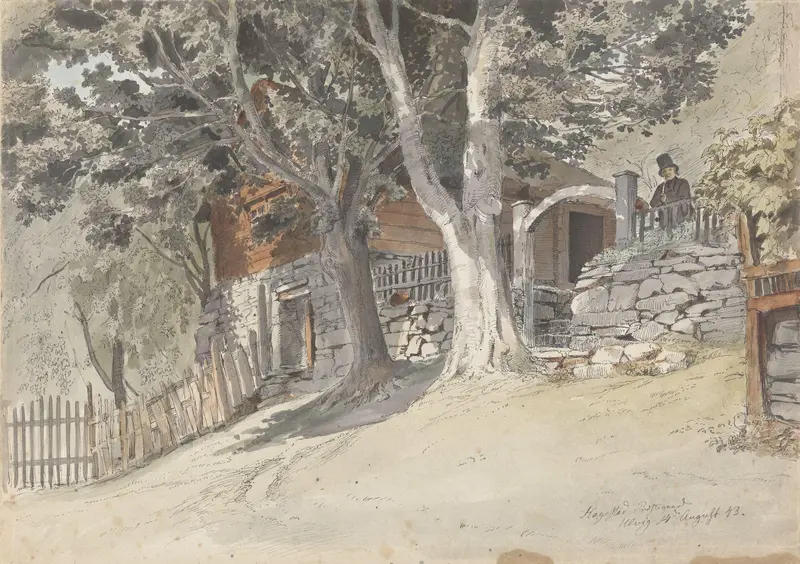
Hagestad prestegård, Ulvik i Hardanger
Adolph Tidemand
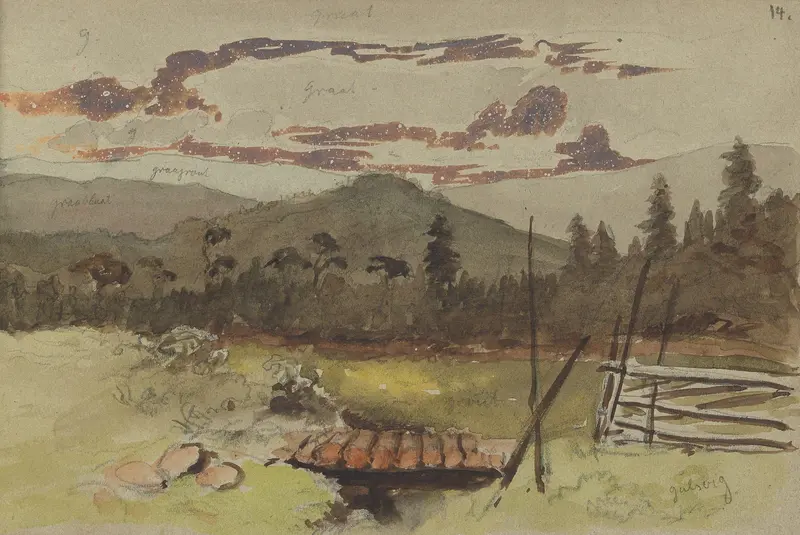
Fra Gulsvik
Adolph Tidemand
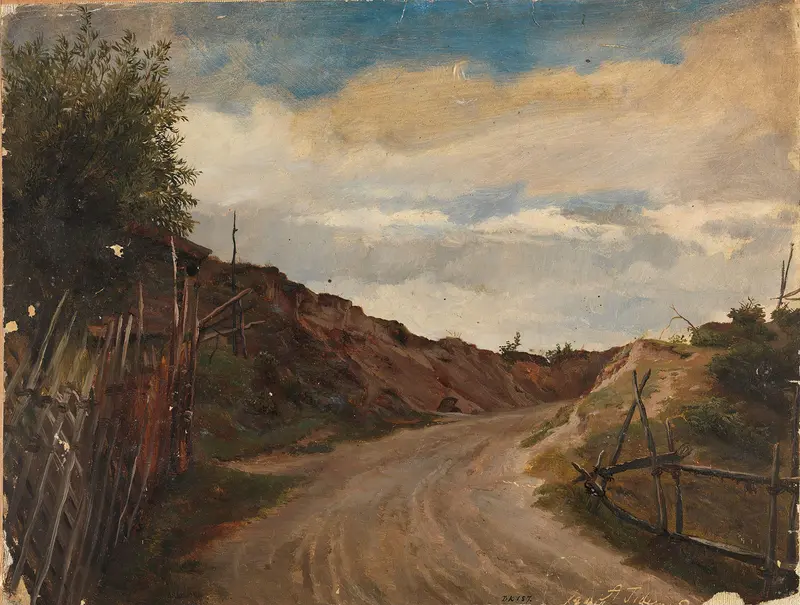
Country Road
Adolph Tidemand
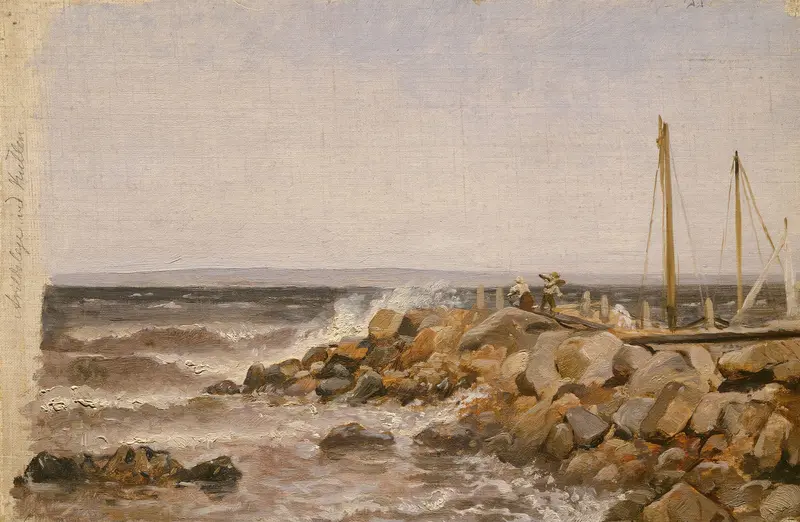
From Kullen in Sweden
Adolph Tidemand
Untitled
Adolph Tidemand





