
Portrait of Frederick III of Saxony — History & Facts
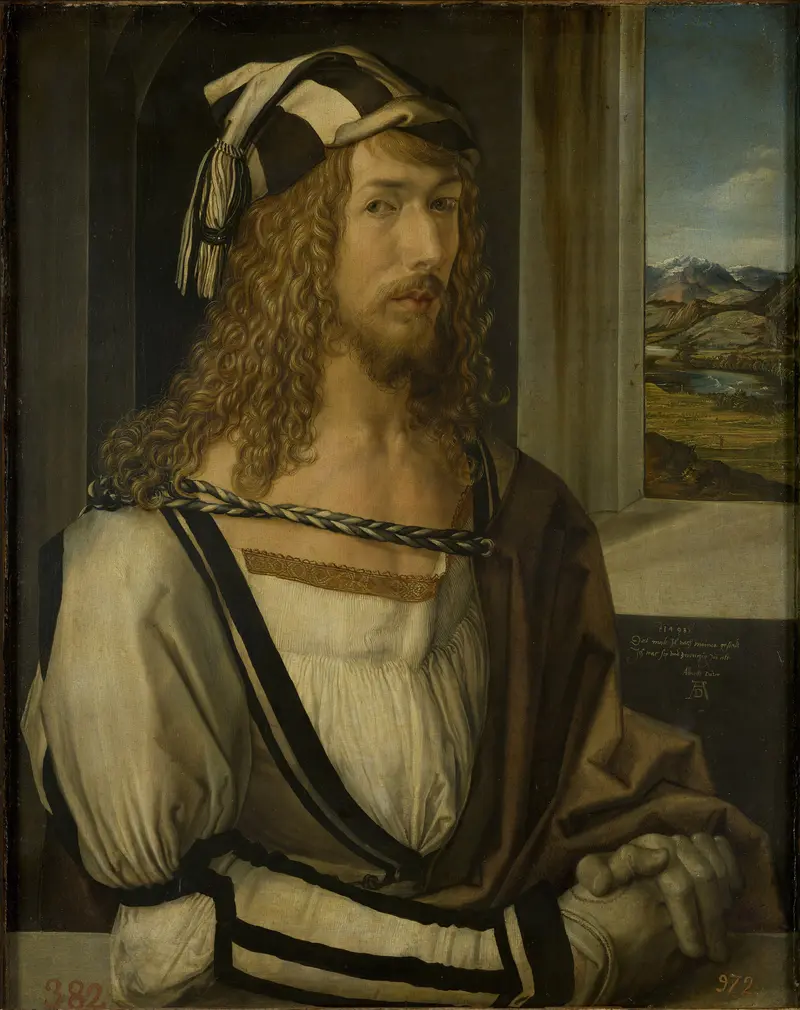
What first grips the viewer in this portrait is the intensity of the sitter’s gaze: steady, almost wary, as if he has just turned toward us from some absorbing thought. The sitter’s broad, dark hat and the sharply patterned sleeves anchor the composition, but it is the eyes—wide, clear, and fixed—that hold the room. The hand at the bottom, clutching a rolled paper, introduces a note of purpose and perhaps authority, while the other hand rests in a gesture of guarded composure.
Light falls from the left, setting off the textures of velvet and gold, and casting the face in a gentle relief that draws out every contour and line. Works like this, painted in 1496 by Albrecht Dürer, belong to a moment in late 15th-century Germany when portraiture was becoming both a tool of power and a record of individuality. Patrons—often from the nobility or rising merchant class—commissioned portraits to assert their status and to shape how they would be remembered. The sober palette and restrained background, typical of the period, focus all attention on the sitter’s presence and attire.
This painting, preserved in the Yorck Project’s collection of 10,000 masterworks, stands as a testament to a time when artists like Dürer were redefining what a likeness could reveal. Look again at those hands and eyes: in them, the ambitions and anxieties of a changing world are quietly inscribed.
More Artworks by Albrecht Dürer

Melancholia
Albrecht Dürer

St. George and the dragon.
Albrecht Dürer
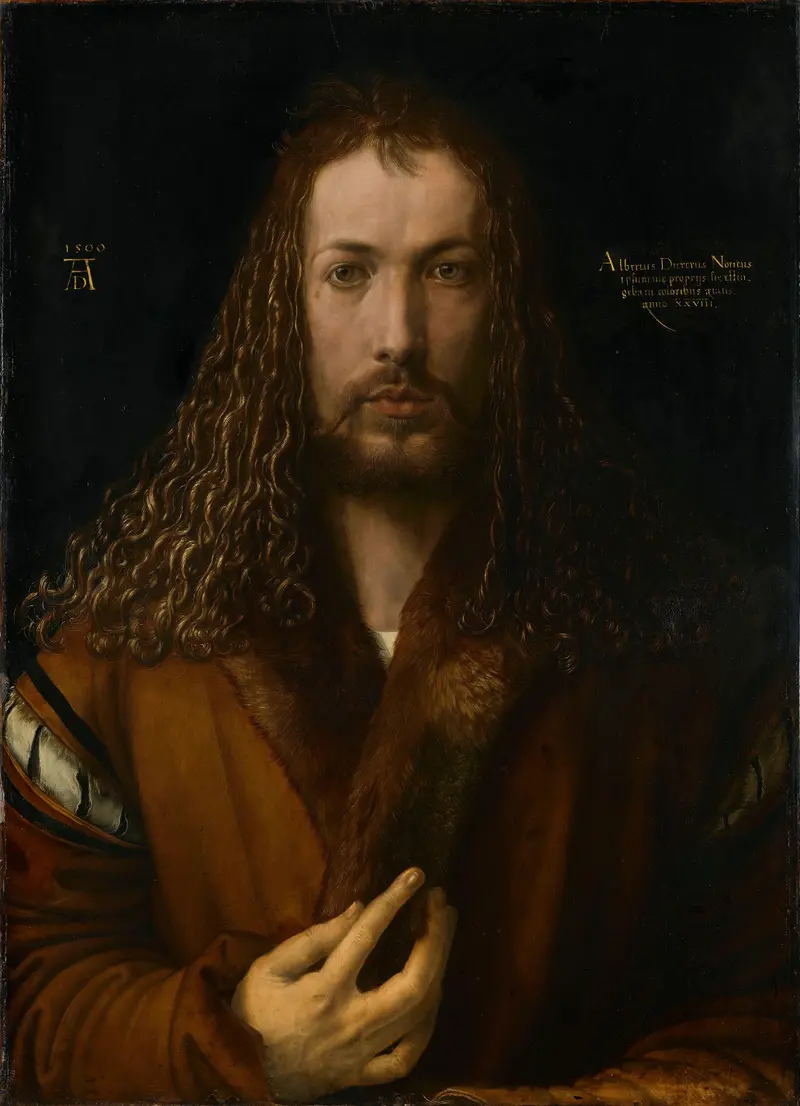
Self-Portrait with Fur-Trimmed Robe
Albrecht Dürer

Wing of a European Roller
Albrecht Dürer

Iris
Albrecht Dürer

The Great Piece of Turf
Albrecht Dürer
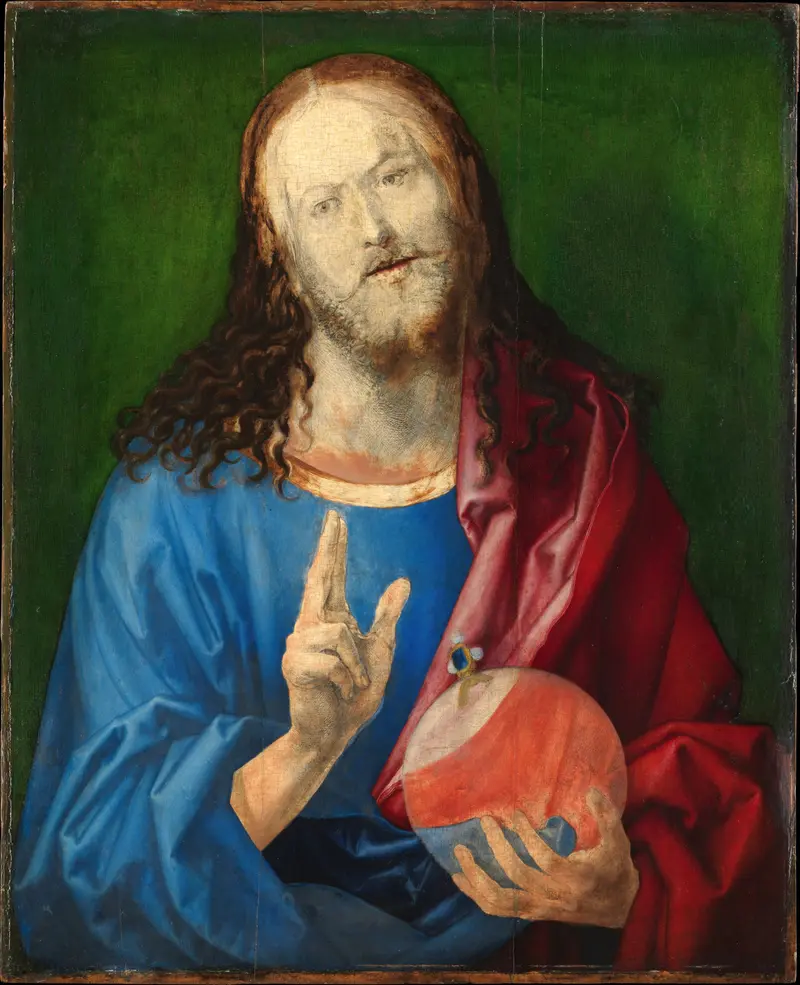
Salvator Mundi
Albrecht Dürer
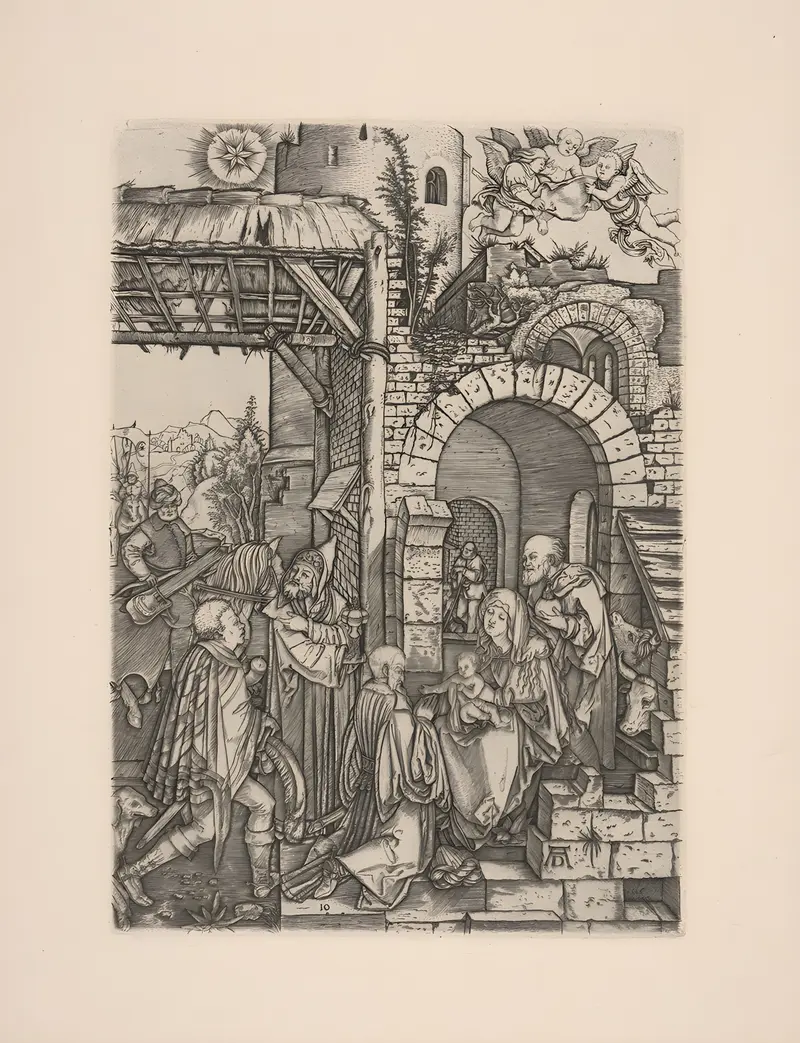
The Adoration of the Magi
Albrecht Dürer
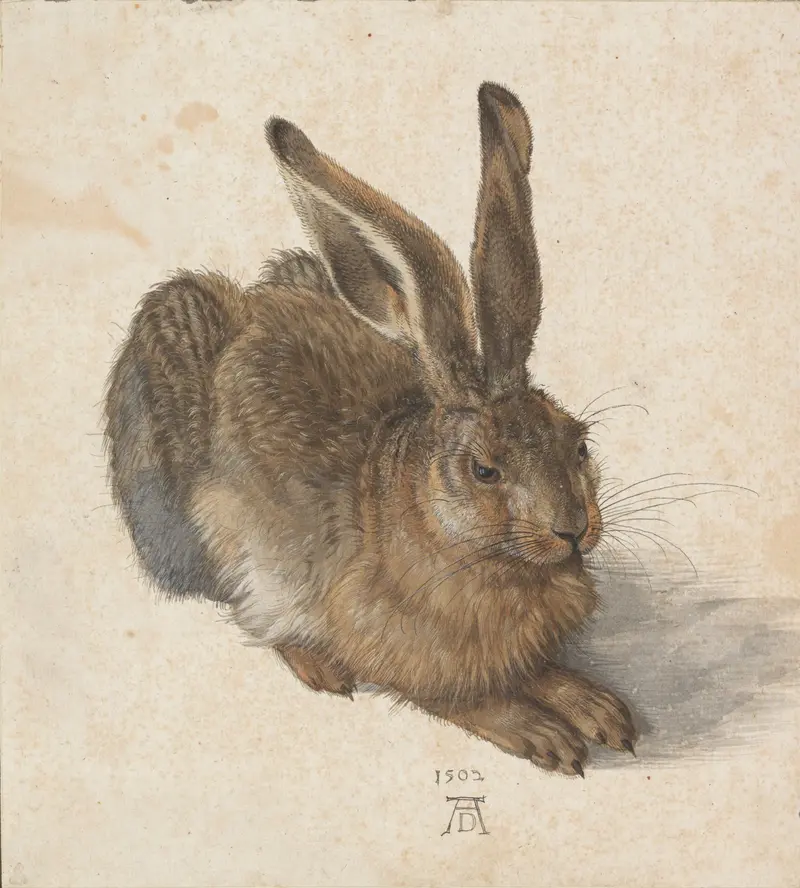
Young Hare
Albrecht Dürer
Self-portrait
Albrecht Dürer





