
Portrait of Hieronymus Holzschuher — History & Facts
The first thing that seizes the eye in this portrait is the unwavering, almost challenging gaze of the sitter, rendered with a clarity that refuses to soften or flatter. The face, ringed by a mane of silvery hair and beard, emerges from a background of cool blue, its flesh tones and fur collar glowing with a quiet intensity. Every detail—each wiry strand of hair, the subtle flush of the cheeks, the fur’s rich texture—serves to anchor the man in the here and now, as if he might speak at any moment.
The sitter’s slightly parted lips and furrowed brow hint at a mind in motion, caught between thought and utterance, while the directness of his eyes draws the viewer into a silent exchange. Light falls from the left, sculpting the features and lending weight to the sitter’s presence, while the background’s simplicity ensures nothing distracts from the force of personality before us. Painted in 1526, this work belongs to a world where portraiture was undergoing a quiet revolution. In the early sixteenth century, artists like Albrecht Dürer were redefining what it meant to capture a likeness—not merely recording faces, but conveying intellect, status, and character.
Portraits such as this were often commissioned by prosperous citizens eager to assert their place in society, their fur-trimmed garments and steady gazes speaking of dignity and self-assurance. The painting now resides in the collection of the Staatliche Museen zu Berlin, a testament to its enduring power. History has kept few traces of the sitter’s life, but the force of his presence, as imagined by Dürer, is undiminished—inviting us to look again, and meet his gaze anew.
More Artworks by Albrecht Dürer

Melancholia
Albrecht Dürer

St. George and the dragon.
Albrecht Dürer
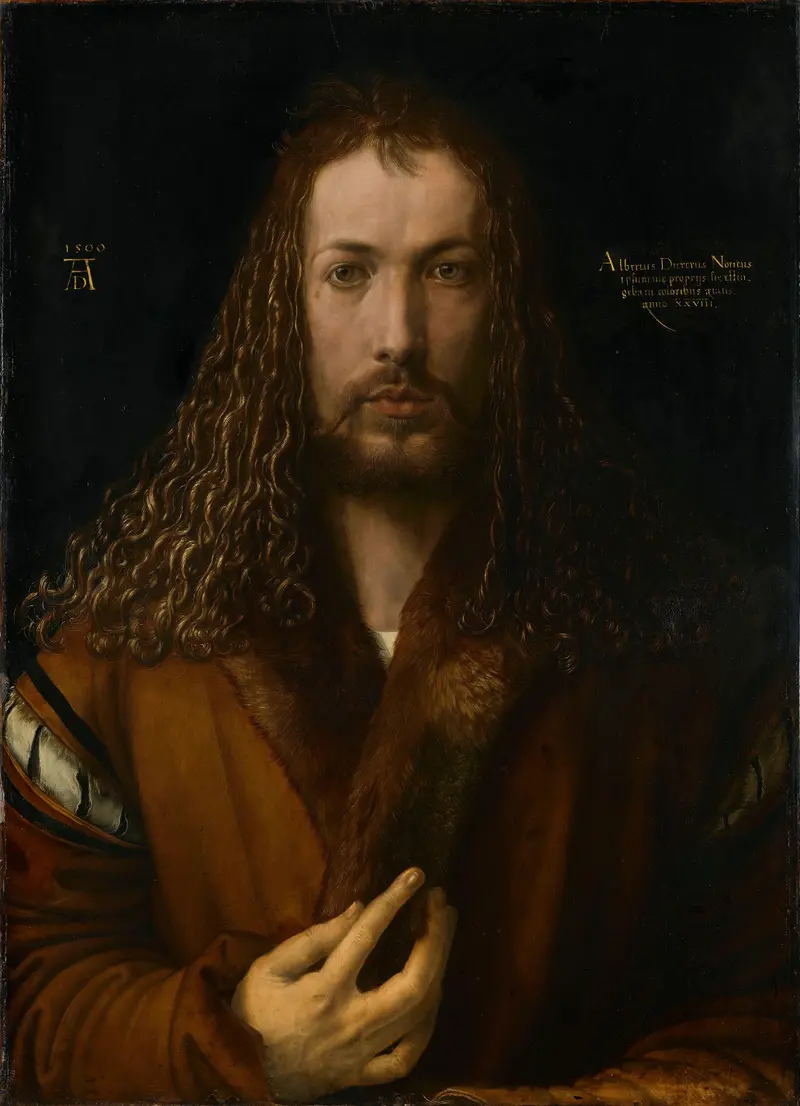
Self-Portrait with Fur-Trimmed Robe
Albrecht Dürer

Wing of a European Roller
Albrecht Dürer

Iris
Albrecht Dürer

The Great Piece of Turf
Albrecht Dürer
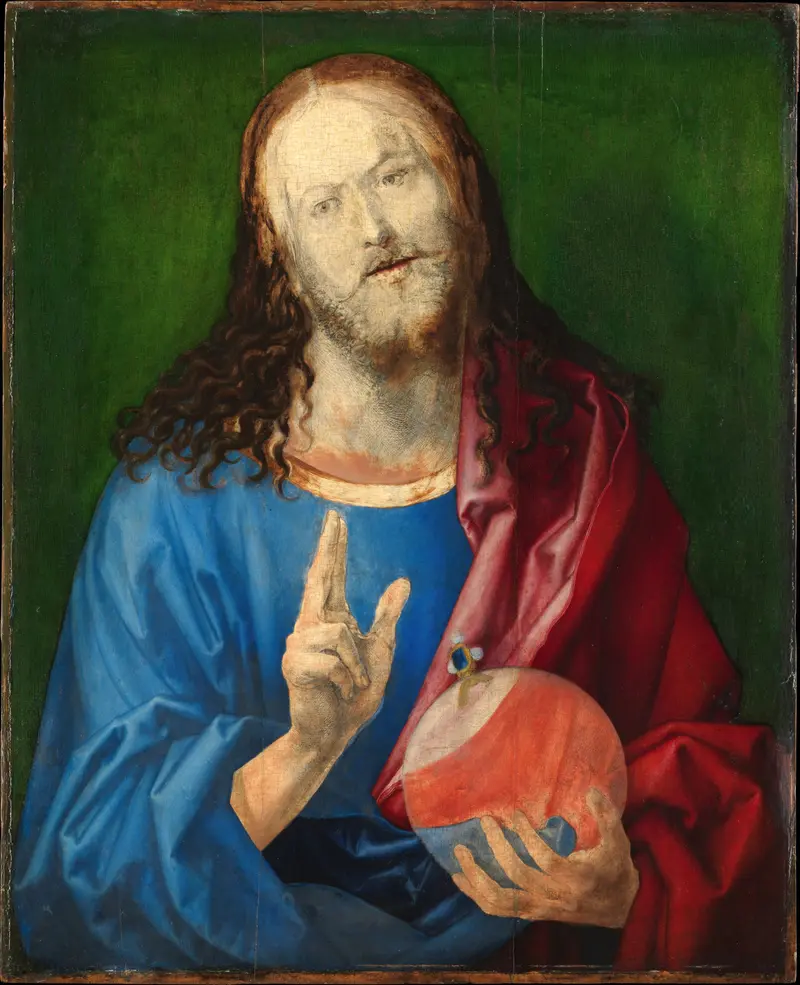
Salvator Mundi
Albrecht Dürer
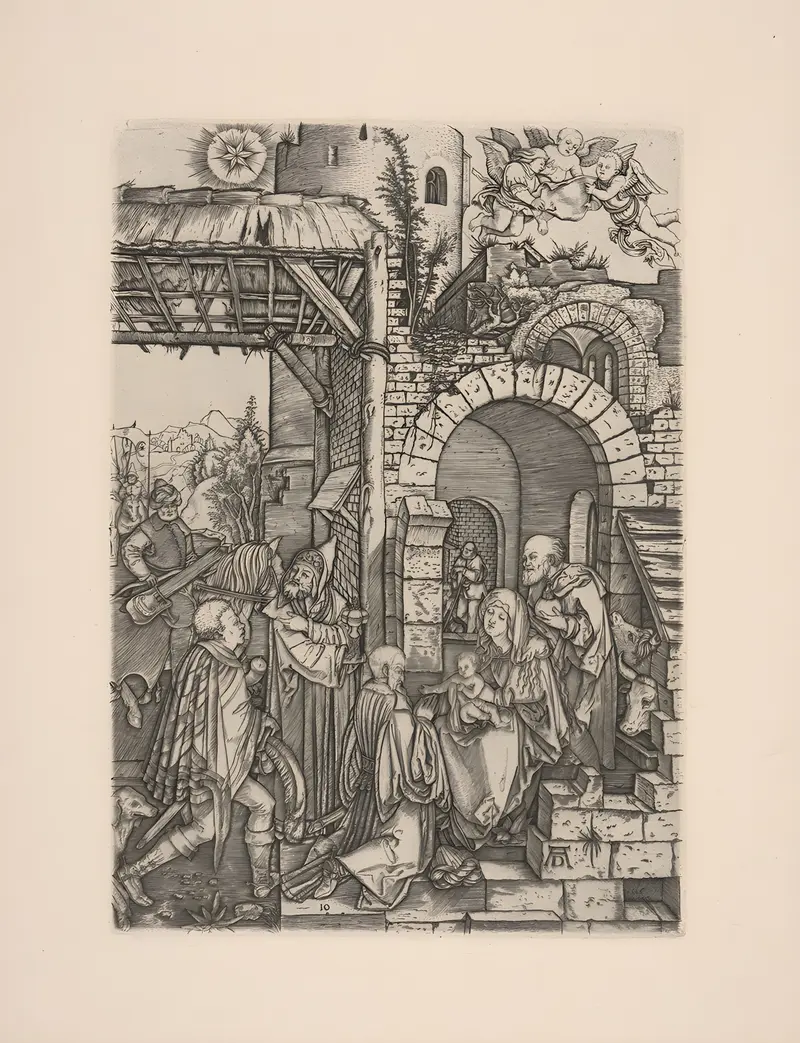
The Adoration of the Magi
Albrecht Dürer
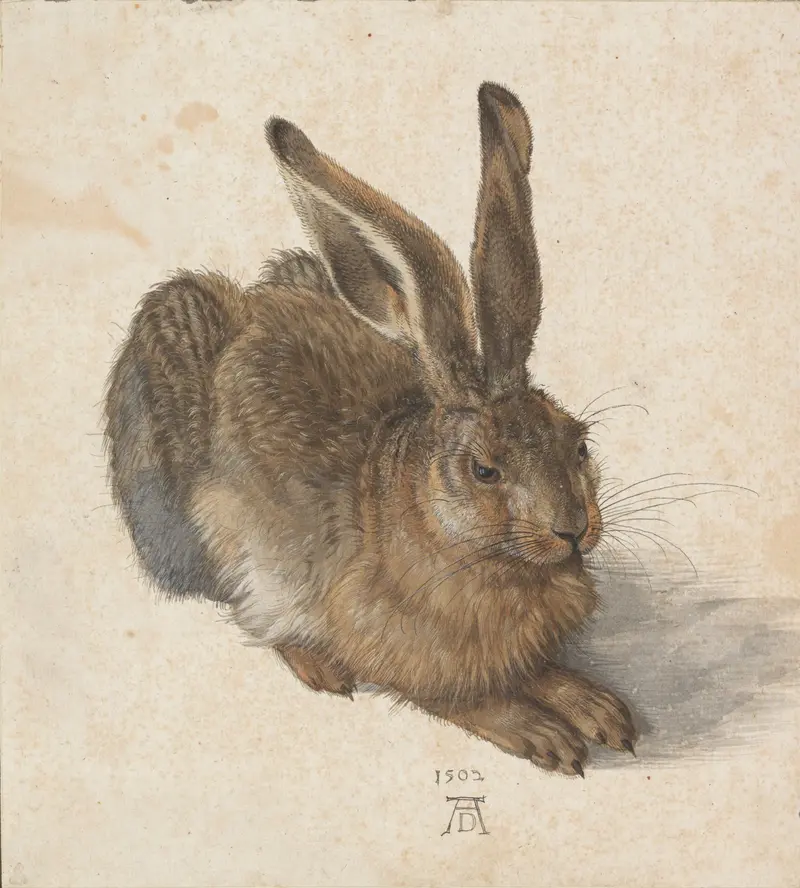
Young Hare
Albrecht Dürer
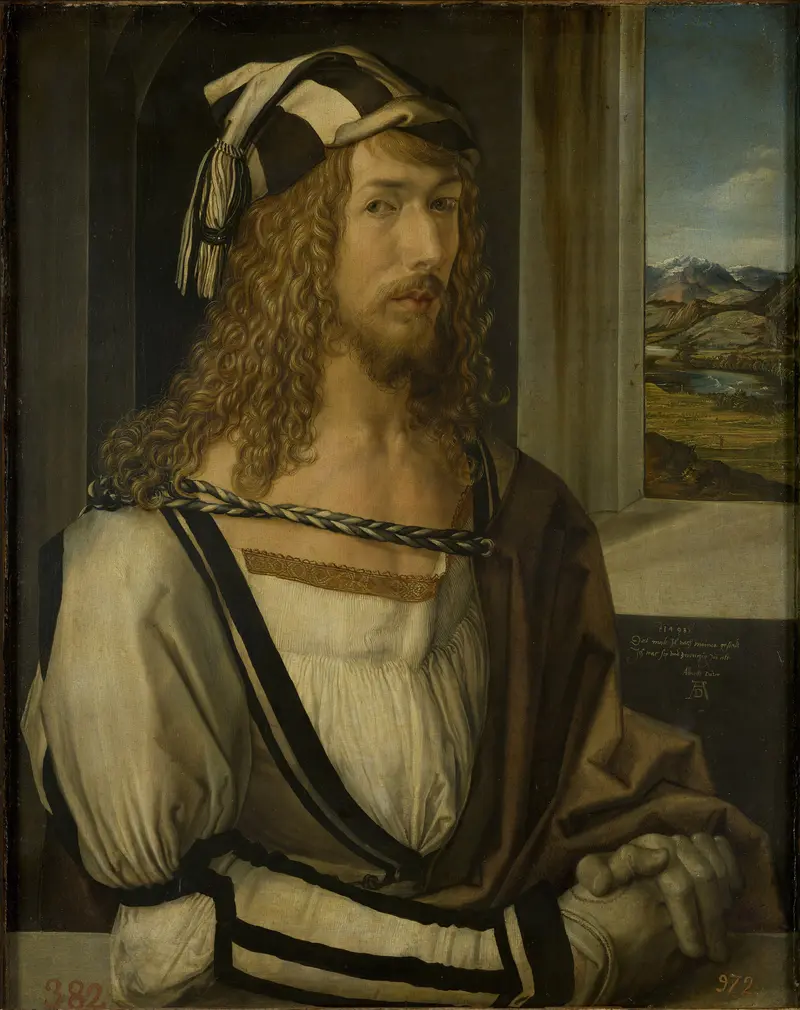
Self-portrait
Albrecht Dürer





