
Portrait of Ingeborg Gade — History & Facts
What first catches the eye in Portrait of Ingeborg Gade by Asta Nørregaard is the confident tilt of the sitter’s head, paired with a gaze that meets the viewer directly—warm, unguarded, and quietly self-assured. The pale blue hat, perched at a jaunty angle, draws the light and frames her face, while the subtle play of shadow on the wall behind gives the portrait a sense of depth and immediacy. Every detail, from the delicate blue flowers dotting her dark dress to the crisp collar fastened with a simple brooch, is chosen to highlight both individuality and poise.
The brushwork lingers on her expression, suggesting a moment of candid connection rather than stiff formality; this is a portrait that invites the viewer to wonder about the life and thoughts of its subject. Created in 1903, this work stands at the crossroads of tradition and change in Scandinavian portraiture. At the turn of the twentieth century, portraits like this one were often commissioned by families seeking to commemorate youth, status, or a rite of passage—especially among the well-connected, such as the daughter of a U.S. consul in Norway.
Asta Nørregaard was known for her sensitive approach to character, and here she captures not just a likeness but a sense of modern identity emerging within the conventions of the era. Now held by the Nasjonalmuseet for kunst, arkitektur og design, the painting quietly preserves a moment in time, inviting us to look again and imagine the world behind that steady, knowing gaze.
More Artworks by Asta Nørregaard

Interior with Harp
Asta Nørregaard
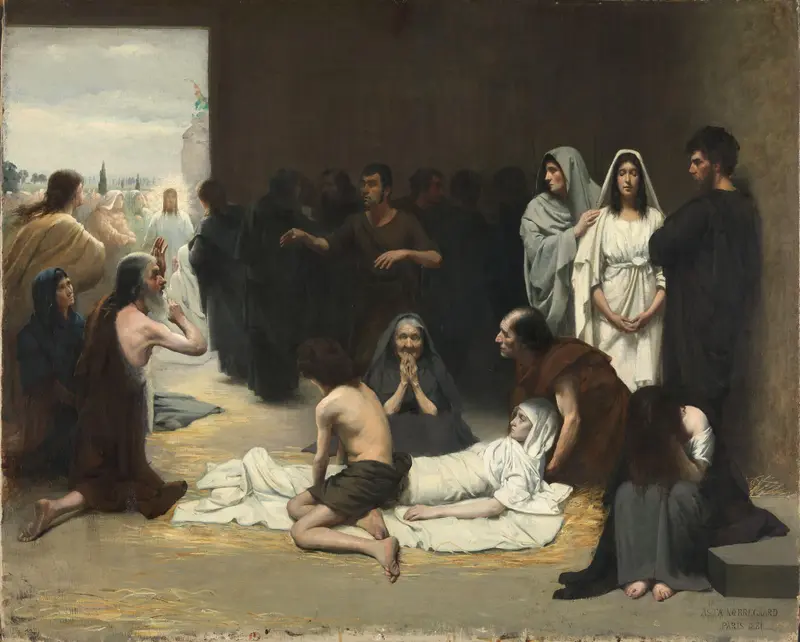
Waiting for Christ
Asta Nørregaard
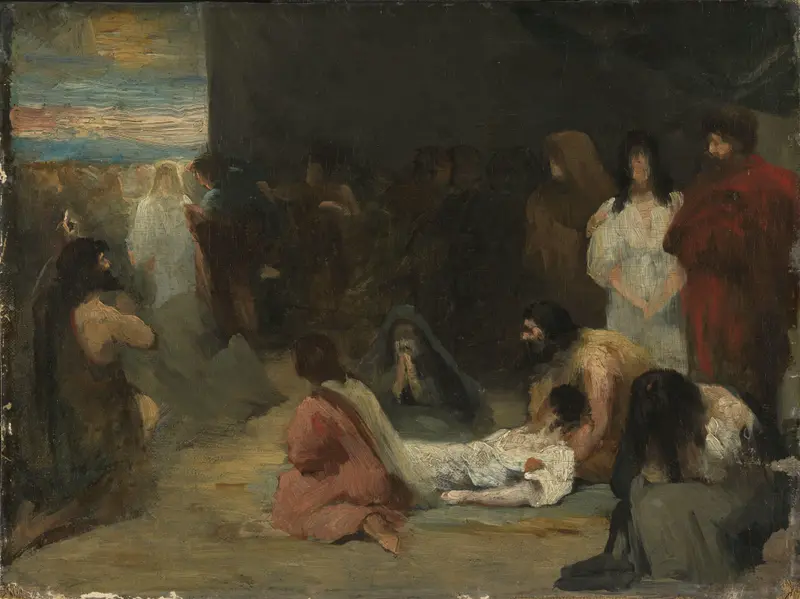
Kristus kommer
Asta Nørregaard
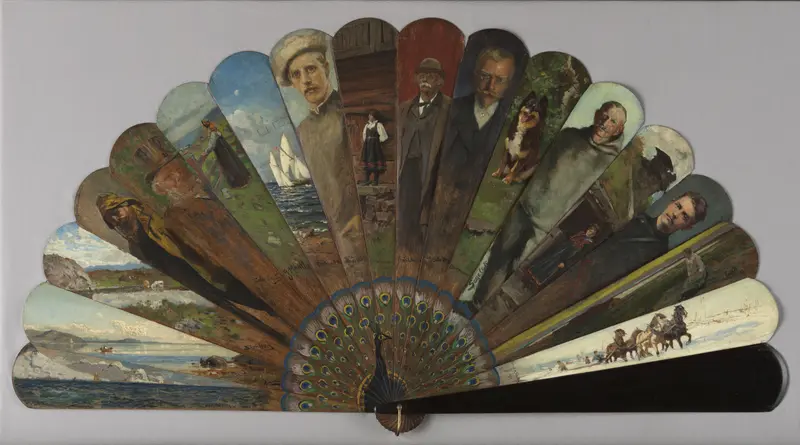
Kunstnerviften
Asta Nørregaard
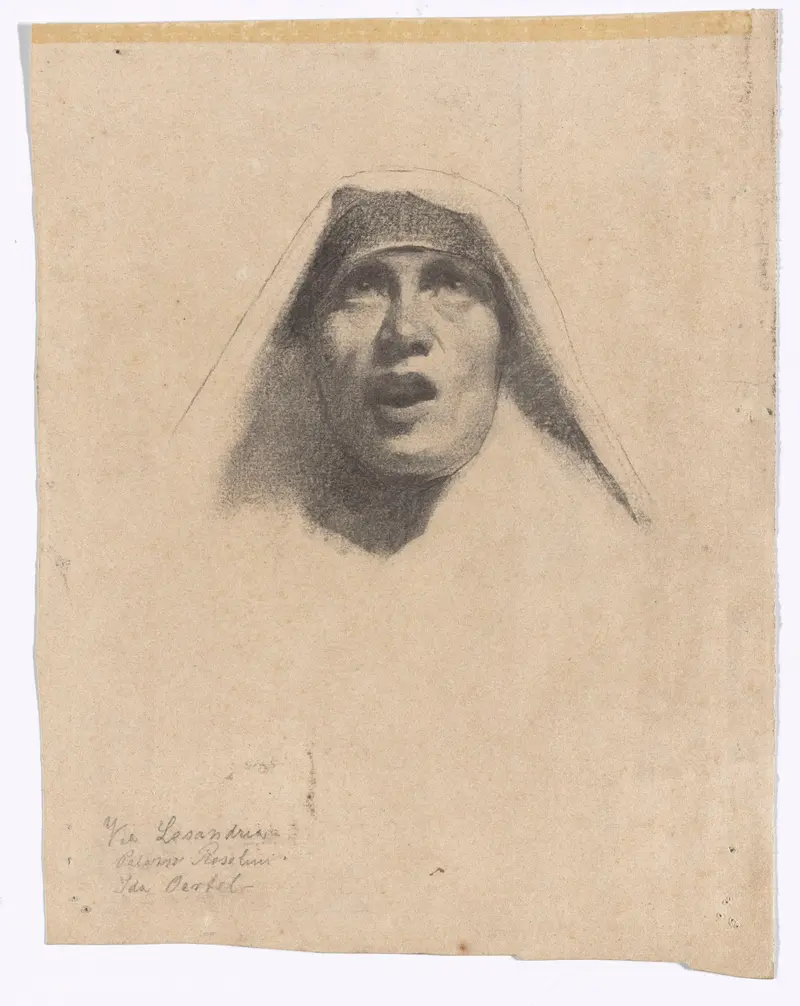
Nun
Asta Nørregaard
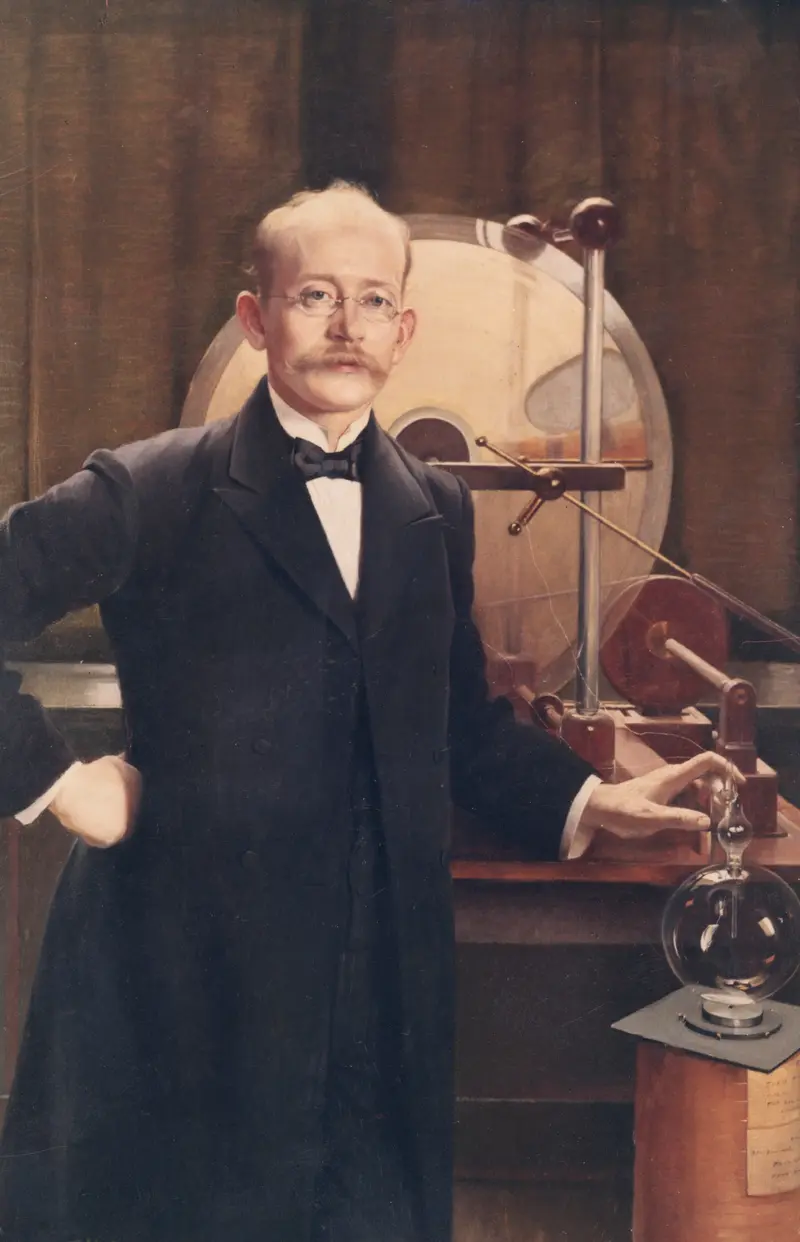
Portrait of Kristian Birkeland, Norwegian scientist and industrialist
Asta Nørregaard
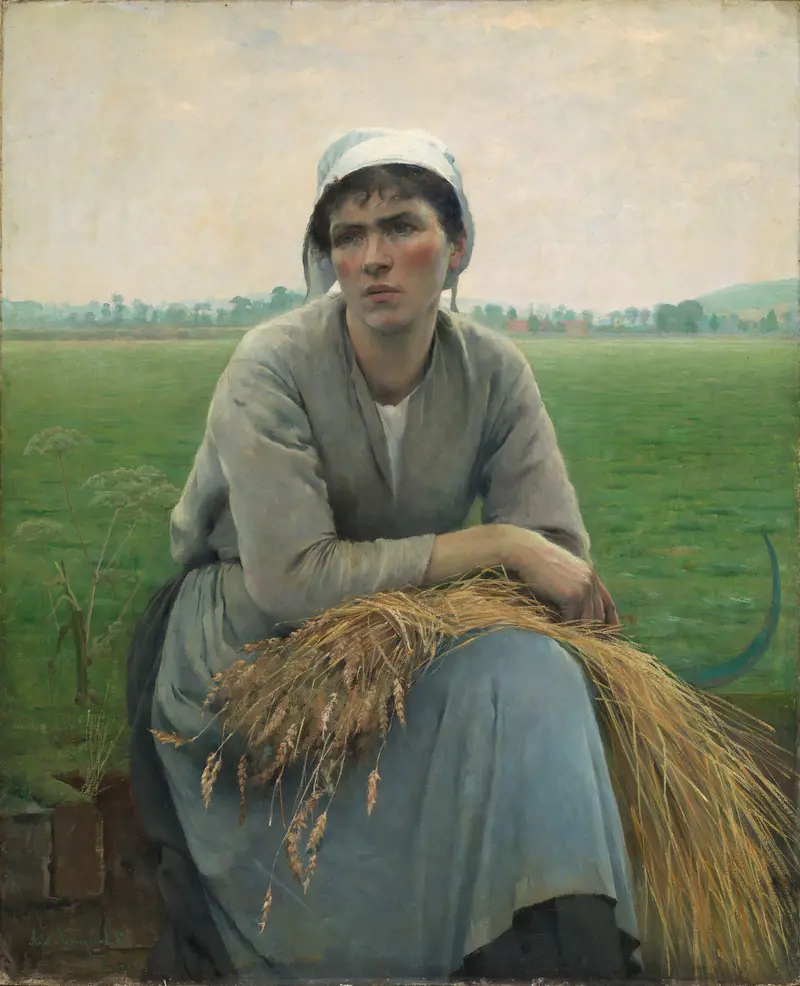
Peasant Woman from Normandy
Asta Nørregaard
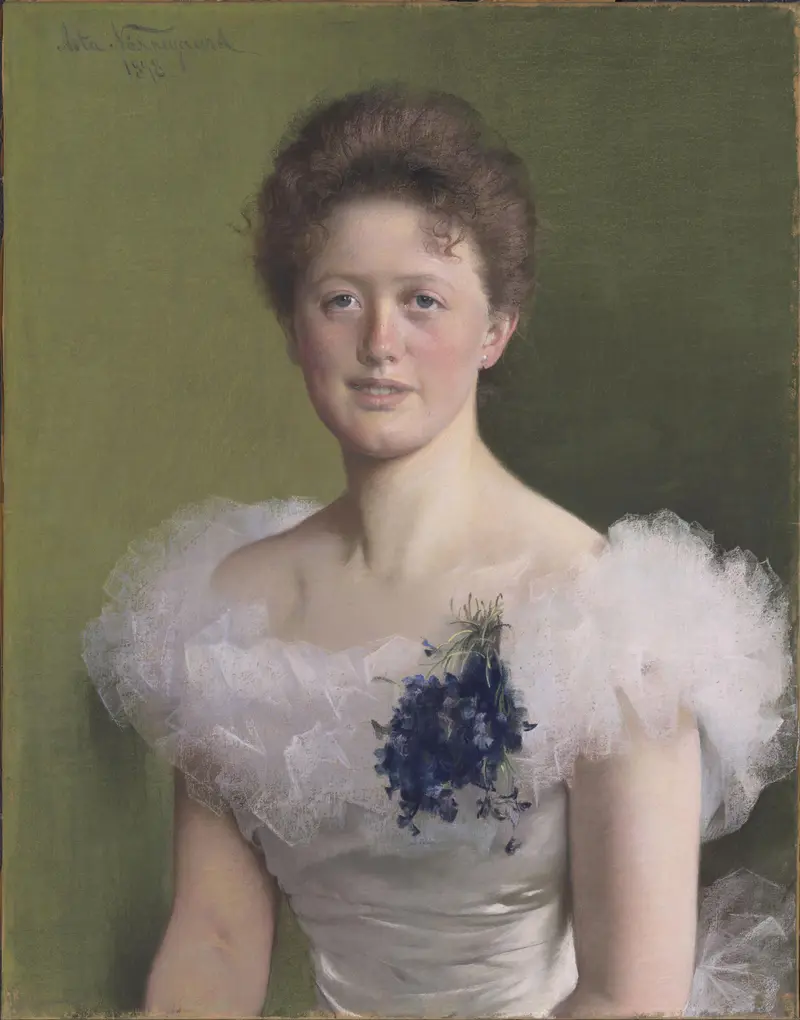
Portrett av Benedikte Sophie Kaltenborn
Asta Nørregaard
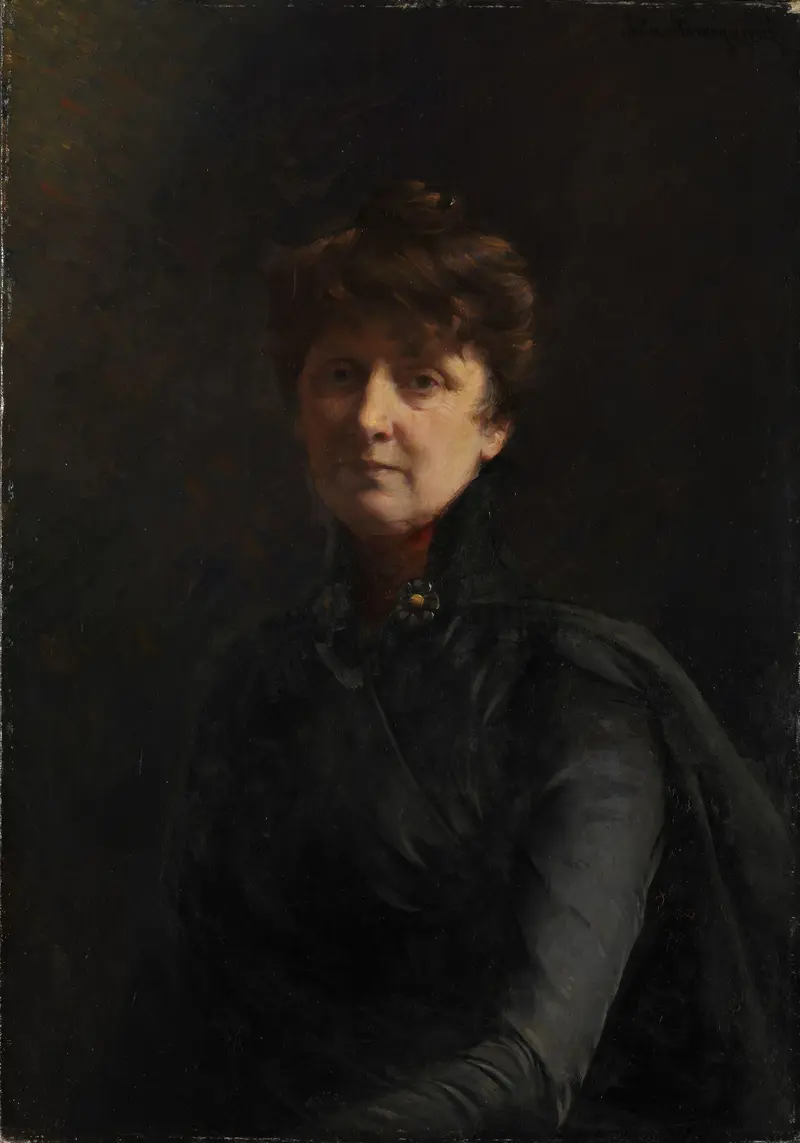
Selvportrett
Asta Nørregaard
Christmas Night Mass celebrated in a French Nunnery
Asta Nørregaard





