
Portrett av Benedikte Sophie Kaltenborn — History & Facts
What first holds the eye here is the almost startling candor of the sitter’s gaze—direct, unguarded, and softened only by the faintest trace of a smile. Against a muted olive background, the young woman emerges in a haze of white tulle, her bare shoulders framed by the delicate play of light on translucent fabric. The blue-violet cluster of flowers pinned to her bodice anchors the composition, drawing the viewer’s attention to the subtle contrast between the rich color and the pale, luminous skin.
Every detail, from the gentle flush in her cheeks to the careful rendering of lace, speaks to a moment of poised self-possession, as if she has paused just long enough for us to catch her in the act of becoming herself. Painted in 1898 by Asta Nørregaard, this portrait belongs to a world on the cusp of modernity, when the conventions of society portraiture still held sway but new sensibilities were quietly emerging. Such works were often commissioned to mark transitions—coming of age, engagement, or the assertion of social standing—each brushstroke a record of both personal and public identity. The sitter’s dress, with its fashionable cut and airy textures, signals her place in the upper echelons of late nineteenth-century Norwegian society, while the artist’s careful attention to individuality hints at a growing interest in psychological presence over mere likeness.
Now in the collection of the Nasjonalmuseet for kunst, arkitektur og design, the painting invites us to linger, searching the sitter’s expression for the story behind her steady gaze.
More Artworks by Asta Nørregaard

Interior with Harp
Asta Nørregaard
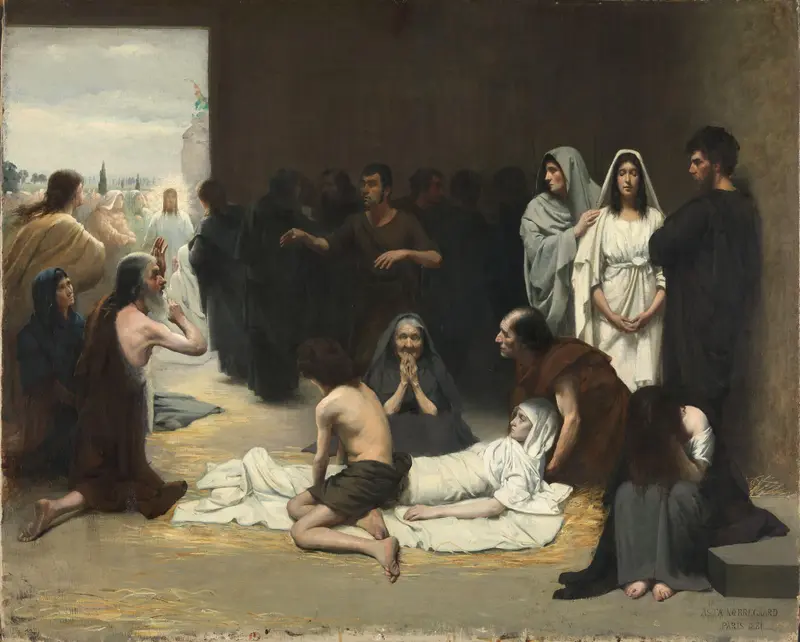
Waiting for Christ
Asta Nørregaard
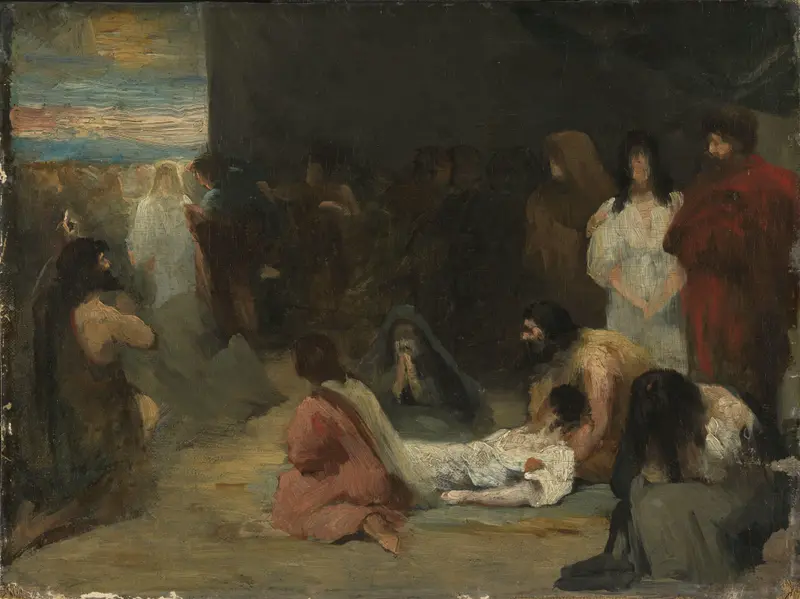
Kristus kommer
Asta Nørregaard
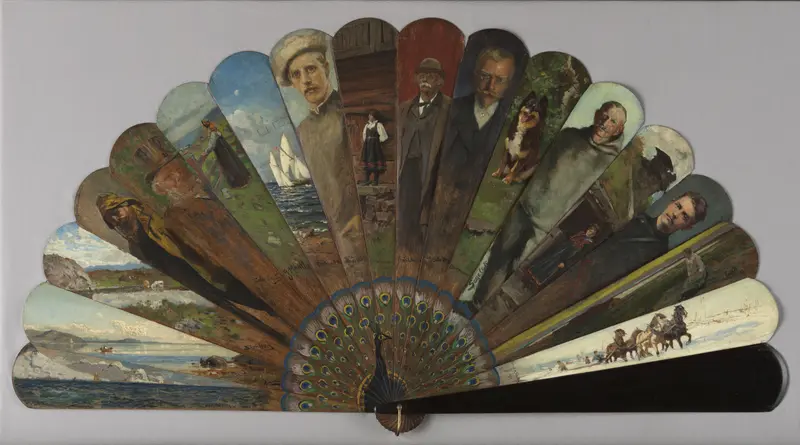
Kunstnerviften
Asta Nørregaard
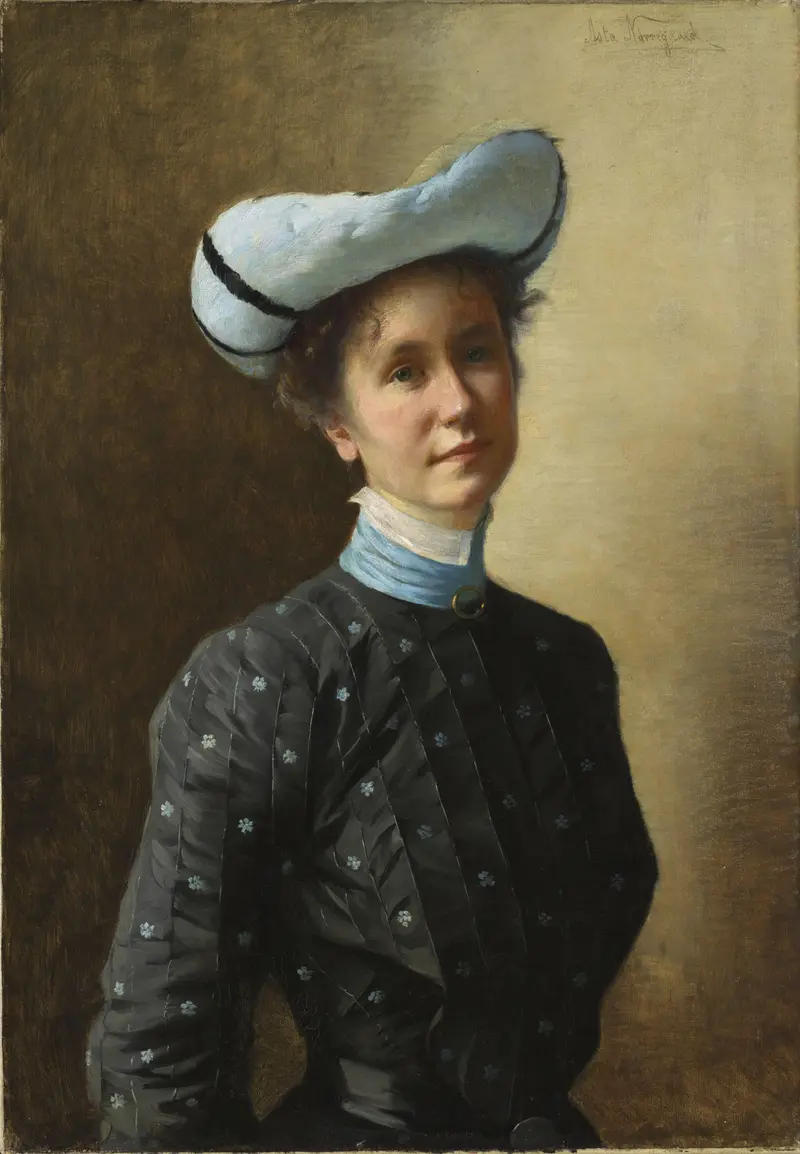
Portrait of Ingeborg Gade
Asta Nørregaard
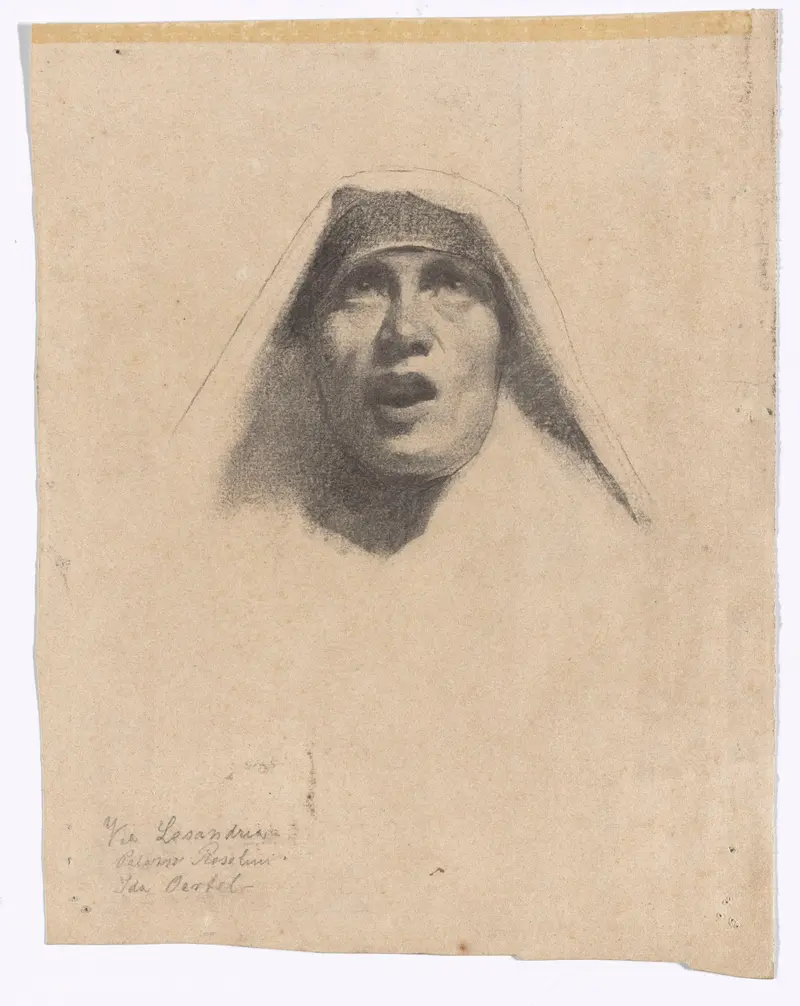
Nun
Asta Nørregaard
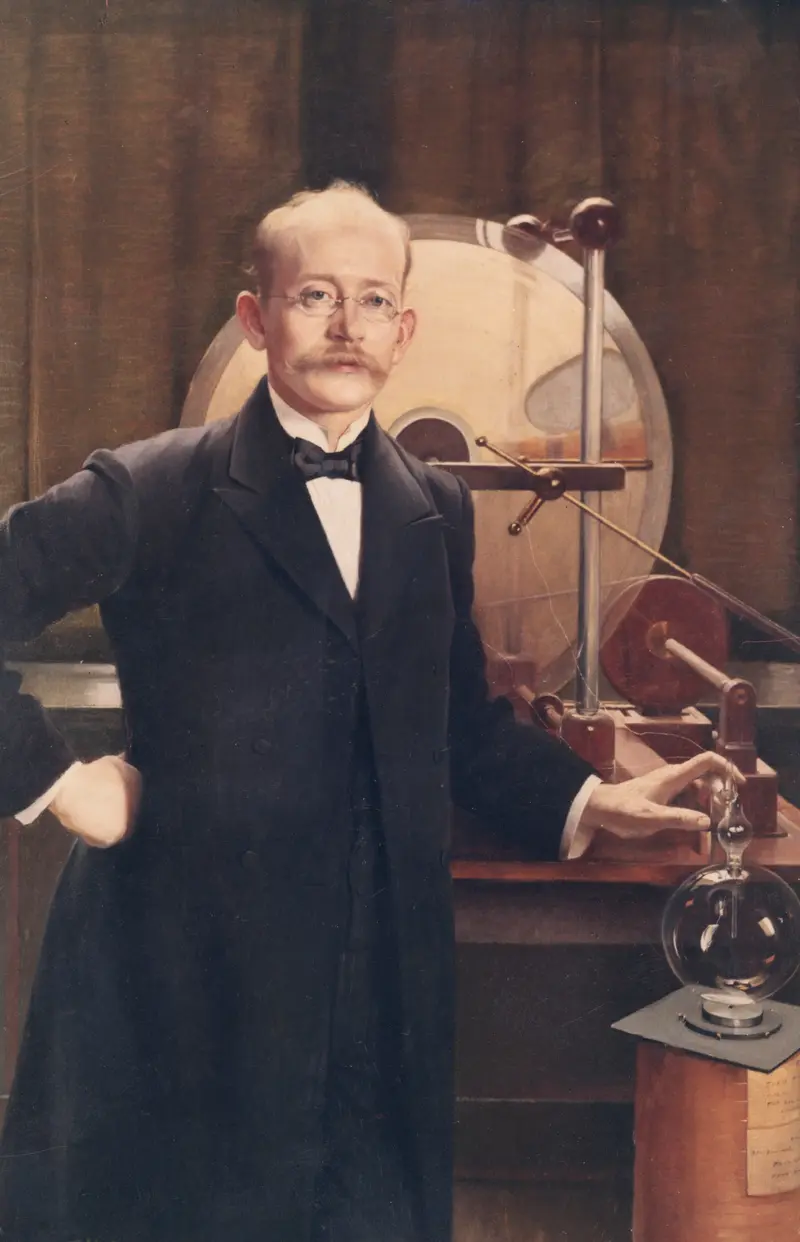
Portrait of Kristian Birkeland, Norwegian scientist and industrialist
Asta Nørregaard
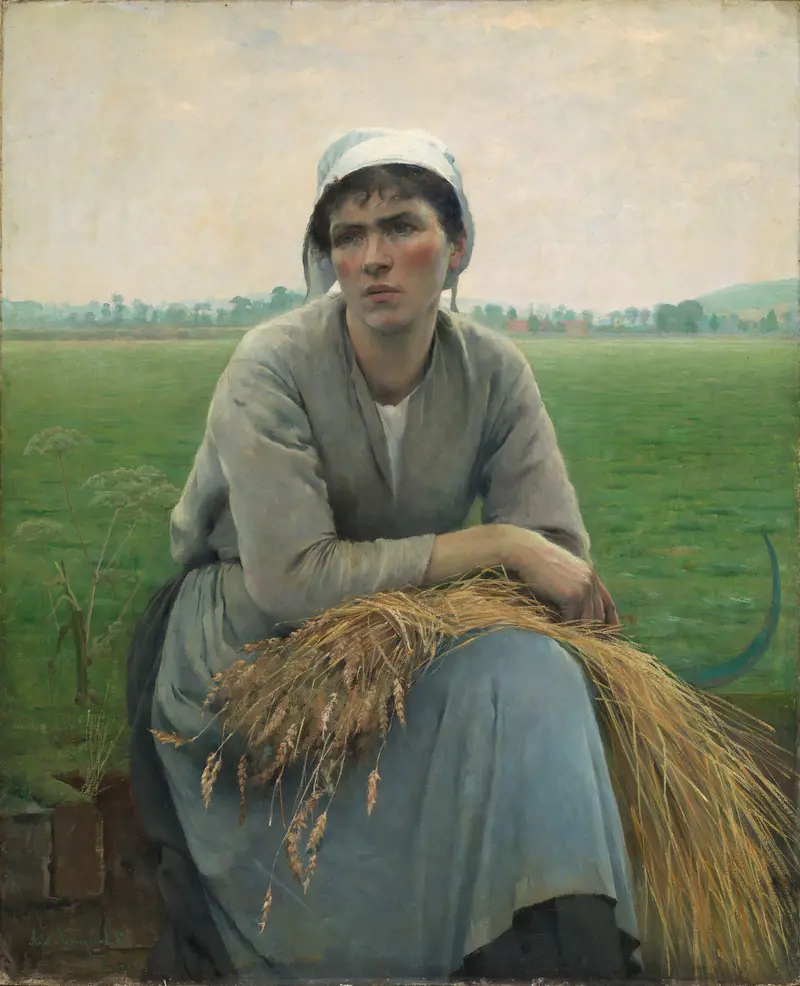
Peasant Woman from Normandy
Asta Nørregaard
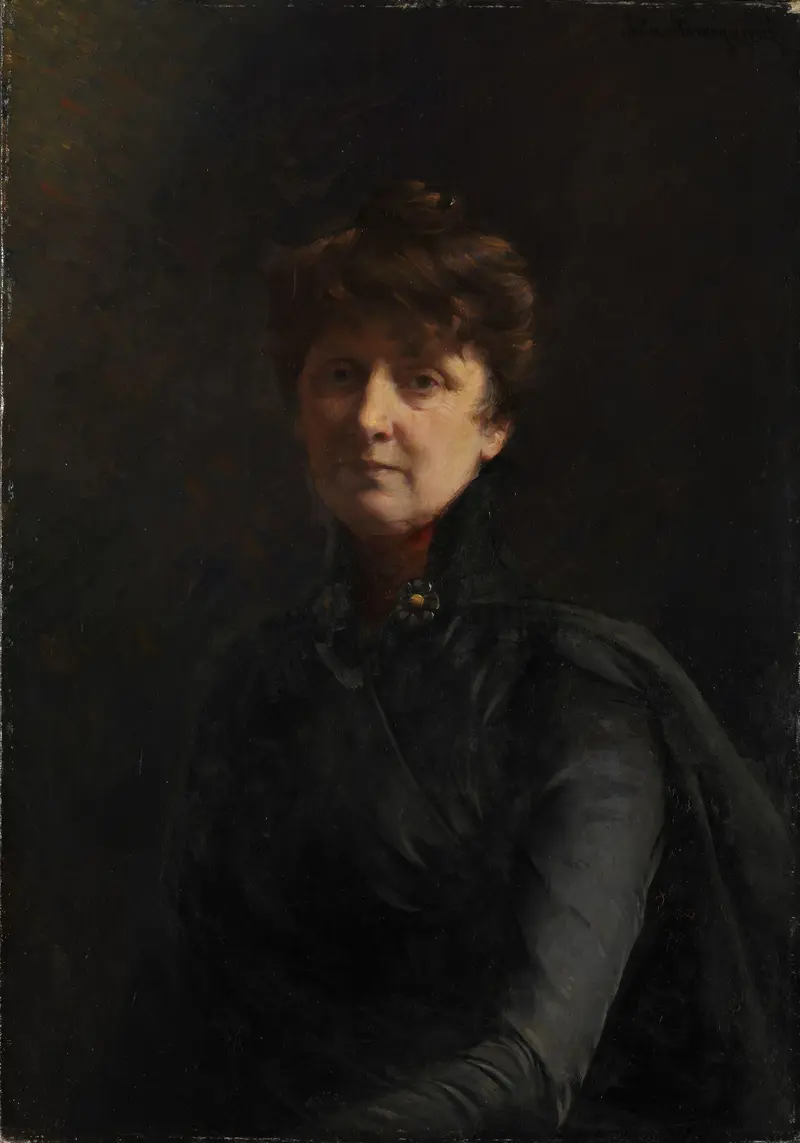
Selvportrett
Asta Nørregaard
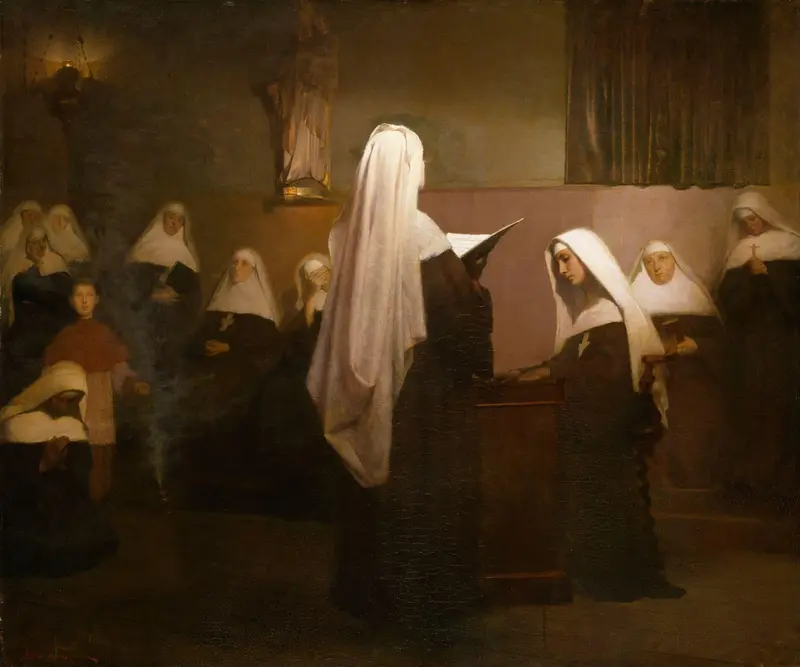
Christmas Night Mass celebrated in a French Nunnery
Asta Nørregaard





