
Portrait of Jakob Fugger the Rich — History & Facts
What first catches the eye in this portrait is the intense, almost calculating gaze that seems to measure the viewer as much as the viewer measures him. The sitter’s features are rendered with a clarity that borders on the forensic: every line and shadow in his face is purposeful, pulling us into a silent conversation about power, wealth, and vigilance. The rich brown of his fur collar, set against a stark blue background, frames his head with a sense of gravity and distinction, while the plainness of his cap and shirt suggest a man whose authority is not merely decorative.
The light, falling from the left, carves out the planes of his face and gives the illusion that he might step forward at any moment, breaking the stillness. Works like this, created in the early sixteenth century, were often commissioned by those who had risen to prominence in the rapidly changing world of Renaissance Europe. Portraits became tools of legacy, meant to project stability, intellect, and social standing to both contemporaries and posterity. Painted around 1519, this image belongs to a period when artists such as Albrecht Dürer were revolutionizing the portrait genre, bringing psychological realism and individuality to the fore.
While the details of this particular painting’s journey through history are not well documented, its presence in a collection like The Yorck Project’s 10.000 Meisterwerke der Malerei signals its enduring fascination. The directness of the sitter’s gaze invites us to wonder what calculations or ambitions might have been at work behind those watchful eyes.
More Artworks by Albrecht Dürer

Melancholia
Albrecht Dürer

St. George and the dragon.
Albrecht Dürer
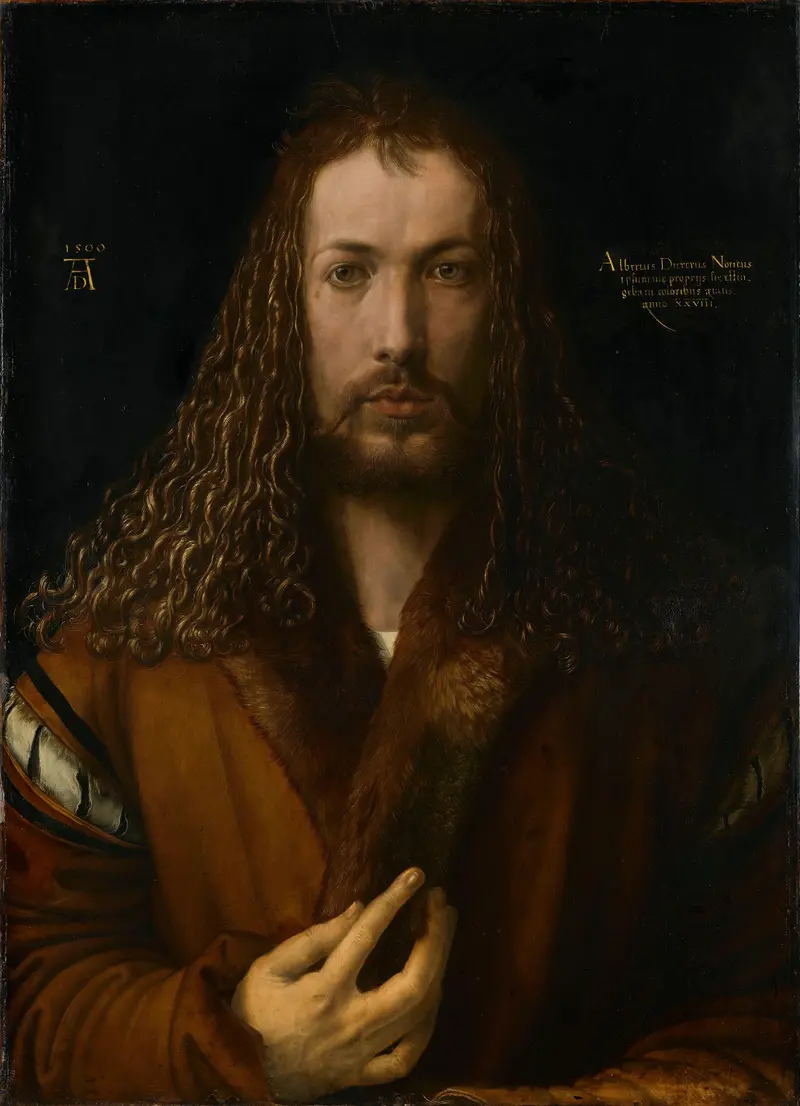
Self-Portrait with Fur-Trimmed Robe
Albrecht Dürer

Wing of a European Roller
Albrecht Dürer
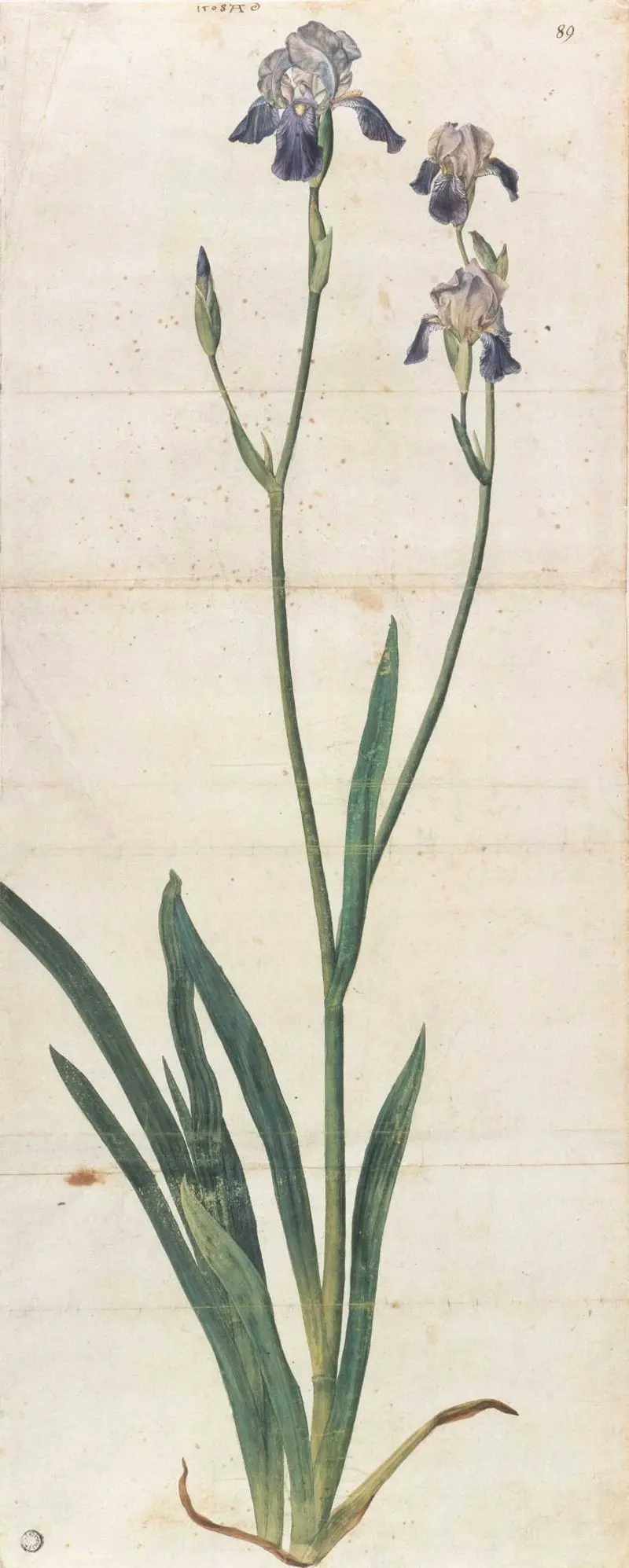
Iris
Albrecht Dürer
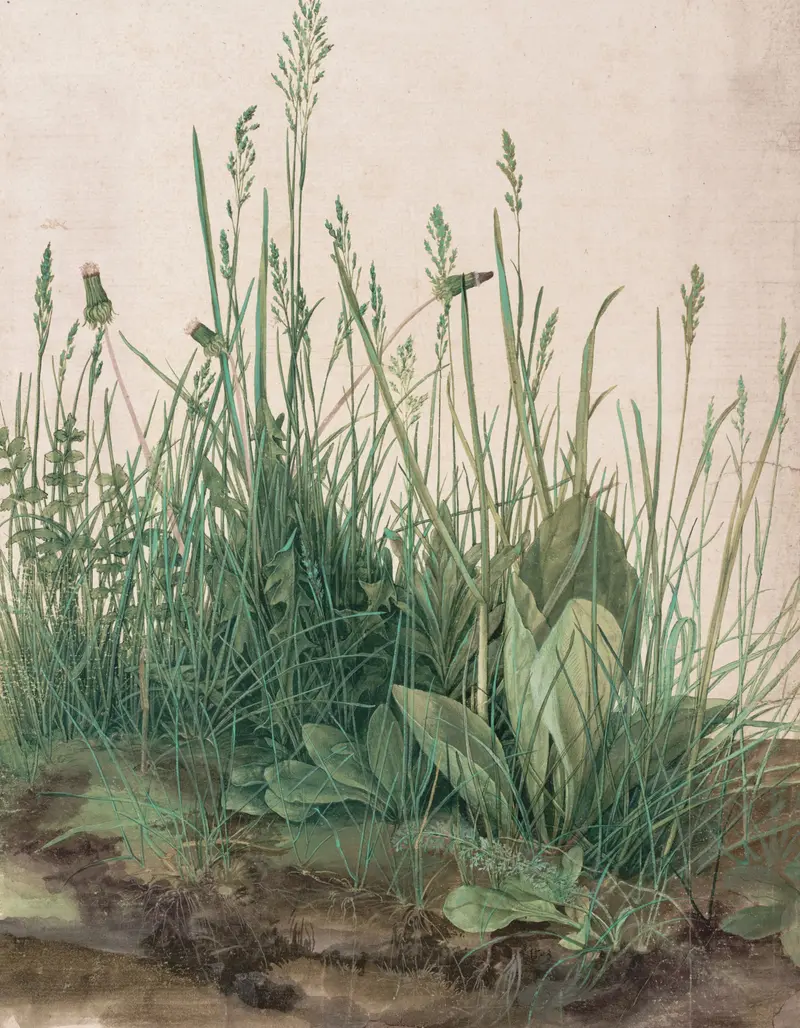
The Great Piece of Turf
Albrecht Dürer
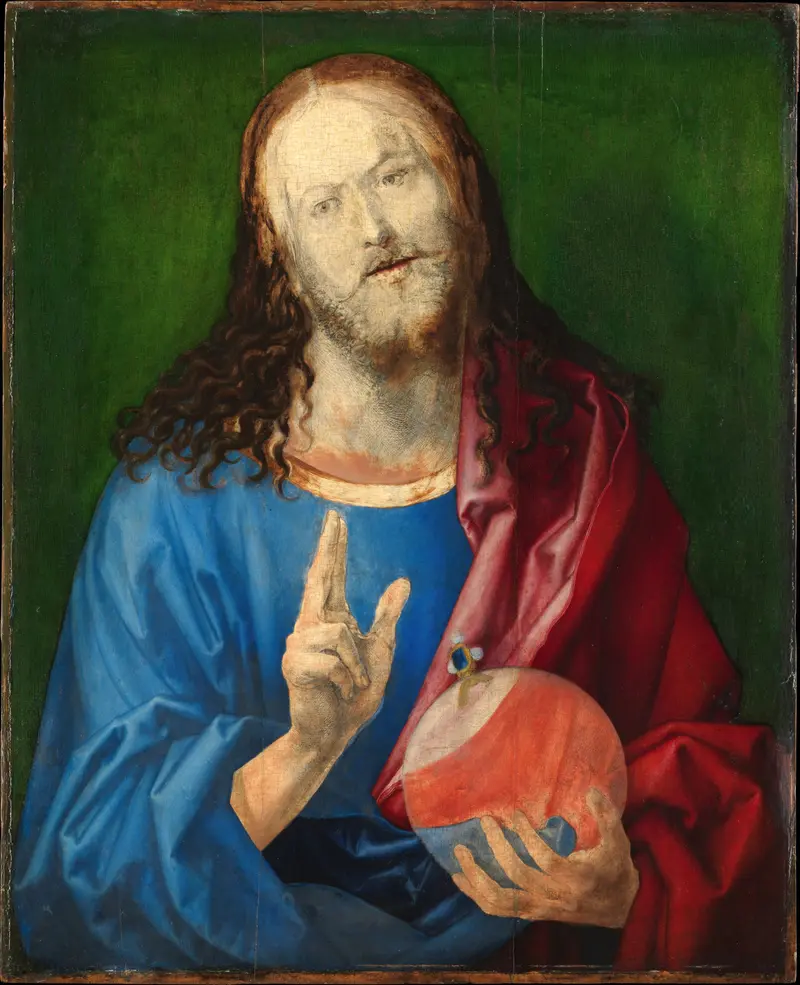
Salvator Mundi
Albrecht Dürer
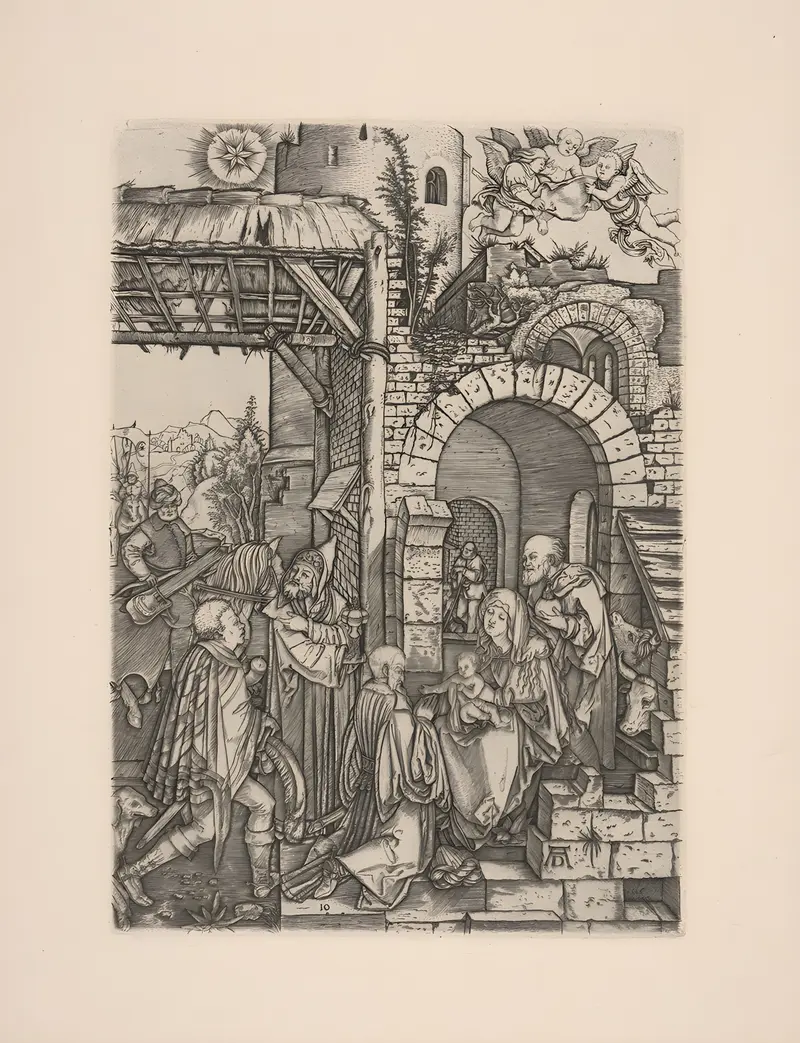
The Adoration of the Magi
Albrecht Dürer
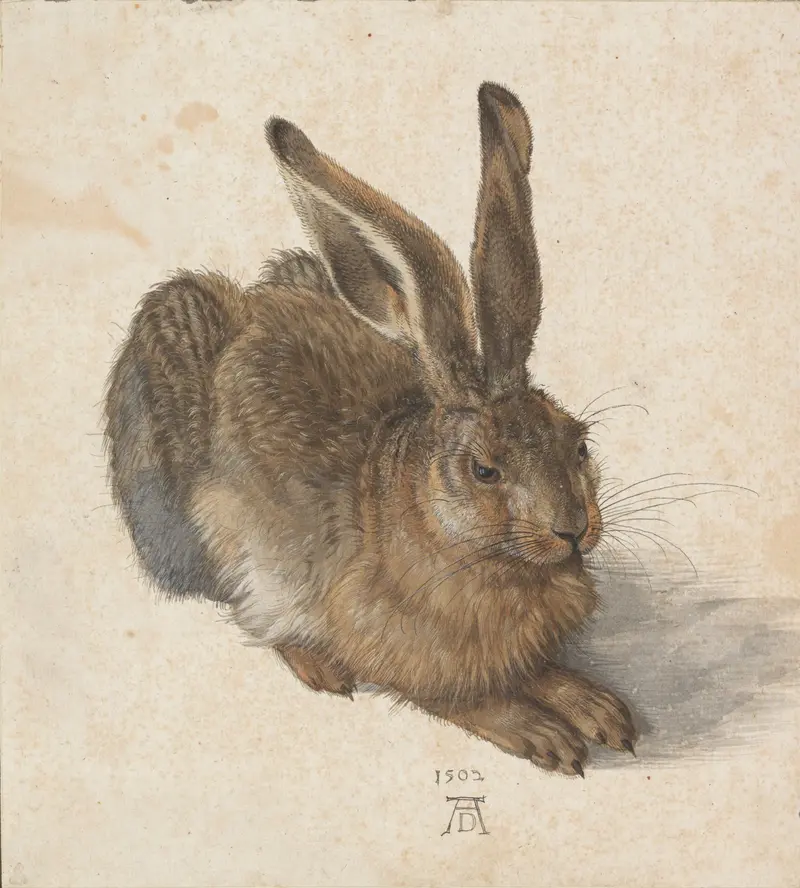
Young Hare
Albrecht Dürer
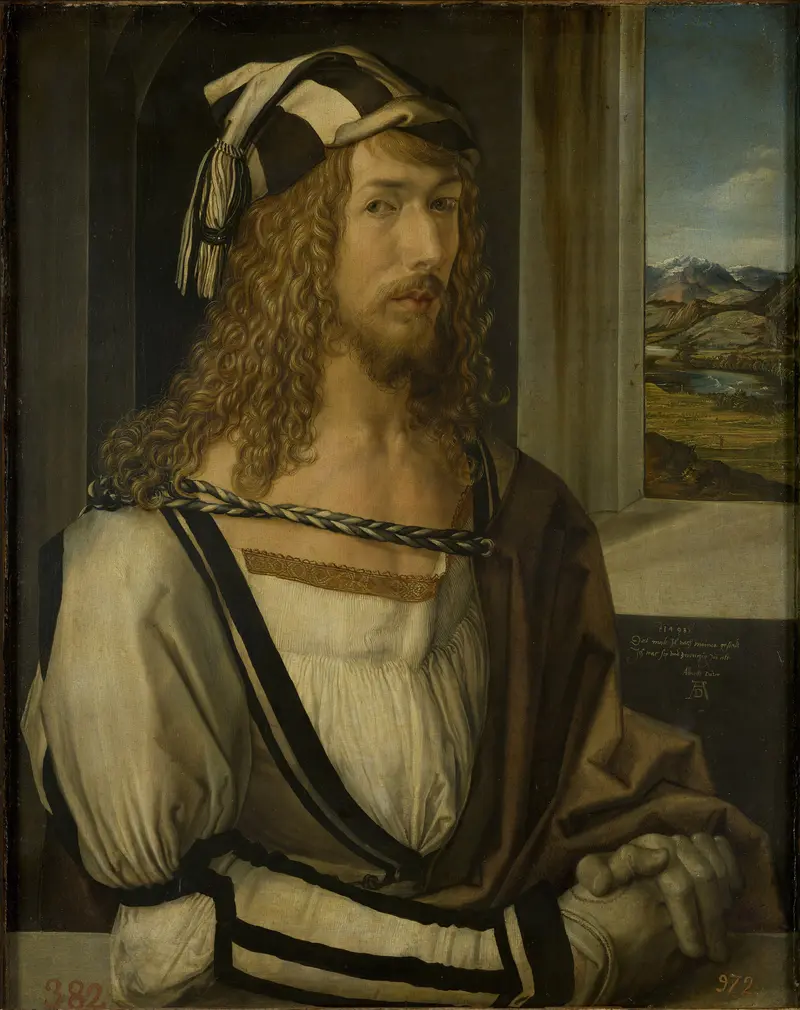
Self-portrait
Albrecht Dürer





