
Portrait of Johan Versijden Iz. — History & Facts
What draws the eye first is the direct, almost unblinking gaze of the sitter, framed by a mane of carefully curled hair and the subtle gleam of gold embroidery at his shoulder. In Portrait of Johan Versijden Iz., Adriaen van der Werff chooses intimacy over grandeur, bringing the viewer close enough to study the sitter’s flushed cheeks and the delicate lace at his throat. The oval format intensifies this effect, cropping away distractions and focusing all attention on the weight and presence of the man himself.
Light falls from the left, catching the sheen of fabric and the moistness of the skin, while the deep shadows around the face lend a quiet gravity. This is a portrait that asks us not only to look, but to consider what it means to be seen. Painted in the last decade of the seventeenth century, this work belongs to a period when Dutch portraiture was shifting from the sober restraint of the Golden Age to a more polished, courtly style. Artists like van der Werff were in demand among wealthy burghers and ambitious officials eager to display their status through refined likenesses.
The careful attention to costume and the sitter’s self-possessed expression speak to a world where image and reputation were closely intertwined. Now housed in the Museum Boijmans Van Beuningen, this portrait survives as a testament to both the ambitions of its era and the enduring fascination of a human face meeting our gaze across the centuries.
More Artworks by Adriaen van der Werff

Descent from the Cross
Adriaen van der Werff
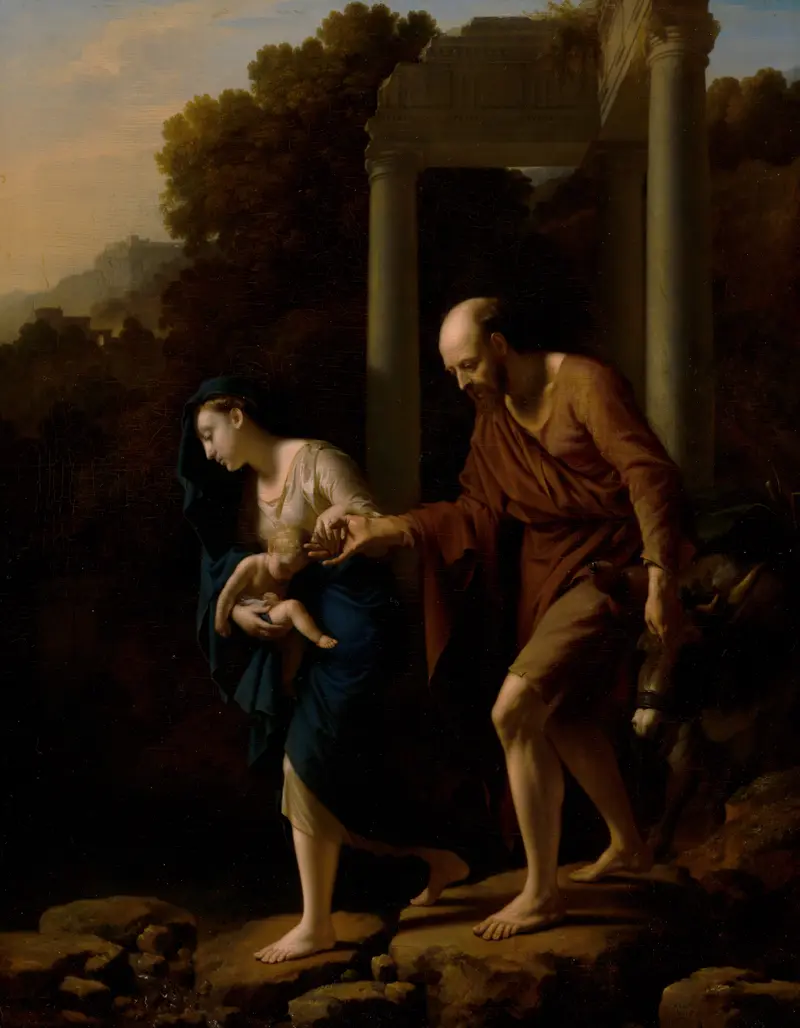
The Flight into Egypt
Adriaen van der Werff
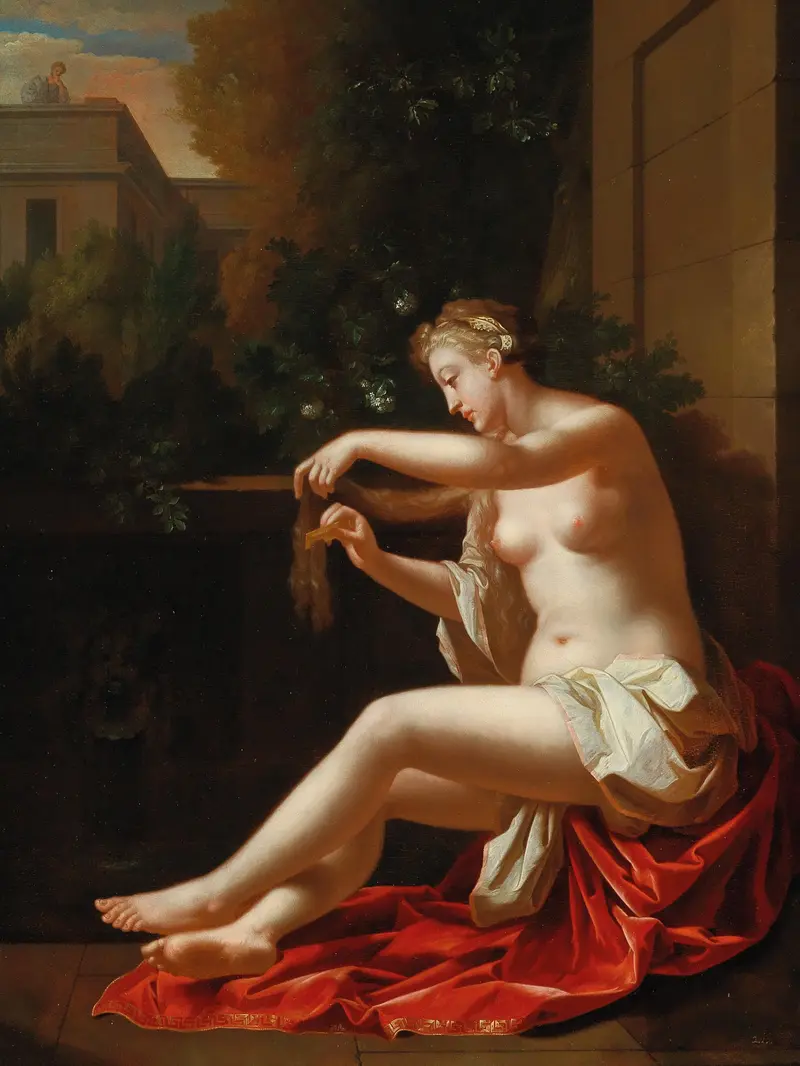
Bathsheba
Adriaen van der Werff
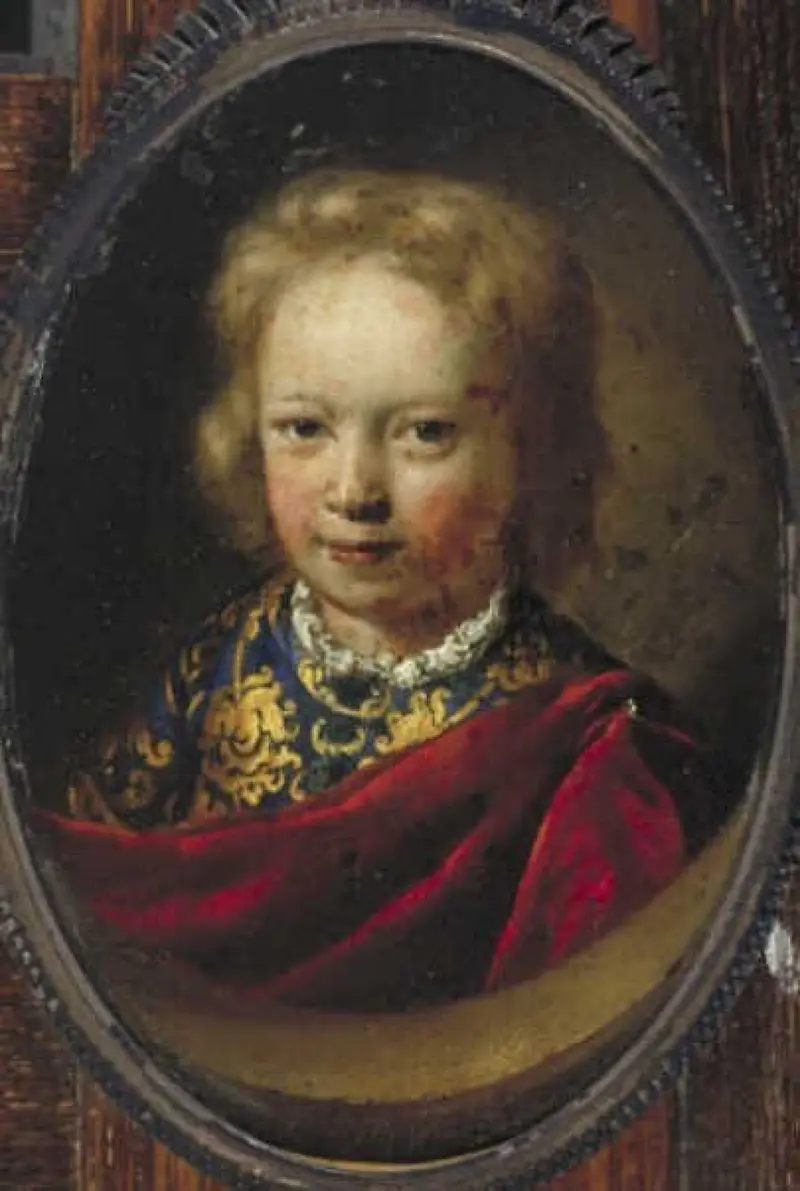
Portrait of Johan Versijden de Jonge
Adriaen van der Werff
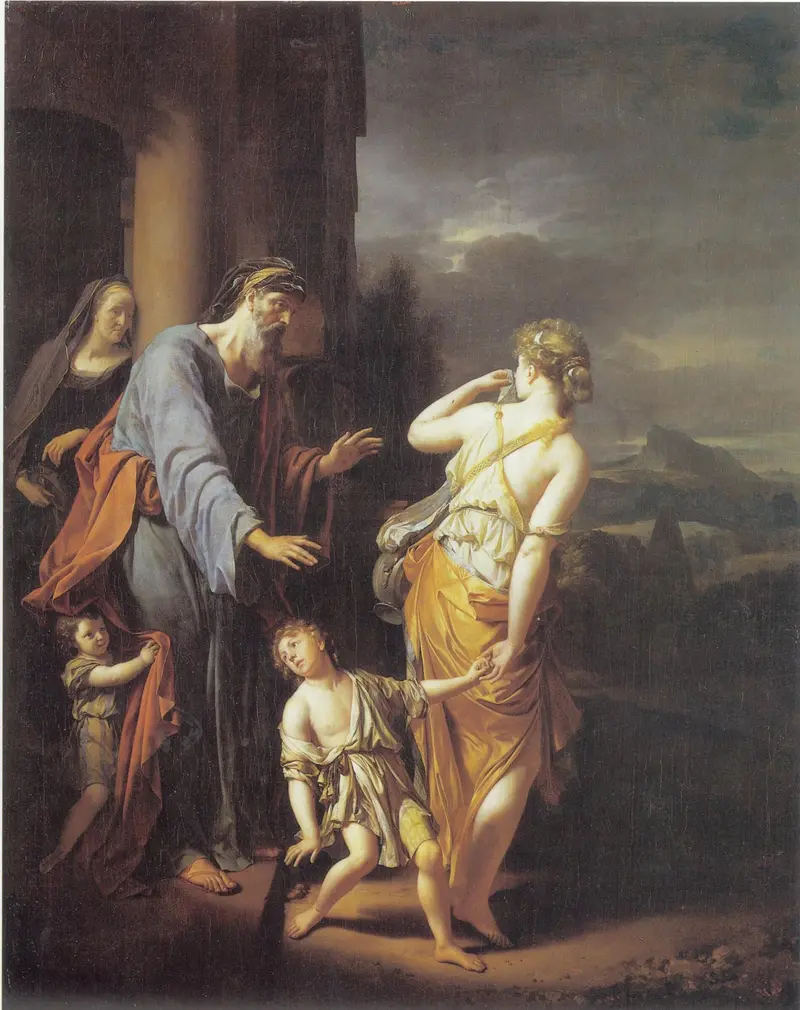
The Banishment of Hagar
Adriaen van der Werff
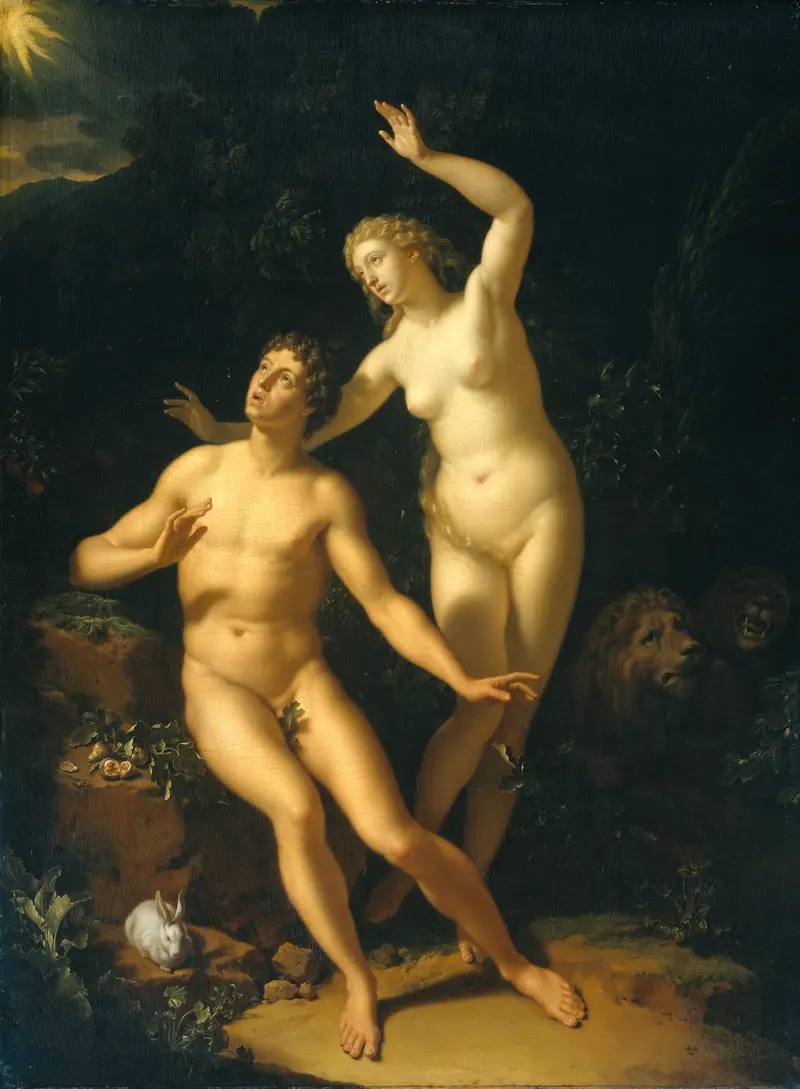
God Holds Adam and Eve Responsible
Adriaen van der Werff
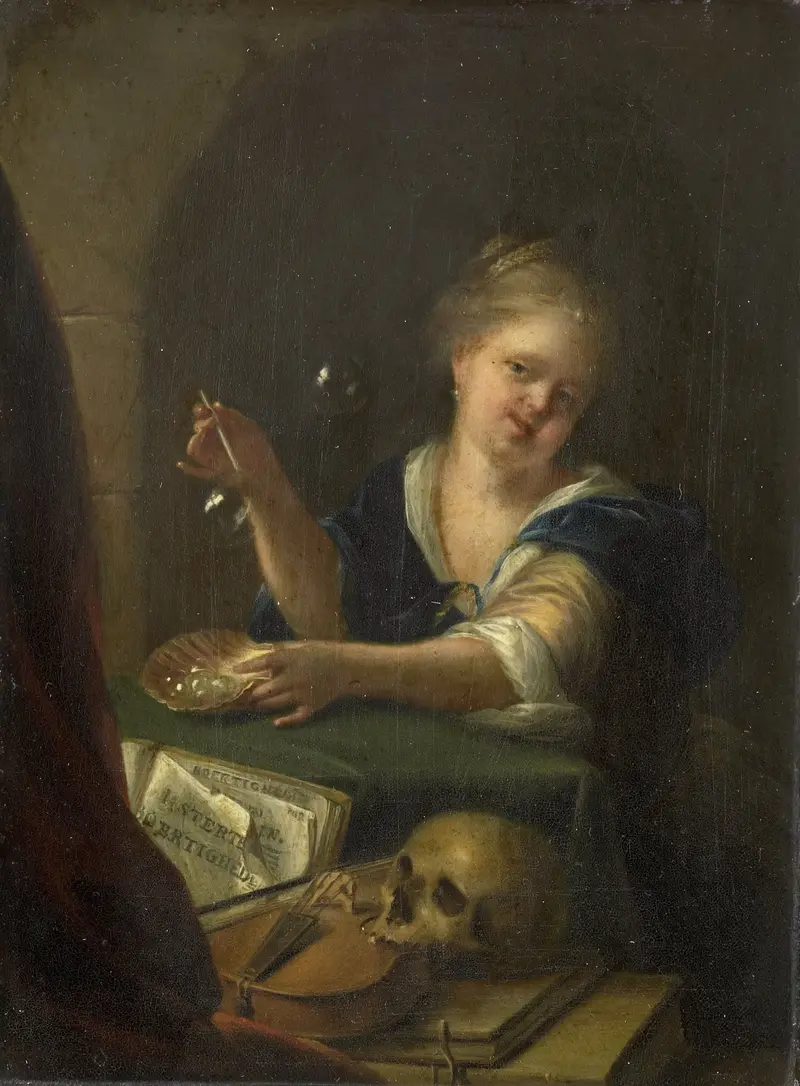
Bubble-blowing Girl with a Vanitas Still Life
Adriaen van der Werff
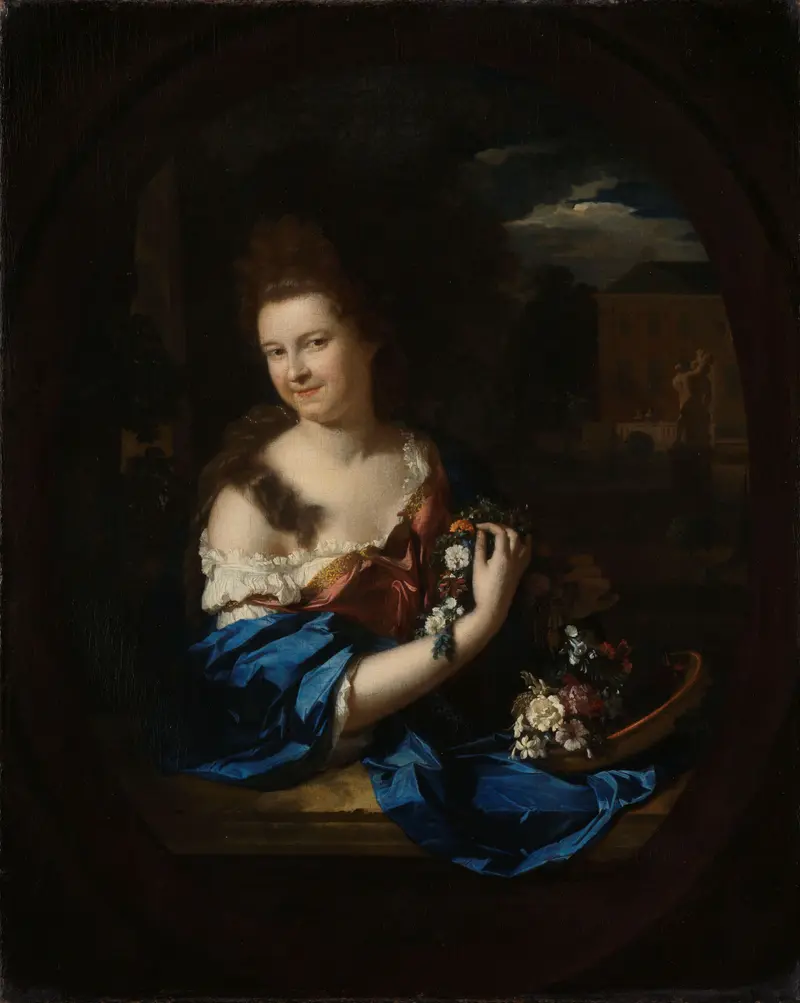
Portrait of Margaretha Rendorp (1673-1730), wife of Jan van de Poll
Adriaen van der Werff
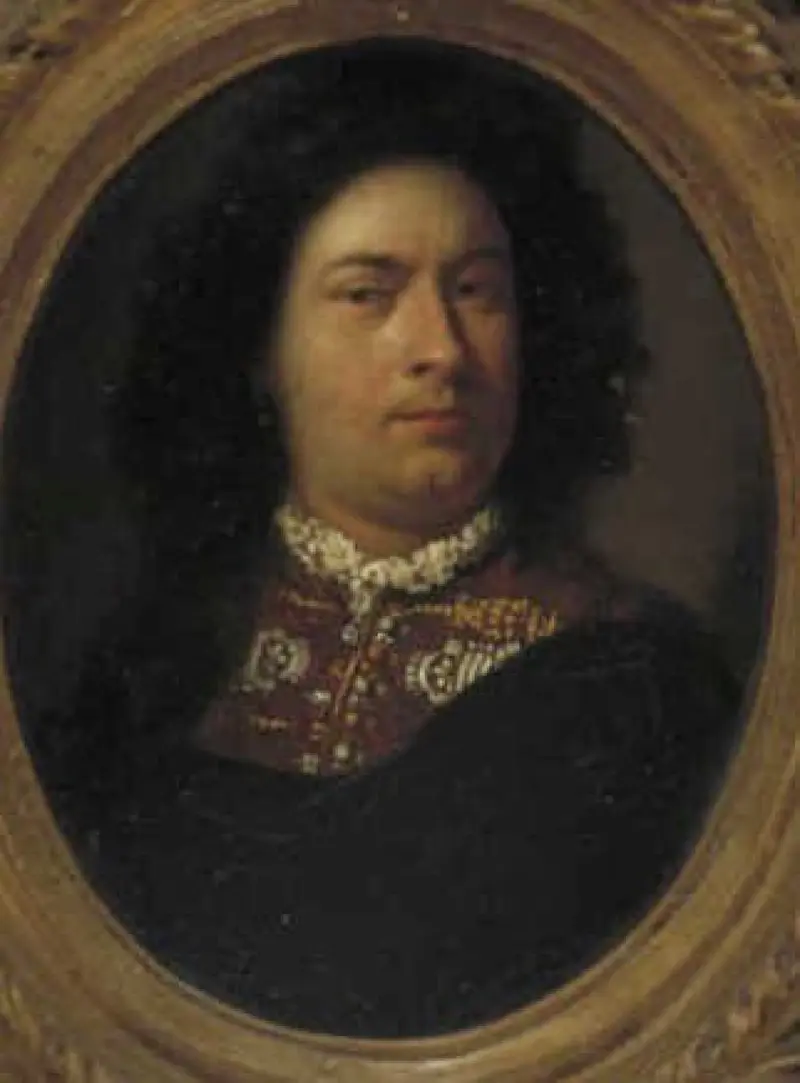
Portrait of Jacob Hendricksz. Vingerhoed
Adriaen van der Werff
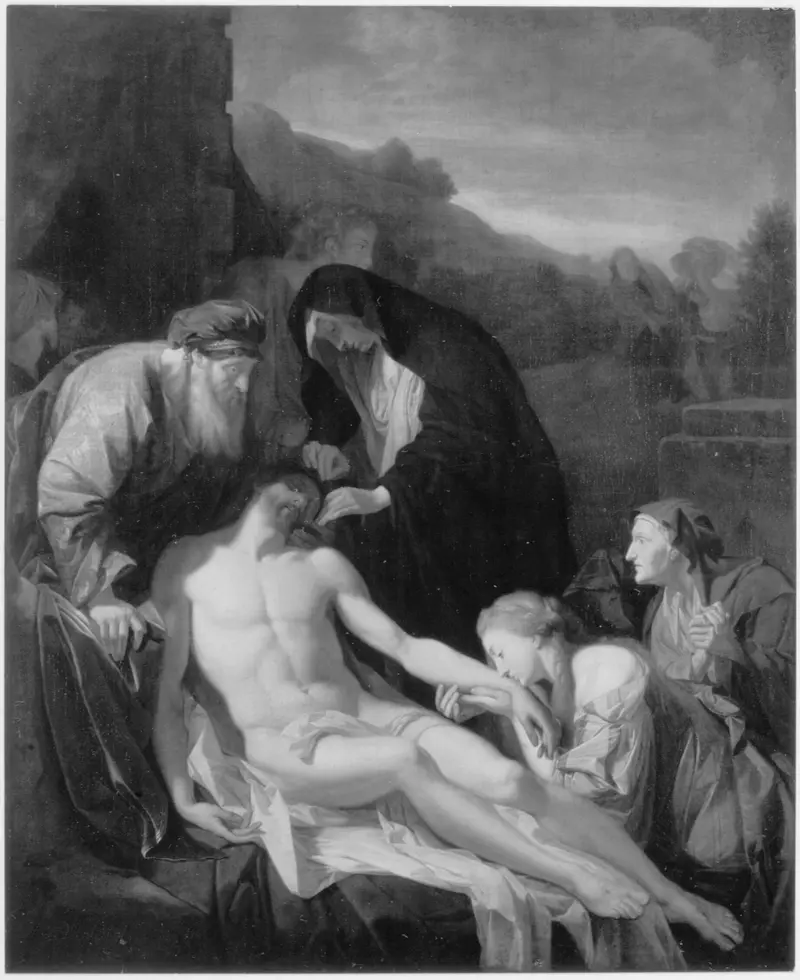
The burial of Christ
Adriaen van der Werff





