
Portrait of Józef Szujski — History & Facts
When Jan Matejko painted Portrait of Józef Szujski in 1888, he was not just capturing the likeness of a friend—he was immortalizing one of the most influential Polish historians and intellectuals of his era. Szujski, a founding member of the Kraków-based Academy of Learning, shaped the national conversation on Poland’s past and future during a period of political partition and cultural revival. This portrait was completed at a moment when both men were at the height of their powers, their friendship symbolizing the alliance between art and scholarship in the struggle to preserve Polish identity. Matejko chose to depict Szujski seated, his gaze steady and direct, hands resting calmly, as if caught in a moment of thoughtful pause between lectures or writings.
The sitter’s dark attire and the subdued background focus attention on the expressive face, where Matejko’s brushwork brings out the furrowed brow and keen eyes that hint at Szujski’s intellectual rigor. Unlike the ceremonial grandeur of Matejko’s historical canvases, here the drama is internal: the scholar’s mind at work, his presence commanding without need for regalia or gesture. In contrast to the more romanticized portraits by Józef Simmler, Matejko’s approach is unflinching, almost austere, emphasizing character over ornament. The painting’s early history is closely tied to the intellectual circles of Kraków, where it likely hung among peers who recognized both subject and artist as pillars of Polish culture.
Though the precise details of its commission remain unclear, it stands as a testament to Matejko’s late-career focus on portraits of contemporary figures, a shift from his sweeping historical epics. Today, Portrait of Józef Szujski is preserved as part of Poland’s national heritage, valued not only for its artistic qualities but as a record of a vital partnership in the nation’s cultural renaissance.
More Artworks by Jan Matejko
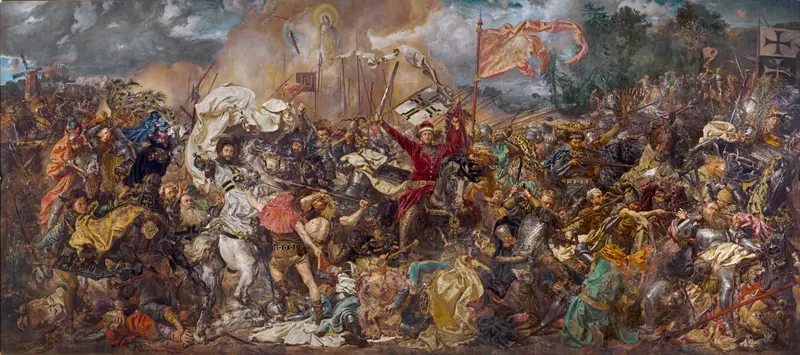
Battle of Grunwald
Jan Matejko

Stańczyk
Jan Matejko

Battle of Raclawice
Jan Matejko
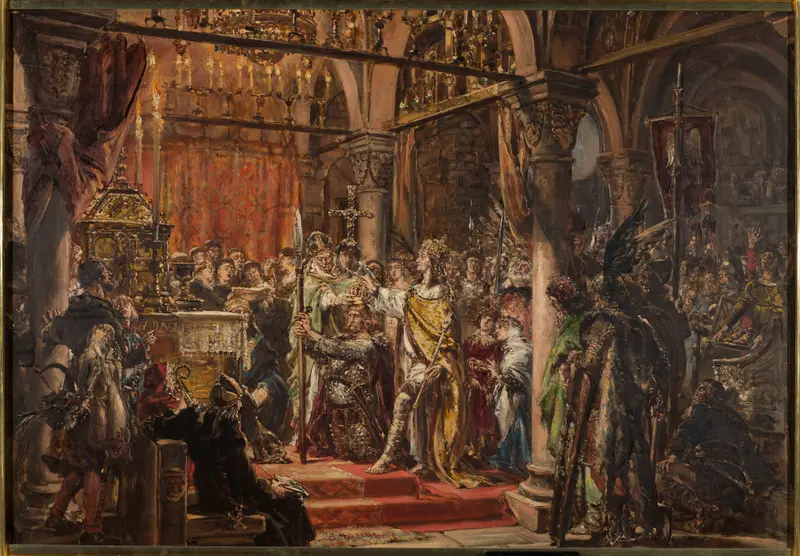
Coronation of the First King, 1001 AD, from the series “History of Civilization in Poland”
Jan Matejko
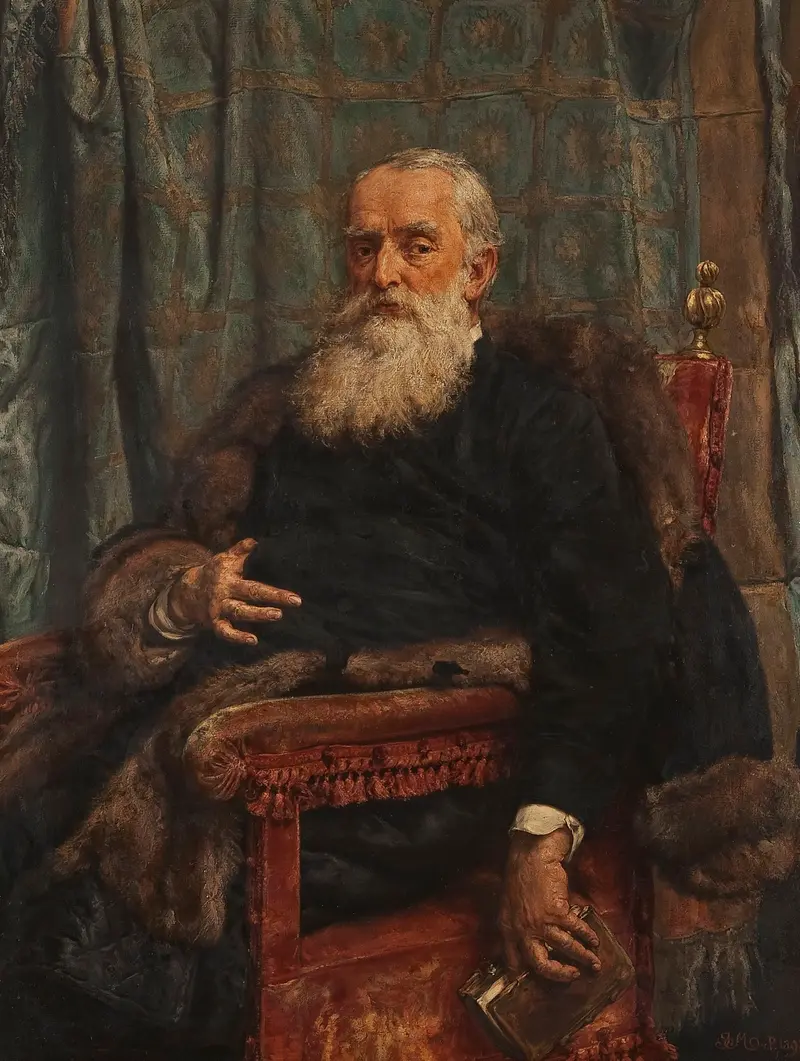
Portrait of Henryk Krajewski
Jan Matejko
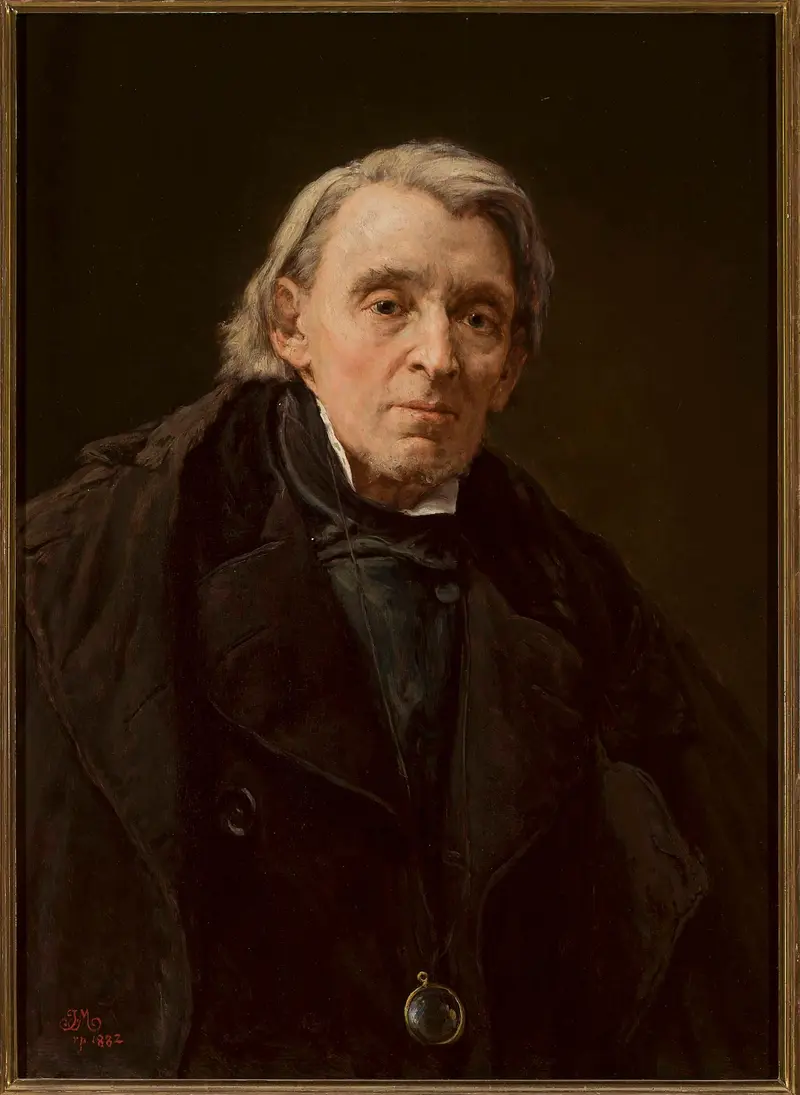
Portrait of Karol Podlewski
Jan Matejko
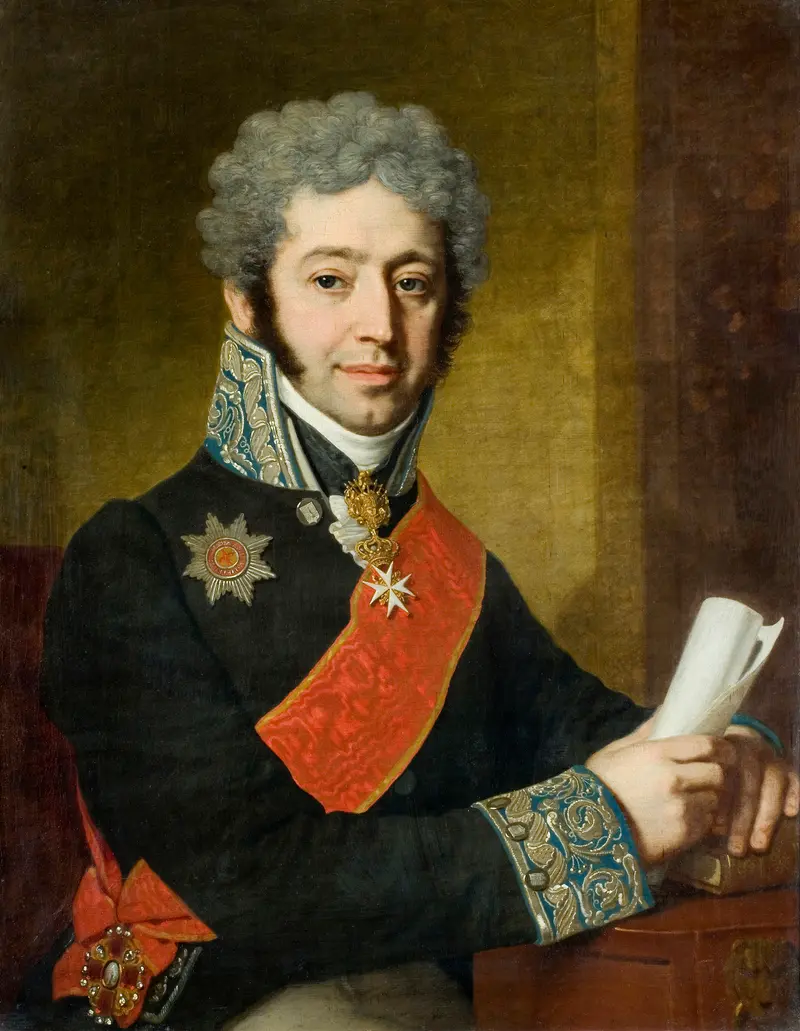
Portrait of Potocki and Poninski
Jan Matejko
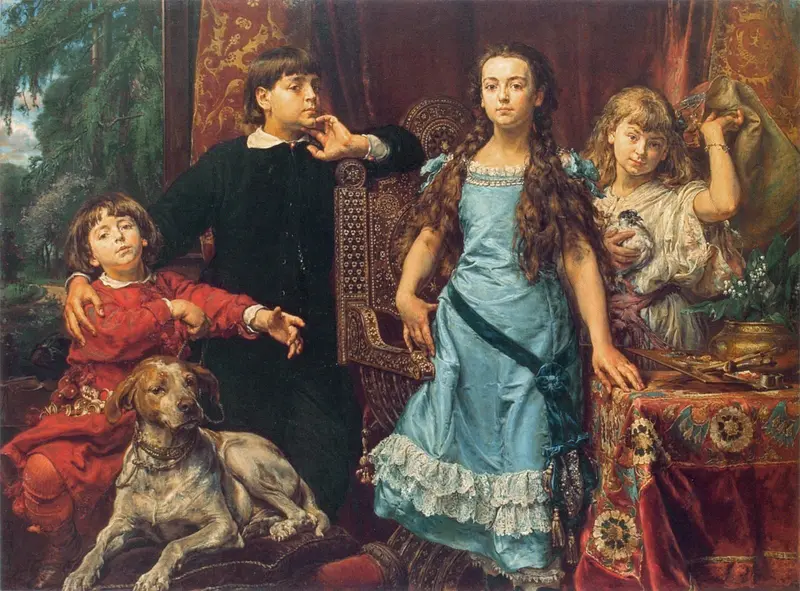
Portrait of the artist's four children
Jan Matejko
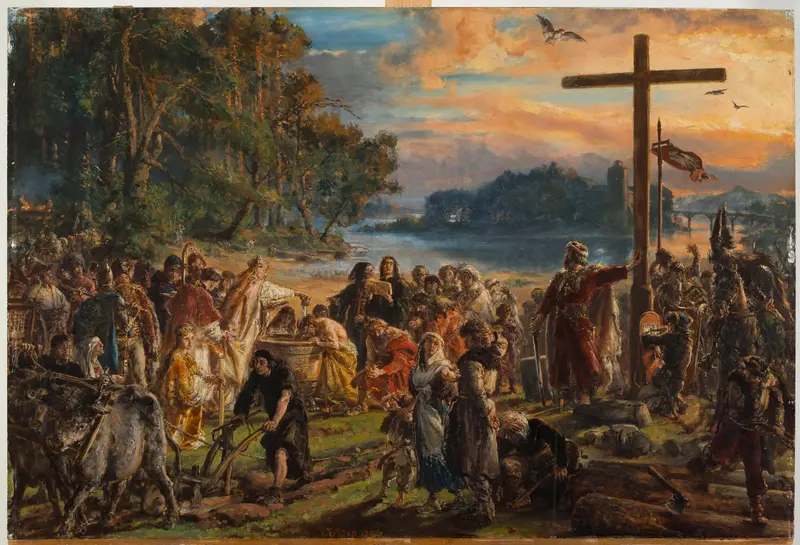
Introduction of Christianity in Poland
Jan Matejko
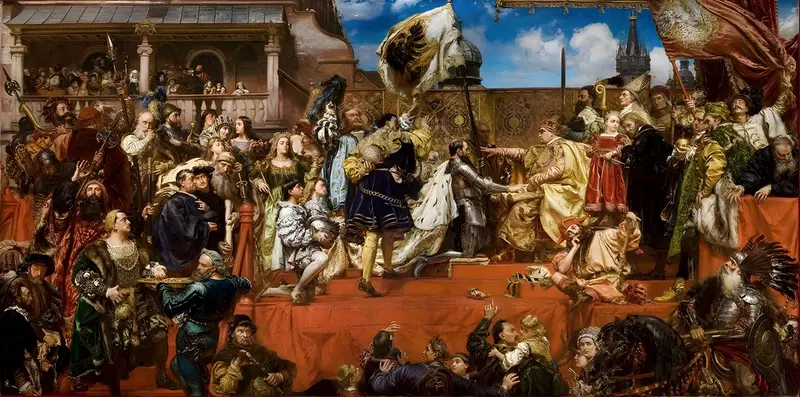
Prussian Homage
Jan Matejko





