
Portrait of Juan Maria Osorio — History & Facts
What first draws the eye in Portrait of Juan Maria Osorio by Agustin Esteve y Marqués is the direct, almost solemn gaze of the young boy, poised at the intersection of childhood and formality. The artist sets him against a plain, muted background, letting the vivid blue of his suit and the extravagant pink sash command attention. His right hand holds a string attached to a fluttering bird, mid-flight above a gilded table, while his left rests at his side, the fingers gently curled.
The birdcage nearby and the extravagant hat on the floor are more than props—they hint at privilege, leisure, and the rituals of upper-class childhood in late eighteenth-century Spain. The careful rendering of textures, from the crisp ruffles at his collar to the sheen of the tablecloth, invites a slow, attentive viewing. Painted in 1786, this portrait belongs to a world where images like these served as declarations of lineage and status. In the Spain of Agustin Esteve y Marqués, children of noble or affluent families were often immortalized in paint, their attire and surroundings carefully chosen to signal both innocence and inherited rank.
The presence of toys and animals—here, the caged bird—was a common motif, symbolizing both the child's gentle nature and the family's wealth. History has kept few traces of Juan Maria Osorio beyond this image, but the painting, now in the Cleveland Museum of Art, is a vivid testament to the era's fascination with childhood as a stage for both affection and ambition. The longer one looks, the more the boy’s steady gaze seems to ask what future was imagined for him, and what became of those hopes.
More Artworks by Agustin Esteve y Marqués
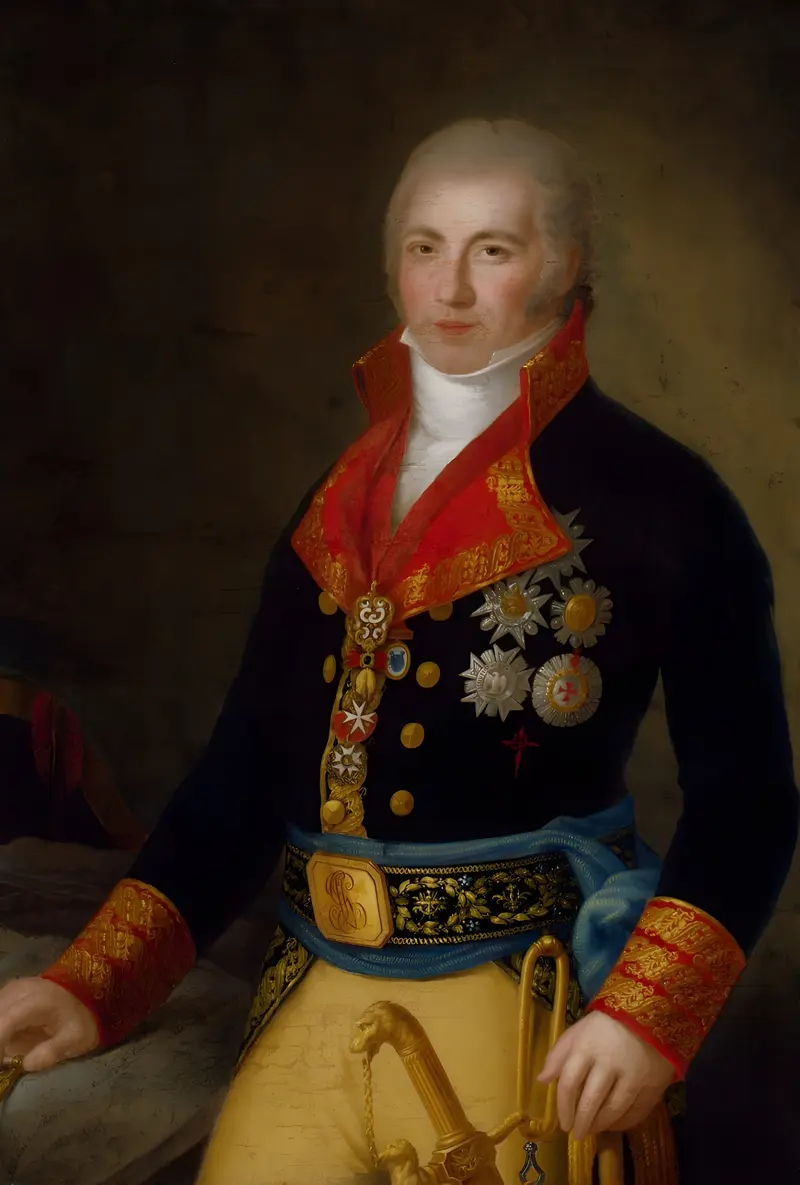
Manuel Godoy
Agustin Esteve y Marqués
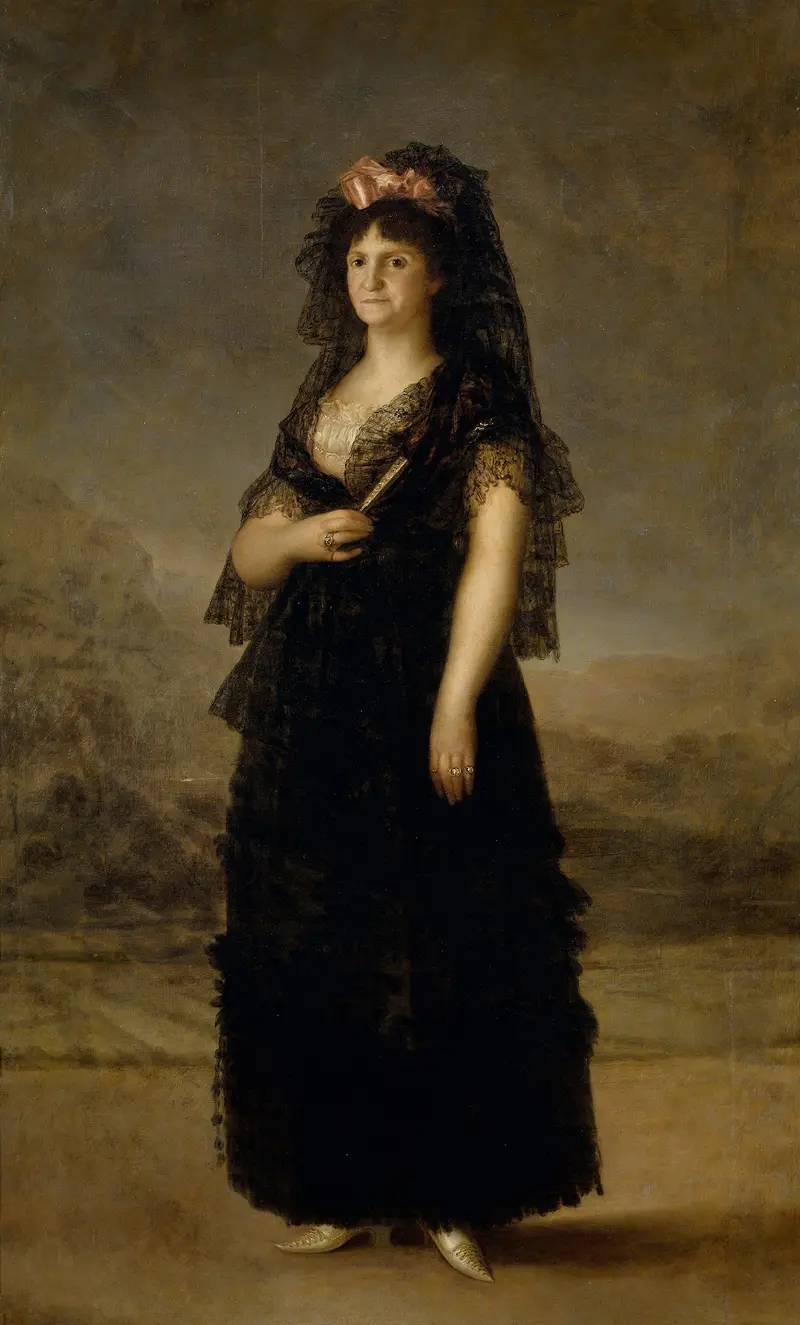
Queen María Luisa in a Mantilla
Agustin Esteve y Marqués
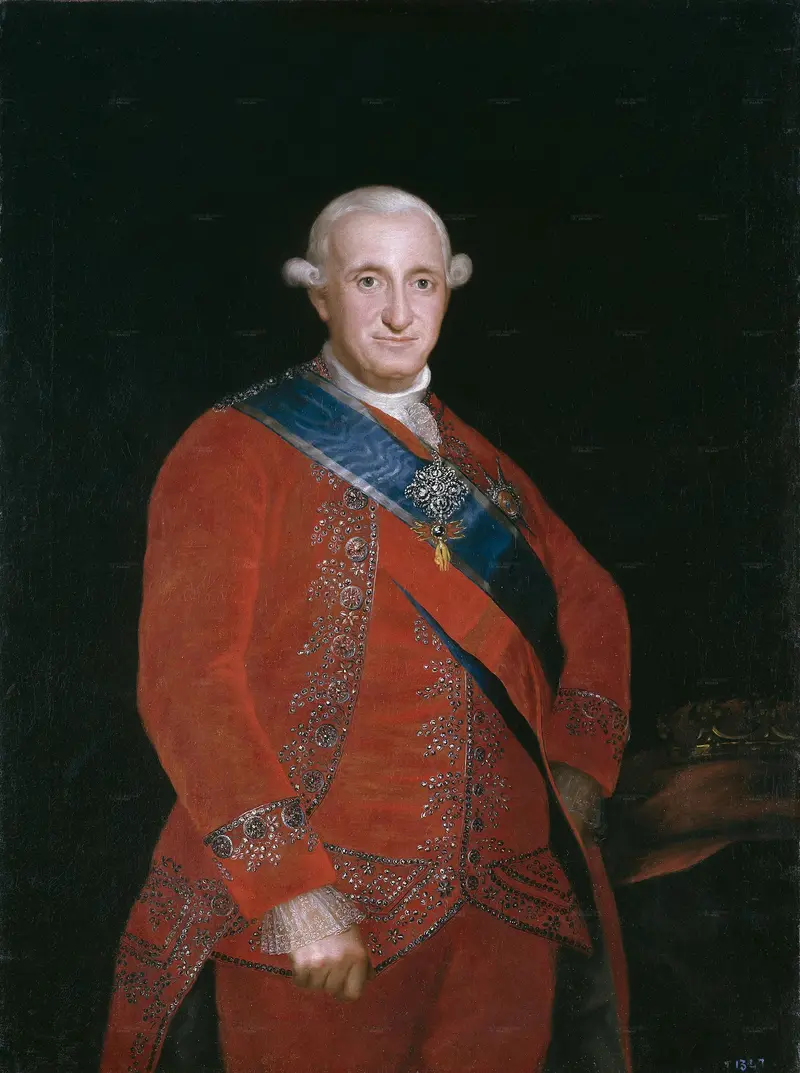
Charles IV, King of Spain
Agustin Esteve y Marqués
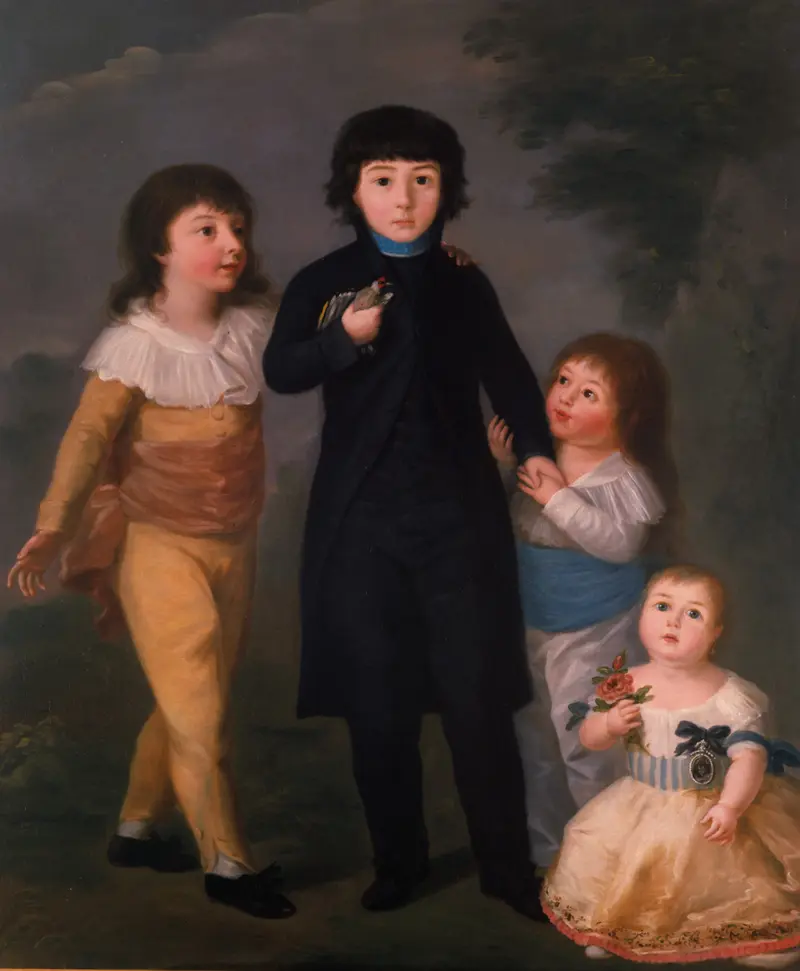
The Children
Agustin Esteve y Marqués
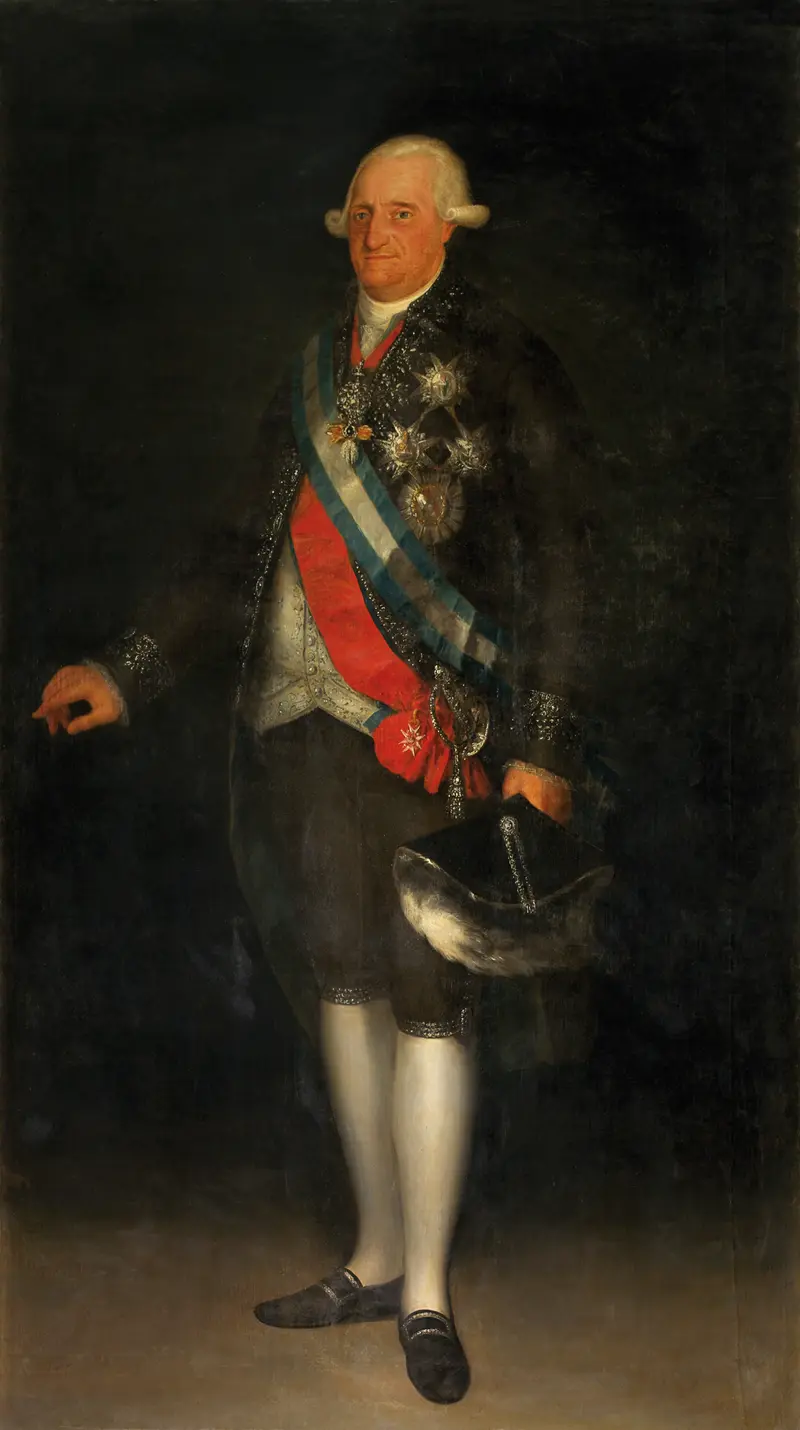
Carlos IV. Agustín Esteve y Marqués (atribución)
Agustin Esteve y Marqués
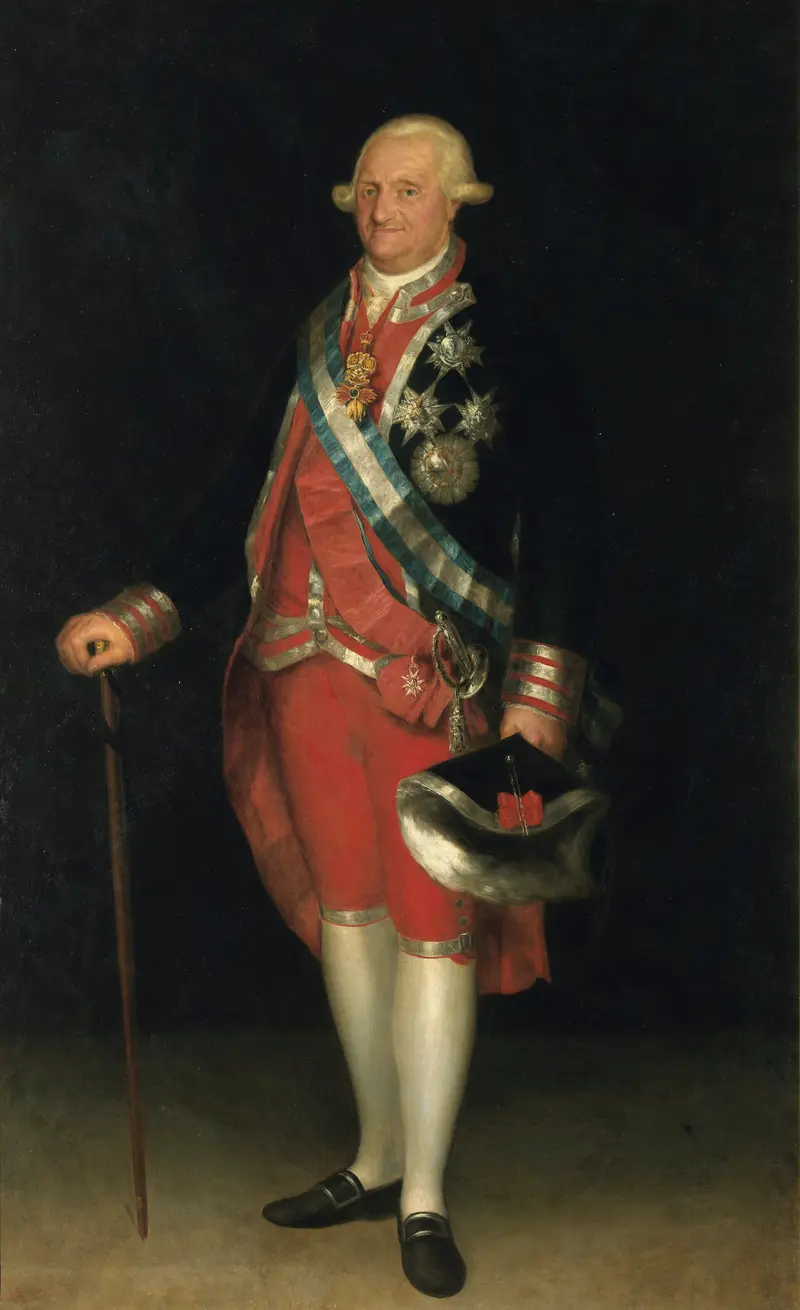
Charles IV in the Uniform of a Colonel of the Royal Guard
Agustin Esteve y Marqués
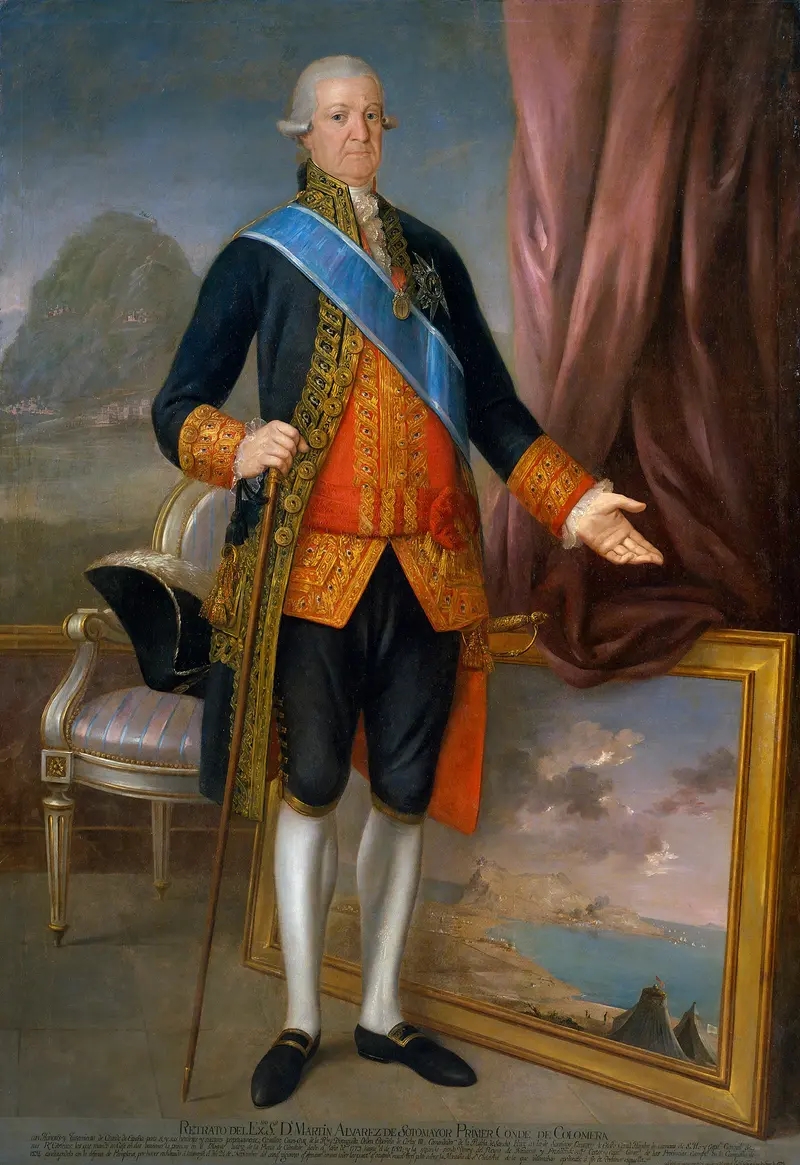
Martín Antonio Álvarez de Sotomayor y Soto-Flores, Count of Colomera
Agustin Esteve y Marqués





