
Queen María Luisa in a Mantilla — History & Facts
What first catches the eye in Queen María Luisa in a Mantilla is the striking contrast between the queen’s informal Spanish dress and the quiet authority of her stance. The black lace mantilla, draped with deliberate elegance over her hair and shoulders, frames a face that meets the viewer with directness—an unusual candor for royal portraiture of the late eighteenth century. The play of light draws attention to her pale hands, adorned with rings, and the delicate fan she holds, suggesting both rank and a personal touch.
The muted, earthy background recedes, placing all the focus on the figure and her presence, while the pink ribbon crowning her hair adds a note of individuality amid the formal black. Painted between 1799 and 1800, this work by Agustin Esteve y Marqués belongs to a moment when Spanish portraiture was shaped by both tradition and the shifting tides of European fashion. Portraits of royalty in this era were not mere likenesses; they were statements of power, taste, and sometimes subtle resistance to courtly expectations. The choice of the mantilla—a garment deeply rooted in Spanish identity—signals a connection to national customs at a time when the Bourbon court was often accused of favoring French styles.
While history has kept few traces of this specific painting’s journey, its presence today in the Museo Nacional del Prado invites us to look again at the ways a queen could shape her image, not only through crown and scepter, but through fabric, gesture, and gaze.
More Artworks by Agustin Esteve y Marqués
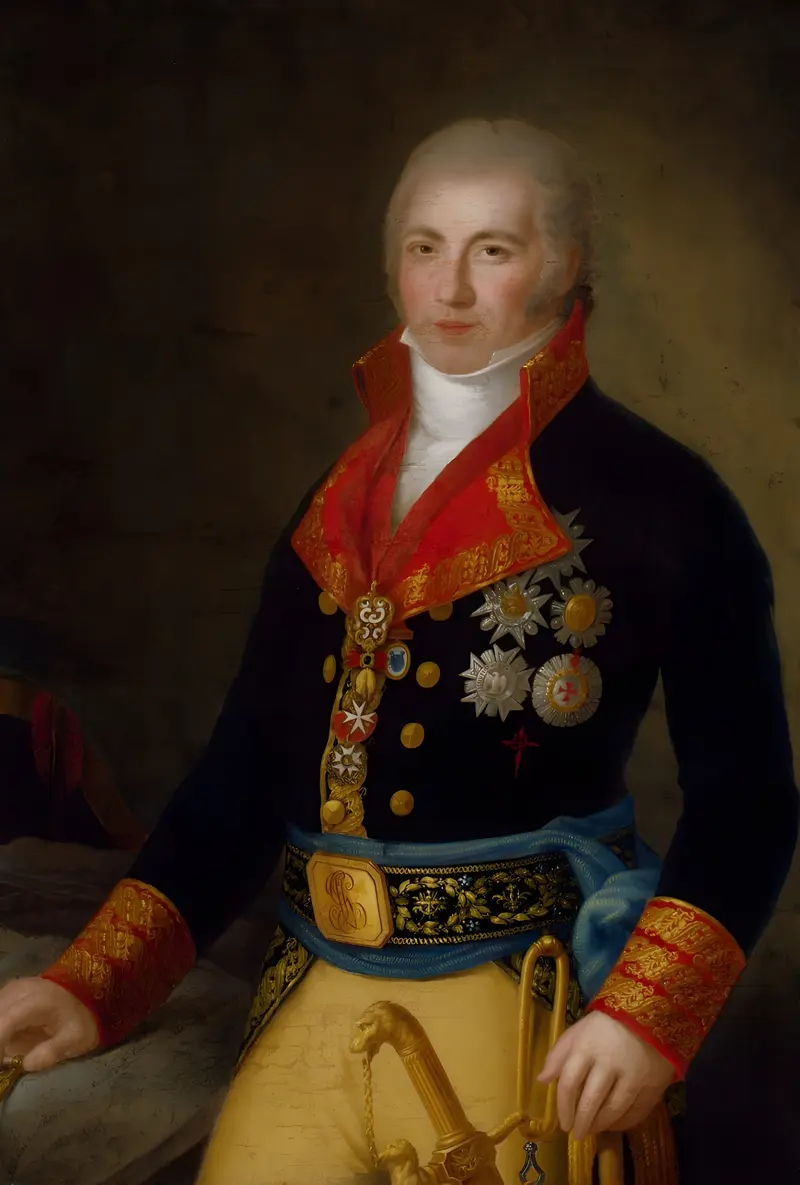
Manuel Godoy
Agustin Esteve y Marqués
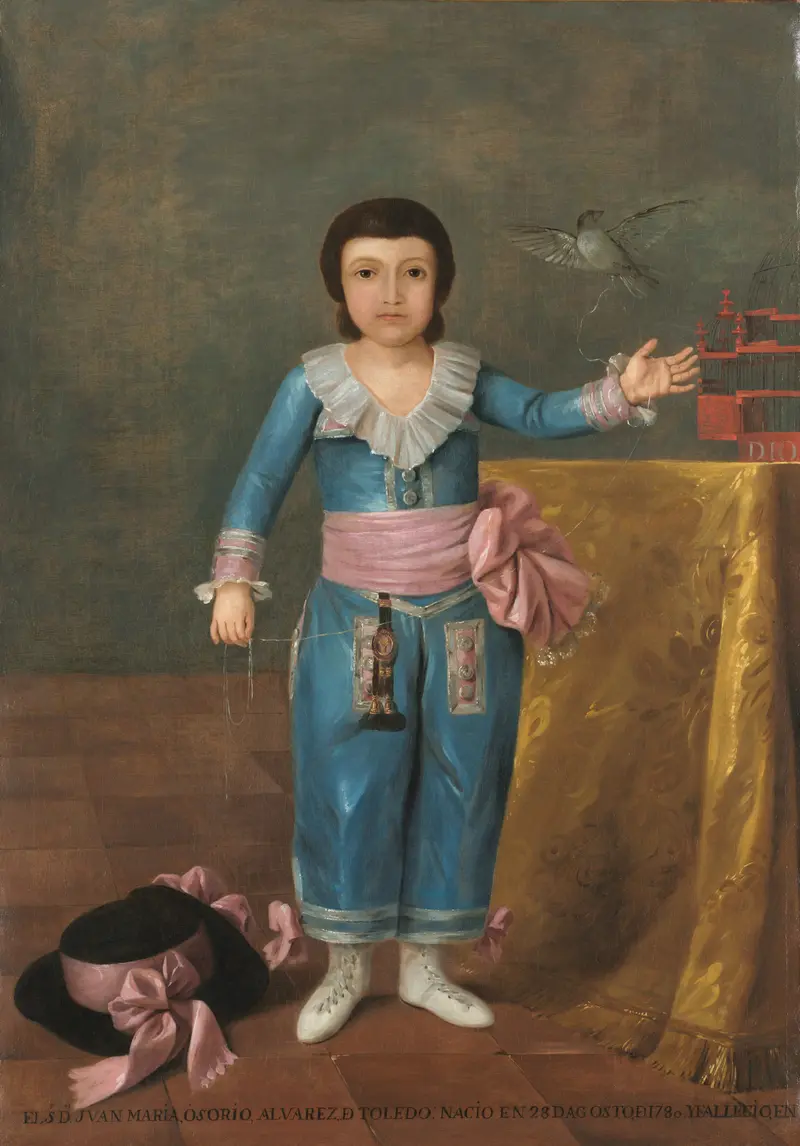
Portrait of Juan Maria Osorio
Agustin Esteve y Marqués
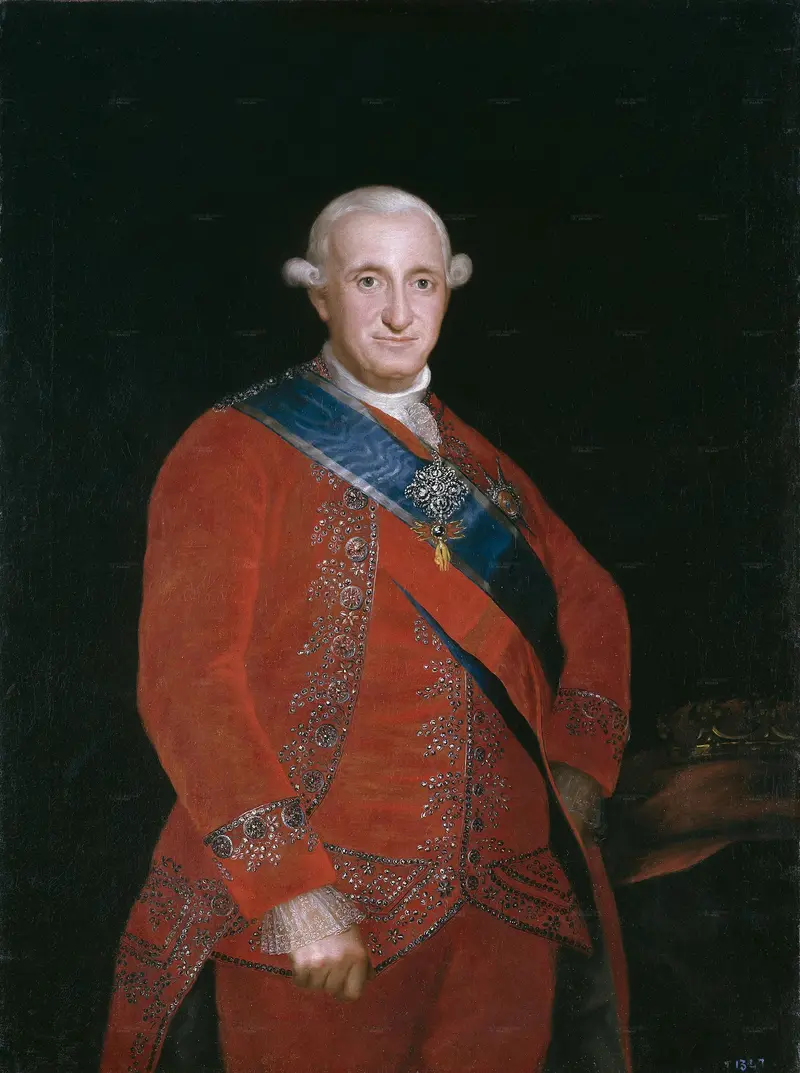
Charles IV, King of Spain
Agustin Esteve y Marqués
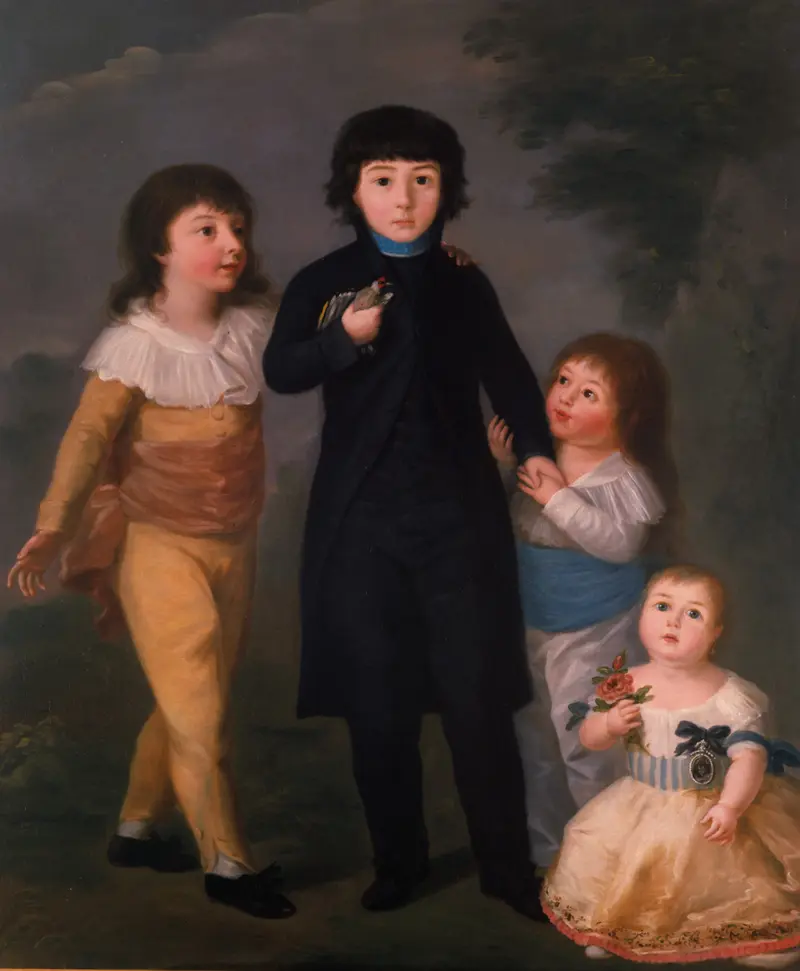
The Children
Agustin Esteve y Marqués
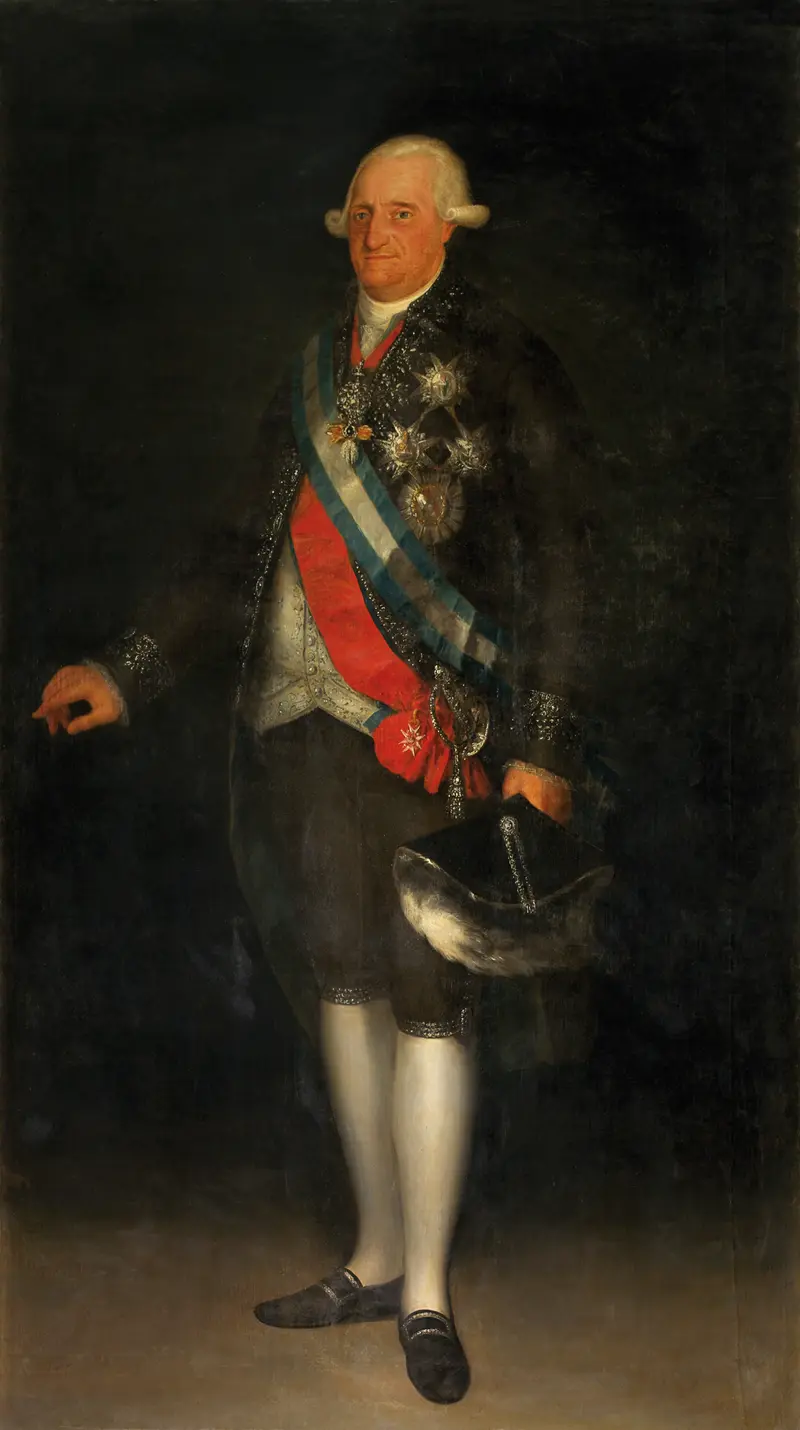
Carlos IV. Agustín Esteve y Marqués (atribución)
Agustin Esteve y Marqués
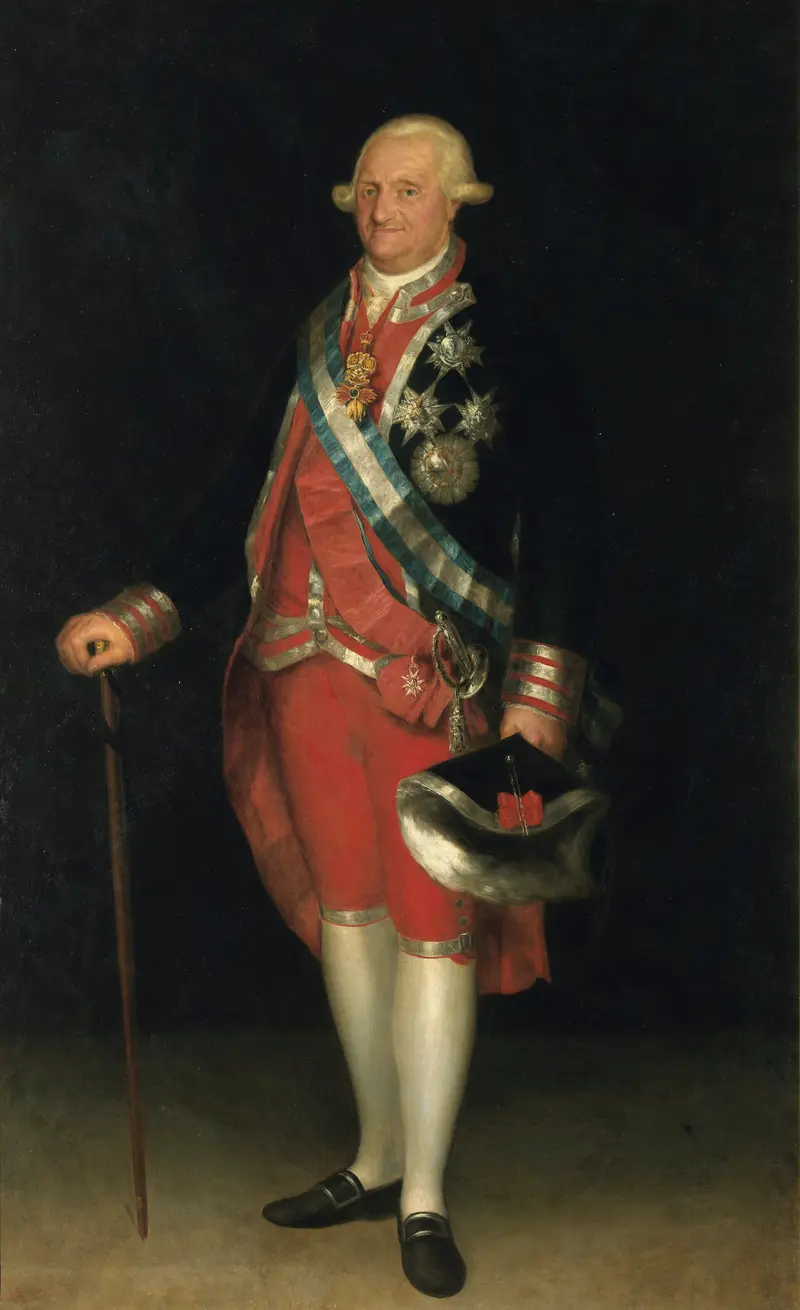
Charles IV in the Uniform of a Colonel of the Royal Guard
Agustin Esteve y Marqués
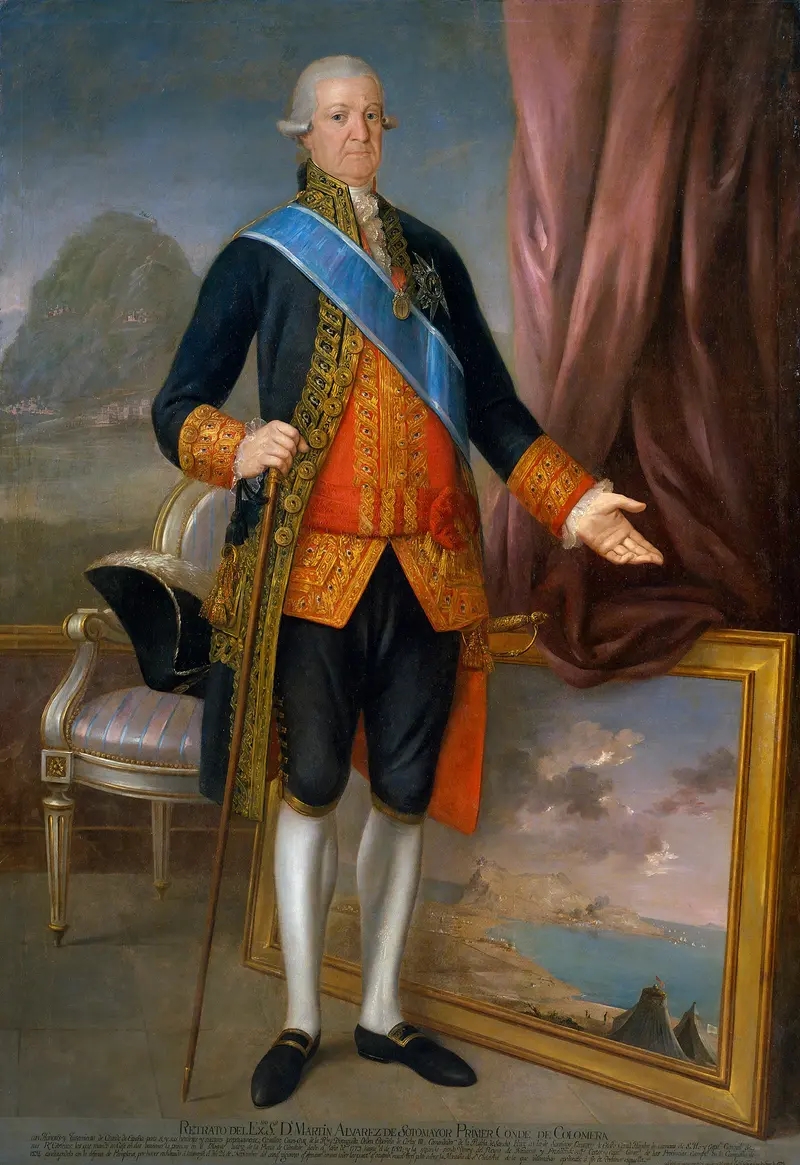
Martín Antonio Álvarez de Sotomayor y Soto-Flores, Count of Colomera
Agustin Esteve y Marqués





