
Charles IV, King of Spain — History & Facts
What first draws the eye in Charles IV, King of Spain by Agustin Esteve y Marqués is not the ornate regalia or the heavy sash of blue silk, but the king’s direct, almost unguarded gaze. The monarch stands against a void of darkness, his figure illuminated with a clarity that leaves no room for ambiguity. The intricate silver embroidery on his scarlet coat sparkles against the somber background, a visual reminder of the weight and ceremony of kingship.
His right hand rests with a gentle firmness, while the other is lost in shadow, hinting at both authority and a certain reserve. The artist’s control of light sculpts the king’s features with honesty, revealing a man who has inherited not just a crown, but the expectations and burdens that come with it. Portraits of royalty in the late eighteenth century were more than mere likenesses; they were instruments of power and continuity. Commissioned to assert legitimacy and presence, such paintings often traveled between palaces or were gifted to cement alliances.
Agustin Esteve y Marqués worked in a Spain poised between tradition and the tremors of change, and his depiction of Charles IV—dated between circa 1789 and circa 1790—captures a ruler at the threshold of a turbulent era. Housed today in the Museo del Prado, this painting stands as a testament to the careful choreography of royal image-making, inviting us to study not only the face of a king, but the subtle signals of an age on the brink of transformation.
More Artworks by Agustin Esteve y Marqués
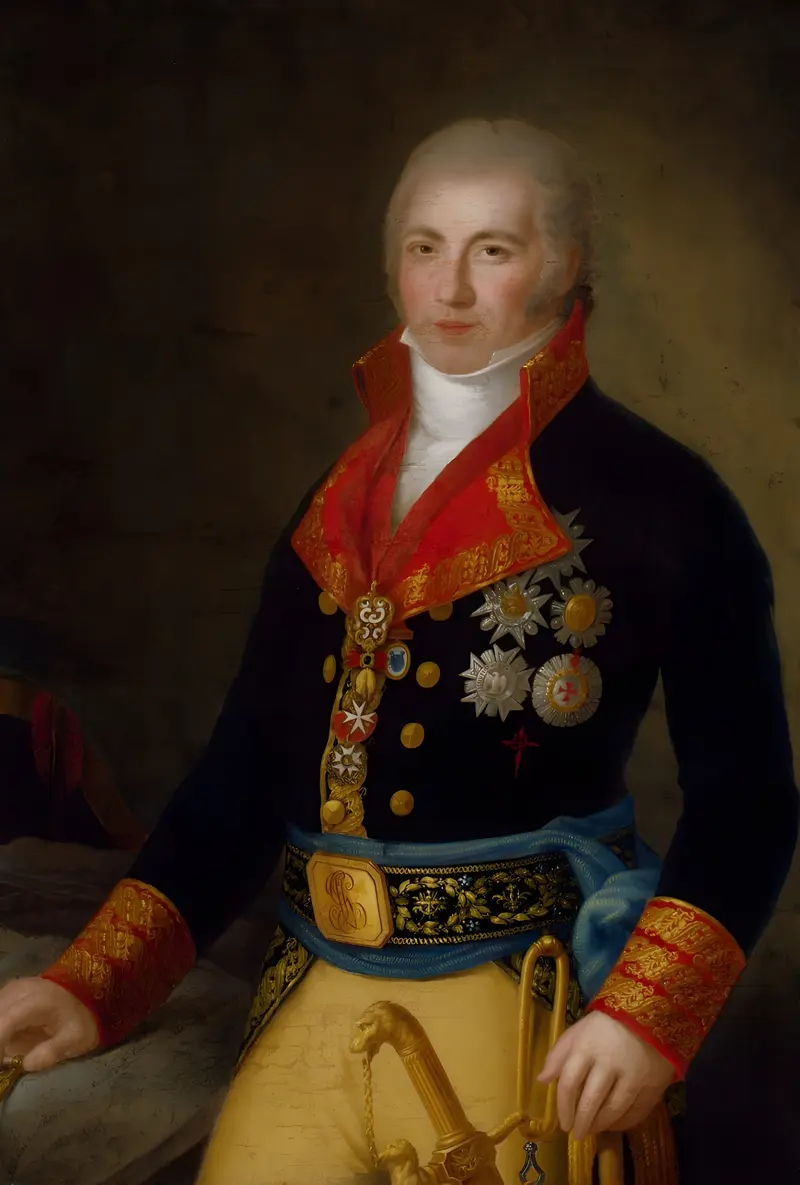
Manuel Godoy
Agustin Esteve y Marqués
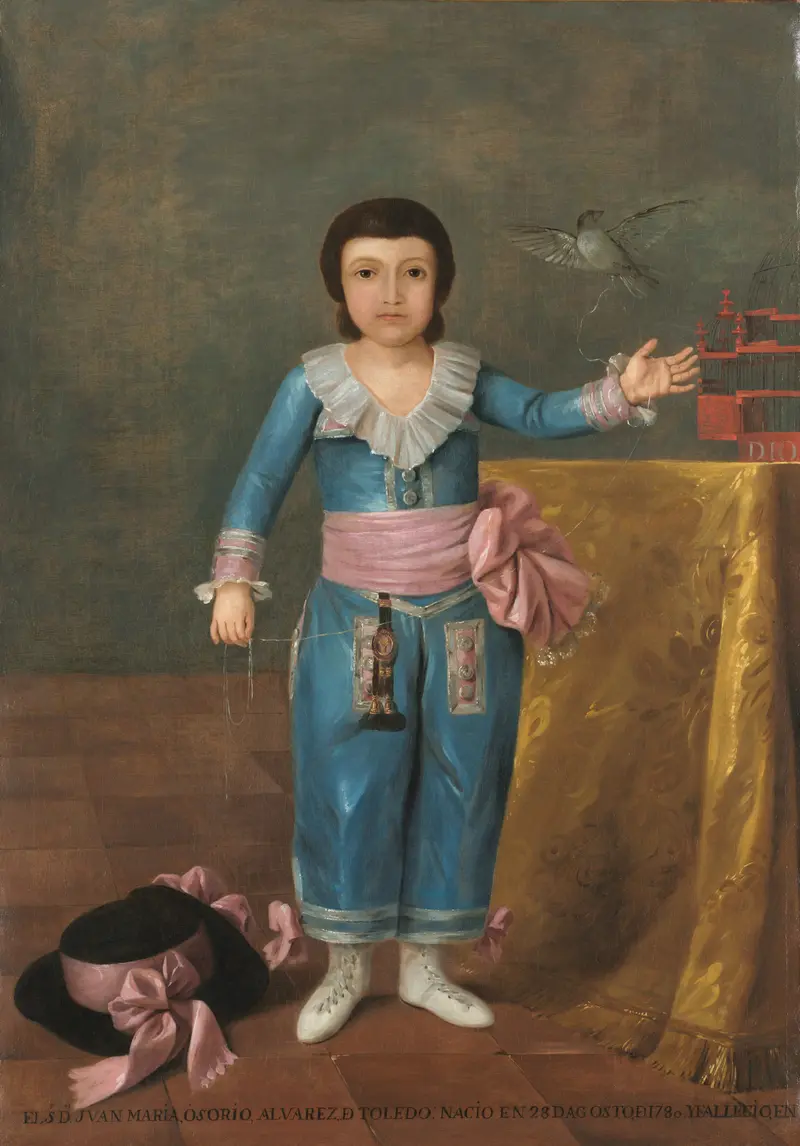
Portrait of Juan Maria Osorio
Agustin Esteve y Marqués
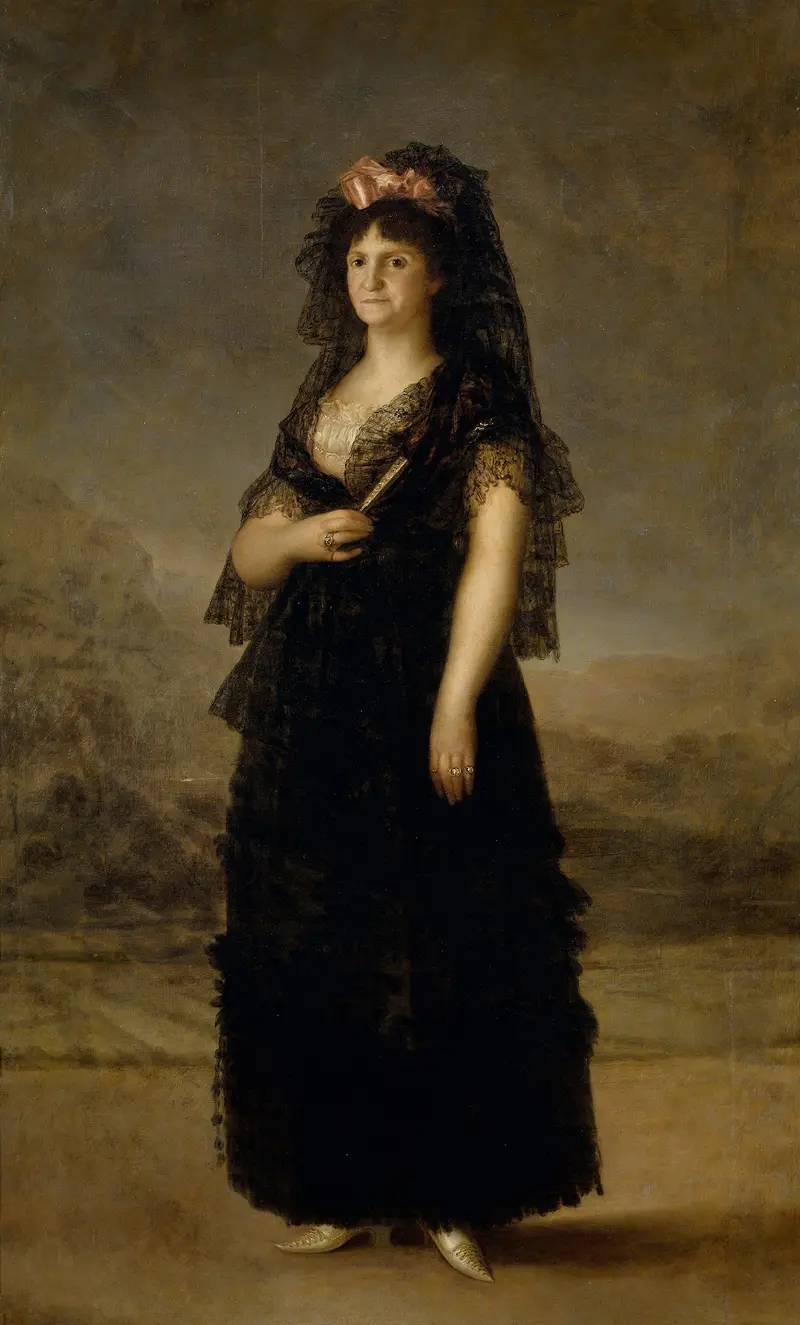
Queen María Luisa in a Mantilla
Agustin Esteve y Marqués
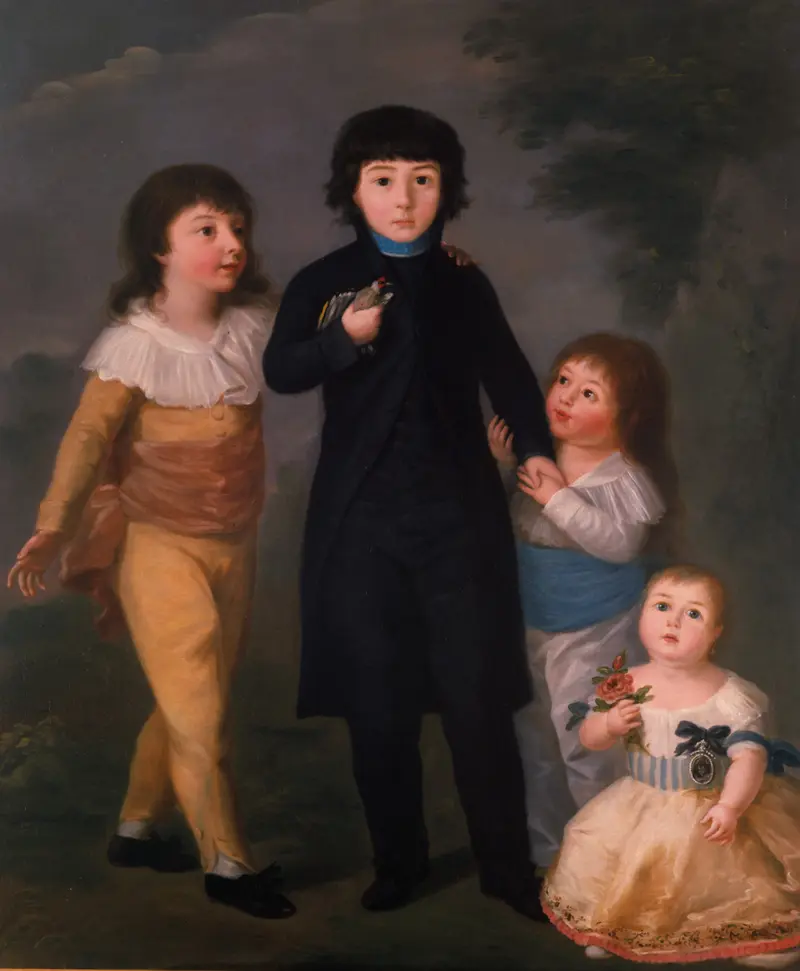
The Children
Agustin Esteve y Marqués
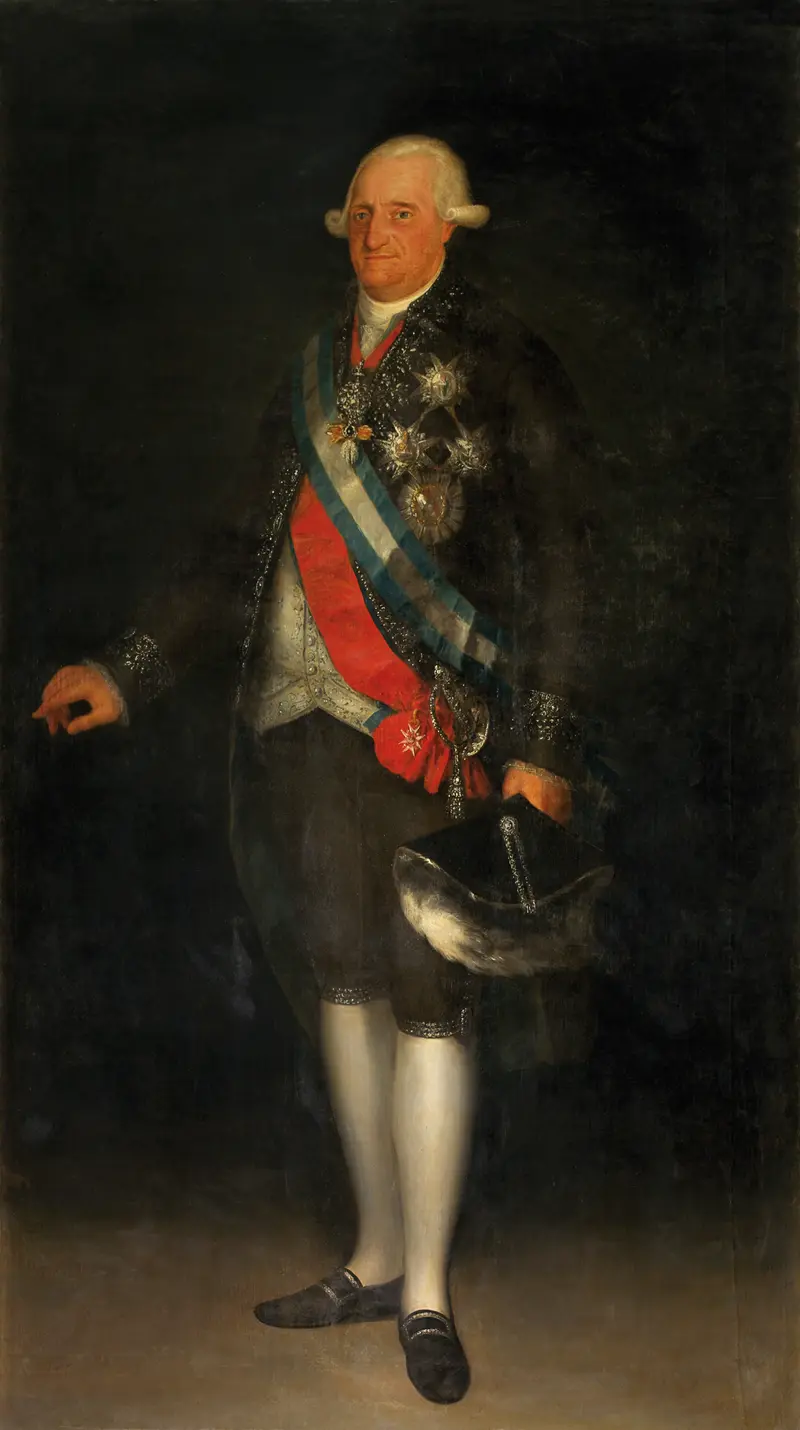
Carlos IV. Agustín Esteve y Marqués (atribución)
Agustin Esteve y Marqués
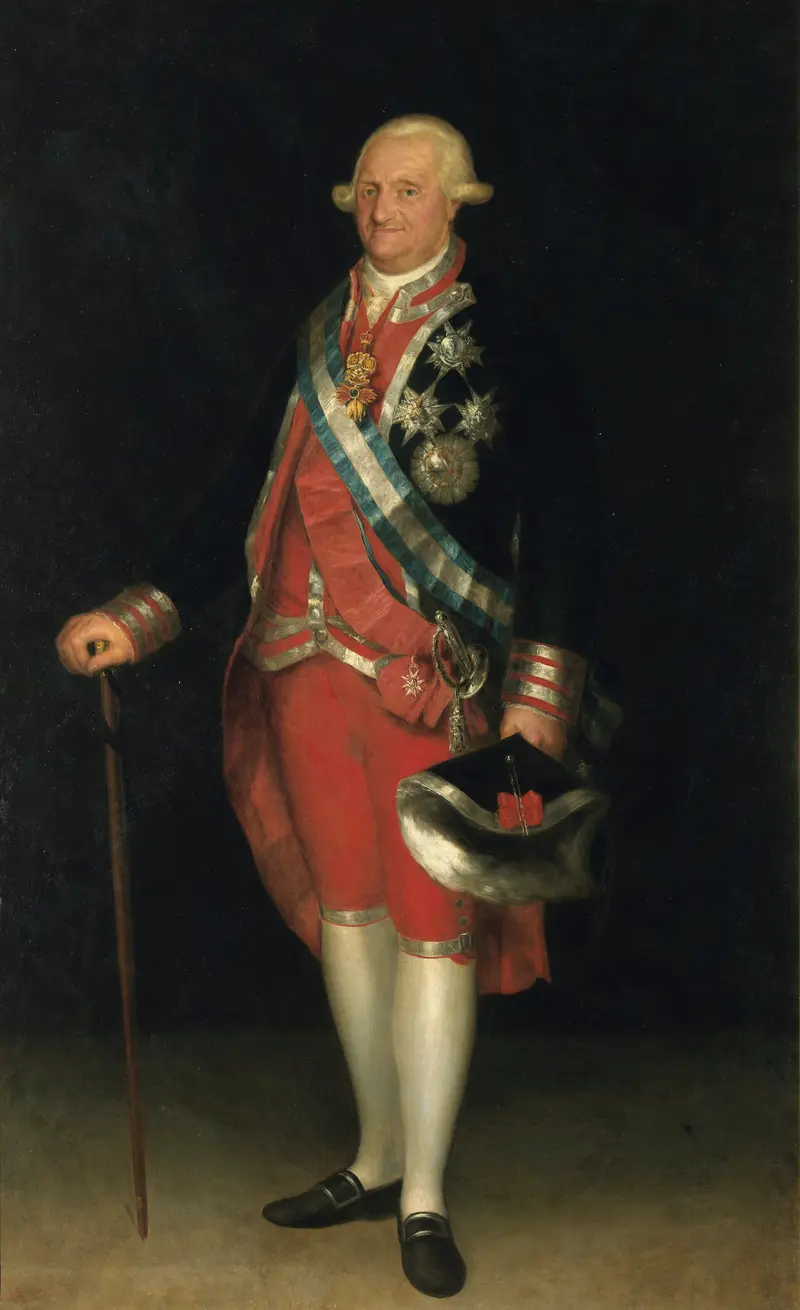
Charles IV in the Uniform of a Colonel of the Royal Guard
Agustin Esteve y Marqués
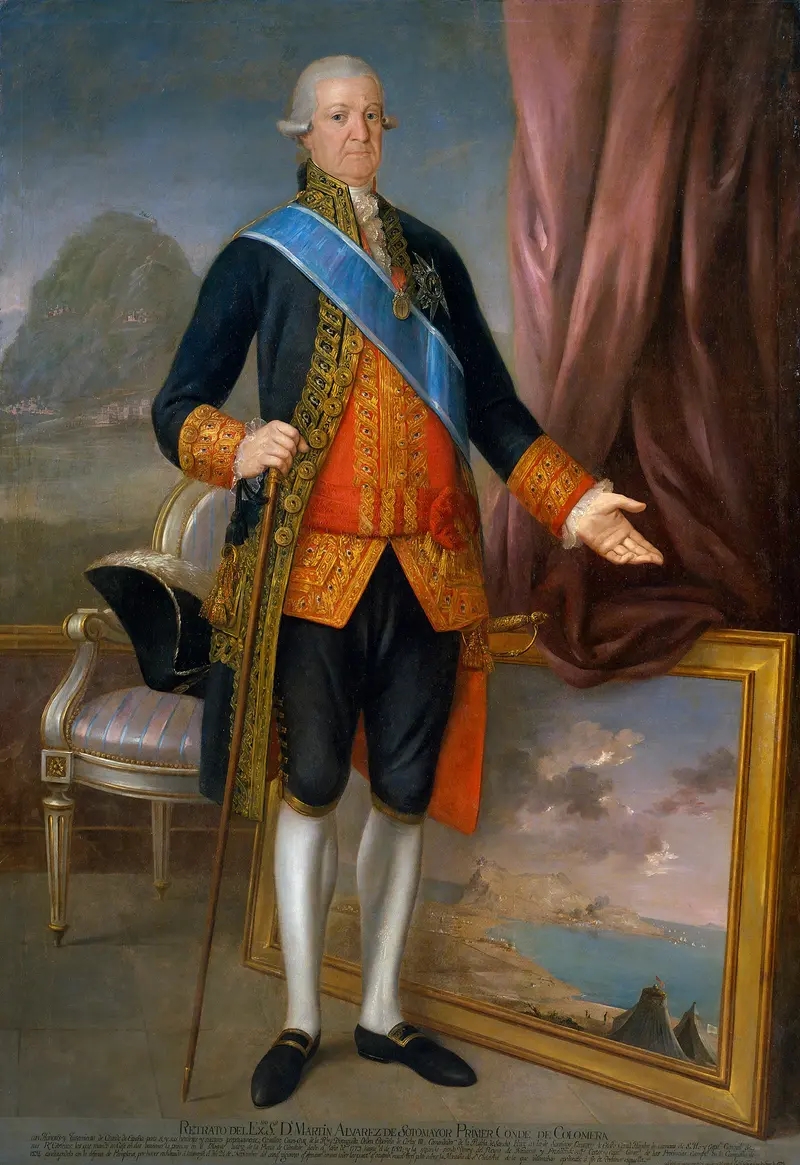
Martín Antonio Álvarez de Sotomayor y Soto-Flores, Count of Colomera
Agustin Esteve y Marqués





