
Portrait of Kazimierz Stankiewicz — History & Facts
When Jan Matejko painted Portrait of Kazimierz Stankiewicz in 1857, he was just nineteen years old, yet already displaying the ambition that would later make him Poland’s great chronicler in paint. This early work is remarkable not only for its youthful confidence, but also for its subject: Kazimierz Stankiewicz, a figure about whom little is known today, but who appears to have been part of the artist’s Kraków circle. The painting stands as one of Matejko’s first forays into portraiture, preceding his grand historical canvases by several years.
It is a rare glimpse of the artist before fame, experimenting with form and character. The sitter meets the viewer’s gaze directly, his expression at once reserved and quietly assertive. Matejko captures Stankiewicz at a moment of thoughtful composure, his head turned slightly, eyes bright with intelligence. The dark, neutral background isolates the figure, focusing attention on the finely rendered face and the subtle play of light across his features.
A simple chain at the neck and the understated jacket hint at the sitter’s social standing—respectable, but not ostentatious. Unlike the grand, allegorical portraits of the Romanticism movement, such as those by Franz Xaver Winterhalter, Matejko’s approach here is intimate and direct, emphasizing psychological presence over decorative flourish. The physical history of Portrait of Kazimierz Stankiewicz is not extensively documented, and its original patron remains uncertain—perhaps it was commissioned by the sitter himself or his family. The painting survives as an important testament to Matejko’s early development, long before his celebrated historical cycles.
Today, it is valued by scholars as a window into the artist’s formative years, revealing both his technical skill and his interest in capturing character. The work is held in a Polish collection, and though it rarely travels, it is occasionally displayed alongside Matejko’s later, more famous canvases, offering viewers a chance to see the roots of his style.
More Artworks by Jan Matejko
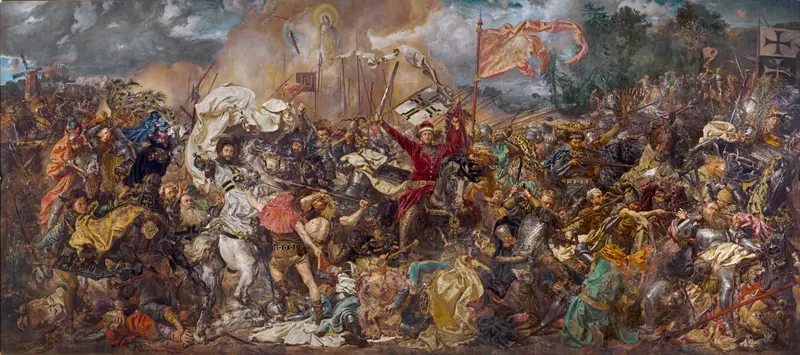
Battle of Grunwald
Jan Matejko

Stańczyk
Jan Matejko

Battle of Raclawice
Jan Matejko
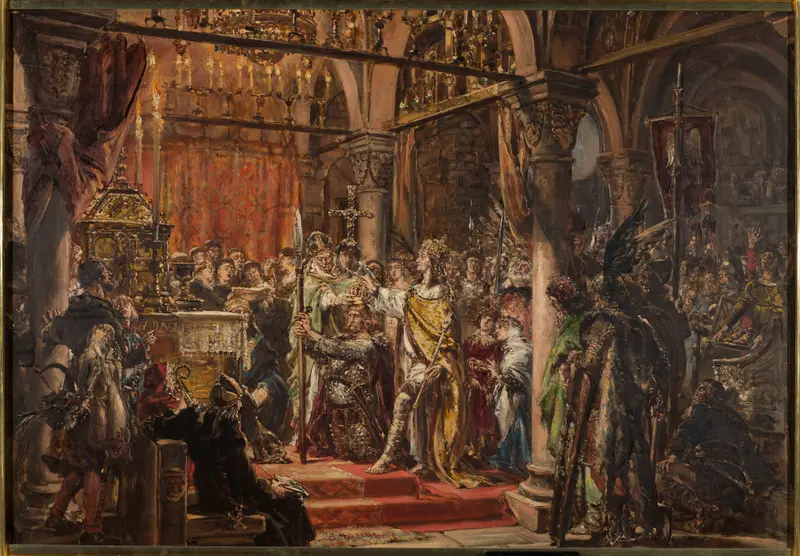
Coronation of the First King, 1001 AD, from the series “History of Civilization in Poland”
Jan Matejko
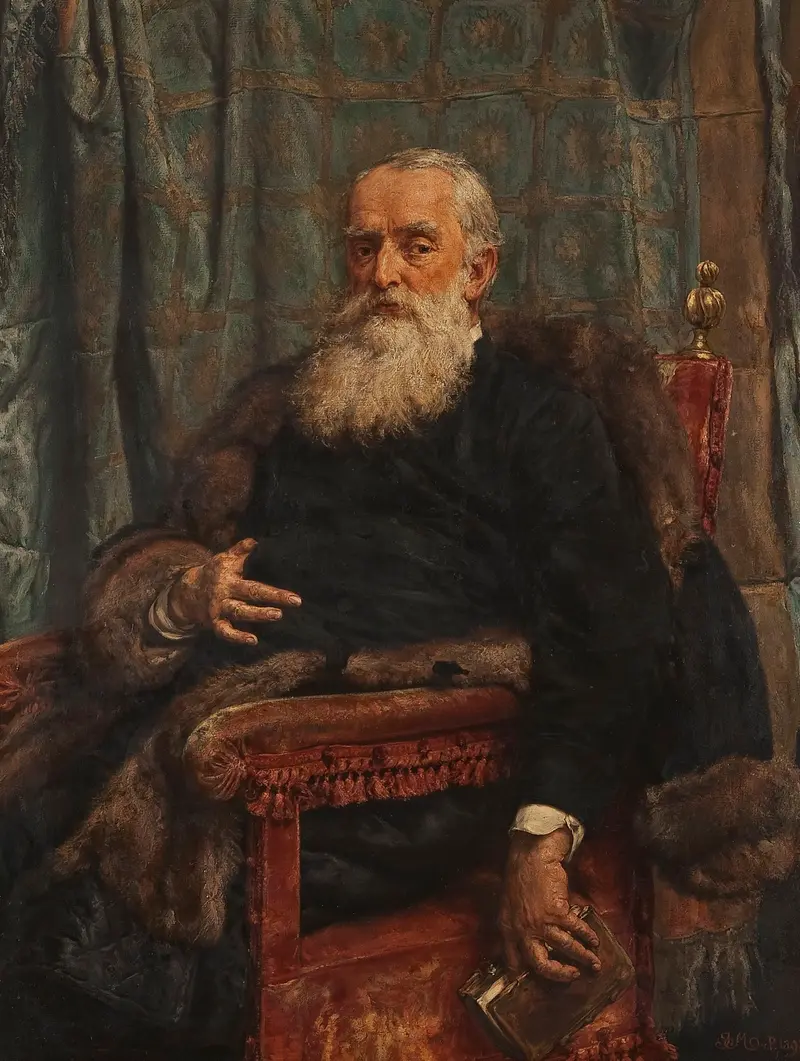
Portrait of Henryk Krajewski
Jan Matejko
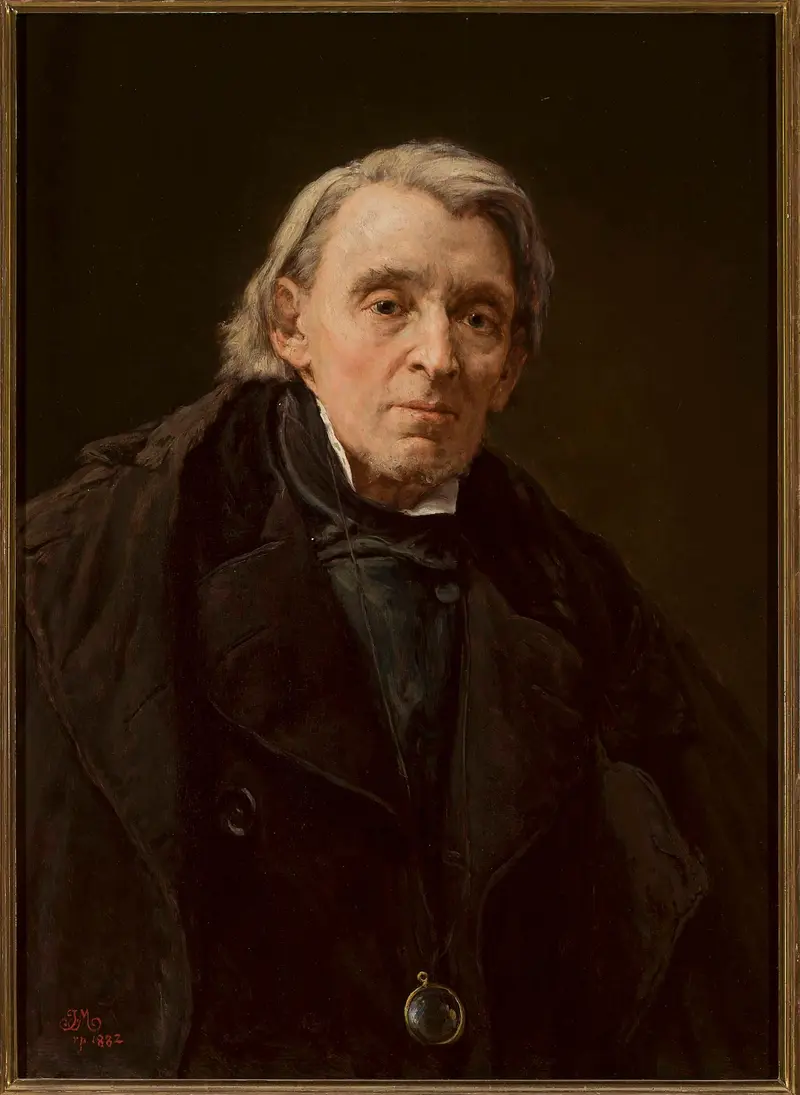
Portrait of Karol Podlewski
Jan Matejko
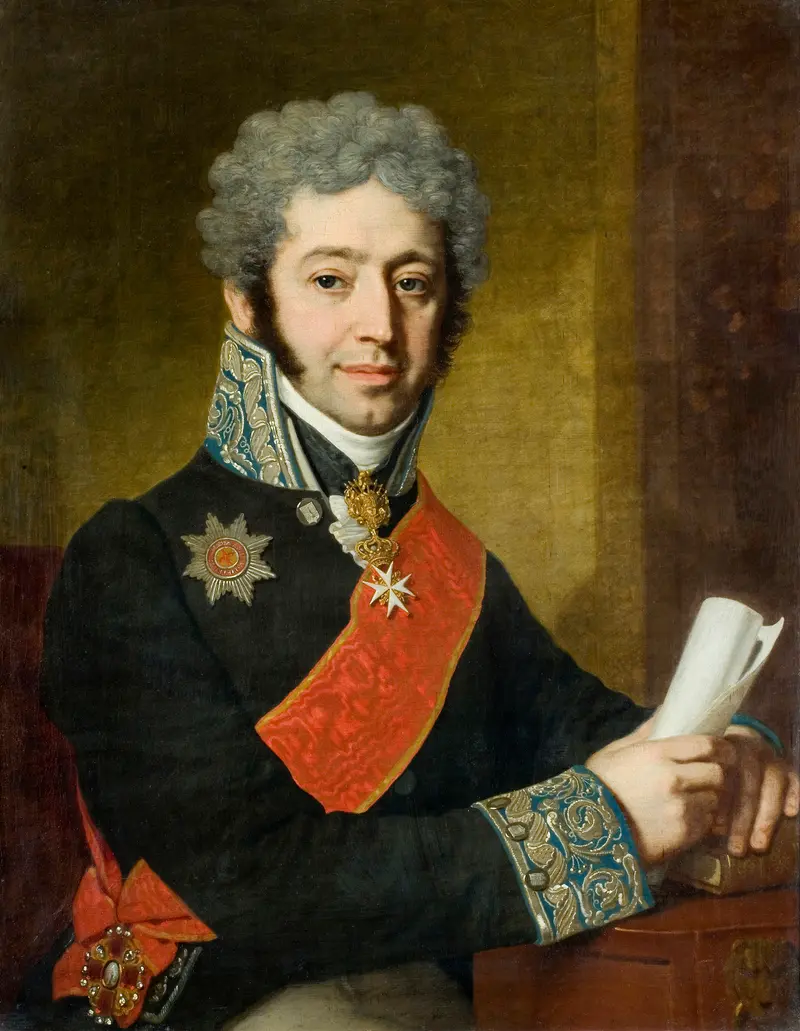
Portrait of Potocki and Poninski
Jan Matejko
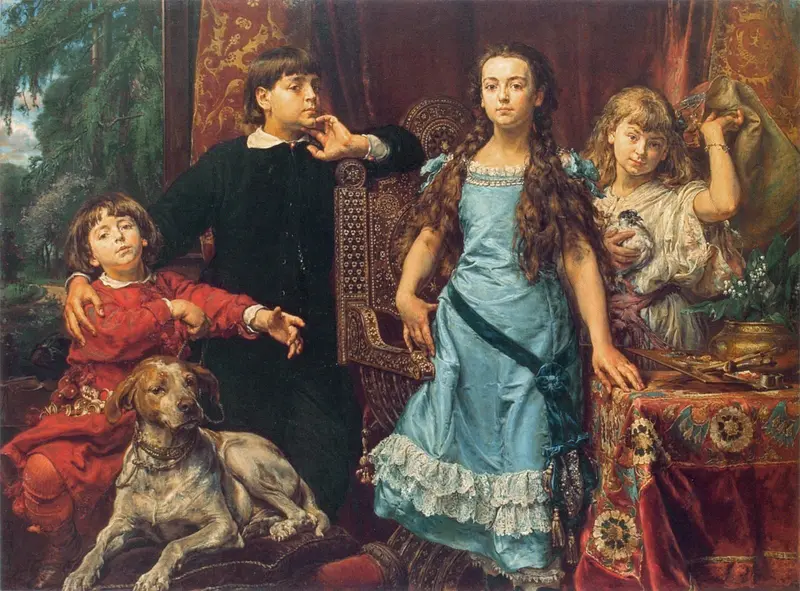
Portrait of the artist's four children
Jan Matejko
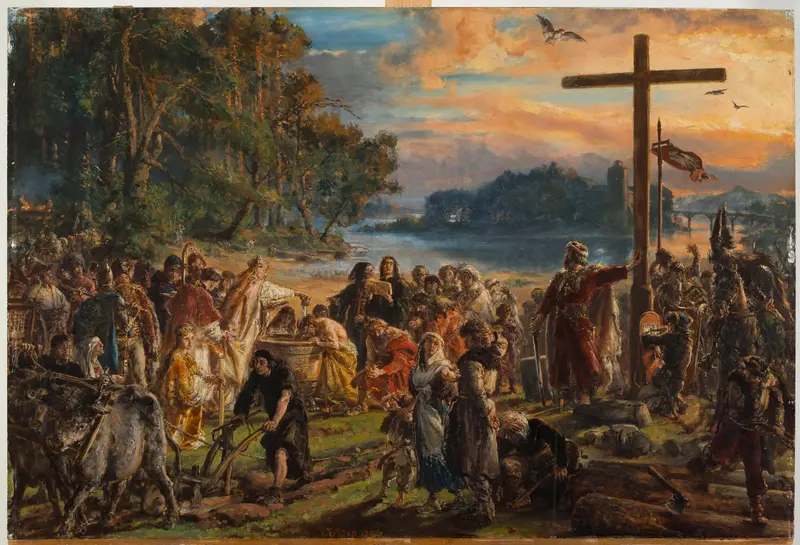
Introduction of Christianity in Poland
Jan Matejko
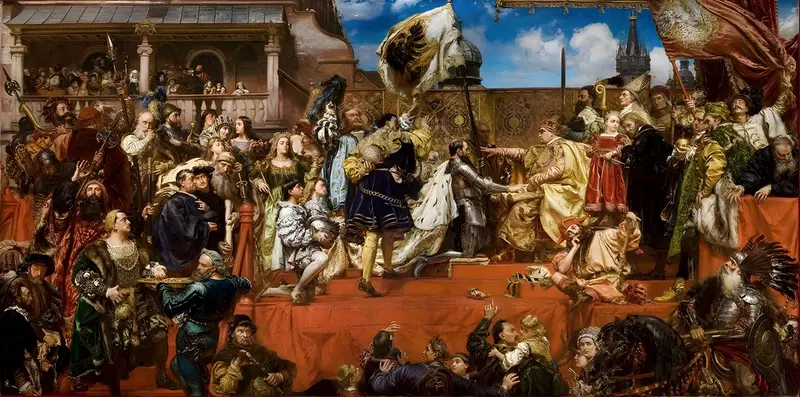
Prussian Homage
Jan Matejko





